All Science
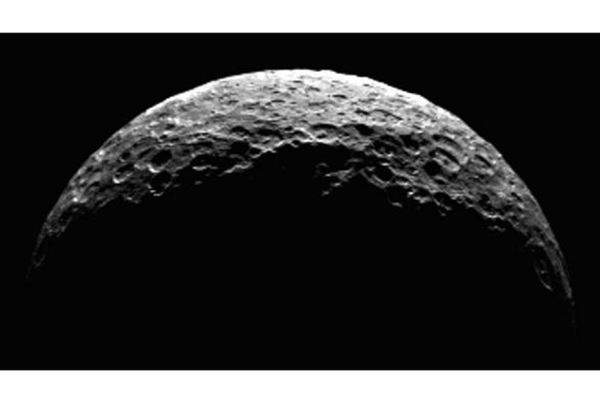 NASA space probe snaps images of Ceres' north poleNASA's Dawn spacecraft, now in orbit around the Ceres, has taken its sharpest images yet of the聽dwarf planet's north pole.
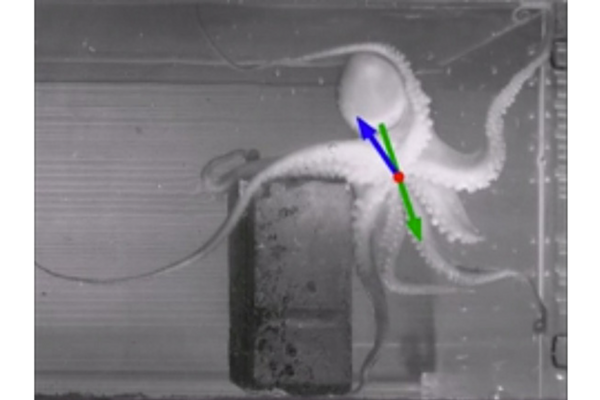
- Octopuses walk without rhythm, say scientistsAn analysis of octopuses finds no detectable rhythm in the way they move their eight tentacles to get around.
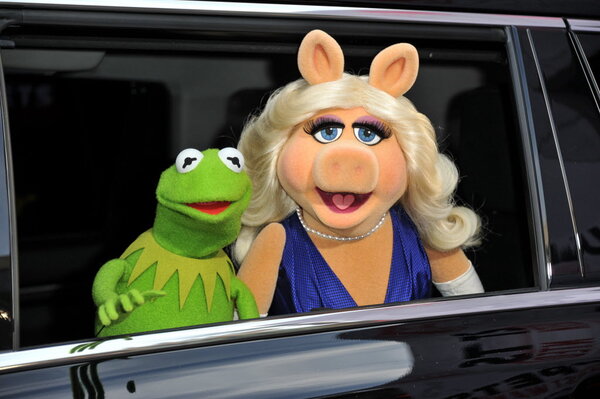 Newly discovered frog species looks like KermitHyalinobatrachium dianae, a new species of glass frog has been discovered in the Talamanca mountains of Costa Rica.
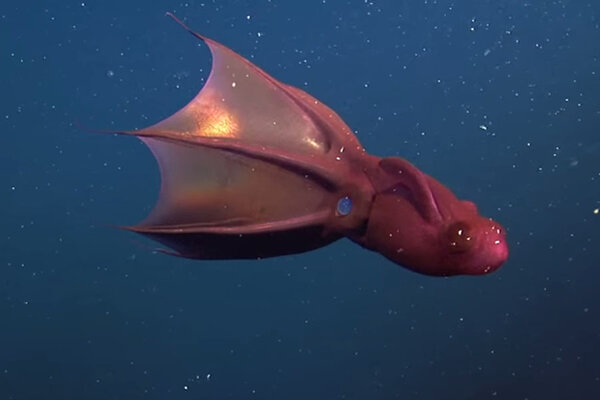 Vampire squid discovery reminds us how little we know about themDiscovered more than 100 years ago, little remains known about these deep-sea creatures, who are now believed to have multiple reproductive cycles and long lifespans.
 Before Columbus, was there trade between Asia and New World?Artifacts unearthed at a 1,000-year-old home in Alaska suggest that East Asians and Native Americans were exchanging goods centuries before Columbus set sail for the New World.
 How lasers could be the future of space cleanupScientists in Tokyo have proposed a way to rid the Earth鈥檚 orbit of space debris using a super-wide telescope and a fiber-based laser system.
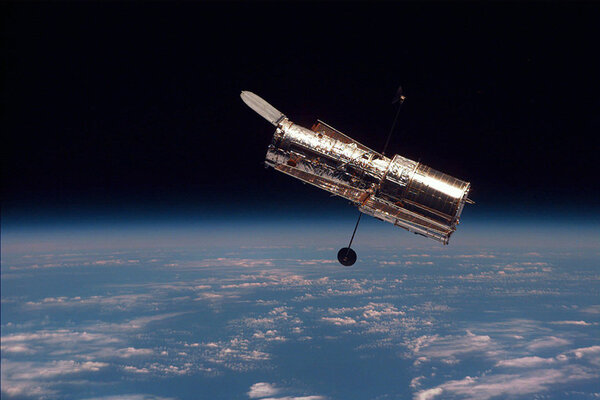 Cover StoryHubble: The people's telescope at 25How the space telescope has changed astronomy and brought the cosmos into people鈥檚 living rooms.
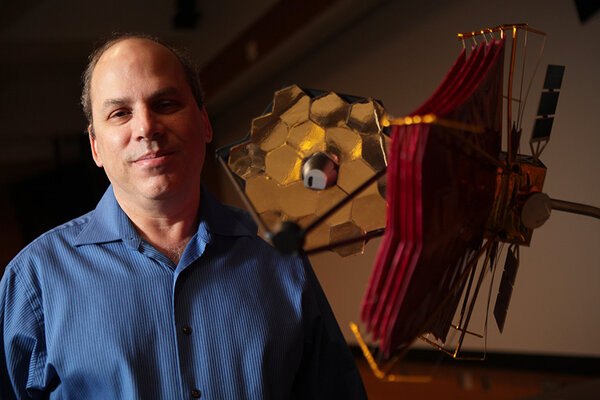 What future 鈥榚yes鈥� in space will seeHigh definition could be going into deep space in the not-too-distant future.
 Hubble Telescope timelineA look back at key moments in the development, launch, and production of the Hubble Space Telescope.
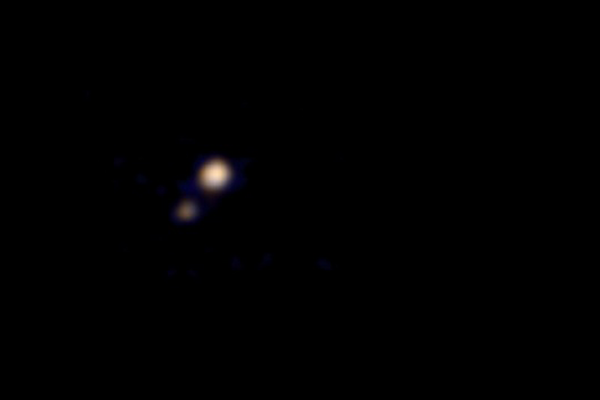
- NASA probe snaps first color image of PlutoNASA's Pluto-bound New Horizons spacecraft took a photo of the dwarf planet and its companion, Charon, at a distance of 71 million miles.
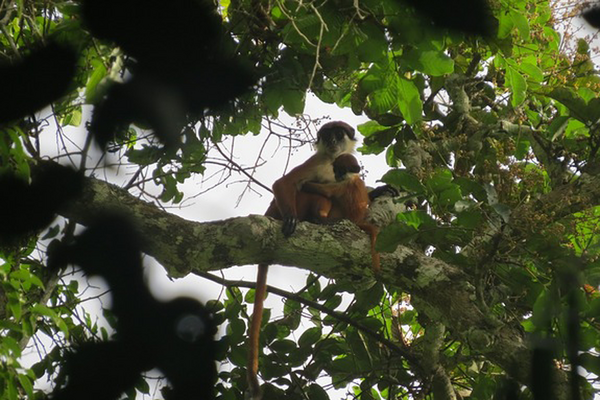 Scientists glimpse monkey thought to have gone extinctNative to the Republic of the Congo, Bouvier's red colobus monkey hasn't been sighted in the wild since the 1970s, until this year.
 SpaceX Dragon cargo ship arrives at space stationAn unmanned SpaceX Dragon ship completed its two-and-a-half day trip to the聽International Space Station on Friday.
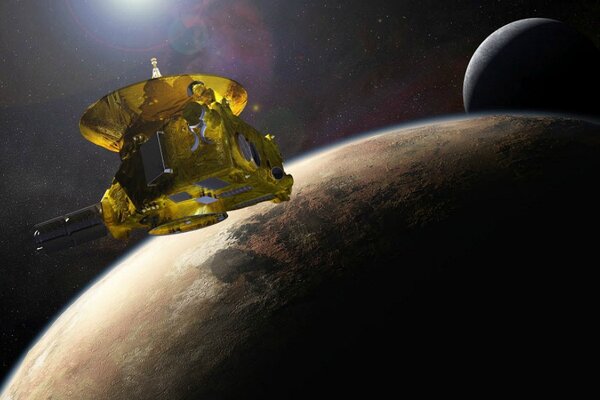 'Scientific wonderland' expected as spacecraft approaches PlutoAs the New Horizons spacecraft approaches Pluto for a flyby, astronomers are about to get their first close look at the planet and its moons.
 How did dogs become man鈥檚 best friend? Eye contact, study suggests.Animal cognition experts from Azabu University in Japan offer neurological evidence to explain why humans and dogs get along so well.
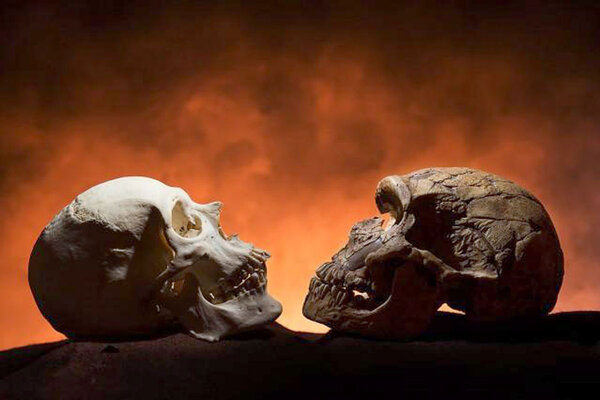 Science NotebookWhy do humans have chins?Humans are the only primate with a chin, an adaptation that reflects the emergence of complex social networks among our ancestors.
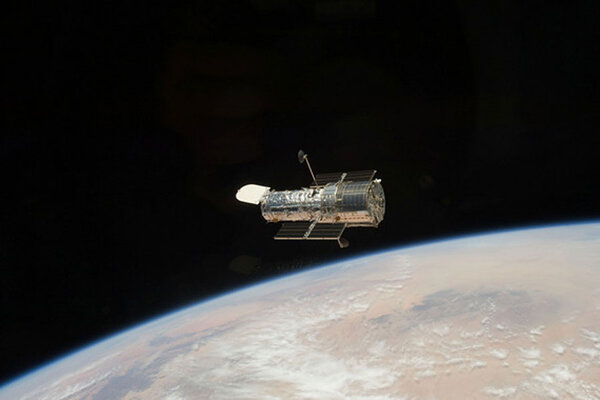 Will the Hubble telescope's successor find alien life?Perhaps history's most fruitful single scientific instrument,聽the venerable Hubble Space Telescope turns 25 this month. Will NASA's future telescopes detect life on other worlds?
- Varvara the Whale sets mammal migration recordVarvara, a western gray whale, swam from Russia to Mexico and back, for a total of nearly 14,000 miles, say researchers.
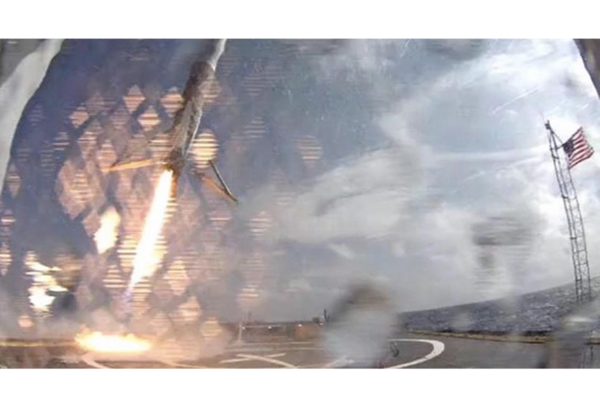
- SpaceX rocket sort of lands on floating bargeAfter kicking off a successful delivery to the International Space Station, the first stage of a SpaceX Falcon 9 rocket more or less landed vertically on an autonomous floating platform, before toppling over and exploding.聽
 Galactic collisions rattle current theories of dark matterHints have emerged that dark matter may be less reclusive than previously believed. If true, the revelation could change our understanding of physics.
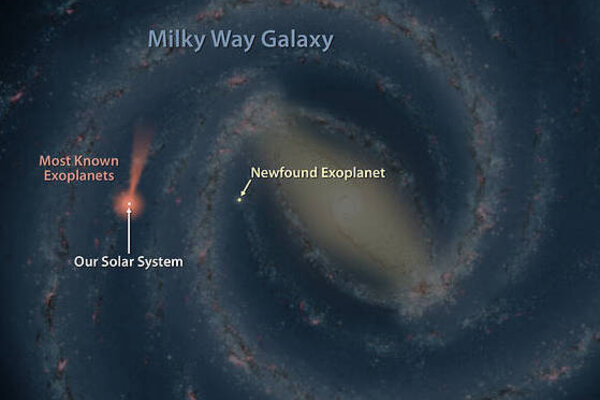 Science NotebookWhy NASA's discovery of a distant exoplanet is importantAfter finding a more accurate way to determine the location of faraway planets, NASA hopes to better understand the distribution of planets in the Milky Way.