All Science
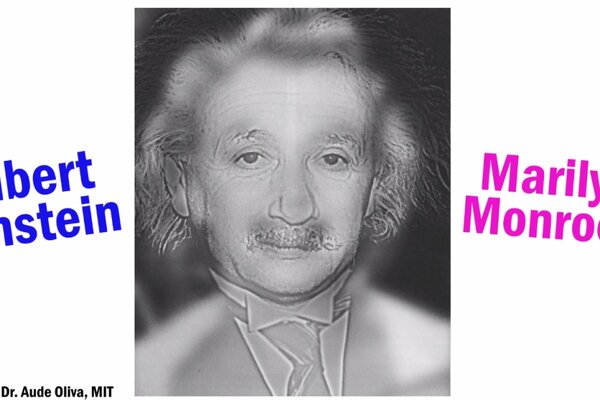 Science NotebookEinstein or Marilyn? How this optical illusion hides two faces in one portraitAn optical illusion created by MIT shows Marilyn Monroe from far away, but changes to Albert Einstein up close. The illusion offers clues as to how our brains process the details in images or scenes.
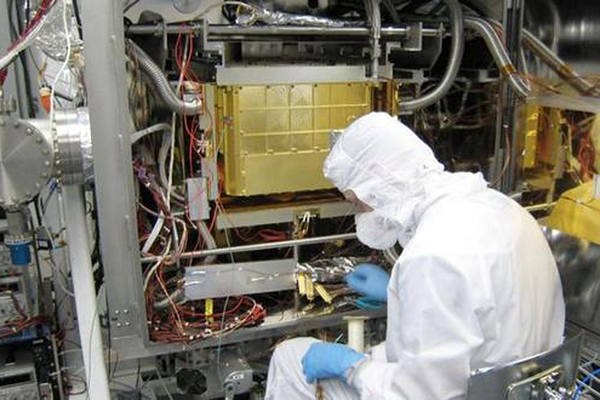
- What happened to the atmosphere of Mars? Curiosity rover seeking answers.NASA's Curiosity rover has been analyzing xenon samples from Mars's atmosphere, in an attempt to learn more about the Red Planet's history.
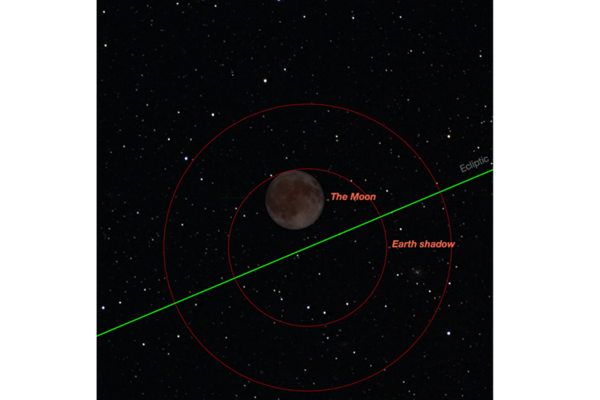 How can you view the lunar eclipse? A skywatcher's guide.Saturday, April 4, will bring the year's first total eclipse of the moon.
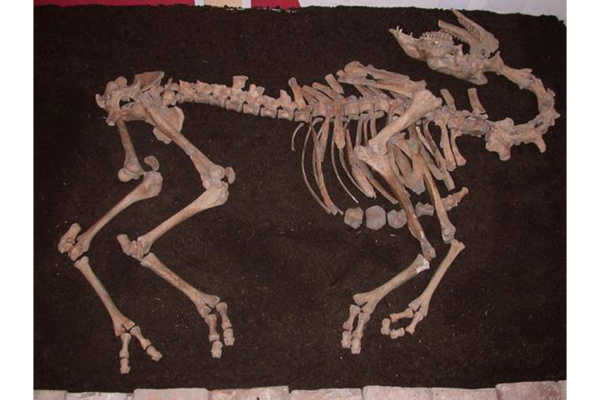 What was this camel doing in 17th-century Austria?Researchers who discovered the skeleton in a refuse pit say liken it to discovering a 'sunken ship in the desert.'
 Why underground moon cities are slightly less implausible nowHuge underground lava tubes on the moon might readily accommodate long-term shelters for human colonists.
 Twin-sunned 'Tatooine' planets may be widespread, say scientistsPotentially habitable planet in binary star systems may not just be possible, but common,聽a new analysis suggests.
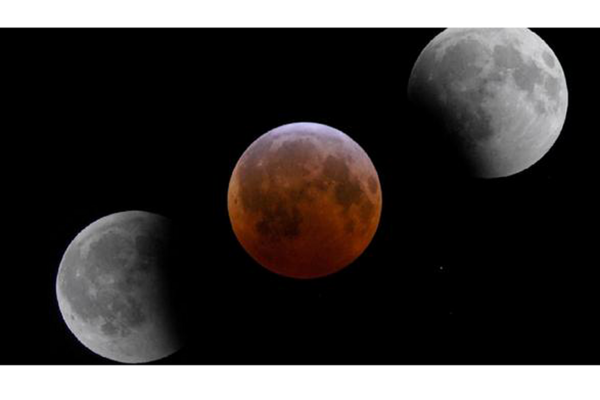 How to watch the Easter weekend Blood MoonApril 4 will bring the shortest lunar eclipse since 1529, and we won't see another one until 2155.聽
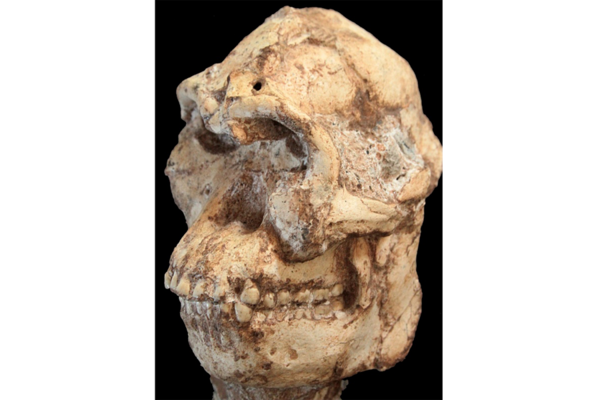 Early human relative Little Foot may have co-existed with Lucy, say scientistsLittle Foot, a mysterious ancient human relative, lived some 3.7 million years ago, roughly the same time as Australopithecus afarensis.
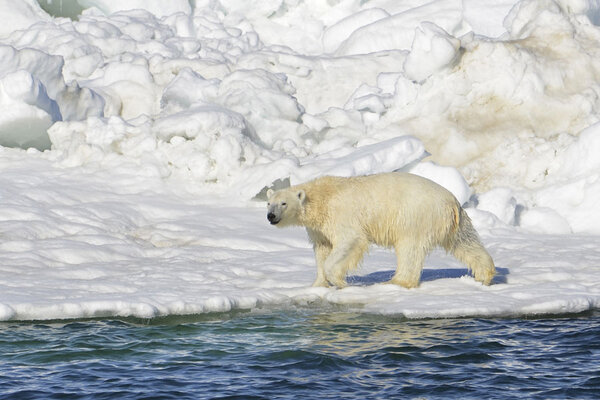 Displaced polar bears will struggle for food, scientists sayForced onto solid ground by melting ice, polar bears are beginning to ditch seal meat for berries and bird eggs. But researchers fear this new diet is unsustainable.
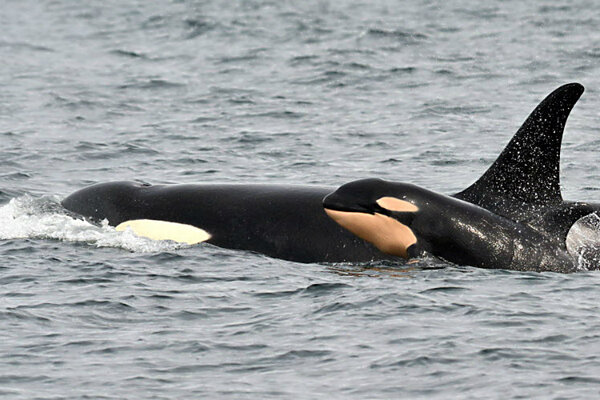 Are orcas making a comeback in the Pacific Northwest?A new baby orca has been spotted off the coast of British Columbia. Are we witnessing an orca baby boom?
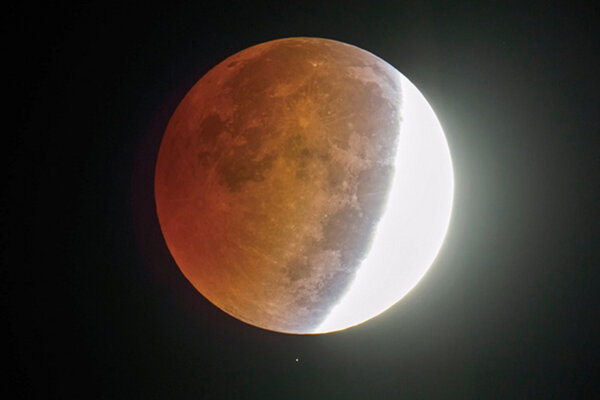 Saturday to bring brief 'blood moon'Skywatchers will have a small window to view Saturday's short lunar eclipse, which will give the moon a crimson tint .
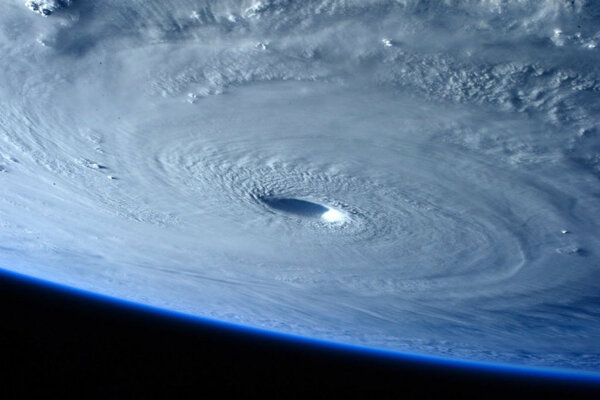 Extraordinary photos of mega Typhoon MaysakFrom aboard the International Space Station, an astronaut snaps images of the super typhoon as it works its way through the northwest Pacific Ocean, giving viewers a glimpse of the awesome power of nature.
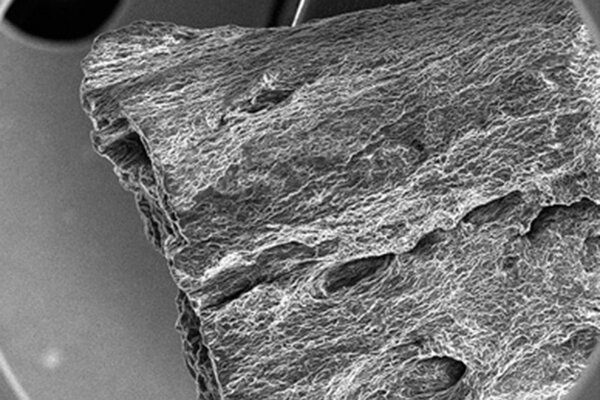 Zombie cyborg wood aids night visionBy weaving together tobacco and synthetic carbon tubes, researchers have developed an incredibly versatile new nanomaterial.
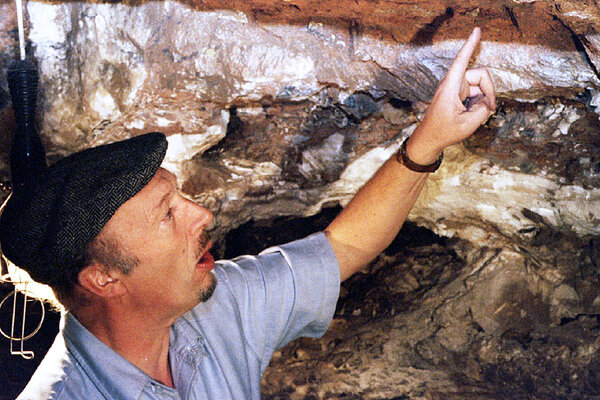 Ancient hominid 鈥楲ittle Foot鈥� gets new birthdateResearchers have re-dated a controversial 鈥� but remarkably complete 鈥� hominid skeleton from South Africa鈥檚 Sterkfontein caves to find that it lived roughly the same time as the more well known Australopithecus afarensis.
 Science NotebookHow a tiny songbird can fly 1,700 miles over open oceanFor the first time, researchers fit blackpoll warblers with geolocators to follow the birds' ambitious migration.
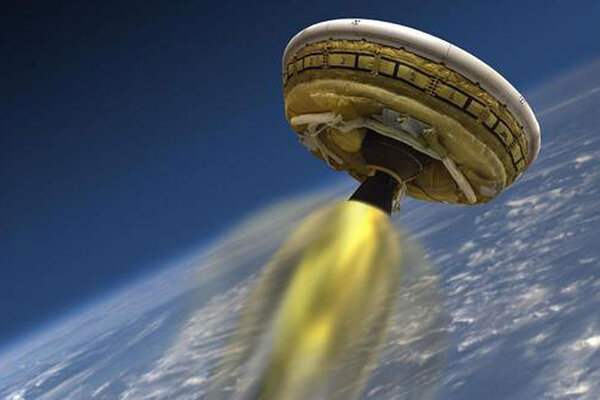 NASA wants you to check out its flying saucerThe US space agency is inviting the public to view a test of its聽Low Density Supersonic Decelerator, designed to land heavy payloads on Mars
 Oceans could take thousands of years to recover from climate change, study saysDecades of climate change have taken a toll on ocean ecosystems 鈥� and it could take millennia for them to bounce back, according to new research.
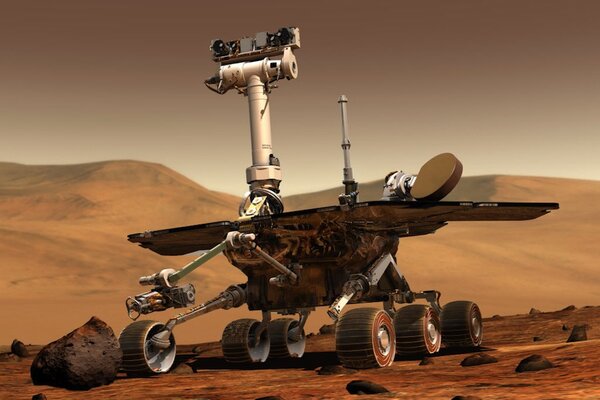 Kickstarter for Mars? What if NASA cuts Mars rover funding?The Mars Rover Opportunity and the Lunar Reconnaissance Orbiter are once again in danger of being eliminated from the budget. Are they valuable enough to find funding elsewhere?
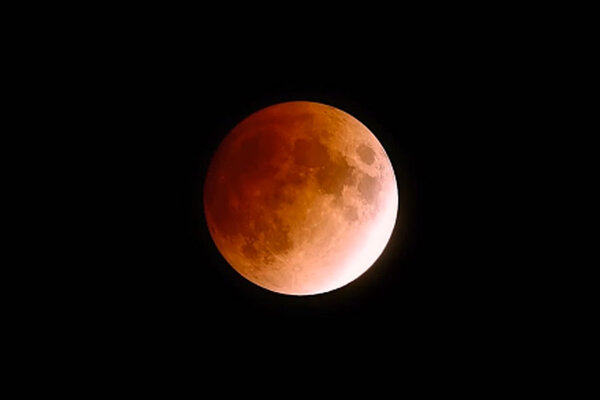 Why this next lunar eclipse will be differentThe total lunar eclipse set to take place on April 4 is not only part of a lunar tetrad, it will also be the shortest of the century.
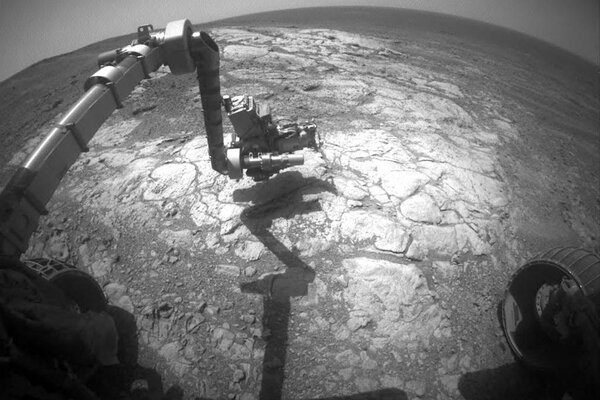 NASA's Opportunity rover endures another bout of amnesiaNASA's Opportunity rover, which has been traversing the surface of Mars for more than a decade, suffered its latest memory glitch last week.