All Science
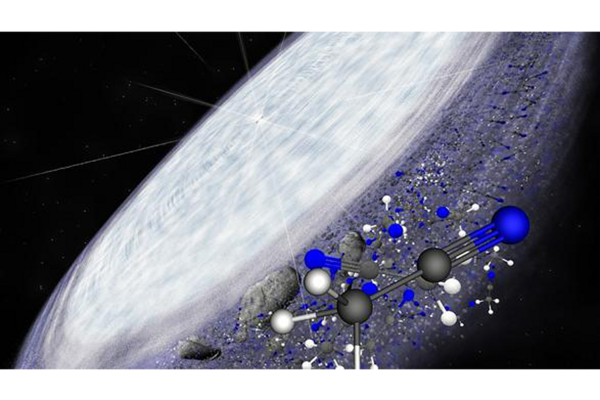
- Astronomers detect organic molecules in young star systemScientists detected methyl cyanide and hydrogen cyanide molecules orbiting a young, distant star.聽
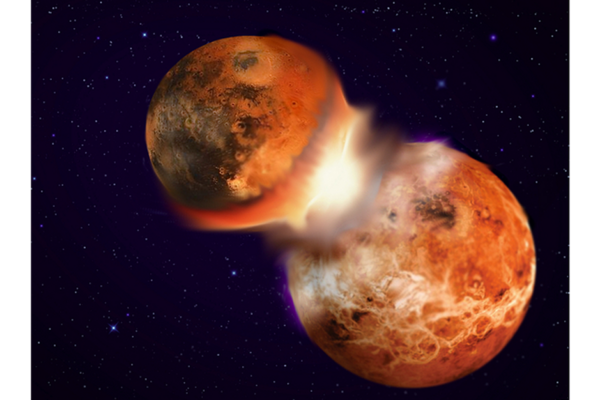 Where did the moon come from?A new analysis strengthens the Giant Impact Hypothesis, which suggests that the moon resulted from the collision of a very young Earth with another protoplanet.聽
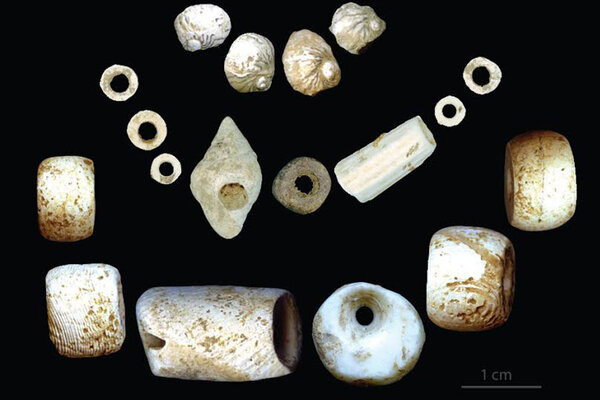 Did Northern Europeans resist the rise of agriculture?Equipped with seemingly trivial cultural markers, researchers were able to trace the spread of agriculture through Europe.
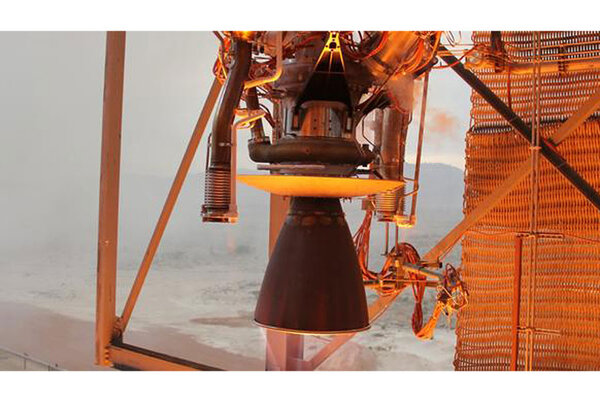
- Blue Origin finishes engine for suborbital flightsJeff Bezos's private space company says that it has completed its聽BE-3 engine, which is designed to propel its聽New Shepard spacecraft into suborbital space.
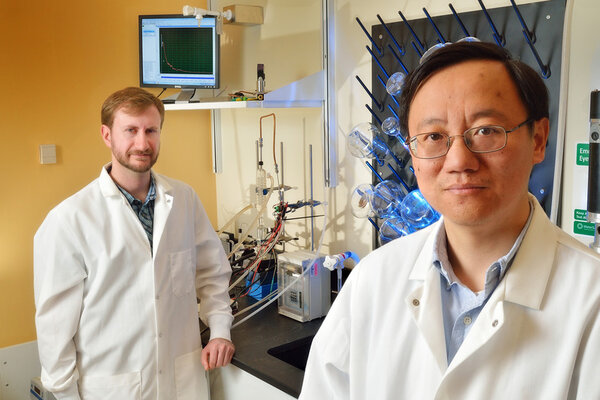 Science NotebookHydrogen fuel breakthrough could pave the way for clean carsA new method of hydrogen fuel production, developed by Virginia Tech researchers, could be used in zero-emission vehicles.
 Two-day 'Space Apps' hackathon seeks solutions to global challengesThe聽International Space Apps Challenge seeks to involve nonscientists in coming up with new ways to use data from NASA's space probes, satellites, and other instruments.
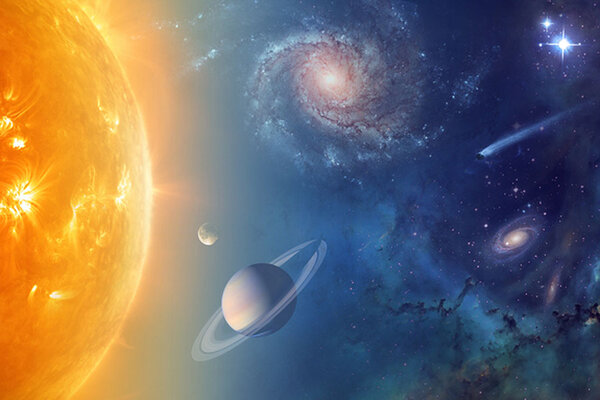 We are on the verge of discovering aliens, says NASA's chief scientistNASA chief scientist Ellen Stofan said Tuesday that, within a decade, humanity will have found 'strong indications' of extraterrestrial life.
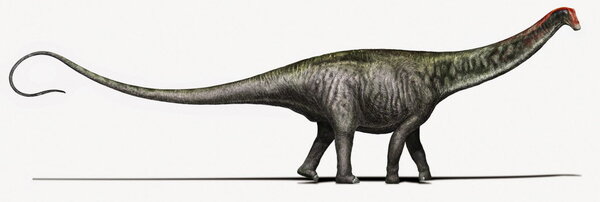 Is the Brontosaurus really back?A new study shows that the Brontosaurus, previously thought to have never actually existed, did indeed once roam the Earth.
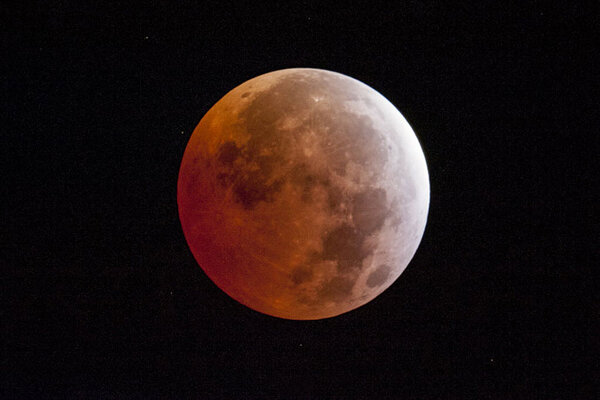 Blood moon wows skywatchers. When will the next one be?Last weekend's lunar eclipse was the third in a series of four, and skywatchers will only have to wait six months for another blood moon.
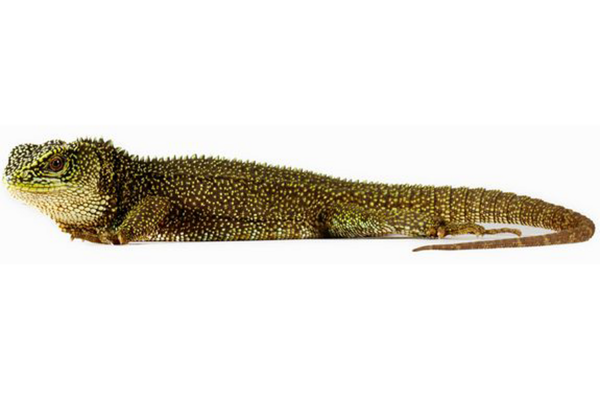
- Three species of mini 'dragon' discovered in AndesNative to South America and Panama, the woodlizard genus is now even more diverse than previously thought, with the addition of three more species.
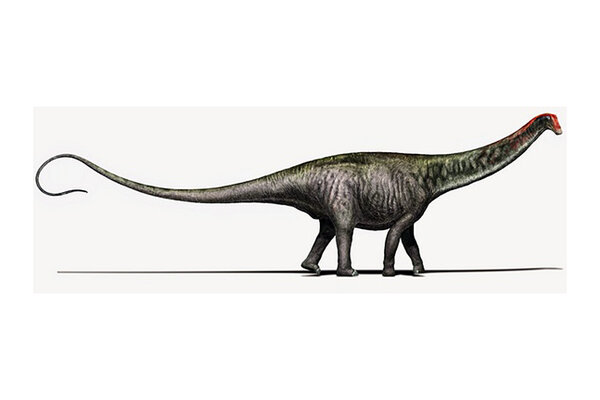 Is Brontosaurus making a comeback? A new analysis of the long-necked dinosaur.In a new study researchers suggest the dinosaur聽currently known as聽Apatosaurus excelsus,聽famously first known as聽Brontosaurus聽until 1903,聽is different enough from its Apatosaurian kin as to be a different dinosaur altogether.
- Electrifying new map charts lightning boltsUsing satellite data, NASA scientists are monitoring lightning flashes from above.聽
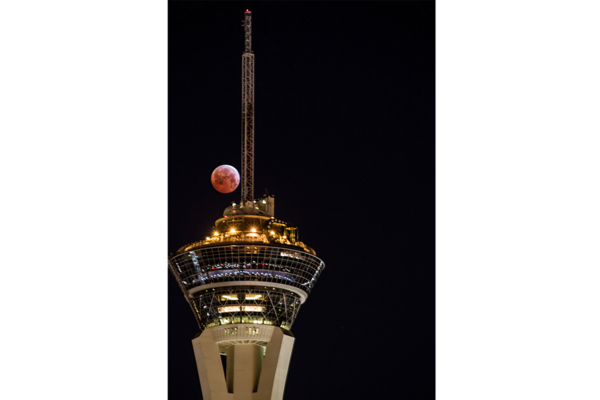 'Blood moon' eclipse dazzles skywatchersSaturday's brief total lunar eclipse wowed stargazers in聽North and South America, Australia, Oceania, and Asia, as the moon turned a crimson red.
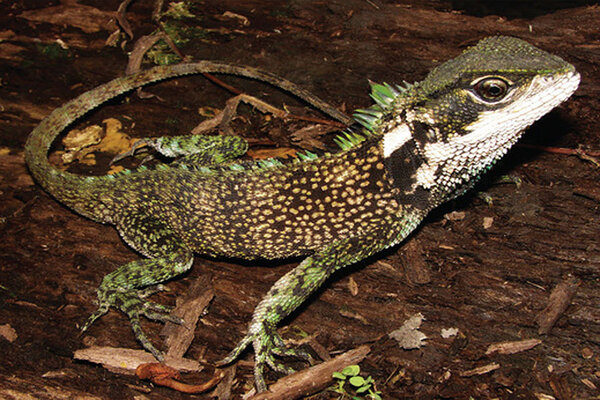 Tiny, adorable 'dragons' discovered in AndesThree new species of woodlizard, reptiles that are often characterized as tiny dragons, have been discovered in the聽cloud forests of Peru and Ecuador.
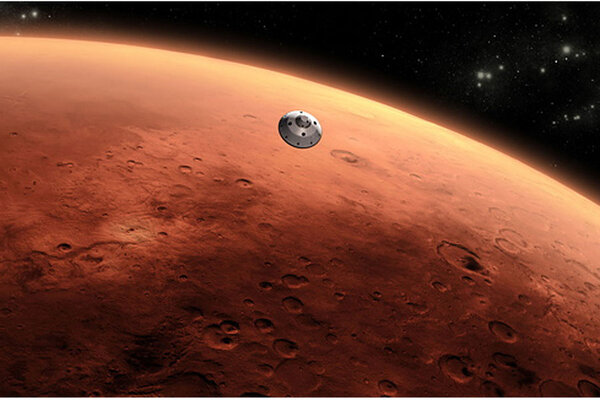 Humans orbiting Mars by 2033? It's possible, say experts.A workshop hosted by The Planetary Society explored the feasibility of a manned mission to orbit Mars's moon of Phobos in 2033, followed by a landing on the surface of the Red Planet six years later.
 Dormant for two years, the world's largest atom smasher reawakensCERN's Large Hadron Collider is up and running again after two years of refitting that has made it even more powerful than before.
 New Hubble images reveal eerie green cloudsAn ethereal green glow caused by quasars appears in these images captured by the聽Hubble Space Telescope.
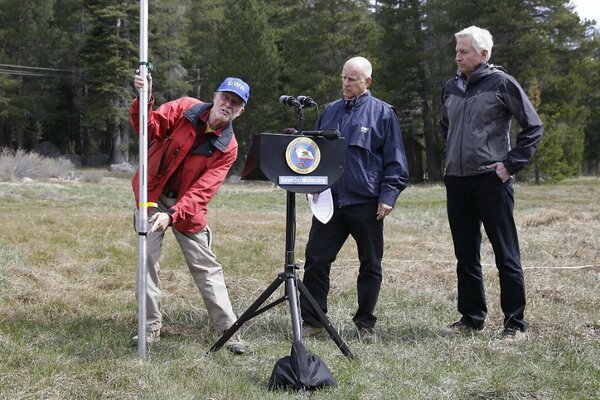 Eyes in the sky: How NASA helps gauge drought impactNASA aircraft are playing a key role in helping water managers in drought-ravaged California measure water in the paltry Sierra snow pack.
- Can a refurbished atom smasher finally reveal dark matter?Dark matter 鈥� and its cousin, dark energy 鈥� make up most of the universe, and scientists hope to catch their first glimpses of it in the Large Hadron Collider, which is revving up again after a two-year-long upgrade.
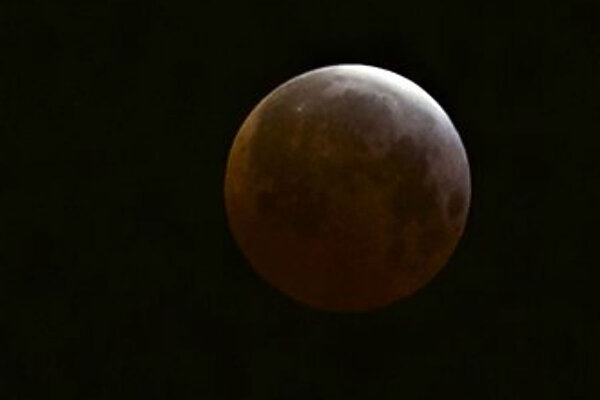 Short but rosy: The 'blood moon' eclipseA total eclipse of the moon was visible early Saturday in the western US, Australia, New Zealand, eastern Asia and western Russia.聽