All Science
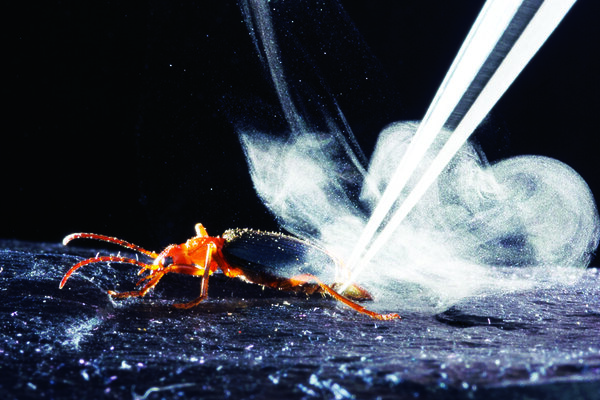 Can noxious beetle bursts make better engines?Bombardier beetles engage in some serious chemical warfare 鈥� and for the first time, researchers understand exactly how.
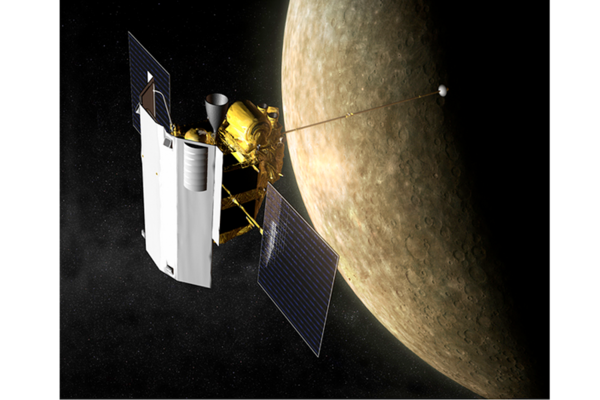 NASA to crash spaceship into MercuryMESSENGER, the first spacecraft to orbit Mercury, has reached the end of its mission. A new NASA video celebrates the spacecraft's accomplishments.聽
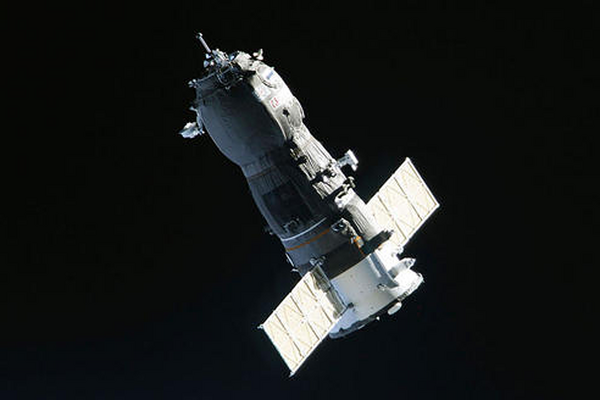 Careening out of control, unmanned Russian spacecraft declared a lossA Russian cargo ship launched to deliver supplies to the International Space Station is doomed to burn up in the Earth's atmosphere, following a serious malfunction on Tuesday.
- What does Pluto really look like? We'll soon find out.As it closes is on Pluto, NASA's New Horizons spacecraft is snapping ever-sharper images of the dwarf planet, revealing clues about variations on the icy world's surface.
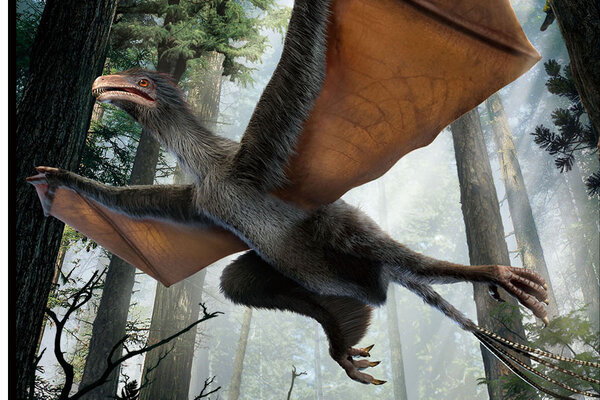 New bat-like dinosaur had wings. Scientists don't know why.Chinese researchers have discovered the fossilized remains of a new dinosaur, Yi qi, or 'strange wing.' But it's not clear what the creature's wings were for.
 Unmanned Russian spaceship hurtling out of controlRussia's space agency is trying to regain control of a malfunctioning robotic cargo ship that was destined for the International Space Station.
 Smartphones distract parents too, studies showNew studies from the American Academy of Pediatrics show how mobile devices impact people of all ages.
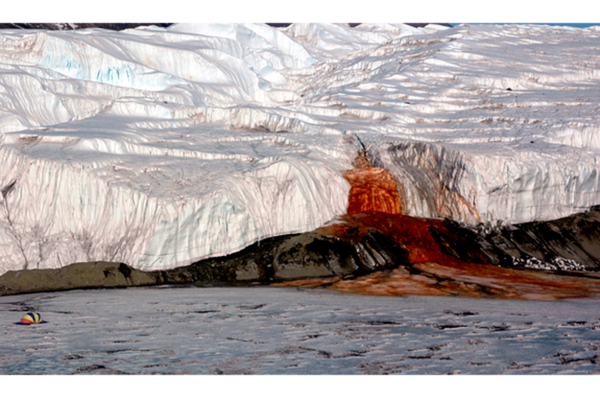 Scientists discover source of Antarctica's mysterious Blood FallsA complex subsurface network of briny water lies beneath Antarctica's Taylor Glacier, with a rust colored runoff that empties into聽Lake Bonney, say scientists.
 Climate change deniers take aim at Pope FrancisA conservative think tank that rejects mainstream climate science is seeking to discredit statements by Pope Francis on the need to curb global warming.聽
 What Nepal can teach about improving earthquake resilience in developing worldThe earthquake in Nepal is the latest event to highlight the challenges to and opportunities for reducing vulnerability to earthquakes that strike developing countries.
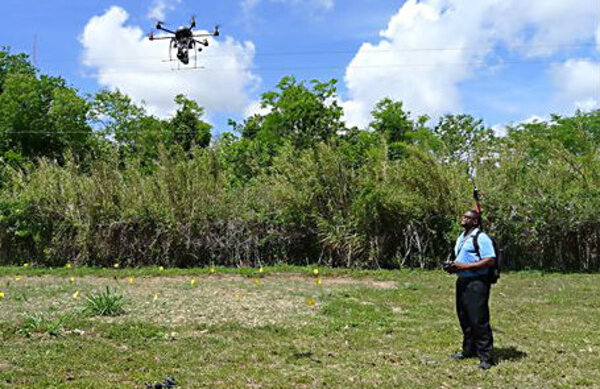 Scientists in #savetheguac campaign employ drones and dogsResearchers are doing battle with a deadly fungus which has the potential to decimate Florida's avocado crop. The hashtag they have adopted for their mission: #savetheguac.
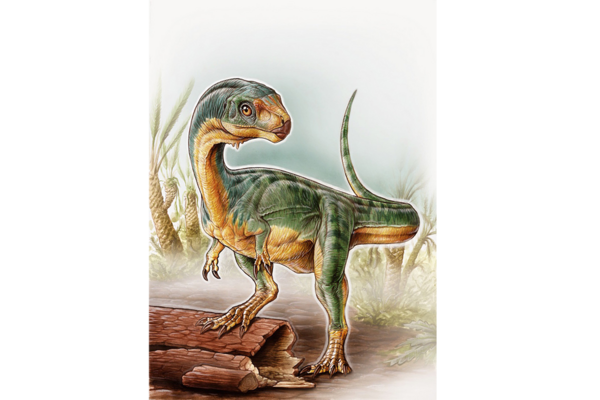
- T. rex had a weird vegetarian relative, say scientistsChilesaurus diegosuarezi,聽a member of the same suborder of dinosaurs as Tyrannosaurs and Velociraptors, eschewed meat in favor of plants, say paleontologists.
 How technology is helping us map earthquakes faster than everBy using a combination of satellites, seismographs, and open-source platforms, researchers are now able to quickly map the damage caused by an earthquake, such as the one that devastated parts of Nepal on Saturday.
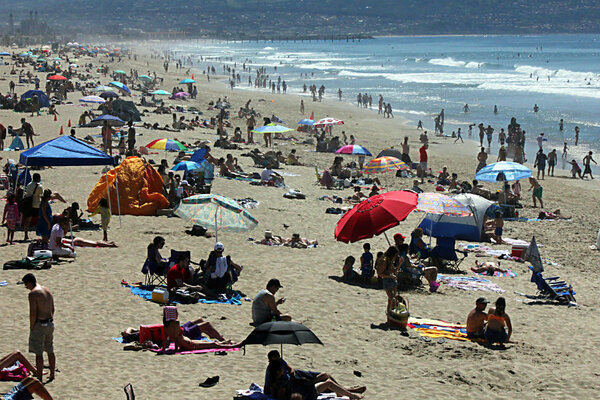 Scientists track global warming heat spikes and rising rainfallA new study shows聽75 percent of the moderate heat extremes and about 18 percent of the moderate precipitation extremes occurring worldwide are attributable to global warming.
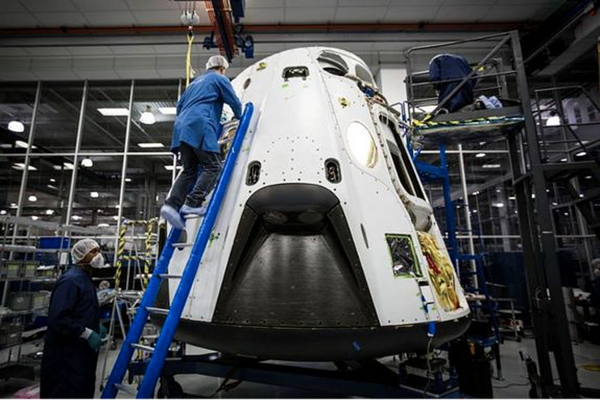
- SpaceX capsule to undergo key safety testOn May 5, SpaceX plans to conduct a 'pad abort' test of its crew-carrying Dragon spacecraft.
 Did Anonymous stage a cyberattack against a telescope? Why?An apparent denial of service attack against the main website for Thirty Meter Telescope, a group trying to build a huge telescope atop Hawaii's Mauna Kea, a dormant volcano that some Native Hawaiians consider sacred.聽
 What's next for the Hubble telescope?Experts say that, without maintenance, NASA's storied space telescope could operate for another five or six years.
 Quest for Earth-like planets becoming more sophisticatedAstronomers are joining forces to make the hunt for potentially habitable worlds outside of our solar system more efficient.
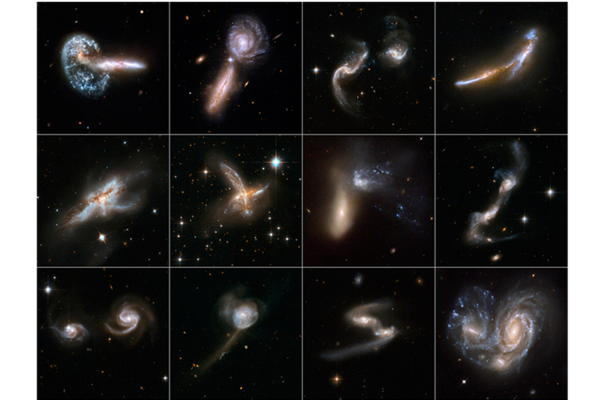 Hubble at 25: The iconic space telescope's greatest discoveriesDuring its first quarter century in orbit, the Hubble Space Telescope has helped revolutionize our understanding of the cosmos.
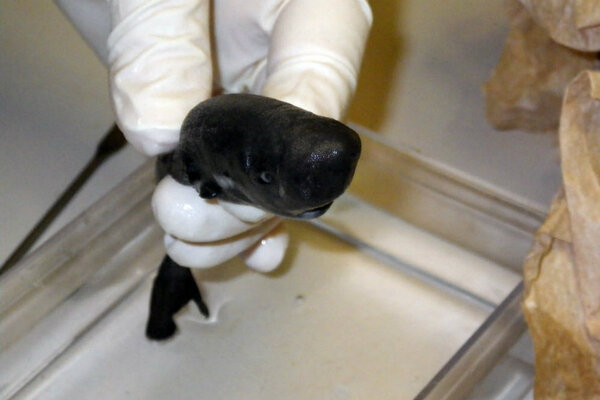 Chihuahua of the sea? Scientists find rare 'pocket shark'The accidental discovery of a tiny, but extraordinary shark species, is a big moment for ocean research. It also reminds us of how little we know about life in the deep seas.