All Science
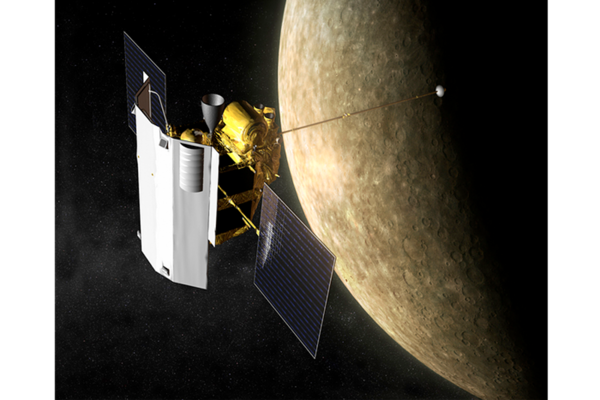 How much longer can NASA's Mercury probe survive?With a series of orbital maneuvers, the mission of NASA's Messenger Mercury probe could be extended up to a month before the spacecraft runs out of fuel and crashes into the planet.
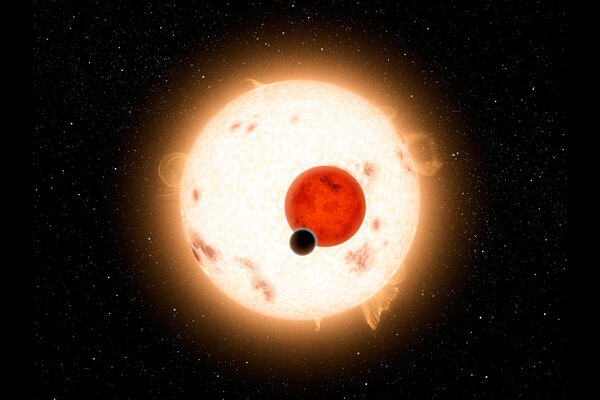 Why Luke Skywalker's binary sunset may be real after allResearchers have found Jupiter-scale gas giants orbiting binary stars and estimate that聽Earth-like planets orbiting binary stars could be as numerous as rocky planets orbiting single-star systems.
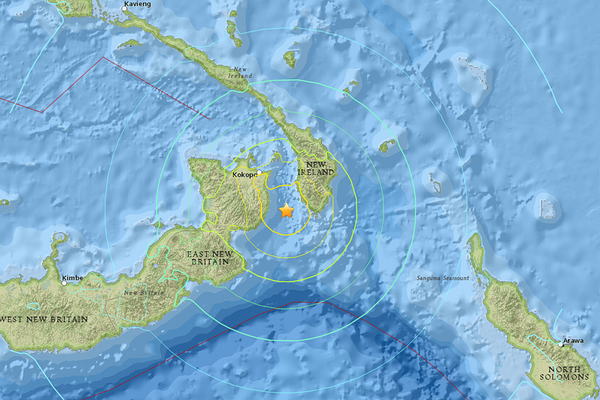 Papua New Guinea earthquake causes 1-inch tsunami. No injuries reported.A 7.7 magnitude earthquake generated a less-than-pint-sized tsunami in Papua New Guinea, causing no injuries or damage.
 Pandas are actually pretty gregarious, study findsPreviously thought to be solitary animals, giant pandas actually spend a decent amount of time together, according to a new study from Michigan State University.
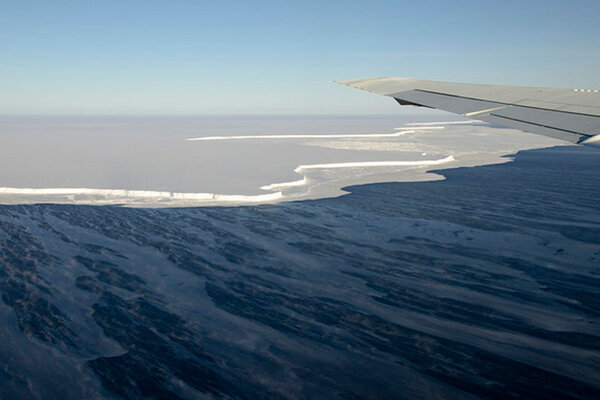 West Antarctica's ice shelves thinning fast, study findsIn West Antarctica, ice shelves have thinned dramatically over the past decade, and the rate of loss is accelerating, finds a new study published in the journal Science.
- Bats obey traffic rules, study saysNew research from the University of Bristol shows that bats follow special 鈥榯raffic rules鈥� to avoid bumping into each other while hunting.
 US, Russian astronauts begin one-year space missionUS astronaut Scott Kelly and Russian astronaut聽Mikhail Kornienko lifted off Friday for a one-year mission aboard the International Space Station.
 Hidden fossil site yields bizarre 500-million-year-old predatorUnlike modern arthropods,聽Yawunik kootenayi, had dual-purpose limbs for hunting and grabbing prey.聽
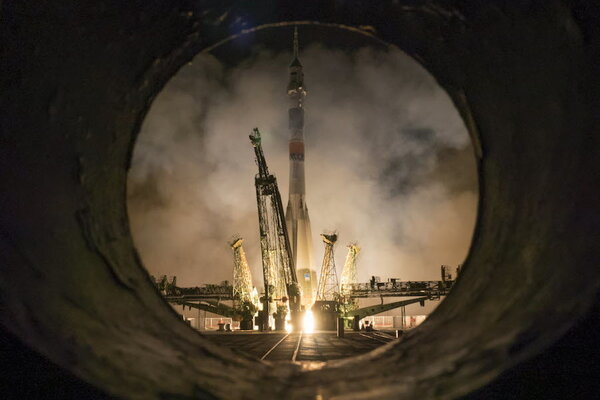 Astronaut twin Scott Kelly begins #YearInSpace: Why that long?American astronaut and twin Scott Kelly is now aboard the International Space Station, beginning his one-year mission in space. How will this year affect him and his twin brother, and what will the implications be for future missions?
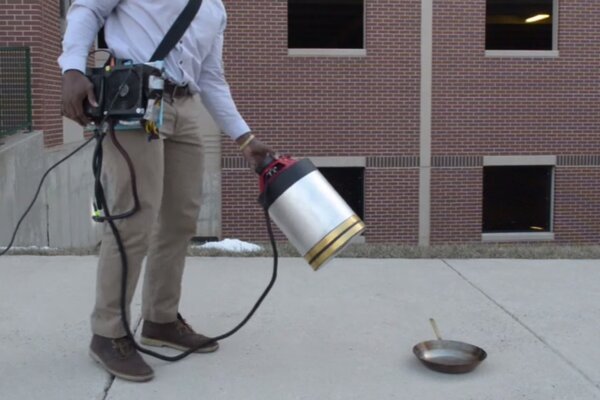 Science NotebookHow to put out a fire using nothing but bassTwo George Mason University students built a fire extinguisher that can put out a blaze without using water, foam, or chemicals. The device emits a low-frequency hum that deprives the fire of oxygen.
 Antarctic ice shelf melt accelerating, study findsA study of 18 years of satellite measurements of ice shelves all around Antarctica has found that, if recent trends continue, thinning ice shelves could unleash dramatic sea level rise in the coming centuries.
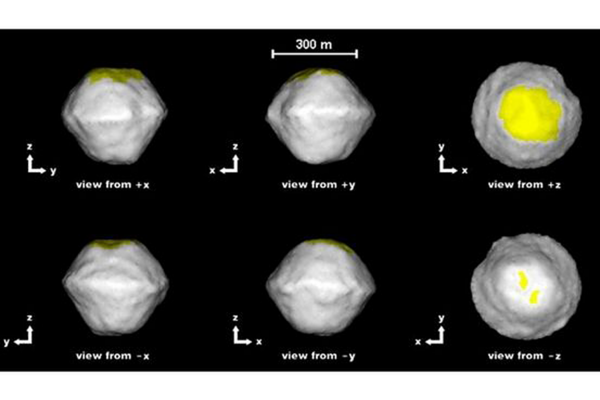
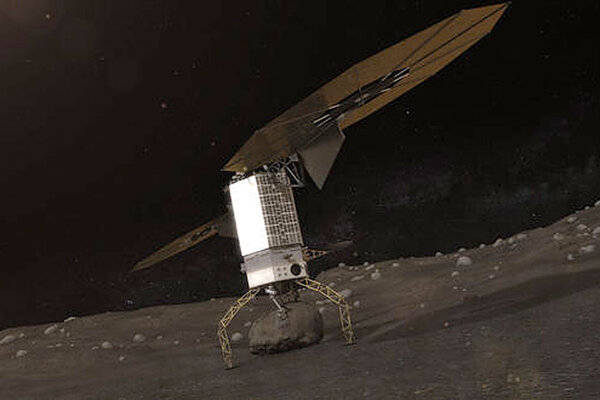
- NASA wants to pluck a boulder from an asteroid. But which asteroid?The leading contender is the much-studied聽2008 EV5, a muffin-shaped rock that orbits the sun just inside Earth's path.聽
- What is dark matter made of? Galaxy cluster collisions offer clues.When clusters of galaxies collide, their dark matter doesn't interact in the way that matter containing protons does, say scientists.
 Science NotebookKitchen science: The secret colors in milk, fire, and black markersMake everyday objects into rainbows with these color-revealing experiments.
 Science NotebookSquare ice: Has science perfected the snowflake?Through a fascinating lab accident, researchers made square snowflakes, learning something new about water in the process.
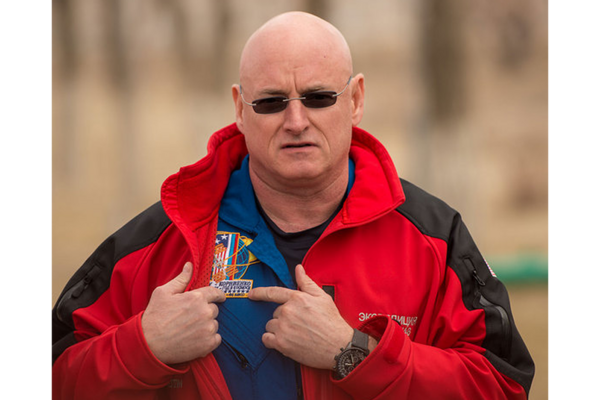 Recovered from rocket explosion, astronaut badges set to fly againTwo of astronaut Scott Kelly's embroidered badges were aboard the cargo rocket that exploded upon liftoff last October. They were recovered and are now set to fly to the International Space Station with Kelly on Friday.聽
- NASA wants to orbit a small asteroid around the moonOn Wednesday, NASA announced that it had selected a plan to remove a boulder from an asteroid and place it in orbit around the moon, as a steppingstone to Mars.
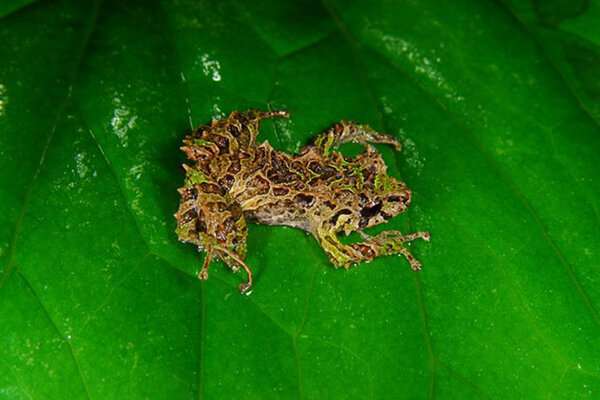 Scientists discover frog that can change its skin's textureA newly discovered species of Andean frog can go from prickly to smooth in a matter of minutes, say researchers.
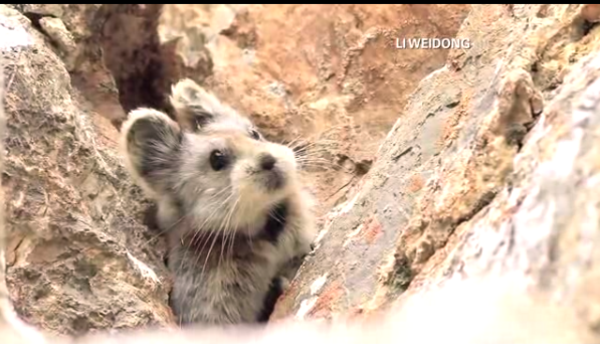 Small, cute, and extremely rare mammal rediscovered in ChinaFor the first time in two decades, the adorable Ili pika has been spotted in its habitat in the Tianshan mountains. Conservationists are now raising awareness and calling for support in protecting the species, which is teetering on the edge of extinction.聽
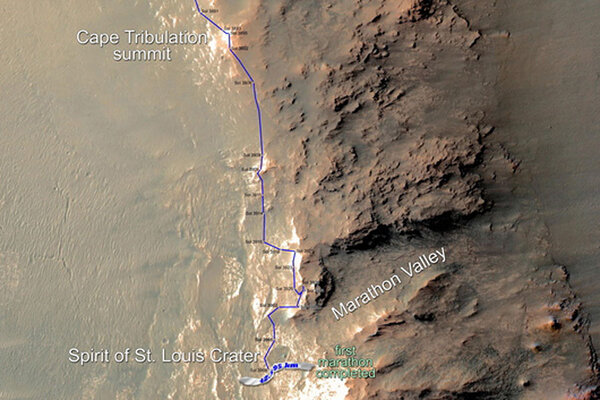 NASA's Opportunity Mars rover completes the first extraterrestrial marathonSince arriving on the Red Planet some 11 years ago, the rover has traveled 26.221 miles, just over the distance of a marathon race.