All Science
 Scientists probe the dynamics of Texas 'earthquake country'A series of cluster earthquakes rattled the Dallas area this week 鈥� the fourth such cluster in Texas since 2009. All have occurred in areas with sizable and growing fracking operations.
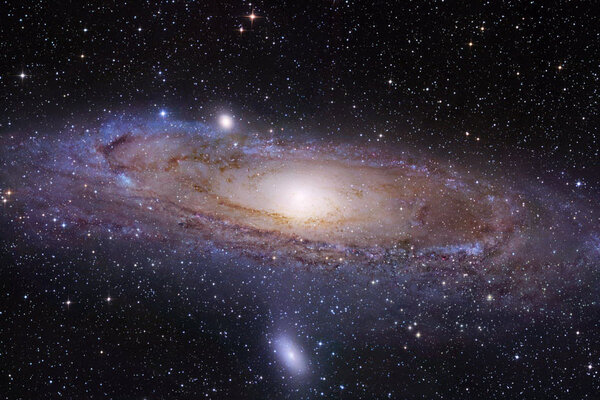 Can Andromeda's vast halo of gas help explain how galaxies form?The halo of gas surrounding the Milky Way's neighboring Andromeda galaxy is far larger than previously thought, measuring 2 million light-years across.
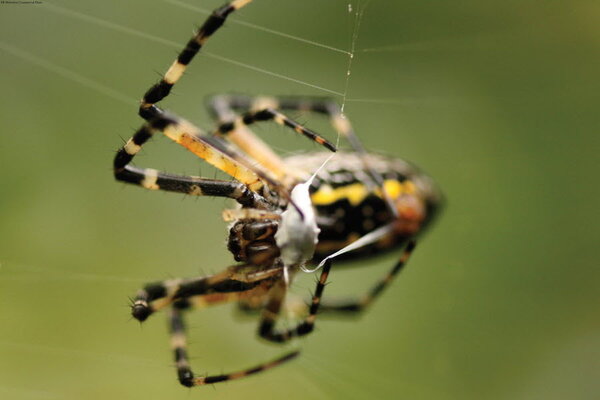 What if spiders could fly? In Chicago, perhaps they do.Every year, Chicago is inundated with "flying" spiders, and they're not the only city. How do spiders do it?
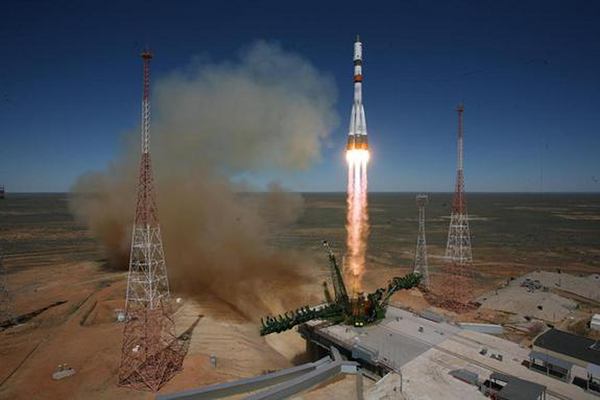
- Out-of-control Russian spaceship: Where will it crash?Russia's unmanned Progress 59 supply ship, which became unresponsive last month while orbiting Earth, expected to crash into the planet on Thursday. But where it will crash is anybody's guess right now.聽
- Are those geysers on Saturn's moon an illusion?The seemingly discrete jets erupting from the surface of Saturn's moon Enceladus may actually be broad 'curtain' eruptions, say scientists.
 How social media can make sharks seem less scaryGreat white shark Mary Lee, tracked off the coast of Maryland Wednesday morning, is one of at least 40 sharks that nonprofit research group OCEARCH tracks. Their goal is to use technology and social media to both generate better data about sharks, and promote understanding and dispel fear of the ocean predator.
 Are you ready to share the road with a self-piloting big rig?Nevada issued the first license to an autonomous big rig, Daimler's聽Freightliner Inspiration. Can we really trust a computer to operate a huge truck?聽
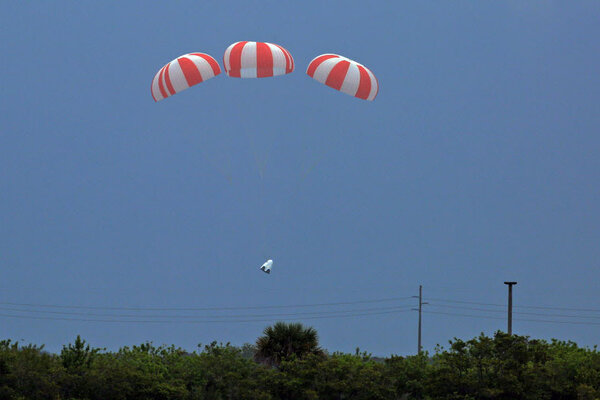 SpaceX successfully ejects crew capsule: Did space flight just get safer?Space Exploration Technologies Corp. took a significant step toward establishing a way for astronauts to escape if something goes wrong during ascent.
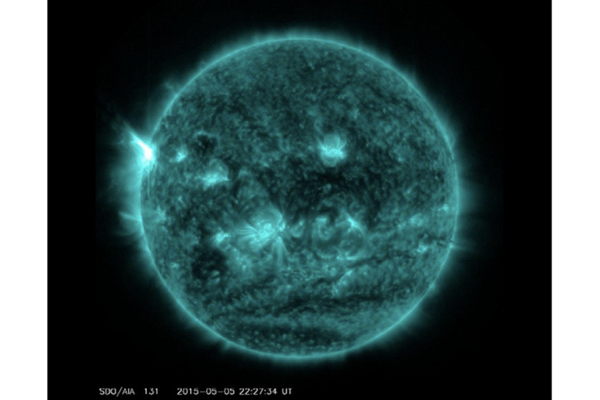
- Sun unleashes biggest solar flare of the year so farAn X-class solar flare erupted from the sun on Tuesday, causing temporary radio blackouts.
 I'll take my latte Zero-G. Science lessons from coffee in spaceAs part of her mission aboard the International Space Station, Italian astronaut Samantha Cristoforetti makes outer space espresso 鈥� and shares the experience with everyone on Earth.
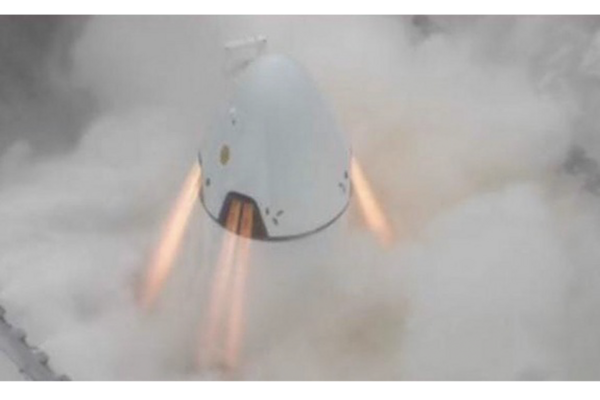 SpaceX to test rocket ejection system with dummyManned by a crash dummy, SpaceX's Dragon spacecraft will conduct a pad abort test on Wednesday.
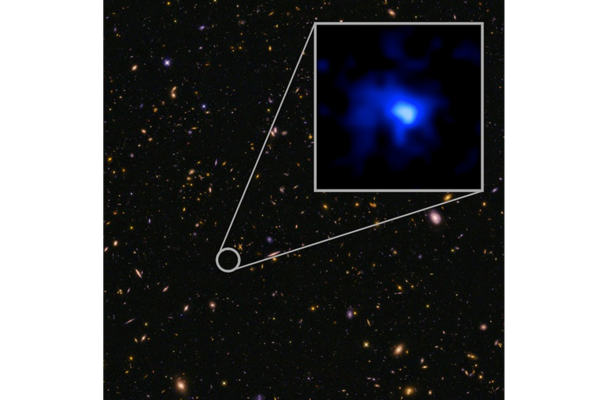 Astronomers identify most distant galaxy yet discoveredThe galaxy EGS-zs8-1 lies 13.1 billion light-years away, making it the farthest known galaxy yet.聽
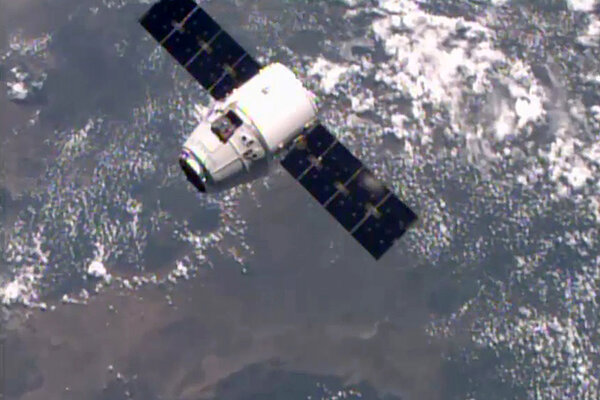 Can rockets have an eject button? SpaceX to take on key safety testOn Wednesday, in a milestone as private companies aim to ferry astronauts, SpaceX is set to test a safety system designed to speed a Dragon crew capsule away from a badly malfunctioning rocket.
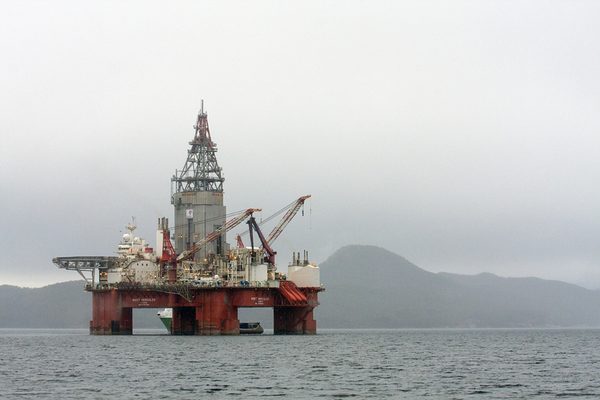 How fjords are helping curb global warmingFrom Alaska to Norway, fjords play an important role in sequestering carbon, new research finds.聽
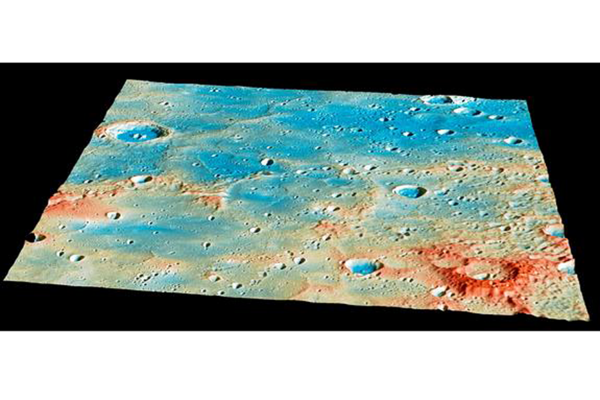 NASA crashes spacecraft into MercuryAfter four years of improving our understanding of the planet closest to the sun, on Thursday NASA's MESSENGER probe smashed into Mercury's surface.
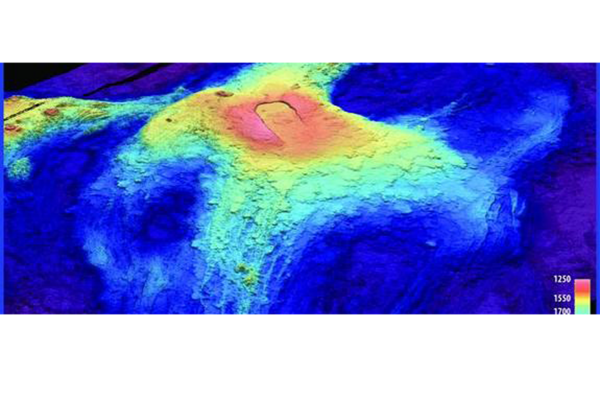 Underwater volcano spewing lava off Oregon coastThe Axial Seamount, located some 300 miles off the West Coast, has awoken from its dormancy, say scientists.
 A 4.2-magnitude Michigan earthquake: How did that happen?The Michigan earthquake Saturday was the second most powerful in the state's recorded history. It points to deep, hidden faults, not only in Michigan but beyond.
 When and where do quake aftershocks happen?Scientists are getting better at forecasting the location and magnitude of earthquake aftershocks.
 How much do scientists know about the latest bird flu virus?Midwest commercial farmers have lost 21 million birds to the virus over the past five months. Yet researchers remain puzzled as to what caused it and how it spreads.
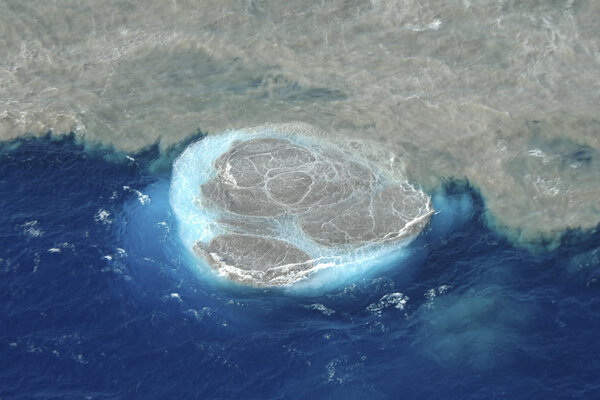 There may be a volcano erupting off the coast of Oregon: Is it a threat?With 8,000 earthquakes detected off Oregon's coast, it appears the underwater Axial Seamount volcano may be erupting. Should coastal residents be wary, or are researchers taking notice for a different reason?