All Science
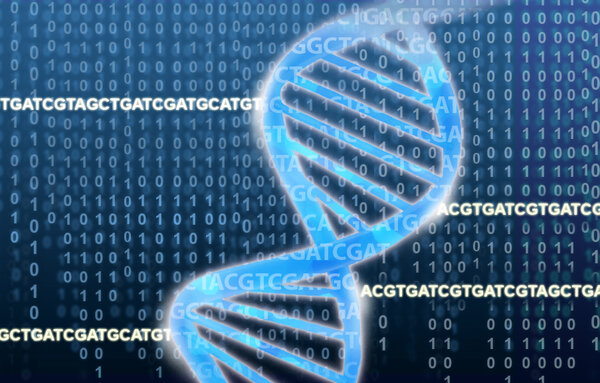 Chinese researchers alter embryo DNA: Do results cross ethical tripwires?The study has聽added urgency to recent calls from scientists, ethicists, and leaders in the biotech industry to take immediate, serious steps globally to weigh the legal, ethical, and social implications of manipulating DNA within heritable cells.
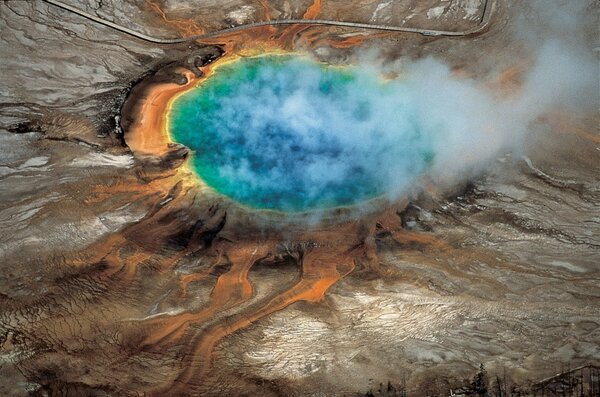 Scientists find huge magma reservoir in Yellowstone 'supervolcano'Beneath Yellowstone鈥檚 surface, seismologists at the University of Utah have discovered a huge reservoir of hot, partly molten rock 鈥� more evidence that Yellowstone with its earthquakes and geysers is a 'supervolcano.'
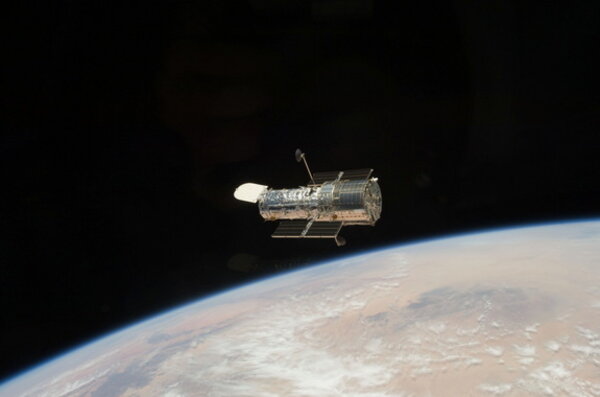 After 25 years of service, how will the Hubble die?While it remains in good working order now, the famed Hubble Space Telescope is not immortal.
 Science NotebookWhat will the English language look like in 100 years?Since the British Empire's dispersal of English to different parts of the world, the language has taken on many forms. With all of these existing varieties, what's in store for this global language?
 What happens to people when they think they're invisible?Using a virtual reality headset and simple deception, neuroscientists in Sweden have found a way to create the sensation of personal invisibility. This sensation, they say, causes people to be less socially anxious.
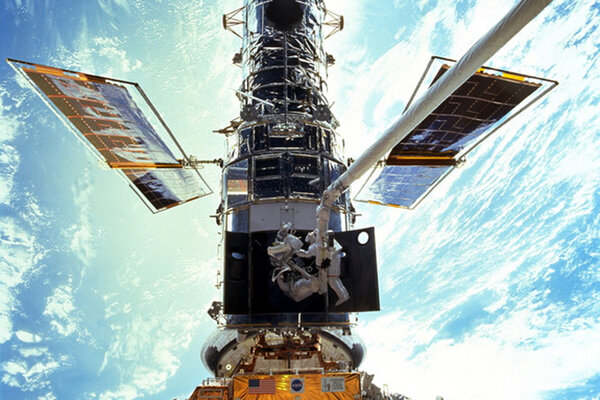 25 years later: Who got the Hubble telescope off the ground?On the 25th anniversary of the Hubble Space Telescope's launch, author Robert Zimmerman recalls the people behind the craft.
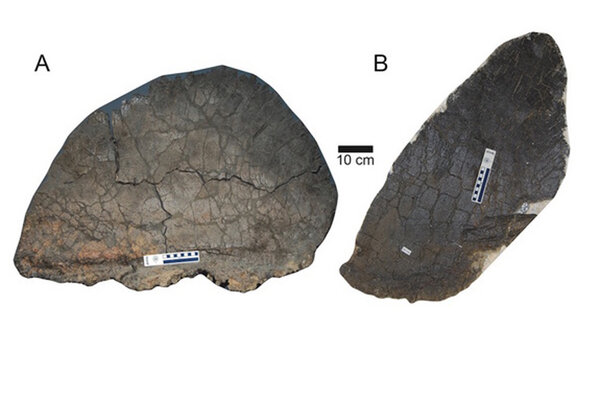 At last, a way to tell male and female stegosauruses apartA new study reveals one key difference between male and female stegosauruses聽鈥� they wore different armor.
 Citing neuroscience, a Grandmaster says men are better at chess. Smart move?British chess Grandmaster Nigel Short claims that the brains of men and women are 'hard-wired' differently, giving males an advantage at chess. But neuroscience doesn't back up his claims.
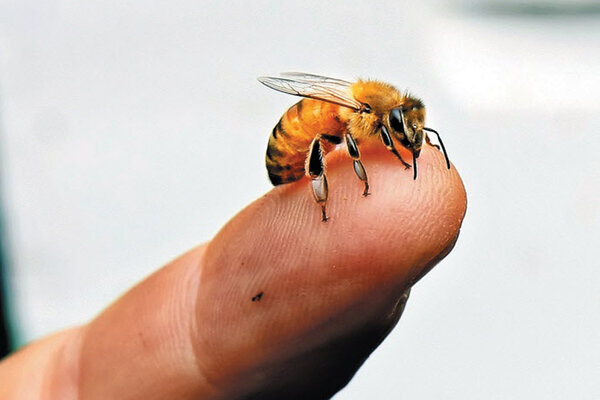 Are bees getting hooked on nicotine-laced pesticides?According to a new study, bees may be becoming addicted to nectar with traces of pesticides that contain nicotine.
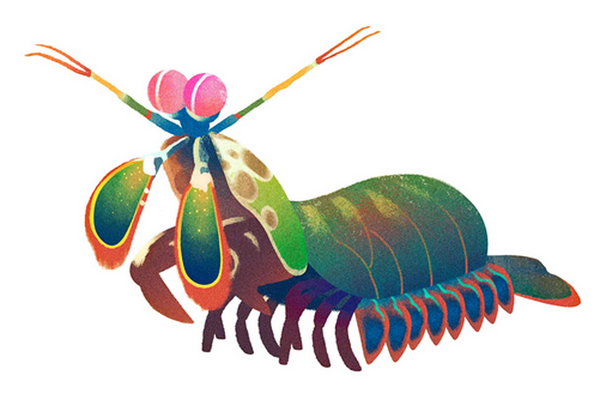 Why did Google choose those animals for its Earth Day quiz?For its Earth Day quiz, Google chose to highlight some of the Internet's favorite wild animals.
 For Earth Day, 10 places to visit before it's too lateHuman activity is imperiling many places on Earth. Here are 10 that, unless humans change their behavior, could soon vanish.
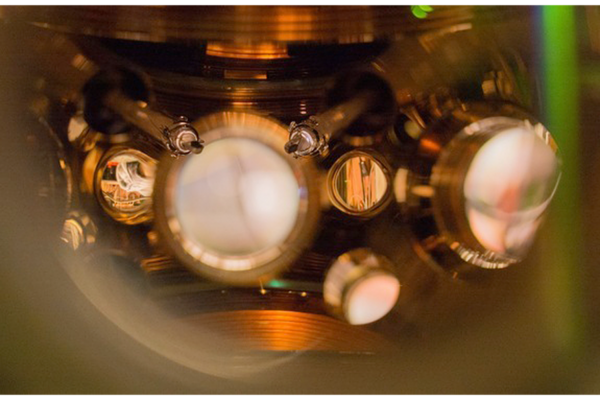 New atomic clock accurate for next 15 billion yearsA strontium clock developed by a joint institute of聽National Institute of Standards and Technology and the University of Colorado, Boulder, is designed to neither gain nor lose a second until the universe is twice as old as it is now.
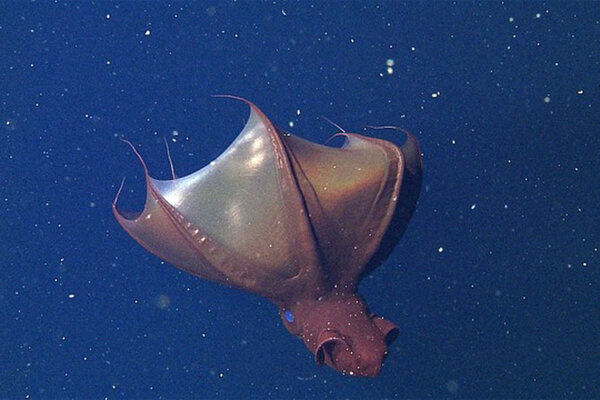 Vampire squid lurks in dark waters, lives longer than we thoughtFor the first time, researchers describe the reproductive strategy of the elusive vampire squid.
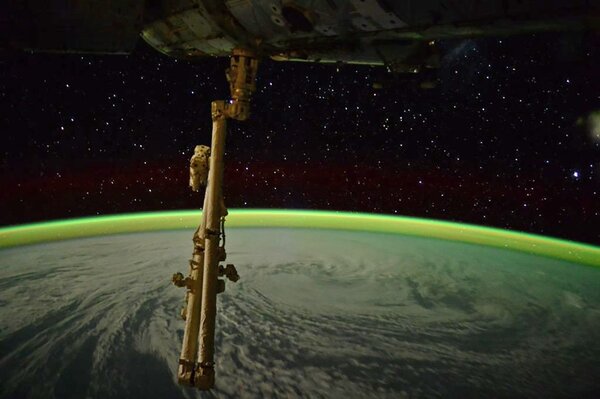 Science NotebookEarth Day for space fans: What makes our planet unique?As of Earth Day 2015, NASA has discovered more than 1,800 planets outside of our solar system. Do you know what makes Earth different from so many other planets?
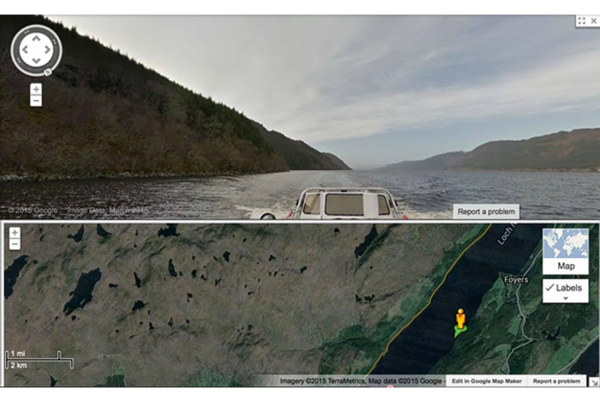
- In search of Loch Ness monster, Google maps Scottish lakeTo mark the anniversary of the iconic photo of what was said to be the Loch Ness Monster, Google has unveiled a detailed map of the Scottish lake.聽
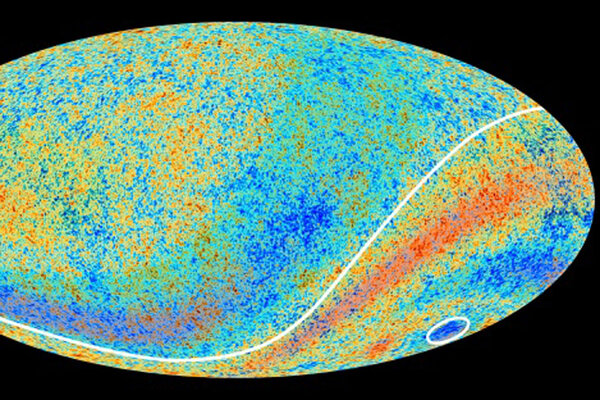 The largest structure in the universe is a whole lot of nothing, astronomers sayResearchers believe they have discovered the largest known structure in the universe, a 'supervoid' measuring some 1.8 billion light years across.
 Science NotebookWhy does Africa have so many languages?Studies show the African continent contains the highest genetic diversity of any place in the world, but whether or not that correlates to the highest variation in language isn't as clear.
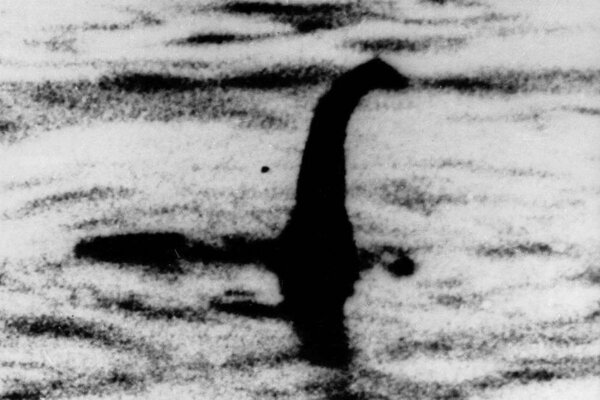 Loch Ness Monster photo: A case of plesiosaur pareidolia?Today's Google Doodle celebrates the famous 'Surgeon's Photo' purported to be of the Loch Ness Monster . Here鈥檚 how our brains trick us into believing we see things that aren鈥檛 there.
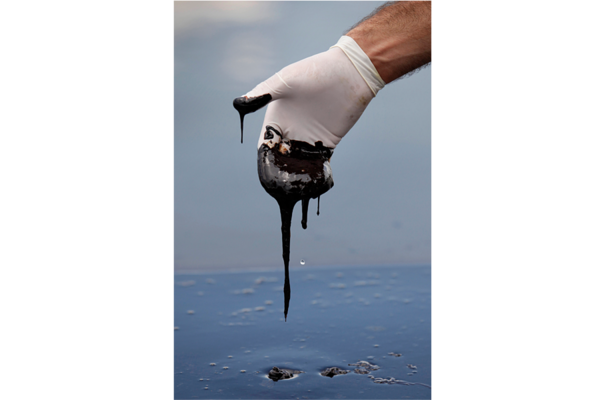 High-tech mesh separates oil from water, could help with oil spillsScientists at聽Ohio State University have developed a sieve that allows water to pass through but blocks oil, potentially creating a new way to clean up oil spills.聽
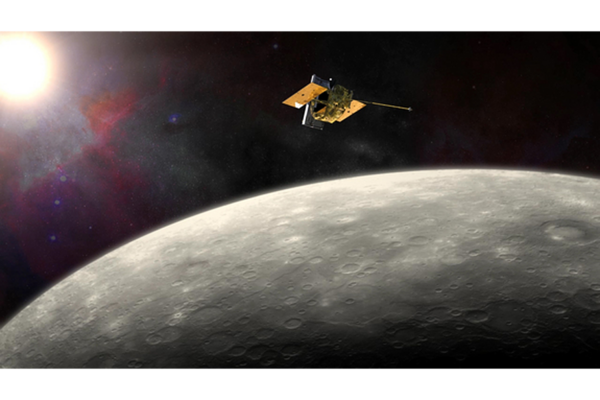
- NASA probe prepares for final plunge into MercuryAfter orbiting Mercury for the past four years, NASA's MESSENGER probe is nearly out of fuel.