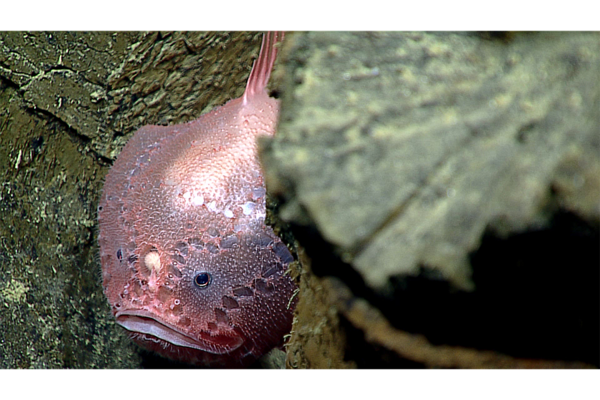
All Science
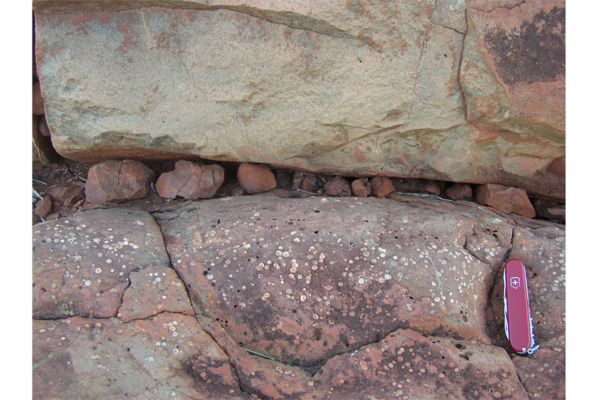 Early Earth's air was less than half as thick as it is today. Why does it matter?Scientists thought they had an explanation for the so-called 'faint young sun paradox' in our solar system's early history. But new research could turn that solution on its head.
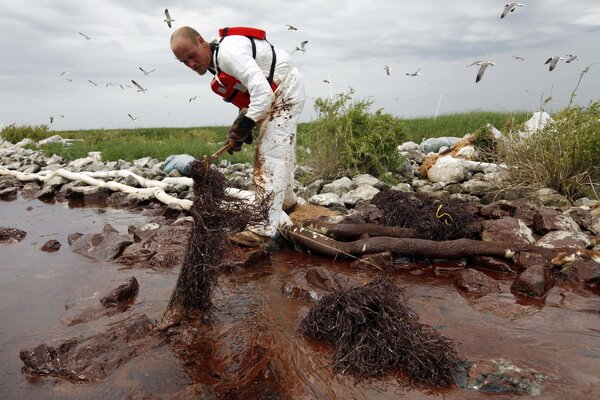 How an army of oil-eating bacteria can clean up the GulfIn a new study published Monday, a team of researchers say certain bacterial species can use their natural metabolism to efficiently clean up spilled oil.聽
 Pacific islands, shorelines disappear due to climate changeA recent study points to the connection between human-caused climate change and some erosion and shoreline recession in a Pacific Island archipelago.
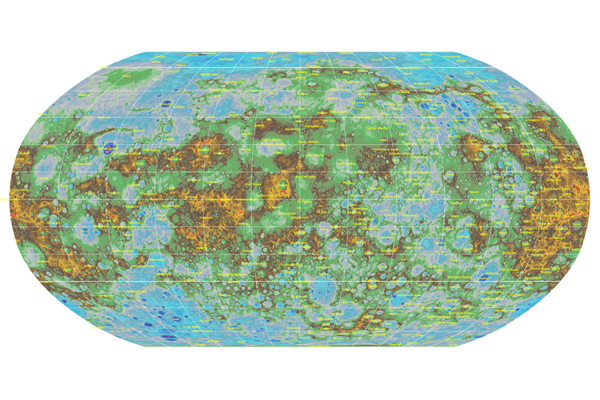 First LookAmazingly detailed topographical map adds textured view of MercuryResearchers from the US Geological survey combined more than 100,000 images to develop this first-ever topographical map of Mercury.
 First LookTechnology transfer: NASA opens vault of space-age patentsThe space agency has released more than 50 previously patented technologies that could be adopted by innovators to spur America's economy.
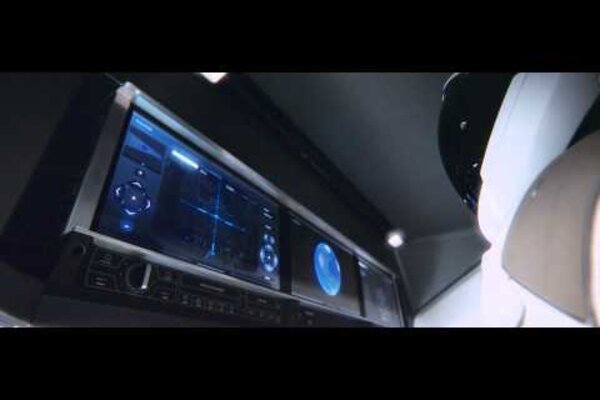 First LookSpaceX collaborates with Hollywood designer on spacesuits: will they work?The private space company tapped Jose Fernandez, who has worked on a variety of superhero movies, to create a concept for a '21st century spacesuit' that's now being reverse-engineered for use by astronauts.
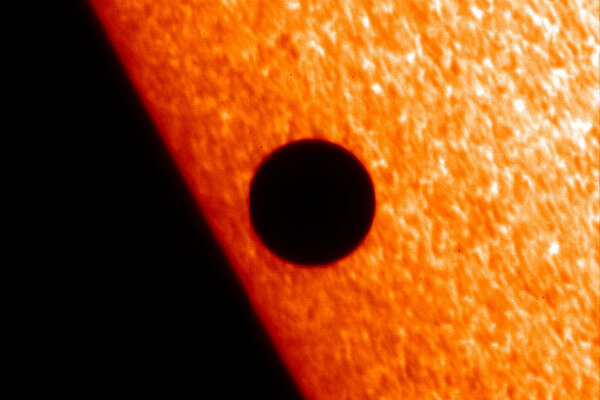 First LookWhy Mercury's transit across the sun is so specialThe littlest planet's journey isn't just a rare viewing opportunity for astronomers and amateur skywatchers.
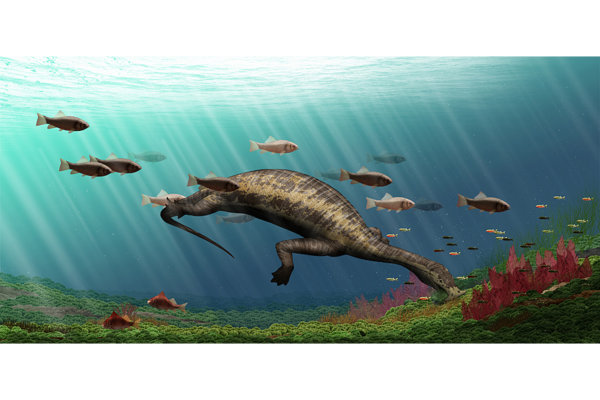 Ancient 'hammerhead' reptile had this weird way of eating plantsUnearthed in southern China in 2014,聽Atopodentatus unicus had a unusual way of feeding on plants on the ocean floor.
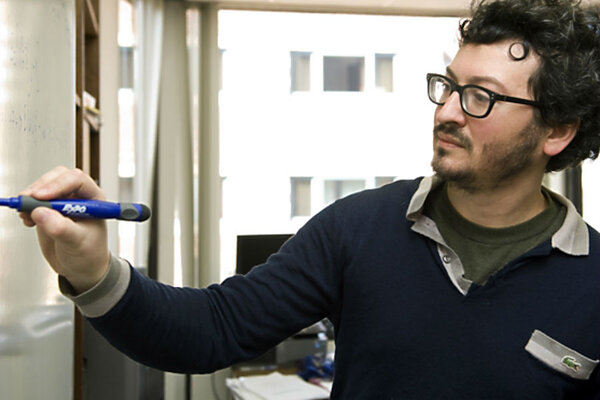 Differential equation prompts economist's removal from flightA University of Pennsylvania professor's American Airlines flight was returned to its gate, and he was questioned by security agents, after another passenger reported his working on differential equations as a suspicious activity.
- NOAA looks for answers in the mysterious Mariana TrenchIn a 69-day exploration of the deepest part of the Earth, NOAA wants the public to have a front row seat.聽
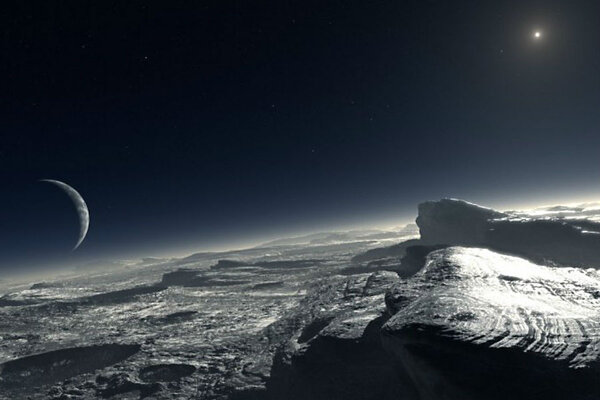 Pluto reconsidered: A planet? A comet? Or something else altogether?Astronomers studying the treasure trove of data yielded by NASA's New Horizons mission have found that Pluto's interaction with the solar wind is unique in our solar system.
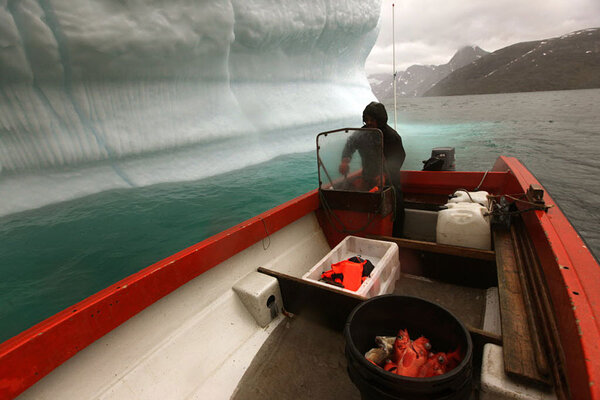 Can scientists hear Greenland's ice sheets melting?A new study of Greenland's ice sheet suggests researchers can monitor ice sheet melt 24/7 by listening to movement in the Earth's crust.
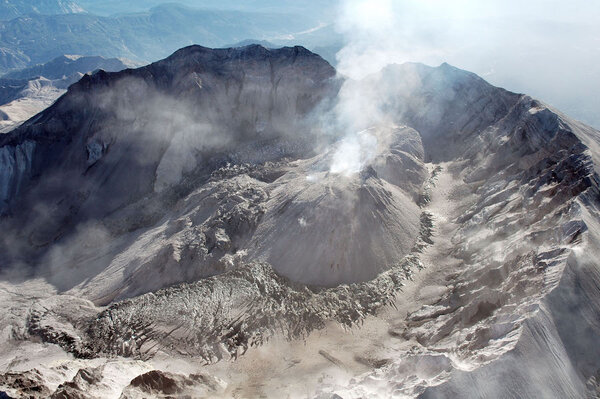 Rumbles heard from Mount St. Helens: Is another major eruption coming?Mount St. Helens erupted in 1980 and caused chaos. Rumblings have again been felt in the area as the massive volcano recharges its magma stores.
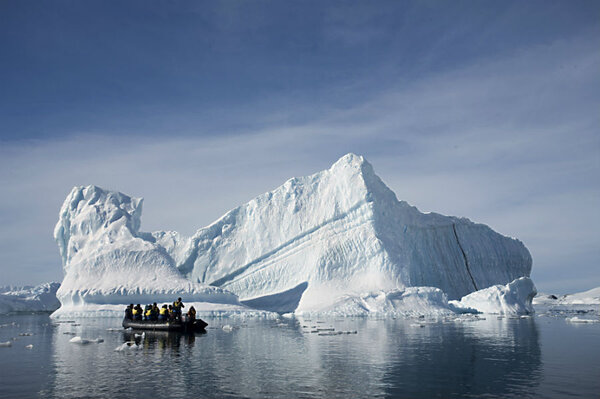 71-million-year-old fossils: Antarctica yields clues to last of the dinosaursAn international team of researchers recently spent seven weeks on the icy continent, trekking miles on their daily quest for 71-million-year-old fossils聽from the end of the Age of Dinosaurs.
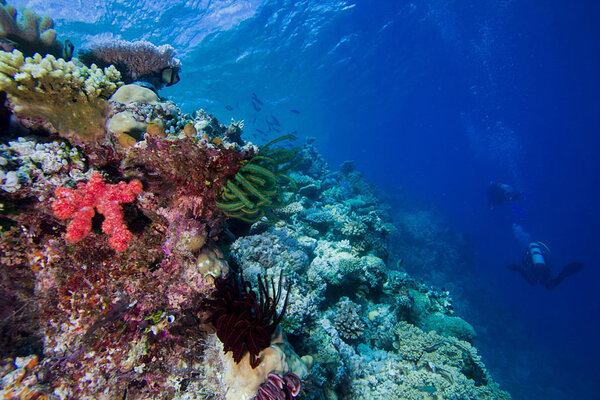 Why does coral reef diversity cluster in southeast Asia?Plate tectonics might have driven the movement of coral reef biodiversity over time, according to new research.
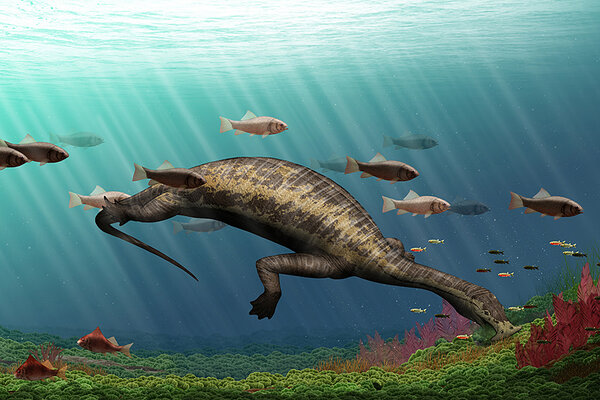 Was this hammerhead herbivore the ocean's first vegetarian reptile?Scientists working in southern China have uncovered two fresh fossils of an ancient marine reptile, providing compelling evidence of herbivorous habits.
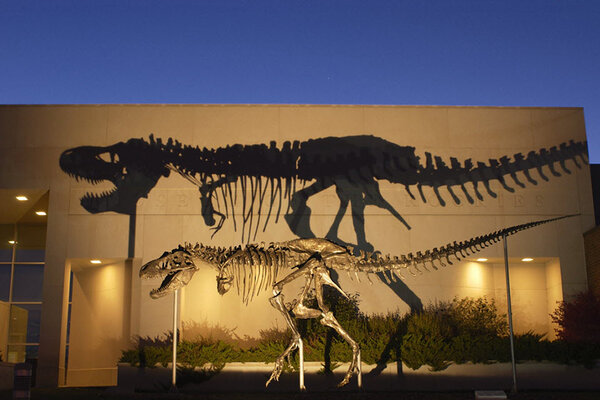 First LookCould mysterious 'peak ring' created by dinosaur-killing asteroid have held life?Researchers聽drilling into the Chicxulub crater have reached the first layer of the 'peak ring' of mountains buried deep beneath the surface.
 Just how supermassive is a supermassive black hole?Scientists studying a black hole in a nearby galaxy have devised a new method of determining its mass, far more precise than previous measurements.
 First LookFalcon 9 sticks second sea landing, another victory for SpaceXElon Musk's private spaceflight company continues to deliver. On Friday, a second rocket landed off the coast of Florida.聽
 Why we have dinosaurs to thank for today's dung beetlesA new study has linked the evolution of the dung beetle to dinosaurs, potentially altering our understanding of how the creatures survived and thrived in a post-dinosaur world.