All Science
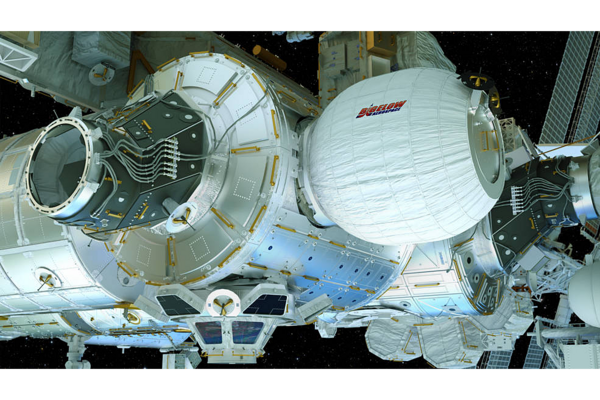
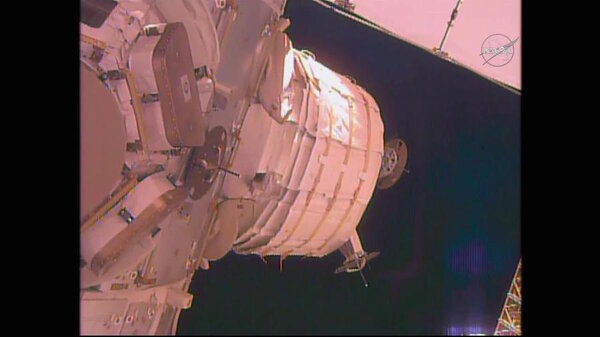 NASA plans deflate when expandable module inflation flopsNASA ran into an unknown issue while trying to inflate the 13-foot unit. Astronauts planned to test it over the next two years to determine if it could be used as a habitat.聽
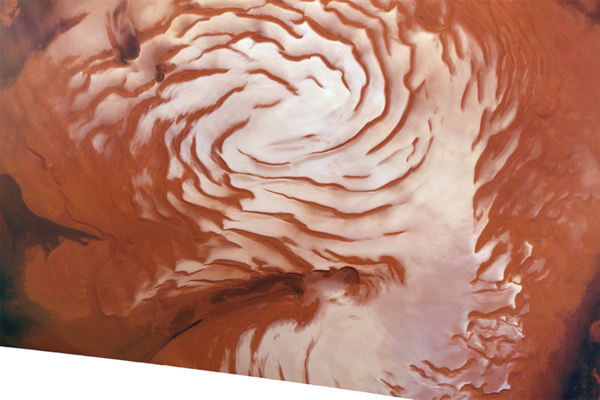 An Ice Age on Mars is ending, scientists say. Why is that important for Earth?Studying the Martian climate can help us better understand our own,聽say researchers.
 Is it time to redefine the second?New research shows that a previously impractical technology could help us keep better track of time. Will it change the definition of a second?
 First LookCloud seeding challenges our understanding of global warmingOne of the fundamental factors used in climate models 鈥� the reflectivity of clouds 鈥� has been investigated by three concurrent papers, and the findings have complex implications for our understanding of global warming.
 Do supermassive black holes squelch star formation?Scientists may have discovered the black hole-caused reason that quiescent, or inactive, galaxies remain dormant and don't produce new, young stars.
- Space station astronauts to test inflatable habitatNASA is scheduled to inflate the聽Bigelow Expandable Activity Module to the experimental habitat's performance in orbit.
 Mysterious cave edifice suggests Neanderthals were complex cavemenSomeone built mysterious structures using hundreds of stalagmites in an underground cave in southern France some 176,500 years ago. Scientists say it had to have been Neanderthals, which suggests they weren't the simple brutes as previously thought.
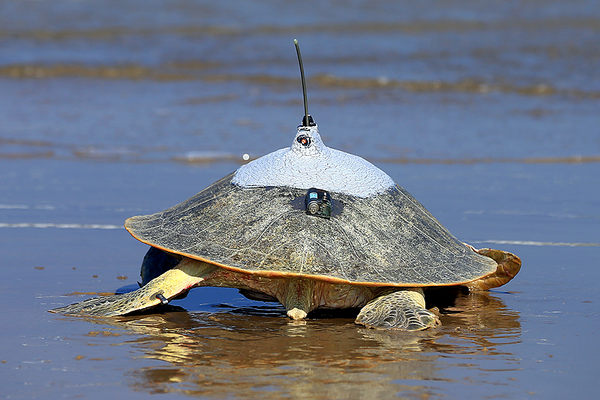 On World Turtle Day, how are the reptiles faring?This week sees the annual celebration of turtles. The challenges these creatures face are daunting, but there is much being done to boost their chances of survival.
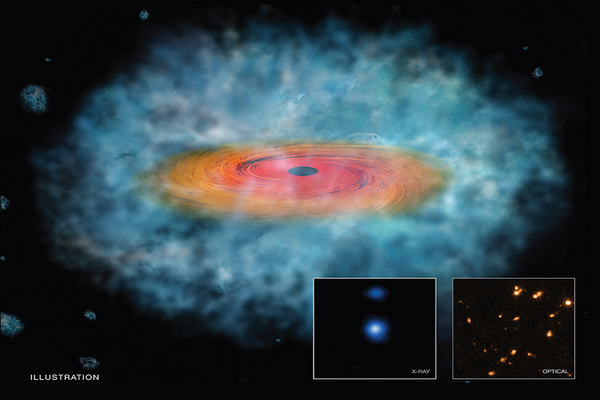 Did scientists just settle the debate over supermassive black holes?Italian astronomers argue black holes are born from the collapse of giant gas clouds, not stars.
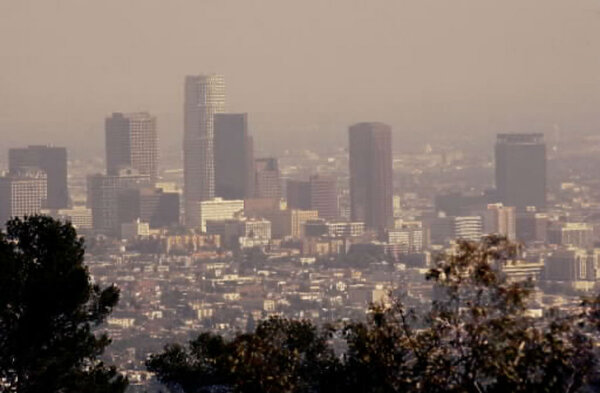 Urban air quality is getting worse, says UN. Can the trend be reversed?A United Nations report has found that urban air quality is declining, but outlines ways communities can help reduce pollution.
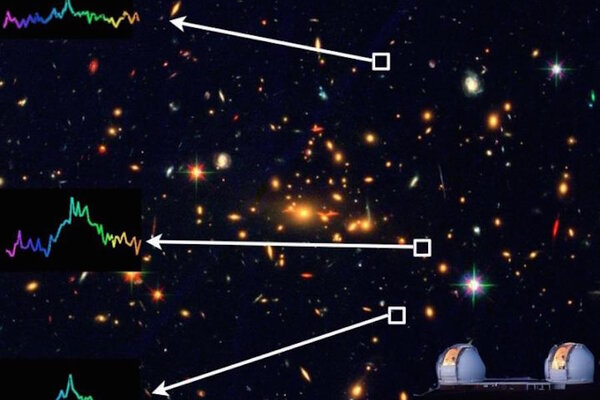 Faint, distant galaxy offers clues of a universe 'dark age'Researchers have discovered a faint, old galaxy located far, far away. Its existence could help scientists resolve the paradox of the 'dark ages' after the Big Bang.
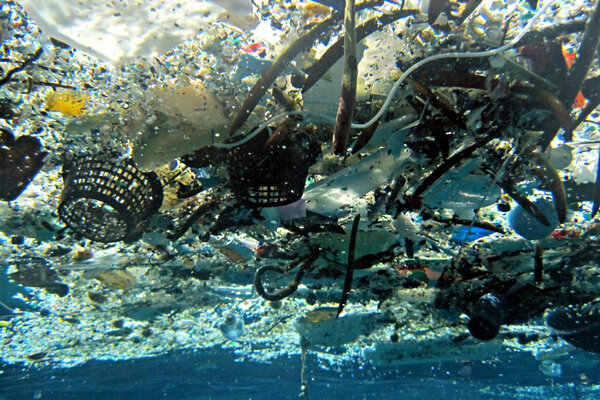 Is biodegradable plastic a big lie?On Monday, the UN issued a report on the state of plastics in the world's oceans, revealing that the term 'biodegradable plastic' may be a misleading misnomer.聽
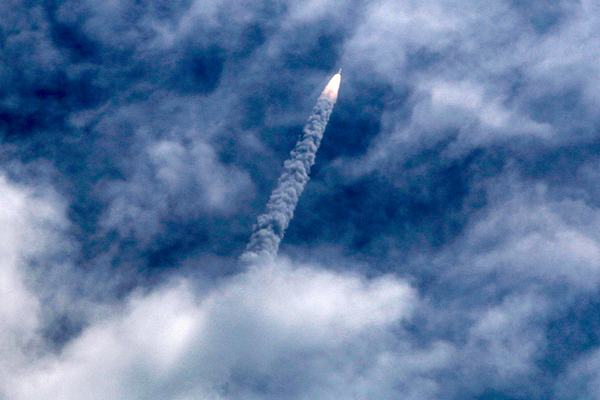 How India is quietly becoming a space exploration power houseA string of successes by India's space program is placing the south Asian country among the world's space superpowers.聽
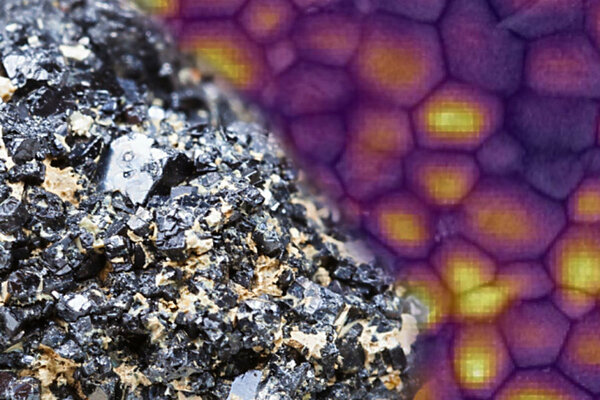 How intense light can 'heal' defective solar cellsA new MIT study sheds light on how defects in the crystalline materials used in solar cell films can be fixed by pushing away problematic ions using only bright light.
 First LookInspired by nature: First woman ever wins Millennium Technology PrizeFrances Arnold, a biochemical engineer, has won the prestigious Millennium Technology Prize for developing 'directed evolution,' a method to produce useful enzymes from renewable resources.
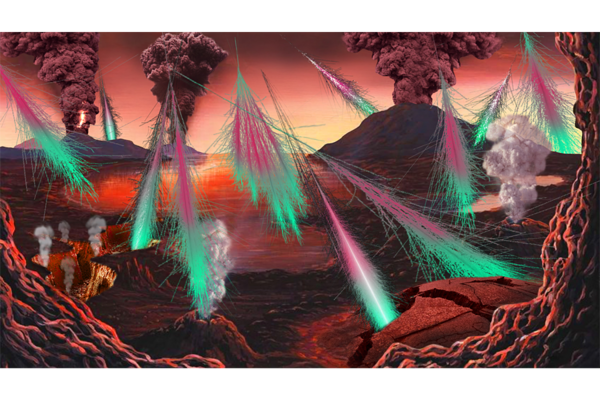 Did intense solar flares prime our planet for life?A new model suggests that the bombardment of charged particles, thanks to the active young sun, could have yielded conditions favorable to life on early Earth. If correct, it could solve a long-standing paradox.聽
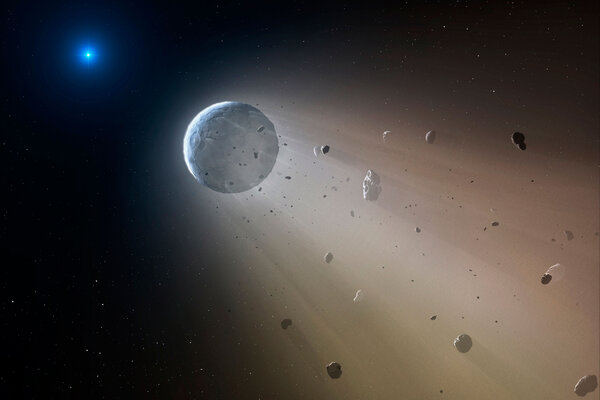 First LookBad science? Former Microsoft exec criticizes NASA asteroid data.Asteroids that buzz past Earth can be dangerous. NASA is trying to identify and track asteroids in an effort to predict and possibly deflect potential future impacts. But an outsider is criticizing their calculations.
 Did dinosaurs look less scary than we have imagined?A new study suggests that lips may have covered the sharp fangs that have come to be so characteristic of some dinosaurs.聽
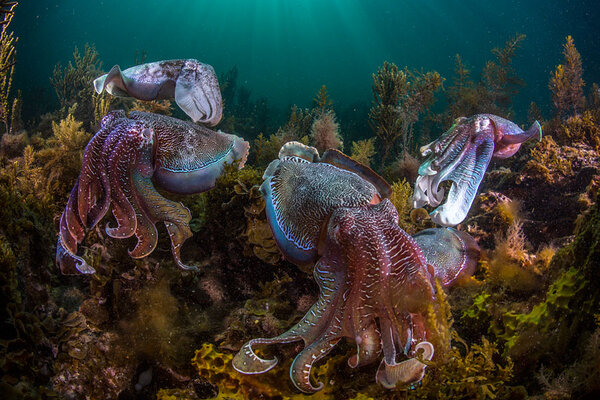 Squid, octopus, and cuttlefish are booming: Good news from the sea?Cephalopods have become more and more abundant over the past 60 years, say scientists. But what does that mean for the rest of the ocean?
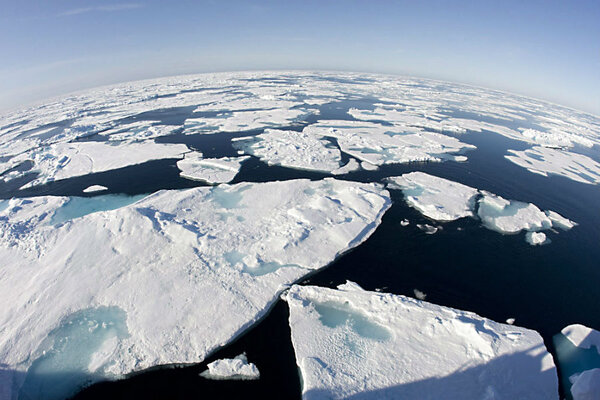 As Arctic sea ice melts, Antarctic sea ice grows. How does that happen?A NASA and NOAA study has provided scientists with a new explanation for the persistent growth of sea ice around Antarctica, while inverse conditions in the Arctic contribute to ongoing melting there.