All Science
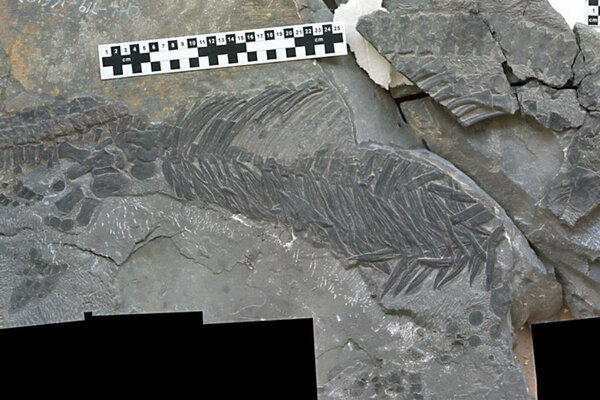 Weird dolphin-like fossil suggests reptiles evolved quicker than we thoughtWith their streamlined bodies, beak-like snouts, and powerful tail fins, most聽ichthyosaur species that existed at the time resembled today's dolphins.聽
- Sunday night, be dazzled by a bigger, brighter MarsMars is reaching its closest point to Earth in a over a decade, offering spectacular nighttime views.聽
 Google's new app helps anyone be a scientistWith its new Android app, Science Journal, Google hopes to encourage scientific interest among all ages and education levels.聽
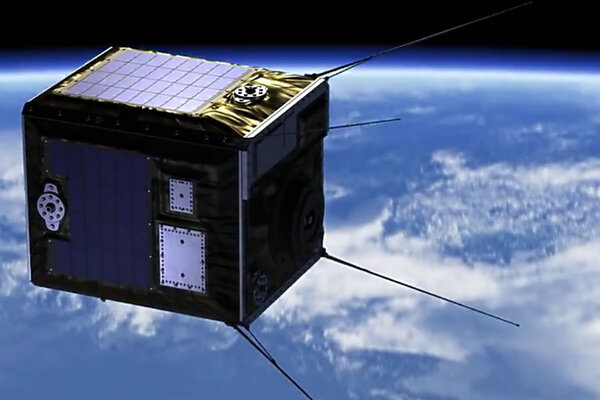 How a Japanese company seeks to create artificial meteor showerStar-ALE聽aims to put on a manmade meteor shower for the opening ceremonies of the XXXII Olympiad in Tokyo in 2020.
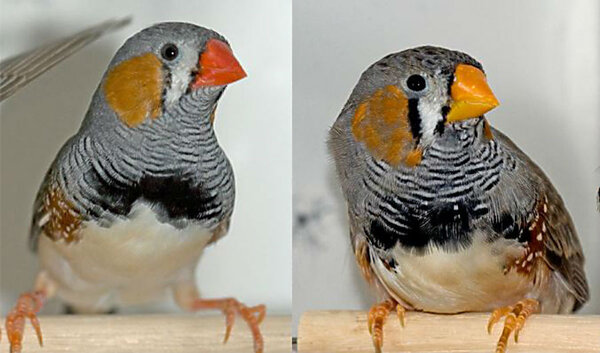 How did some birds become red? Scientists unravel clues.New research identified a genetic enzyme in birds that converts yellow pigments from their food into red pigments applied to their bills, feathers, and skin.
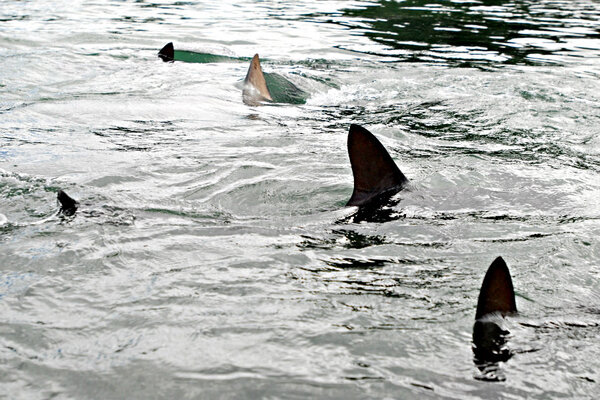 Aquatic answers: Why do sharks bite more people in Hawaii?Sharks and people are competing over vacation hot spots, scientists report in a new study of Hawaii's shark population.聽
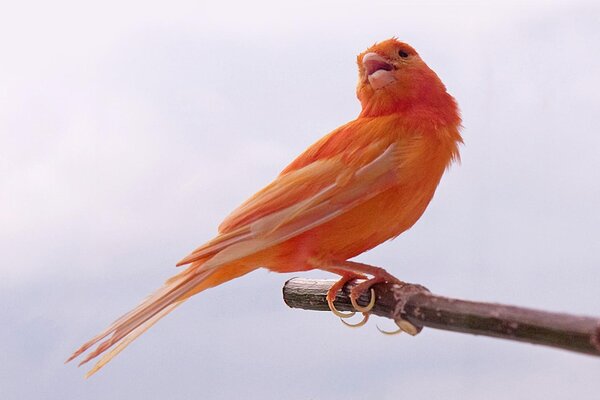 Why birds are red: Secrets of scarlet revealed in matching studies.Color me red: Bird coloring questions have intrigued evolutionary biologists for decades. Now, two separate studies have reached identical conclusions.
 First LookAmazing Mars portrait: How did Hubble get that detail?A new picture of Mars shows close details of its surface in breathtaking detail.
 First LookWhy Obama wants 'Kid Science Advisors'President Obama is asking children around the country to submit their best science ideas for a new advisory committee, which seeks to raise awareness about STEM education.
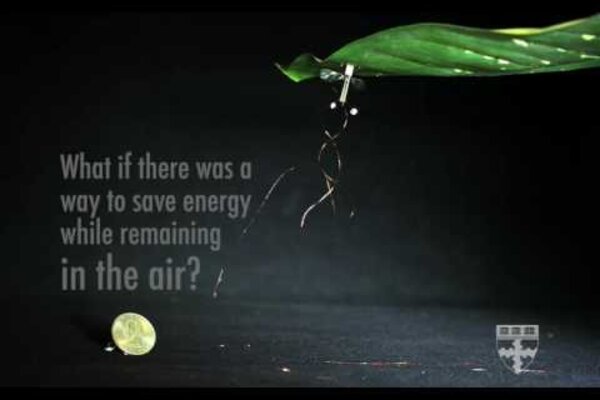 What can tiny robot bees do for us?A new microrobot called the RoboBee uses static cling to perch on objects where no tiny robot has perched before, greatly expanding its operational life.聽
 First LookShhh. Even trees need their zzzzz's, scientists sayResearchers in Finland and Austria have found that trees 'sleep,' responding to changes in light and temperature at night.
 Out of Africa 鈥� and back again: When did humans return to Africa?Researchers have found evidence of a back-migration into Africa in the DNA of a 35,000-year-old skull found in Romania.
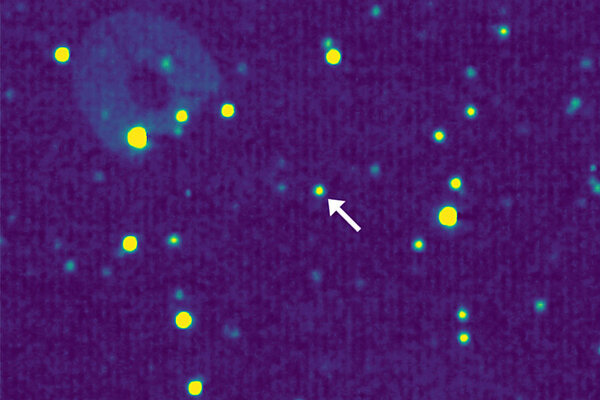 Beyond Pluto: What New Horizons found in the Kuiper BeltThe NASA probe, New Horizons, recently caught the 90-mile 1994 JR1 on camera, giving scientists more insight into its location on the outer edge of the solar system.
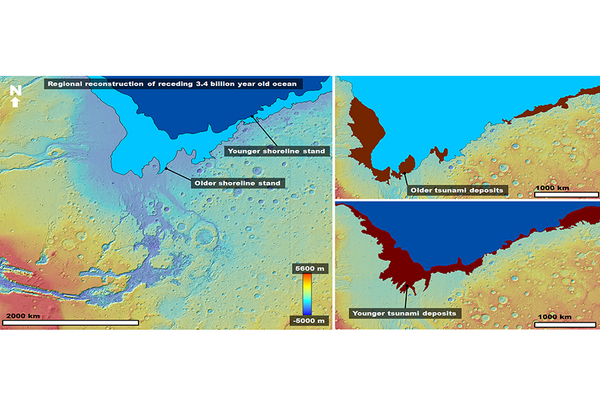 Mega tsunamis on Mars? Evidence boosts idea of ancient oceansA new study suggests there's evidence that at least two mega tsunamis formed on the Red Planet, which helps support the controversial case for ancient oceans there.
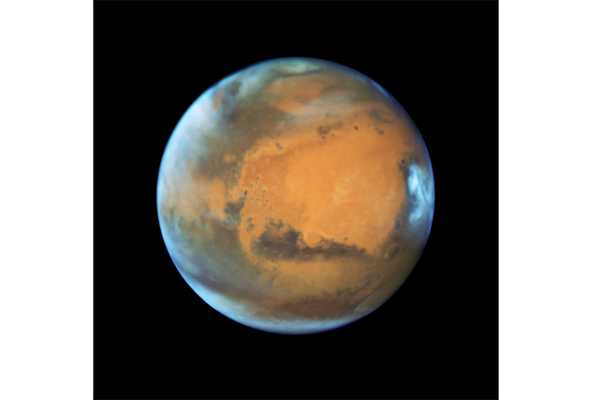 Mars illuminated in sunlight ahead of Mars oppositionMars and the sun will be opposite sides of the Earth this Sunday, which puts the Red Planet in position to be the subject of Hubble Space Telescope's eye.
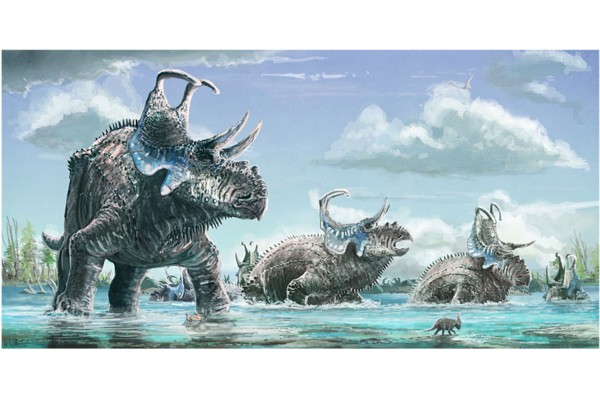 Two new species of horned dinosaur discovered. Why the dino diversity?Scientists have identified two new relatives of Triceratops that roamed North America.
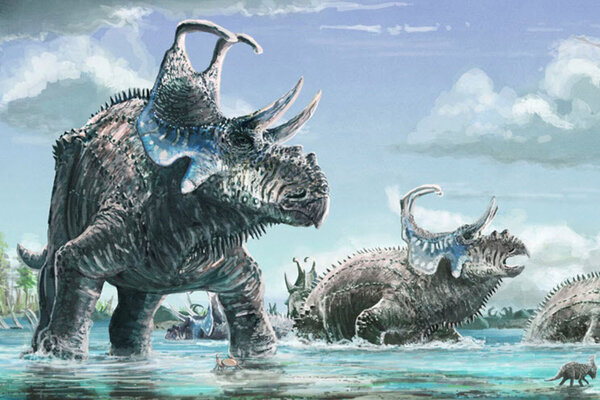 Newly discovered dinosaur duo sported exotic spikes and hornsBoth聽dinosaurs were members of a group called ceratopsians that included the well-known Triceratops. Scientists found them in Montana and Utah.
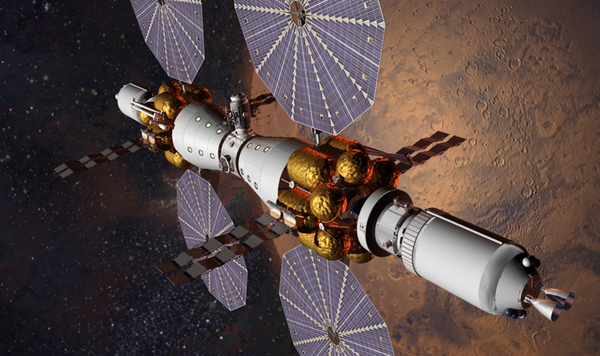 Lockheed Martin set to build orbiting Mars Base Camp by 2028The lab would orbit the Red Planet with six astronauts onboard studying Mars in real-time in preparation for landing humans on its surface.
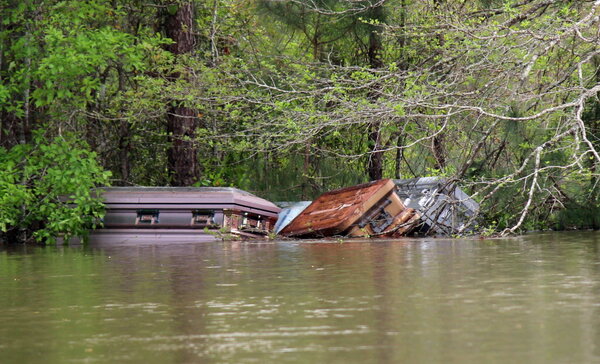 How fast is New Orleans sinking? Faster and faster, says new studyWith rising sea levels more coastal communities are coming to terms with the long-term effects of hotter global temperatures.
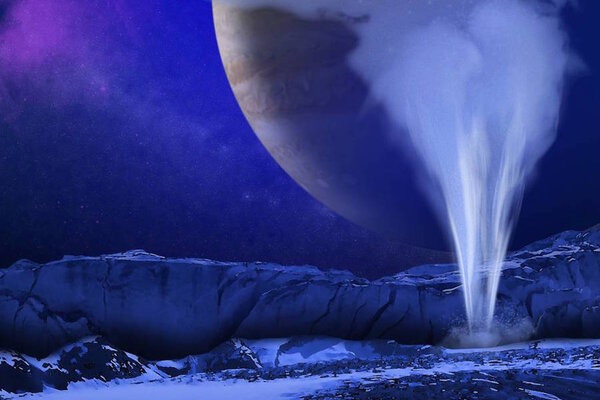 Could Europa's ocean be a hotspot for life? Here's why.A new study finds more evidence that suggests one of Jupiter's moons, Europa, has the capacity to host life.聽