All Science
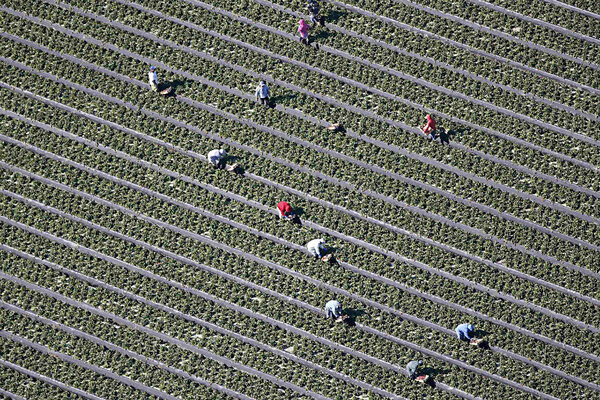 How will rising temperatures affect the world's workers?A new UN report suggests that, as global surface temperatures continue to rise, outdoor workers will face greater challenges.
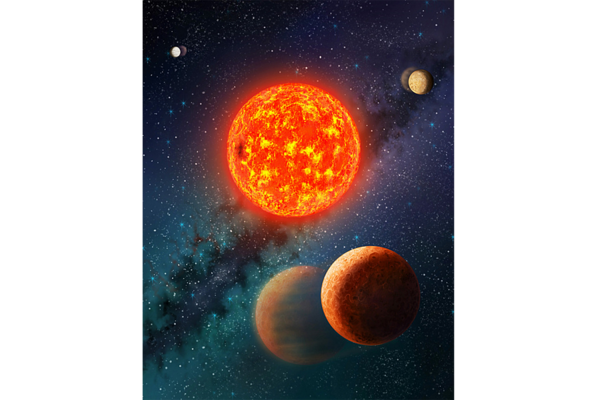 Are we the only intelligent life in cosmos? Probably not, say astronomers.Alien life: A new paper shows that the discoveries of exoplanets, plus a revised Drake's equation, produces a new, empirically valid probability of whether any other advanced civilizations have ever existed.
 How to train your robots: Elon Musk's new AI gymOpenAI, a research non-profit backed by inventor Elon Musk, is building an open-source gym for computer programmers working on artificial intelligence.聽
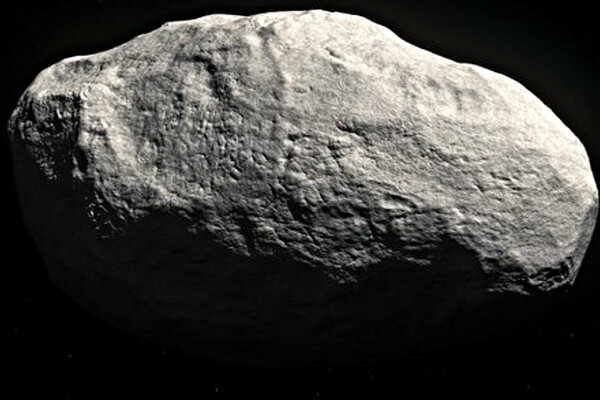 This newly-found 'Manx comet' is missing its tail. Why?Tail-free comet: A piece of the early inner solar system 鈥� maybe even early Earth 鈥撀爓as flung out to the Oort Cloud and has only now found its way back, say scientists.
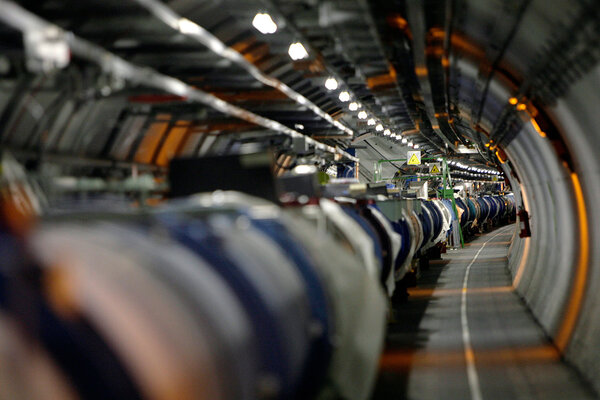 First LookWeasel shuts down Large Hadron ColliderThe Large Hadron Collider - the world's largest particle collider - suffered another animal-related mishap when the furry critter crawled into the system's transformer, causing an electrical short.
- Watch NASA's high-quality video of the solar flareNASA unveiled a new video this week of a solar flare, an event that is normally outside the visible range for humans.聽
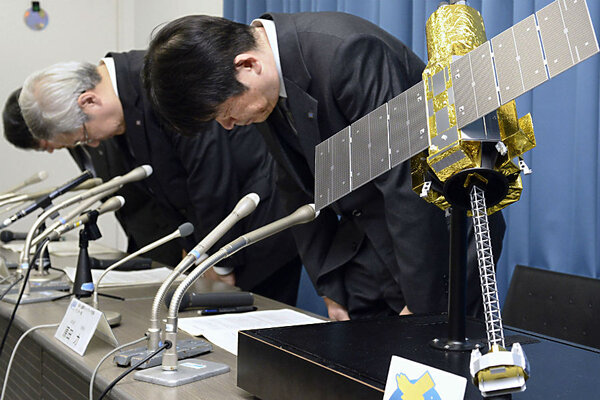 Why Japan gave up on fixing lost satellite HitomiThe end of the mission is a blow to astronomers who had hoped Hitomi's mission could shed shed light on black holes.
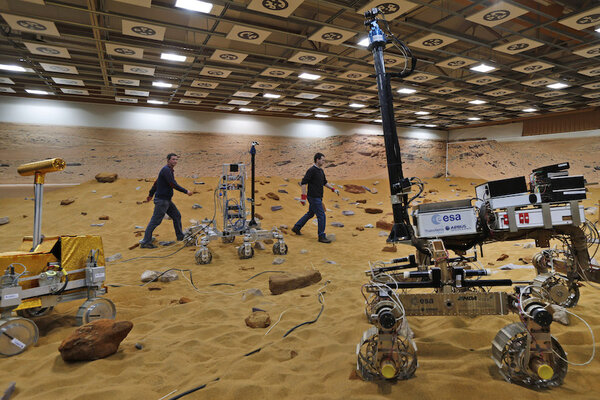 Tim Peake's next challenge: Driving a rover from spaceOn Sunday astronaut Tim Peake ran a marathon in space. Now he is being tasked with driving a rover on Earth from space to potentially aid future exploration on Mars.
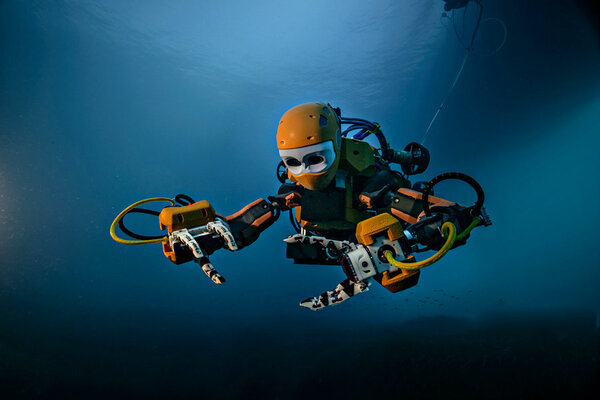 A new 'robo-mermaid' can hunt for deep-sea treasure with a delicate touchOceanOne, a humanoid diving robot developed by聽Stanford University professor Oussama Khatib, has the ability聽to explore depths of the ocean unsafe for humans to explore.
 How this French satellite could 'shake the foundations of physics'A team of French scientists launched a satellite on Monday that will test an element of Albert Einstein's famous General Theory of Relativity.
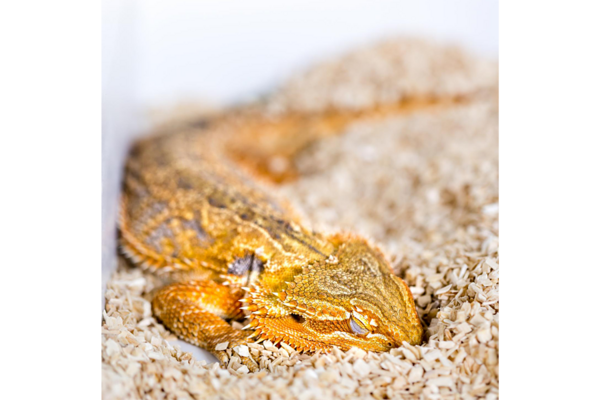 Slumbering 'dragons' hint at evolution of human sleep patternsResearchers find that lizards have the same sleep patterns as mammals and birds. And the sleeping Australian bearded dragons,聽Pogona vitticeps, suggest something about how and when these patterns evolved.聽
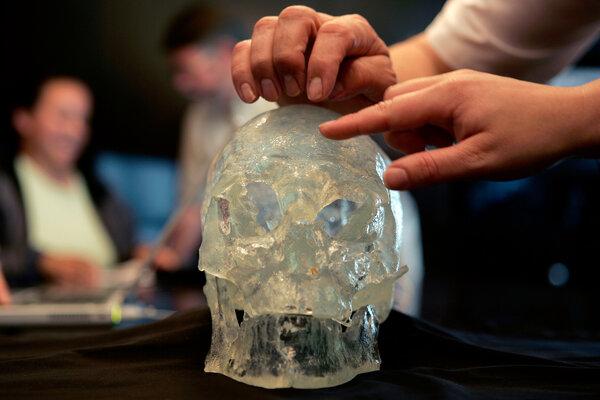 First LookAt 9,000-years-old, 'Kennewick Man' can now get native American burialAfter a long debate, the US Army Corps of Engineers decided Wednesday that DNA analysis proved a controversial, 9,000-year-old skeleton is related to native Americans and can be buried by their customs.聽
 Decreasing ocean oxygen levels could be catastrophic, scientists sayA new study by researchers at the National Center for Atmospheric Research finds that ocean oxygen levels are decreasing due to climate change, and that the effects will only get worse as the ocean warms.聽
 AI upgrade from MIT, Northeastern gets NASA robot ready for spaceThe universities will work with NASA on a research and development project to improve two prototype robots, who could demonstrate humanoid robots' use for space missions.聽
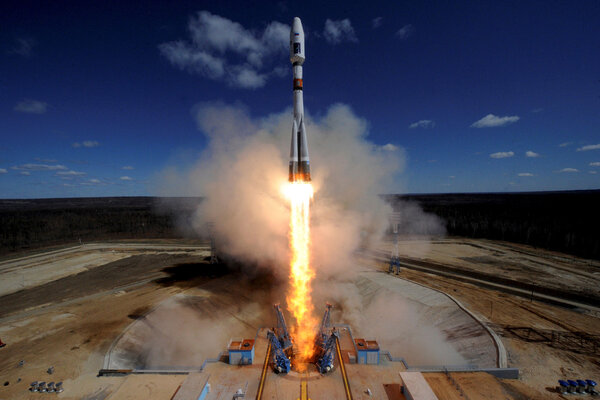 First LookRussia launches first rocket from troubled new cosmodromeThe launch is a point of success for Russia's challenged space industry.
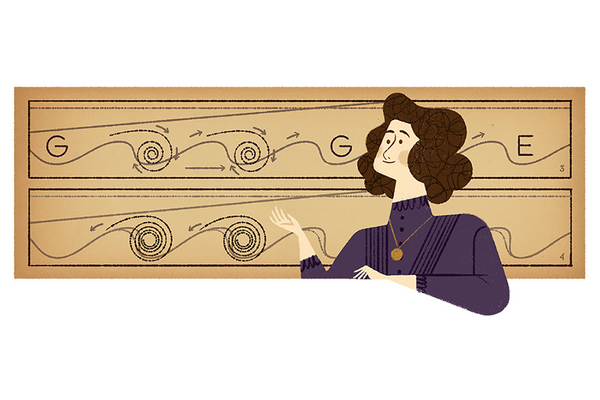 First LookHow Hertha Marks Ayrton made ripples in math and women's rightsThe influential mathematician and scientist was also a prominent figure in the British suffrage movement and a staunch advocate for women's work to receive due credit.
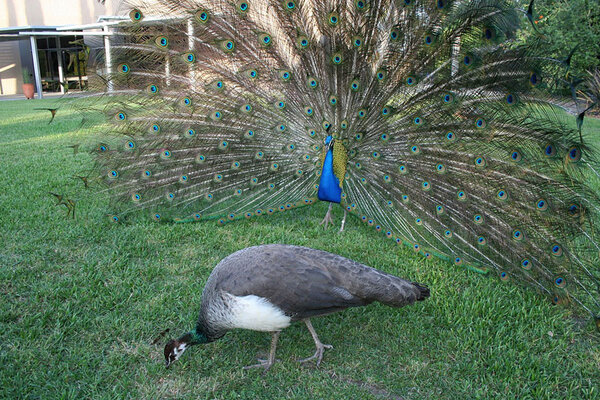 Peacock-feather physics: How this "train-rattling" display might woo potential matesWhen a peacock wants to attract a mate, he shakes his tail feathers聽鈥� but that's not as simple as it sounds, scientists discovered.
- How will James Webb telescope outshine Hubble?To be launched in 2018, the James Webb wil be the most powerful telescope in history, able to see back into the earliest days of the universe.聽
 Massive hidden lake may run deep beneath AntarcticaNew data could confirm the existence of a large lake and canyon system running beneath part of Antartica.
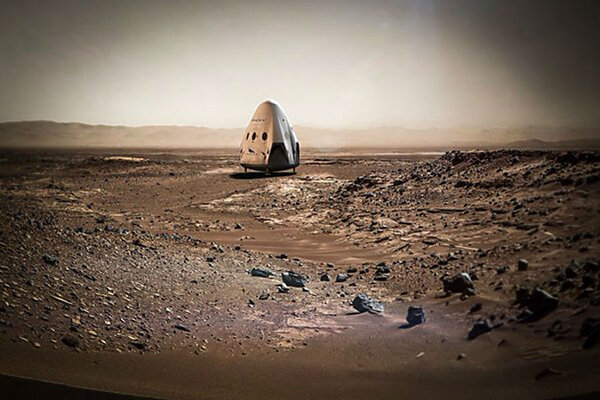 First LookMars or bust: Can SpaceX really get to Red Planet by 2018?Elon Musk's private space exploration company has set an ambitious timeline for reaching Mars.