All Science
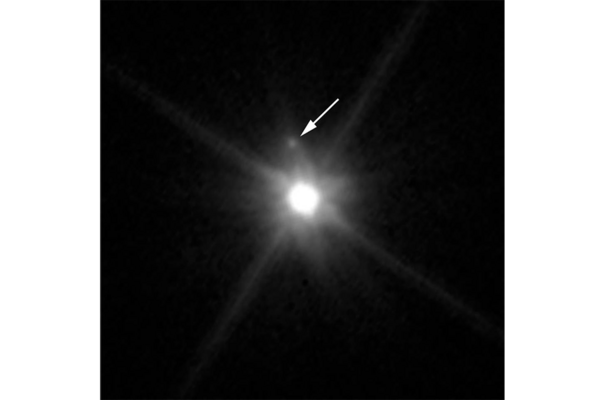 Hubble spots a tiny moon orbiting Pluto鈥檚 little sister, MakemakeAstronomers are discovering more about Makemake, a Pluto-like dwarf planet in the outer reaches of our solar system.
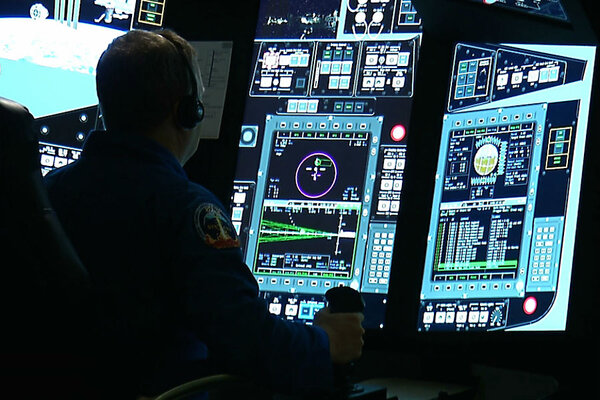 First LookNASA astronauts take Boeing shuttle simulator for test driveNew Boeing spaceflight simulators are allowing NASA astronauts to run through every aspect of trips to the International Space Station ahead of planned 2017 launches.
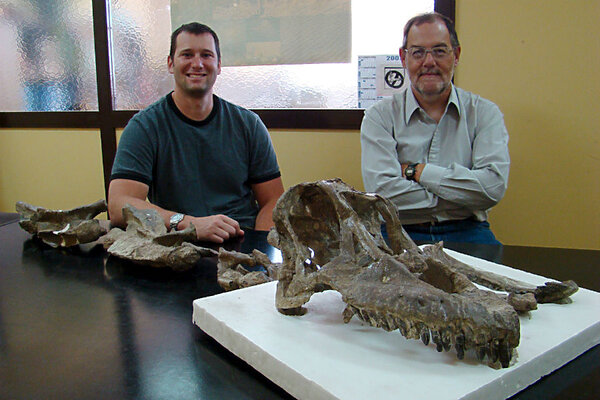 First Look'Once in a lifetime' dino find yields new titanosaur speciesA well-preserved skull and several vertebrae of a newly discovered sauropod聽could provide scientist with more information on the creature's life and relation to other dinosaurs of its time.
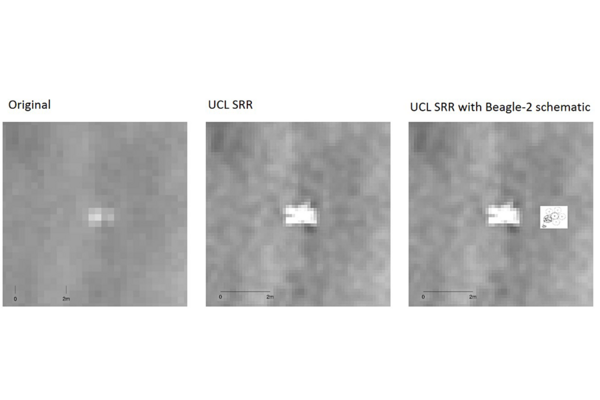 'Computer vision' brings Martian surface into stunning reliefUsing the Super-Resolution Restoration technique, researchers at University College London have been able to zoom in on the surface of Mars in greater detail than ever before.
- First LookNew imaging method sharpens focus on lost Beagle 2 Mars landerScientists have developed a new technique that could help spot smaller details on the surface of Mars.
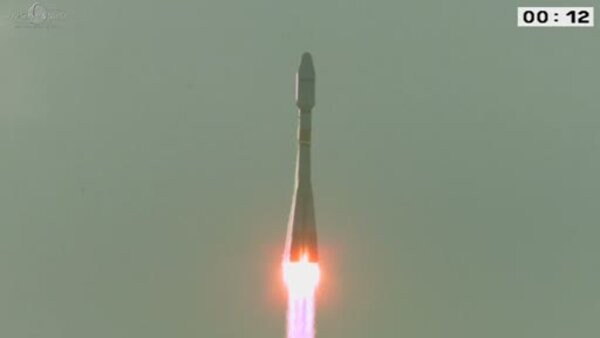 First LookSecond ESA satellite completes Earth-mapping Sentinel constellationThe European Space Agency's Sentinel-1B joins its twin, Sentinel 1-A, in orbit around the Earth. Together, the satellites will create a full map of the entire Earth every six days.
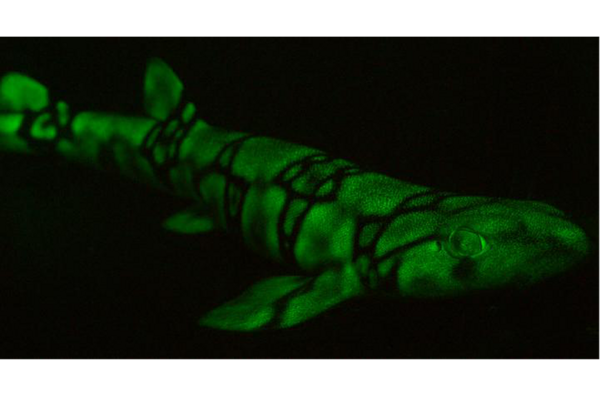 First LookThese sharks glow brilliant green in the dark ocean depthsResearchers look through a 'shark-eye' camera to understand biofluorescence.
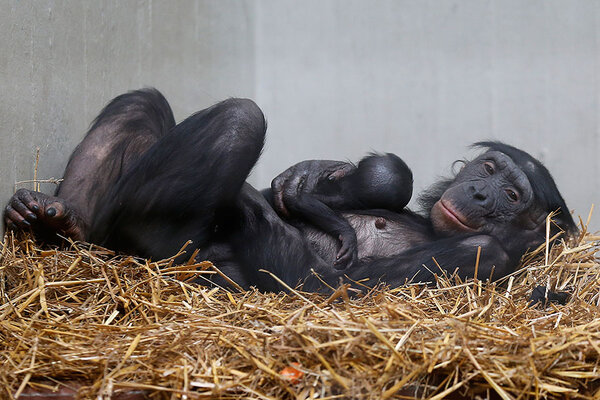 Science NotebookAnimal smarts: A Q&A with primatologist Frans de WaalIn an interview, the famed Dutch biologist discusses themes of animal cognition, empathy, and morality 鈥� subjects he explores in his newest book,聽"Are We Smart Enough To Know How Smart Animals Are?"
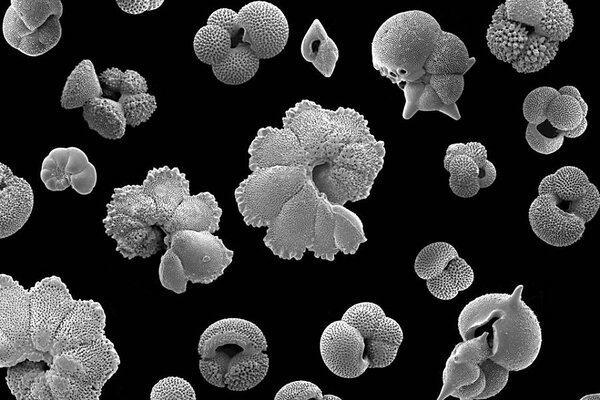 What can the Eocene epoch teach us about today's global warming?By delving into the mysteries of Earth's climate 50 million years ago, scientists hope to understand how our planet may cope with global warming, providing independent insight into today's climate models.
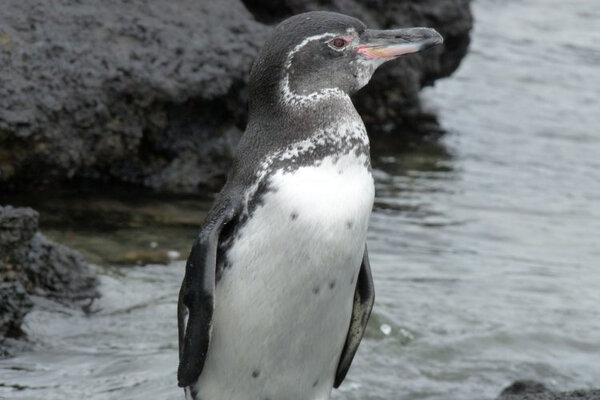 First LookOn World Penguin Day, some cause for celebrationThey're cute, charming, and quirky, and in some parts of the world, the birds are getting the love they deserve.
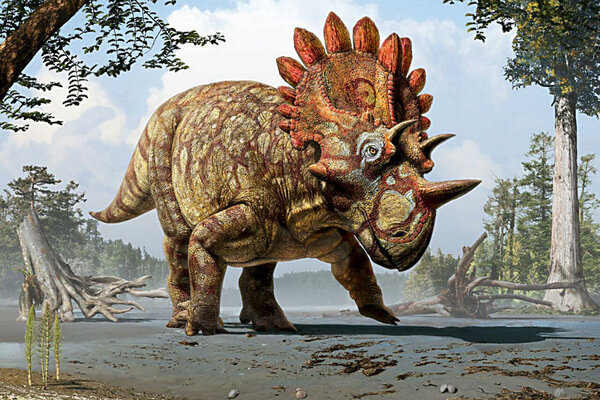 Did something drive Cretaceous-era dinosaurs out of Europe?A recent cross-mapping study based in network theory revealed ongoing migration patterns among dinosaur families even after the continental breakup of Pangaea, and that many dinosaurs appeared to flee Europe during that period.
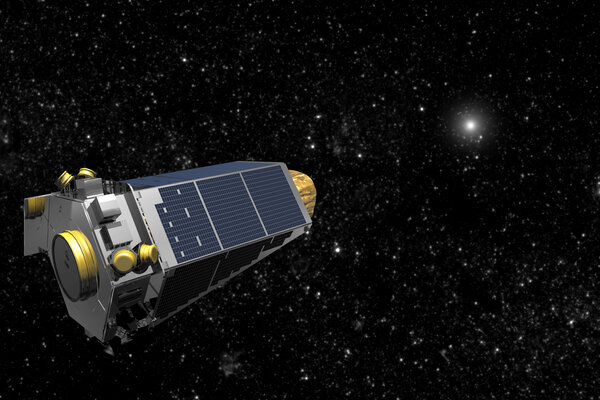 First LookKepler gets back to work after 'emergency mode' scareNASA's telescope recently set itself in emergency mode, the first time it did so in its seven-year career. But it is now recovered and hunting for life outside our solar system.
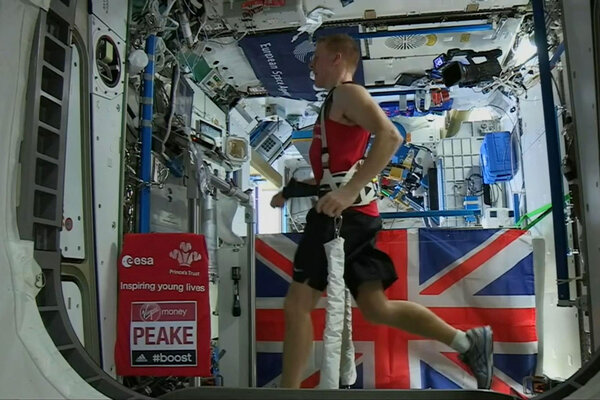 First LookJust another day on the ISS: Tim Peake runs marathon, breaks recordWith a harness and bungee system that weighed him down and kept him strapped to the treadmill, the British astronaut completed the race in 3聽hours, 35 minutes and 27 seconds, winning a world record.
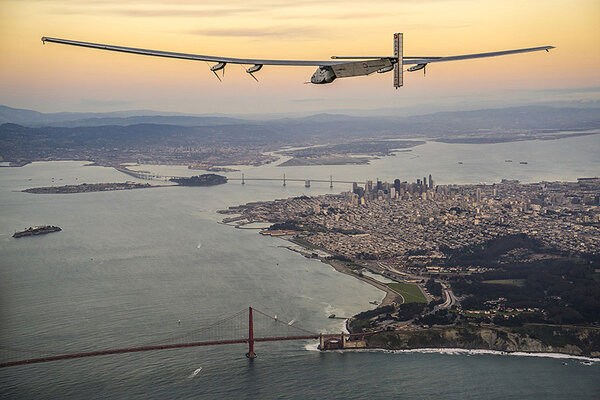 Solar-powered aircraft, Solar Impulse 2, completes trans-Pacific flightA plane, powered only by the sun, completes the 9th leg of a worldwide trip meant to bring attention to the promise of clean technologies.
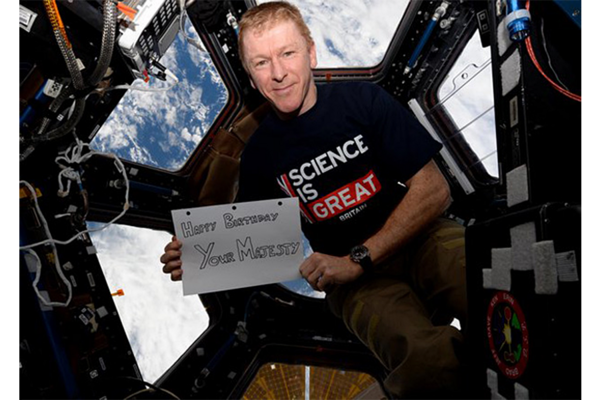
- Queen Elizabeth II receives birthday greeting from spaceTim Peake, the United Kingdom's first ESA astronaut, wished the monarch a happy 90th birthday from aboard the International Space Station.聽
 Pluto has mysterious, icy 'halo' craters. How did they form?The New Horizons spacecraft sent back images of halo-shaped craters on the surface of Pluto.聽
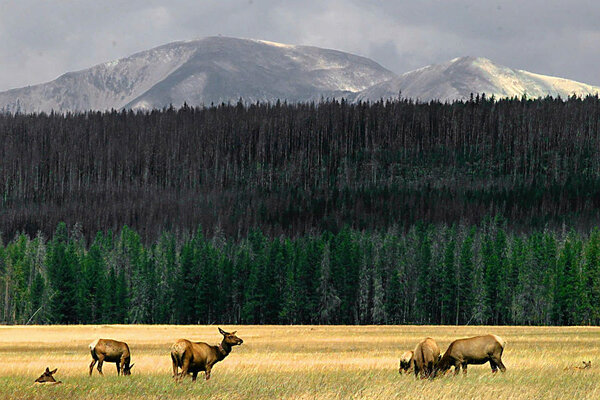 Scientists investigate deer that sounds just like a Nazg没lScientists have been investigating the eerie shrieks of the wapiti, an animal that produces cries far higher than a creature of its bulk should be able to.
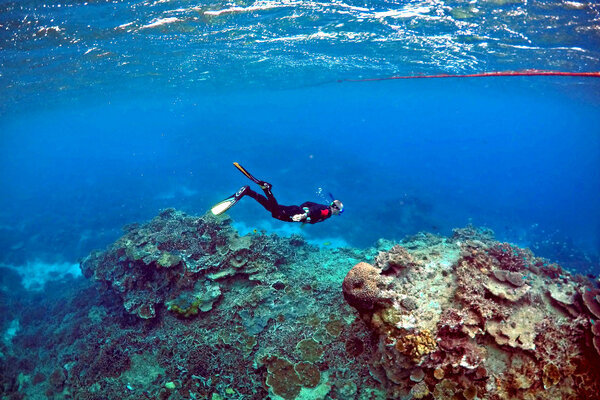 Surprise! Scientists discover coral reef at mouth of Amazon RiverScientists have discovered a coral reef in the muddy, sediment-filled waters at the mouth of the Amazon River.聽
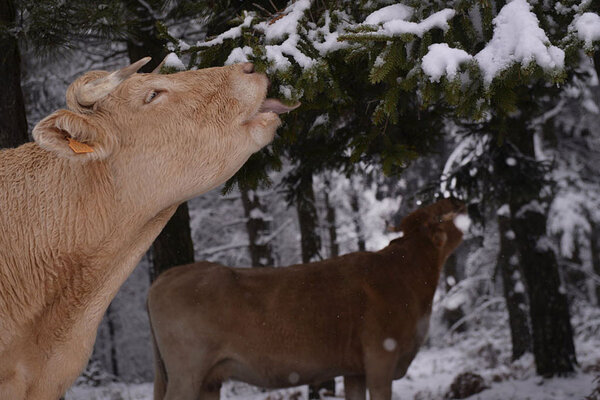 Could vegetarians save the world's forests?A growing global population means forests are under threat from expanding farms. But a small change in our diets could save many trees.聽
 First LookWhat's a 'pink moon,' anyway?It's not actually pink, but it is special in its own right.