All Science
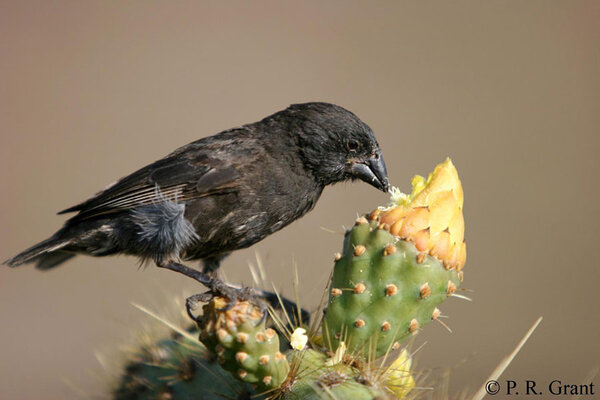 Darwin's finches are pecking their way through evolutionCharles Darwin observed finches in the Gal谩pagos while developing his theory of evolution by natural selection. Those finches' beaks are still evolving today, and scientists have identified a gene associated with their size.聽
- The path to flight takes legwork, say scientistsA new study has found a link between legs and wings in developing birds. The link could provide clues as to how dinosaurs evolved into flying birds.
 Friday night show: Lyrid meteor shower will blaze overheadIn one of the annual offerings of our night sky, the Lyrid meteor shower is set to peak Friday night. While the full moon may hamper efforts to watch it with the naked eye, viewers can also watch it live online.
 Are supernovae impacting Earth? Cosmic rays might offer clues.A new paper, in a spate of several recent ones on the topic, found a key radioactive form of iron in cosmic rays. It can be traced back to star explosions that happened a couple of million years ago near our solar system.
 Hubble captures a stellar blue 'Bubble' photo for its birthdayThe Hubble Space Telescope turns 26 this week and celebrated with an image of the Bubble Nebula.聽
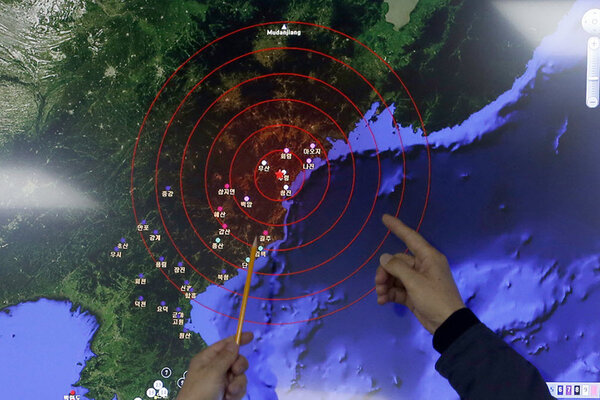 How an EU radar satellite shed light on North Korea's nuclear testData from the Sentinel 1-a satellite taken before and after the blast on Jan. 6 revealed both upward and downward movements of rock in the area where North Korea conducts tests, researchers found.
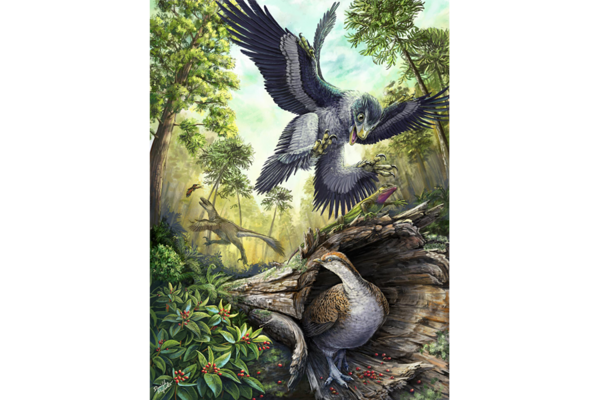 Did seeds help birds become the only living dinosaurs?Birds are the only living dinosaurs. How did they survive while others, including the fearsome Tyrannosaurus Rex, did not?
 First LookNot-so-tiny titanosaur babies hatched ready and raring to goA rare fossil from a titanosaur hatchling suggests the enormous dinosaur kept the same proportions throughout its life and needed very little help from its parents.
- Seismic networks can help fight fires. Here's how.Pairing high-definition cameras with microwave-based earthquake early warning networks can help firefighters pinpoint blazes without wasting resources or risking personnel.
 Did monkeys cross the ocean to North America?Scientists have unearthed monkey teeth that could significantly change the animals' migration history.
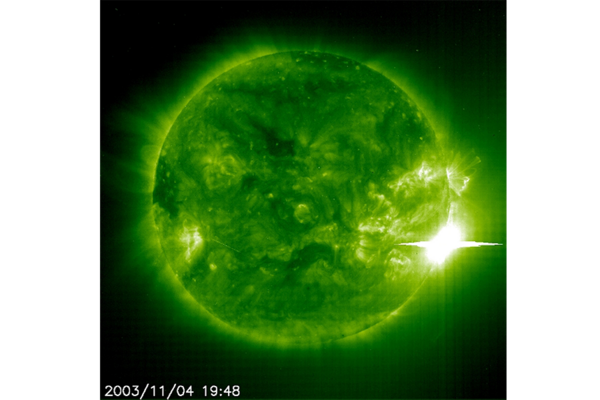 Can scientists predict dangerous solar flares? New research shows promise.Bursts of radiation from the sun can damage GPS systems and other communications technologies, so scientists are working on ways to predict when they're coming.
 Why US skies keep getting cleanerThe American Lung Association reports overall cleaner air in the United States, mostly because of changes inside coal-burning power plants and cleaner vehicle engines.
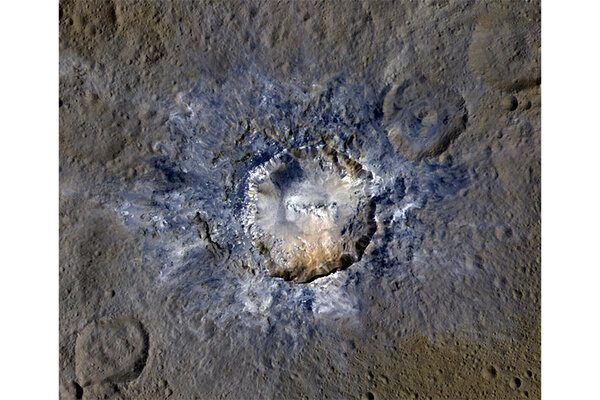 Bizarre crater on Ceres looks like a stop signNASA's Dawn spacecraft has discovered that Ceres, the largest body in our solar system's asteroid belt, sports an oddly shaped crater.
 108-year-old message in a bottle oldest ever foundA 108-year-old message in a bottle has been confirmed as the oldest ever found. The bottle is linked to a science experiment conducted over a hundred years ago.
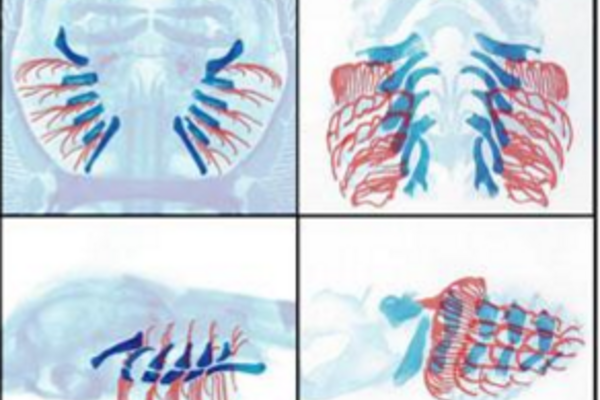 First LookFrom shark gills to human limbs? 'Sonic hedgehog' gene revives an old idea.Two researchers from the University of Cambridge say a sharks' gill arches, fins and limbs all share the same development gene, finally advancing a scientific hypothesis from over 130 years ago.聽
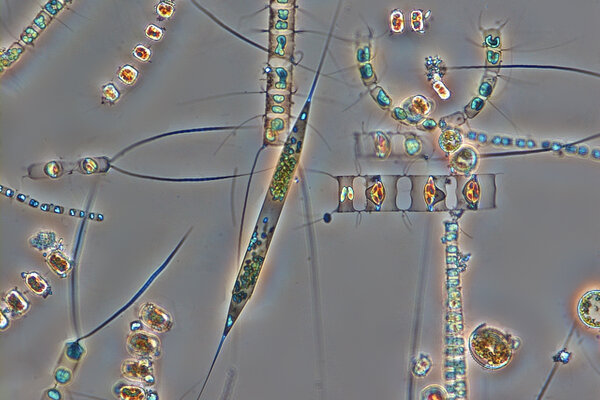 How fast ocean currents will help plankton survive climate changePlankton in surface water could move anywhere on the ocean's surface within 10 years, suggesting that perhaps the tiny creatures, the foundation of all marine ecosystems, can adapt to climate change.聽
- Gamma-ray discovery sheds light on gravitational waves, black holesAn unexpected light pulse emanating from deep in our universe at聽the same location where the recently discovered gravitational waves originated raises new questions about the nature of black holes.
 How a new imaging technique could make detecting nukes easierIf proven under real inspection conditions, the technique could significantly improve the ability to prevent the smuggling of dangerous nuclear materials.
 Which trees might succumb to drought? New method reveals clues.The study found that聽all the three traits that significantly predicted tree drought mortality are related to the hydraulics聽of how water moves through trees. 聽
 Why rising carbon dioxide may actually help some cropsResearchers reveal another effect of climate change and rising carbon dioxide levels: better growth potential and drought resistance for some crops.聽
