All Science
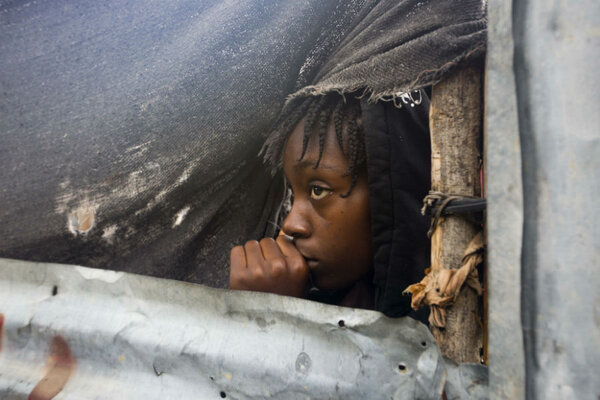 Hurricane Matthew slams Haiti. South Carolina starts evacuations along coastAt least seven deaths were blamed on hurricane Matthew during its week-long march across the Caribbean.
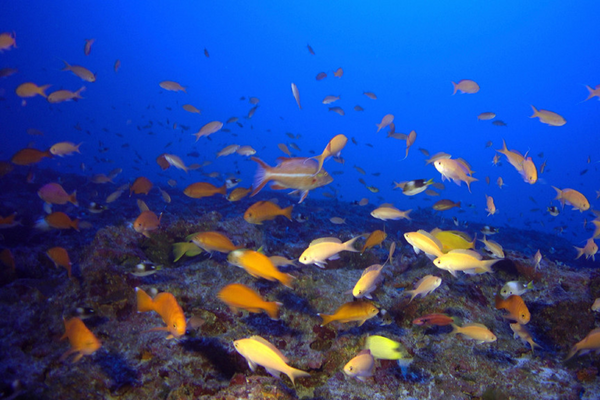 First LookUnexpected life thriving in Hawaii's 'twilight zone,' say scientistsAbundant coral reefs, rich in various life forms, have been found in waters as deep as 100 to 500 feet.
 First LookCould Iran's space program work with NASA?Mohsen Bahrami, head of the Iranian space agency, has said that his country is interested in cooperating with NASA.
 First LookTrio of physicists awarded Nobel for study of exotic phases of matterThe three scientists awarded the Nobel Prize in Physics yesterday were all born in Britain but all now work in the United States.
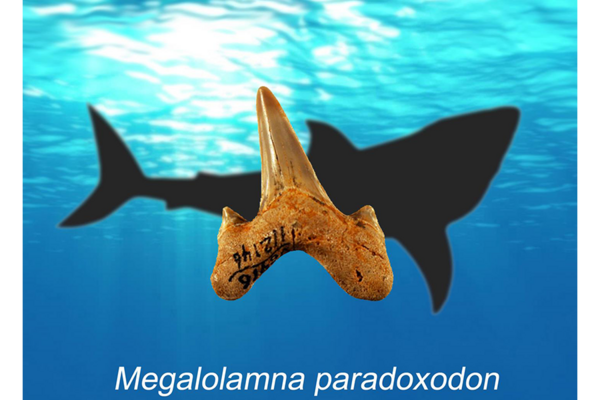 First LookTeeth reveal new extinct species of giant sharkThe examination of rare fossilized teeth has led to the discovery of an extinct species of giant shark.
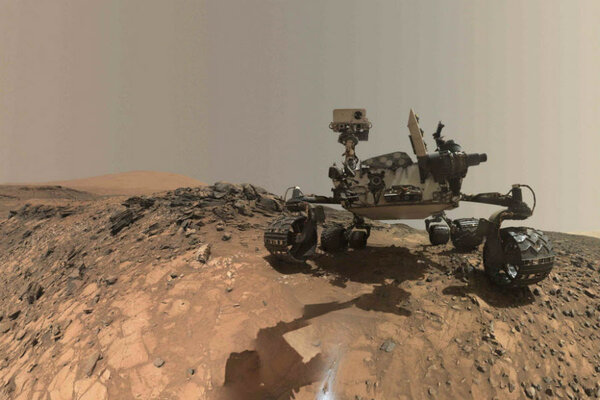 First LookWhat's next for NASA's Curiosity Mars rover?As the NASA rover makes its way up Mount Sharp, scientists hope its discoveries will provide a better understanding of the ancient lakes on Mars.聽
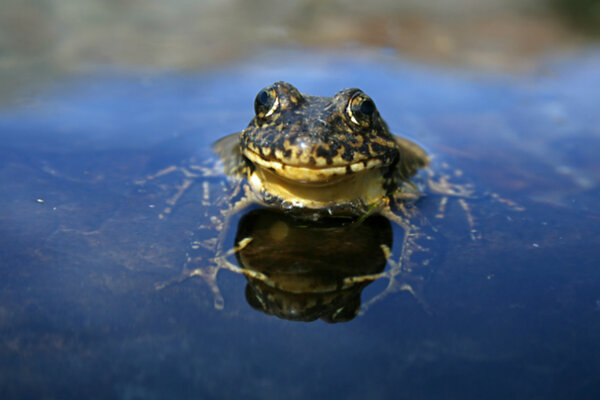 Yosemite's endangered frogs show signs of reboundThe Sierra Nevada yellow-legged frog was once one of聽the most common amphibians聽in those mountains. Today, the frog is a rare sight. But scientists now say they're starting to return.
 Gobi Desert dinosaur footprint: What does it mean?Could massive fossilized footprints help settle Titanosaurs' contentious classification?
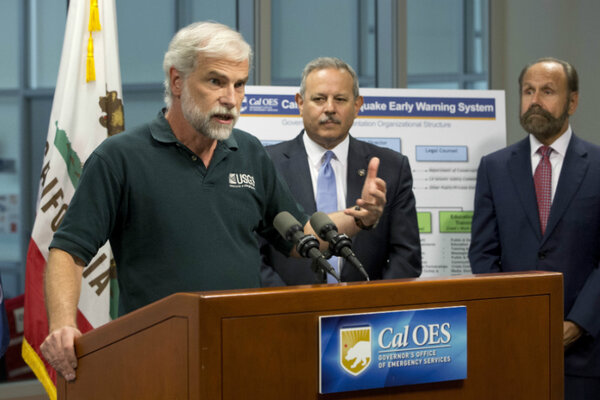 First LookWhy seismologists warned of a big earthquake in California this weekThe threat of a magnitude 7.0 or greater earthquake could be as high as 1 percent through Tuesday, say seismologists.
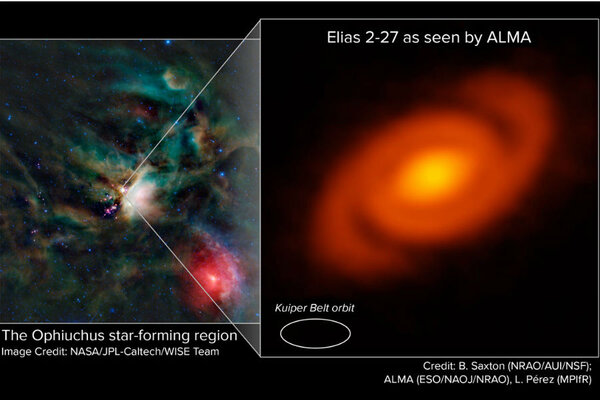 First LookWhat spiral 'arms' around a star tell us about planet formationElias 2-27, seen by researchers at the ALMA observatory in Chile, may hold clues to helping understand how planetary formation works.
 Mammal study suggests man may not be 'cruelest animal,' after allA study has found that many animals kill members of their own species at rates higher than those among human populations. What has caused the murder rate among humans to drop?
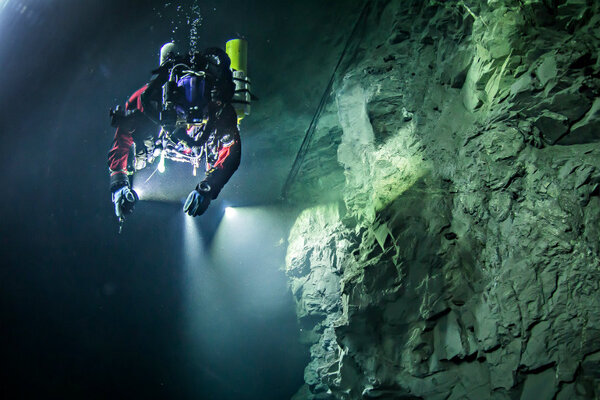 First LookCzech Republic home to world's deepest known underwater caveCzech Republic: An underwater cave found by聽Polish cave divers is called聽Hranick谩 Propast. It was explored using an underwater robot.聽
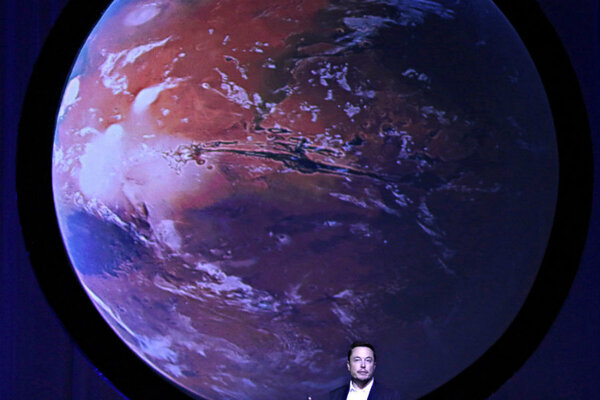 Colonizing Mars: Will 'regular people' be allowed to go?SpaceX founder Elon Musk wants everyone to be a part of colonizing Mars. But space travel will likely come with some hefty costs.
 First LookDid Mars's crust contribute to its atmosphere?According to a new study released by NASA scientists, xenon and krypton isotopes detected on Mars by the Curiosity rover could help scientists track changes to the planet's atmosphere over time.
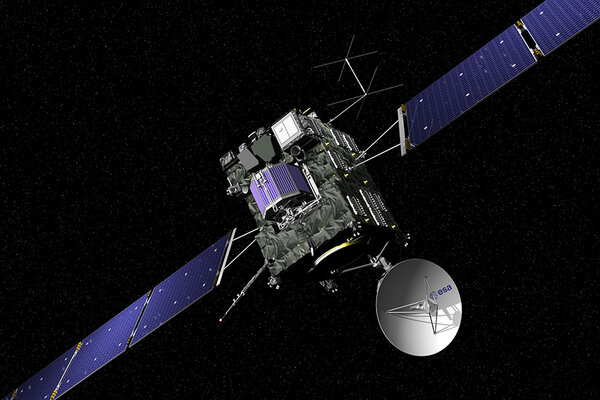 First LookBye-bye Rosetta: Why scientists crashed the famed comet-explorer on purposeIn a last gasp of scientific data collection, the Rosetta orbiter sent 'once-in-a-lifetime measurements' of comet 67P/Churyumov-Gerasimenko back to Earth.
 How a bizarre Triassic reptile could change what an arm looks likeOver 200 million years ago, a reptile roamed the Earth with forelimbs unlike those paleontologists expected. What could they have been for?
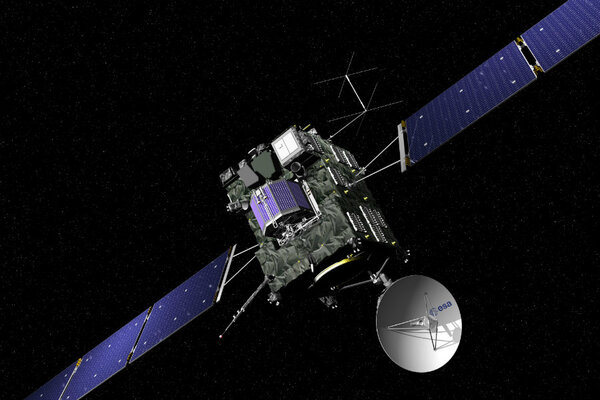 After more than a decade, Rosetta space probe makes its final landingThe space probe, launched in 2004, will be crash-landed on a comet. Rosetta and its lander have given researchers significant insights into comets and the formation of celestial bodies.聽
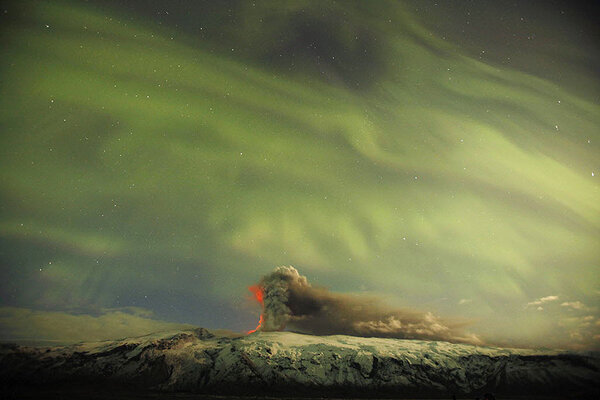 First LookNorthern Lights: Iceland turns off the lights to admire nature's ownThe blackout was a deliberate move by city officials, who hoped to cut light pollution and give residents a better view of the Aurora Borealis.
- First LookWhat were ancient Roman coins doing underneath a Japanese castle?Archaeologists found the coins beneath an ancient castle in Okinawa, Japan. Roman coins have never before been found in the country, leaving researchers questioning exactly where they came from.
 Why the United Nations is launching a space missionThe聽UN Office for Outer Space Affairs, in partnership with the Sierra Nevada Corporation, will launch a mission that provides developing countries with the opportunity to launch an experimental payload into low-Earth orbit.