All Science
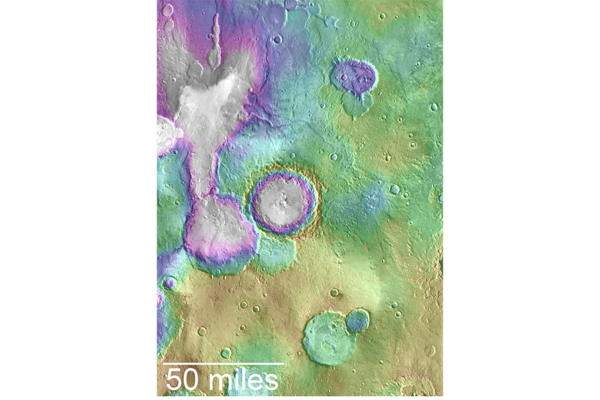
- Mars may have been able to harbor life for longer than we thoughtMars had lakes as recently as 2 billion to 3 billion years ago, new research suggests, which is long after scientists believed it was warm enough to harbor liquid water.
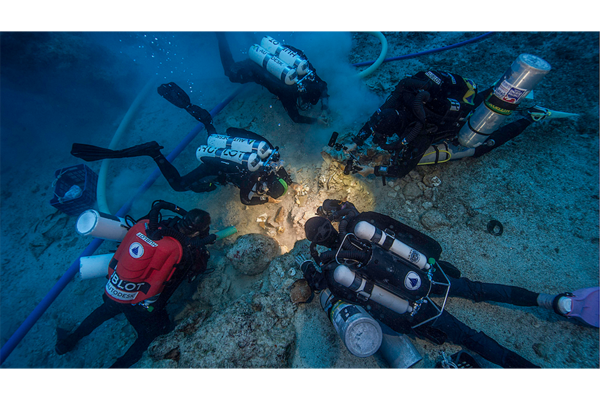 First LookHow an ancient skeleton may uncover secrets of the Antikythera shipwreckThe discovery of a skeleton in the famed Antikythera shipwreck may shed light on the origins of an ancient Greek mariner.
 What happens when the systems we rely on go haywire?Can we learn to predict and control the systems essential to our survival?
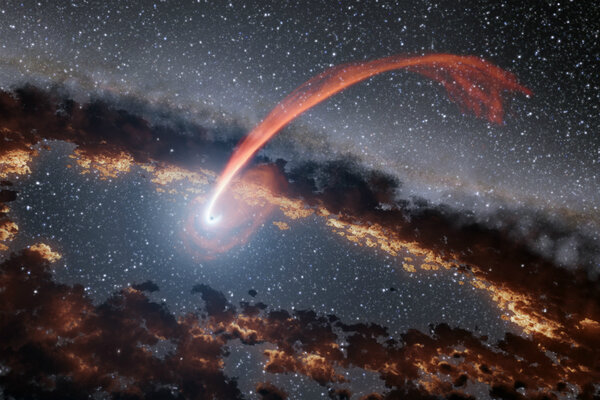 First LookBlack holes belch fire after devouring cosmic spaghetti, studies showBy examining 'echoes' of infrared light, scientists were able to measure the intensity of black hole flares.
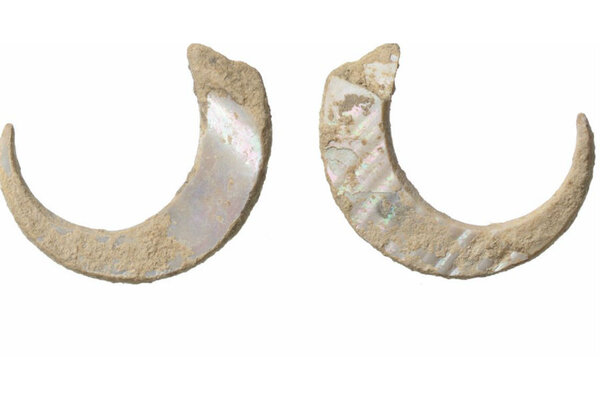 First LookWorld's oldest fish hooks: What they tell us about Paleolithic JapanThe fish hooks were found in Sakitari Cave on Okinawa Island, dating back 23,000 years. The age indicates that maritime technology was more widespread than previously thought.
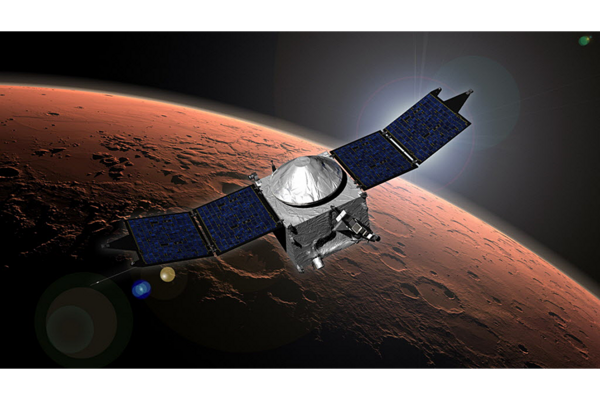 Can Congress at least agree on Mars colonization?The US Senate has proposed legislation that would be the first that calls on NASA to ultimately establish a human colony on the Red Planet.聽
 Hubble telescope spies comet as it disintegratesThe Hubble Space Telescope captured Comet聽332P/Ikeya-Murakami as it began to break apart as it approached the sun in January.
 Great lakes on Mars help rewrite the Red Planet鈥檚 historyWater existed in huge lakes fed by melting snow, argue scientists in a recent study.
 Scientists identify world's longest lightning boltsScientists with the World Meteorological Organization have聽identified lightning bolts in Oklahoma and France as the longest on record, a finding that could revise our thinking about storm safety.
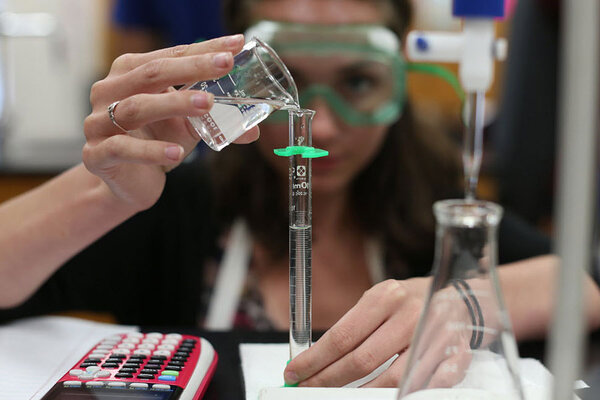 Science NotebookWhy science reporters were thrown for a loop this weekThe breach of a popular online service for science journalists calls attention to news聽embargoes.
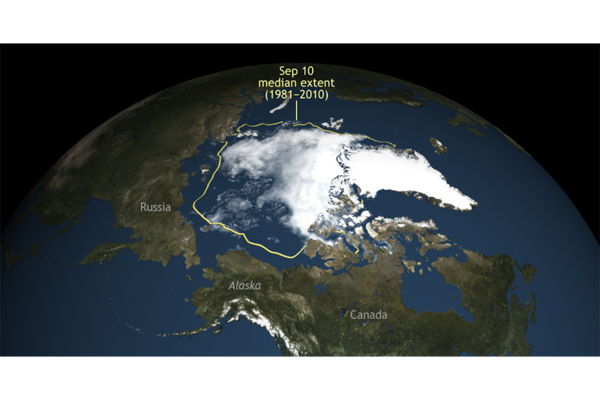 First LookArctic sea ice hits second-lowest level on recordColorado's National Snow and Ice Data Center reported that the sea ice hit its low point on Saturday, at 1.6 million square miles.聽
- China launches its second space stationThe uncrewed聽Tiangong-2, whose name translates to 'Heavenly Palace,' is aimed at helping China develop a permanent presence in low Earth orbit.聽
 First LookWere South Americans wearing blue jeans 6,200 years ago?Not Egypt but Peru? A discovery at an ancient temple site in Peru means that indigo dye was used to color cotton at least 1,800 years before scientists had previously believed it was.聽
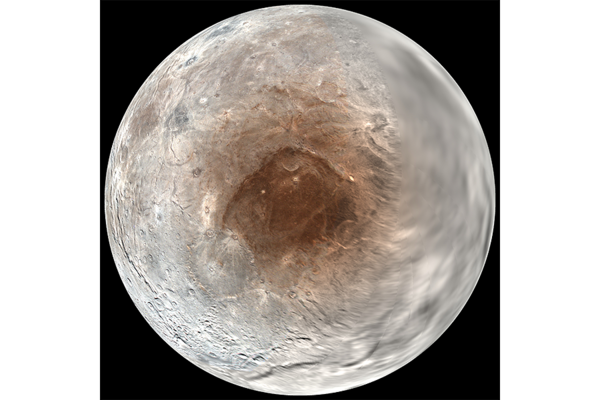
- First LookWhere did Pluto's moon get that red hat?Pluto's tiny moon, Charon, is being 'spray painted' by methane and other gases escaping from Pluto's atmosphere, resulting in red spots on its poles.
 China launches first 'cold' atomic clock aboard second space stationThe Tiangong-2 launch and the atomic clock on board serve as a reminder that China is looking to become a major player in space exploration.
 First Look'Parrot lizard' used camouflage to avoid becoming lunchUsing fossilized skin, paleontologists revealed the color and markings of Psittacosaurus, a聽discovery that helped them determine its habitat as well.聽
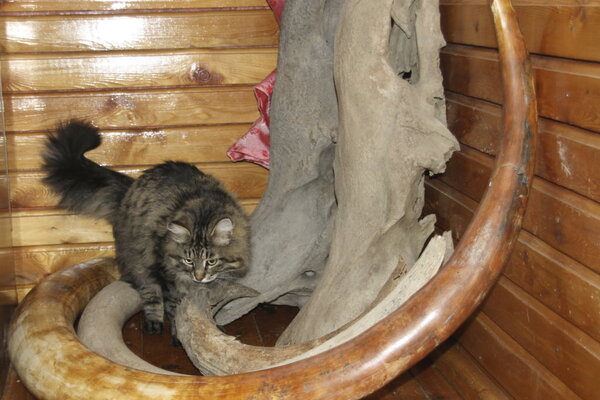 Did humans hunt this tiny mammoth to extinction?The first humans in North America existed at the same time as California's mini mammoth, and may have caused their extinction, say scientists.
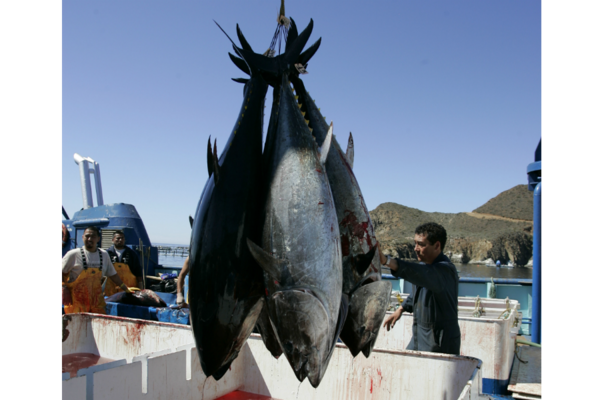 Are humans causing a sixth mass extinction in the oceans?Climate change is not the primary driver threatening to render large ocean animals extinct, scientists found.
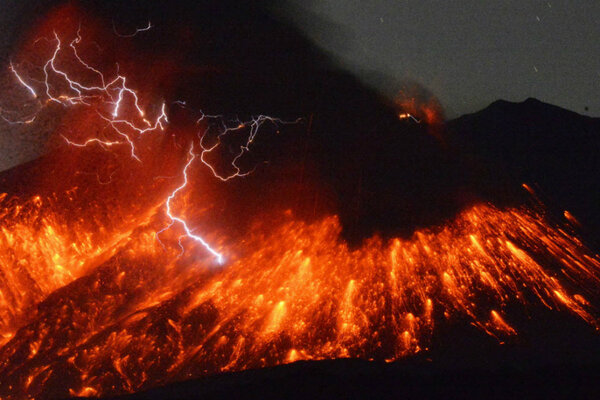 Sakurajima's big burst: Are we getting better at forecasting eruptions?Scientists have developed a new model for forecasting volcanic behavior 鈥� one that could lead to better natural disaster preparation worldwide.
 Will the next president take us to Mars?Three presidential candidates shared their perspectives on science, technology, and space policy with ScienceDebate.org. Both Donald Trump and Hillary Clinton have expressed their support for the continuation of NASA's planned and existing projects.聽