All Science
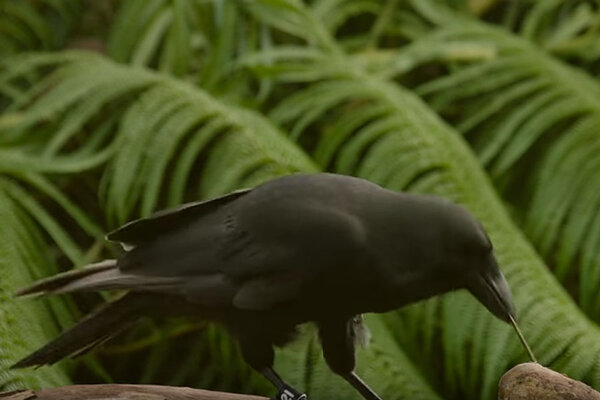 These claws were made for foraging: Why a Hawaiian crow is a tool masterThe Hawaiian crow, also known as聽鈥楢lal膩, wields sticks to help it forage.
 First LookIs the moon contributing to earthquakes?A new study supports the theory that the moon's gravitational pull can contribute to earthquakes.
 First LookWhat can NASA learn from a bird's eye view of the Great Barrier Reef?Scientists with NASA are set to begin a three-year mission that they hope will provide a better understanding of reef conditions.聽
 First LookSo long Shamu? California bans keeping, breeding orcas.California is the first US state to ban breeding killer whales in captivity, as a new law caps years of debate about ethical animal treatment.聽
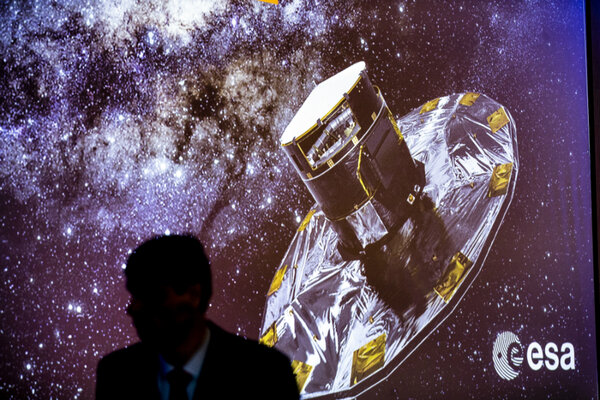 First LookEuropean satellite releases info on more than 1 billion starsThe ESA's Gaia satellite has gathered data on 1.14 billion stars, a step toward the goal of creating a 3-D map of the Milky Way galaxy.
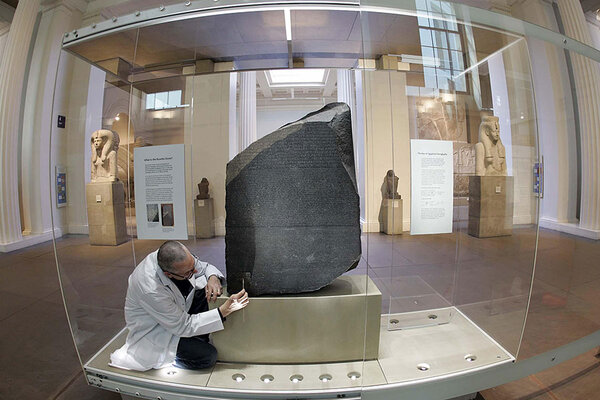 First LookGlobal human language? Scientists find links between sound and meaning.A new linguistic study聽suggests that biology could play a role in the invention of human languages.
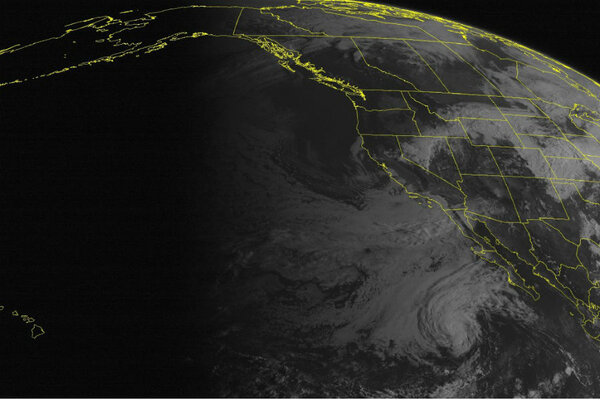 La Ni帽a: less likely than expected?While scientists initially predicted that La Ni帽a would follow El Ni帽o, a new NOAA prediction model claims that chances of La Ni帽a have dropped to 40 percent.
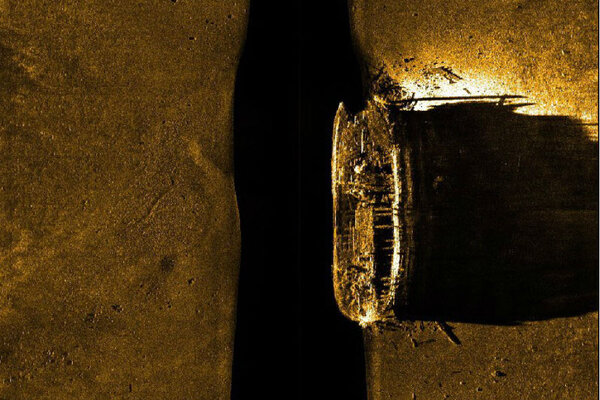 Lost for 168 years, doomed Northwest Passage ship disoveredThe HMS Terror disappeared during the infamous Franklin Expedition, along with its companion ship, the HMS Erebus. The ship had a long career, participating in the battle that inspired 'The Star-Spangled Banner.'
 First LookWhy do we see ghostly, vanishing dots in this image?The latest viral optical illusion is a variation on the classic 'Hermann Grid' illusion. Most people can only see a couple of the 12 dots in the grid at a time.
 First LookWhat 63 newfound quasars might tell us about the early universeA batch of newly discovered quasars, among the most distant objects in our universe, could yield new insights about the little-understood era of recombination.聽
 First LookHumans have literally decimated Earth's wilderness, study findsScientists from the Wildlife Conservation Society used satellite and survey data to conclude that human interference has led to a 10 percent decline in wilderness on Earth over the last few decades.
 First LookIt's official: NASA tags August 2016 as hottest month on recordAccording to a report from NASA, August 2016 was the hottest August on the planet 鈥� at least, since scientists began keeping records in the 1880s.聽
 First LookMars looks surprisingly like the US West in spectacular new photosNew images from NASA's Curiosity rover display the beauties of sloping buttes and layered rock formations on the Red Planet.
 It looks like NASA's Mars rover took a detour through the US SouthwestNASA's Curiosity Mars rover took some snapshots of the Red Planet's聽Murray Buttes, which looks strikingly like some of the national parks in the American Southwest.
 Was the birth of our moon more violent than we thought?Thanks to moon rocks brought back during the Apollo missions, scientists are revising the models of how the Earth-moon system formed. And it might have been quite a spectacular event.
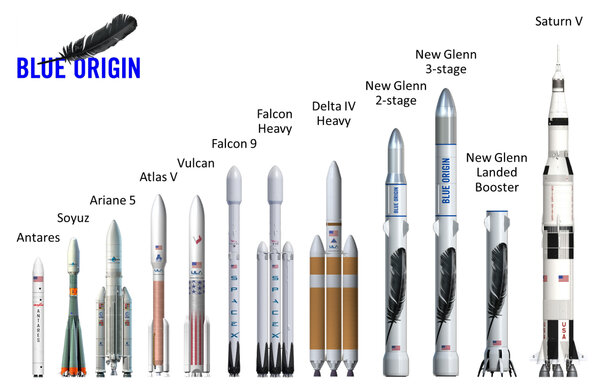 Is SpaceX鈥檚 rocket failure Blue Origin鈥檚 opportunity?Jeff Bezos on Monday released the design and engineering details of a powerful, new rocket being developed by his aerospace company Blue Origin. The聽Amazon founder and CEO also alluded to future plans to colonize the moon or Mars.
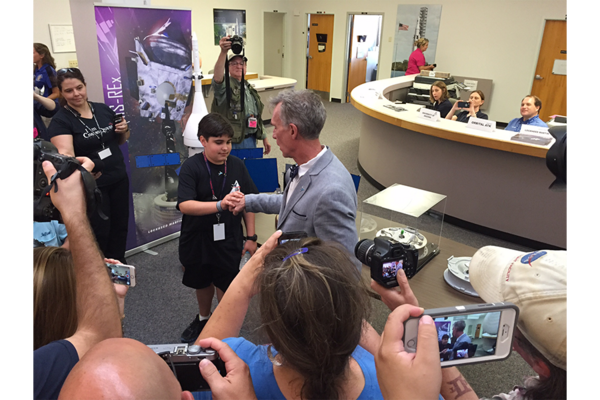
- Bill Nye gives sendoff to NASA asteroid-sampling missionThe 'Science Guy' appeard at the聽Kennedy Space Center for Thursday's launch of NASA's聽OSIRIS-REx mission, which aims to collect a sample from an asteroid and return it to Earth.
 Do dolphins use language?Dolphins use words and sentences to speak to each other much like humans do, a new study says. The next step, researchers say, is figuring out how to communicate with them.
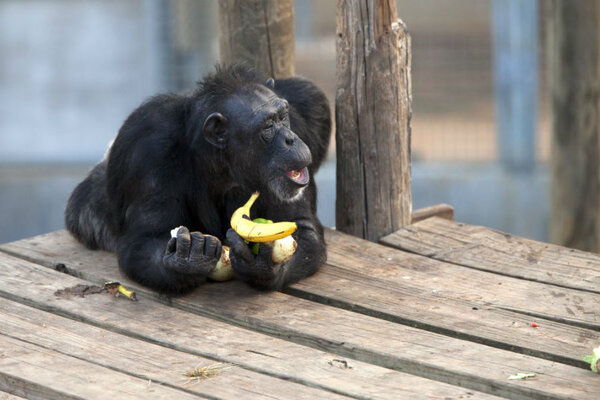 Hundreds of chimps to move from research labs to sanctuariesNine chimpanzees were transferred from a research lab to a chimp sanctuary this week, marking the end of privately funded research on chimps in the US.
- Bats enhance their hearing by waggling their heads, say scientistsNew research shows that bats cock their heads聽from side to side 鈥� like tiny, flying puppies 鈥� to better track insects.