All Science
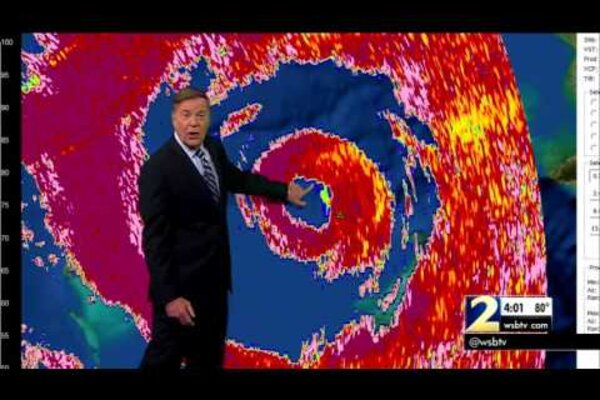 First LookHurricane Matthew: Why are birds flying in the eye of the storm?Hurricane Matthew: Meteorologists tracking the hurricane on radar spotted birds flying in the eye of the storm, traveling along as it moves up the US east coast.
 Nobel Prize: What will it take to have more women as winners in science?Nobel Prize: Between 1901 and 2015, 49 of the 870 Nobel prizes won by individuals were women. Most of the female winners were in the categories of peace, physiology or medicine, and literature.
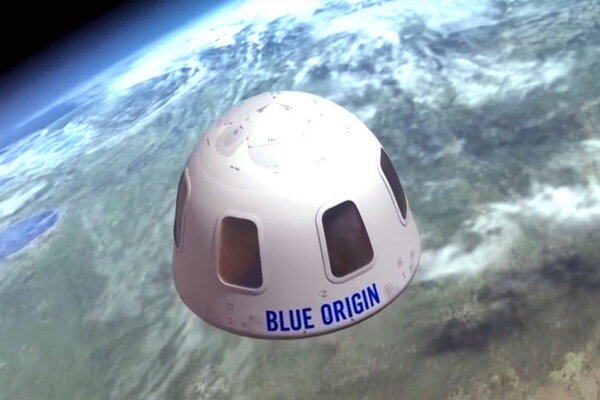 First LookAfter escape test, could Blue Origin be the next step in safe space tourism?Blue Origin is already working on聽another rocket, the New Glenn,聽which will build on the technology of the New Shepard in order to bring people and science experiments safely into space for brief periods of time.
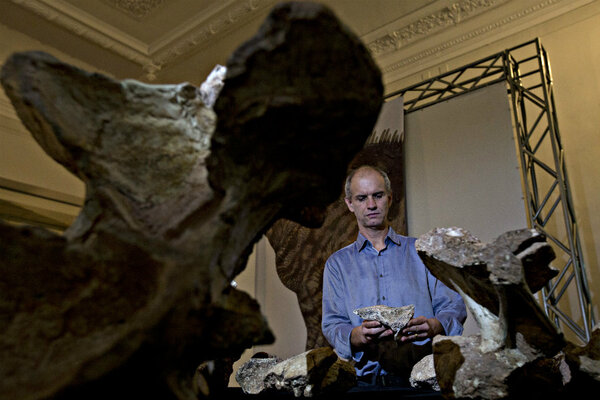 First LookHow Brazil discovered its largest dinosaur 鈥� inside a museumThe dinosaur, named Austroposeidon magnificus, has finally been brought out of a storage cabinet in Brazil's Earth Sciences Museum, after waiting decades to be studied. Its remaining bones are now on display.聽
 Reading minds? All great apes might be able to see others' points of viewUnderstanding when others hold false beliefs was long thought to be a uniquely human ability. But scientists say that may not be true.
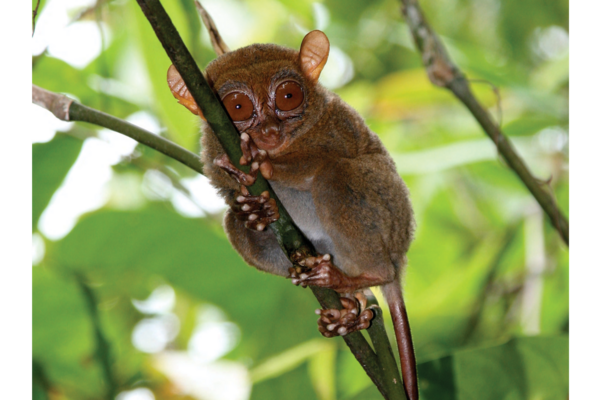 Tarsier genome offers clues about our oddball primate relativeTarsiers, some of the smallest primates in the world, are very different from other primate lineages. Geneticists decided to sequence tarsiers' DNA in a hunt for clues into how they fit in.
 New California fault line: A path to better earthquake models?Seismologists have discovered evidence of a previously unknown fault running under the edge of the Salton Sea, which may accommodate some of the strain on the San Andreas fault.聽
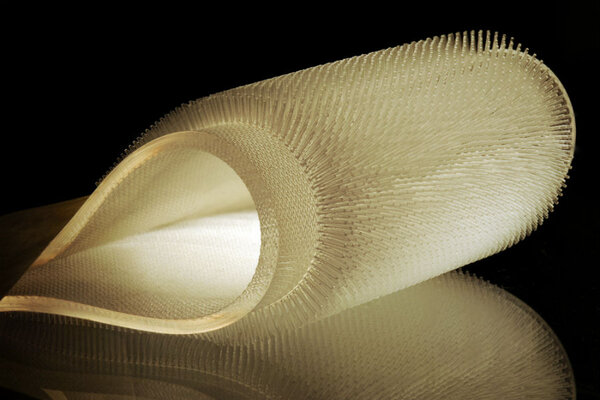 How otter pelts are revolutionizing human wetsuitsMIT scientists have created a synthetic material that replicates the insulating effects of beavers and otters, whose fur traps air pockets to shield against icy water.
 Are human lifespans still getting longer?A new study published on Wednesday finds that humans are unlikely to ever live much longer than 115 years old, although some researchers dispute the finding.聽
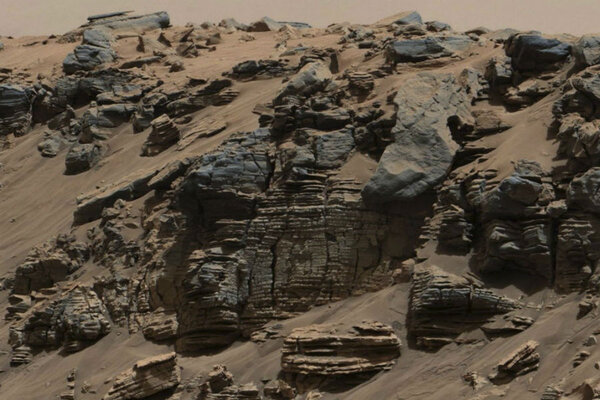 First LookNASA's Martian gardens: What kinds of veggies can we grow on Mars?Green thumb on the Red Planet: NASA scientists are experimenting with virtual 'Martian gardens' to determine what kinds of plants astronauts could grow on the Red Planet.聽
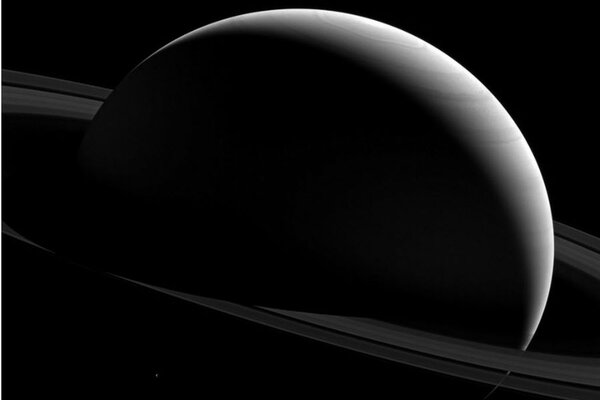 First LookHidden ocean may exist on another of Saturn's moons, say scientistsResearchers from the聽Royal Observatory of Belgium determined that Dione may have a subsurface ocean, making it the third Saturn moon thought to have that distinction.
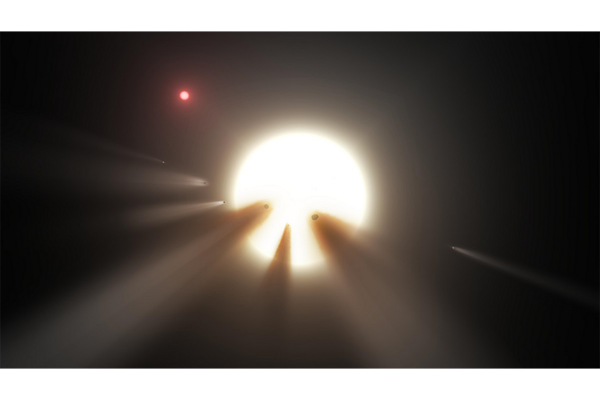 Alien 'megastructure'? Mysteriously dimming star puzzles scientists.Data from NASA's Kepler space telescope show the star聽KIC 8462852 鈥� known as 'Tabby's Star,' 鈥� gradually dimming in a way astronomers cannot yet explain.
 First LookGiant fireball streaks through the night sky. Is that normal?The American Meteor Society received more than 500 reports over Tuesday night of a giant fireball and聽a sonic boom that may have been part of a meteor shower.
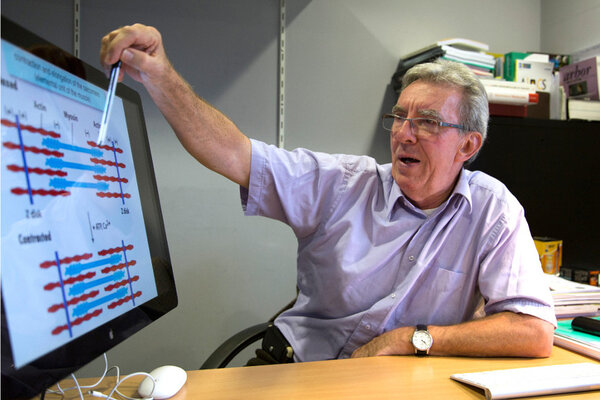 First LookThree scientists win Nobel Prize in chemistry for molecular machinesJean-Pierre Sauvage, Fraser Stoddart, and Bernard Feringa share the Nobel Prize in Chemistry for their work on molecular machinery, which the prize committee says inspired the advances of other scientists.
 First LookChina's plan to take 20 'bosses' and 'businessmen' to space on a planeChina is developing a passenger spaceplane that could carry up to 20 people above Earth's atmosphere in its latest push to stay ahead in the space tourism race.
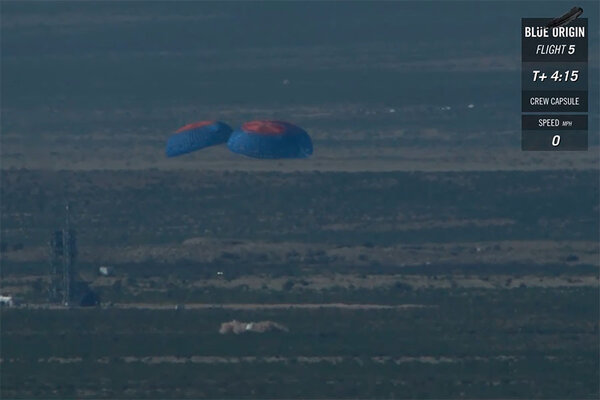 First LookBlue Origin's New Shepard's rocket escape system looks like a winnerBlue Origin's New Shepard's聽escape motor lies beneath the capsule and will need to be jettisoned only in the event of a rocket failure, driving down the cost of space travel.
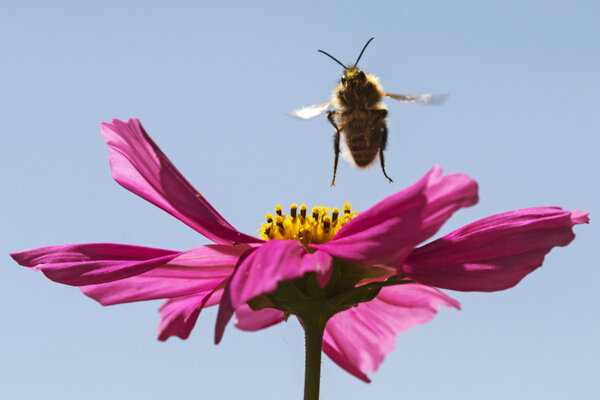 First LookBees awe scientists with by displaying learning and teaching skillsA new study shows how bees can be trained to pull strings and then teach others how to do it. Scientists say understanding how behavior spreads could help explain the evolutionary roots of human culture.
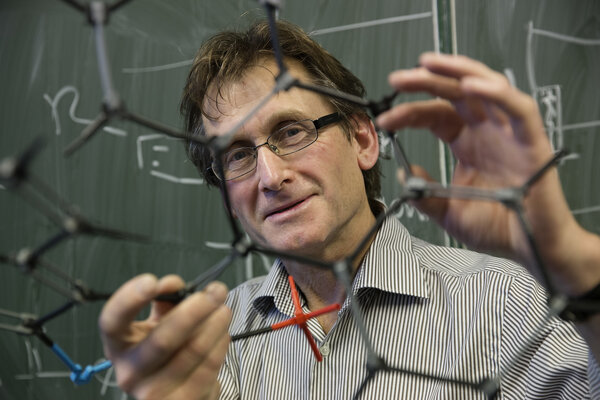 Nobel Prize in chemistry: Scientists building world's tiniest machinesNobel Prize:聽Frenchman Jean-Pierre Sauvage, British-born Fraser Stoddart and Dutch scientist Bernard "Ben" Feringa share the聽prize for the "design and synthesis of molecular machines."
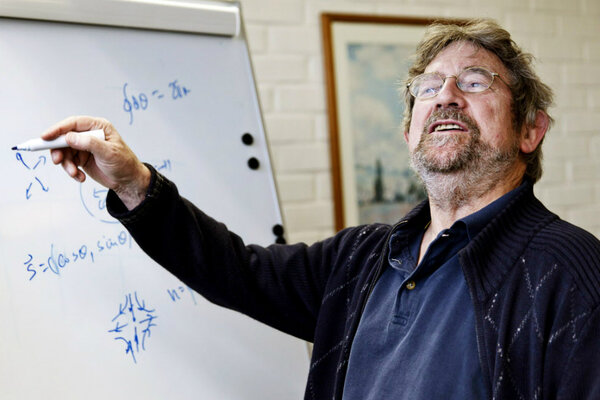 Why 'strange' matter matters to the Nobel Prize committeeThe winners 鈥� David Thouless, Duncan Haldane, and John Michael Kosterlitz 鈥� have spent much of their careers studying 'strange' phases of matter.
 First LookMelting Arctic ice brings opportunities, risks to MaineMelting Arctic ice is opening up marine shipping routes north of the state, but as temperatures and sea levels rise, Maine鈥檚 key enterprises could suffer.