All Science
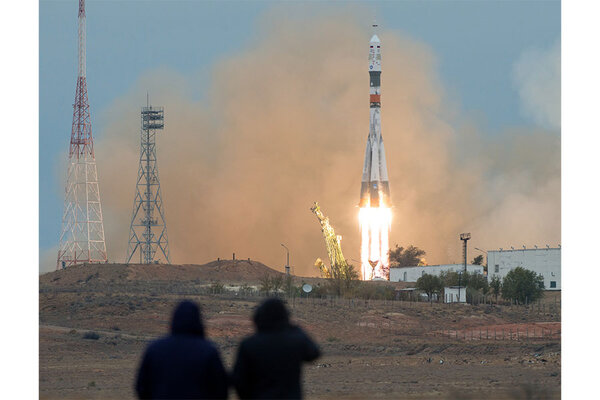
- Russian Soyuz rocket lifts off carrying three astronauts to space stationA Russian Soyuz rocket is en route to the International Space Station with two Russian cosmonauts and one American astronaut.
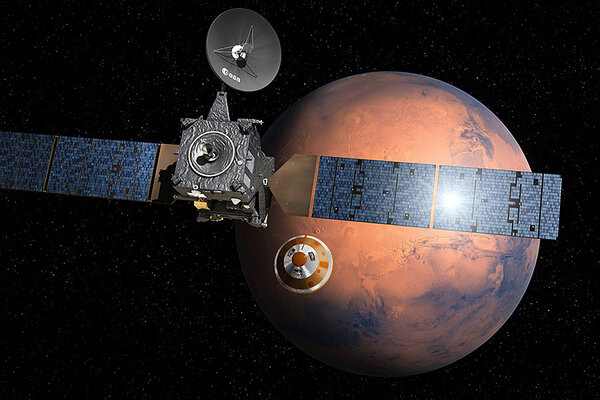
- European Mars lander to attempt daring touchdown WednesdayEurope's聽Schiaparelli lander will attempt to make history on Wednesday as it attempts to touch down near the Martian equator.
 Did cave art and ancient DNA solve 'Higgs bison' mystery?Scientists say they have have finally sorted out the story of a baffling bison.
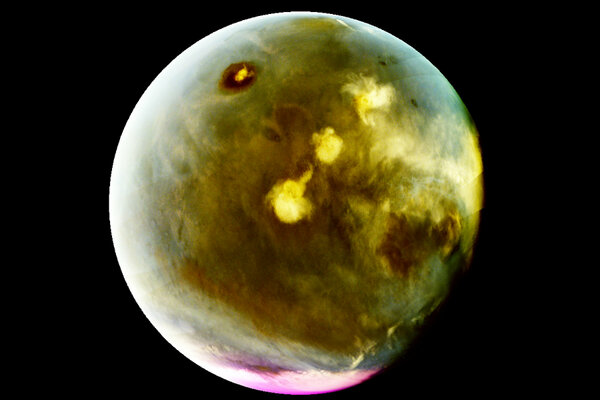 First LookNASA's MAVEN reveals hidden Martian processes through UV imagingUltraviolet photos, taken by the craft鈥檚 Imaging Ultraviolet Spectrograph (IUVS), show dynamic radiation in聽the planet鈥檚 atmosphere.
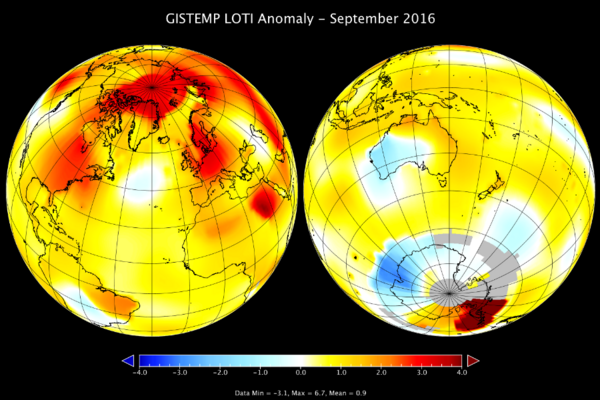 First LookNASA names September hottest on record, just barelyData from the NASA-run聽Goddard Institute for Space Studies indicates that this past September was the hottest on record, though by a slim margin that falls within the margin of error for the study. 2016 will almost certainly be the hottest year ever recorded, scientists say.
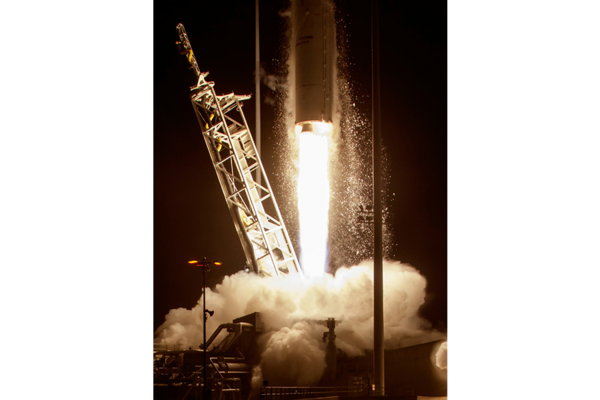 First LookTwo years after disaster, Antares launch marks rocket's return to spaceThe Orbital ATK Antares rocket successfully launched into space last night, departing from NASA's Wallops Flight Facility on its way to deliver supplies to the International Space Station.
- Science explains why tomatoes don't belong in the fridgeCooling tomatoes below 54 degrees stops them from making some of the substances that contribute to their taste, say researchers.聽
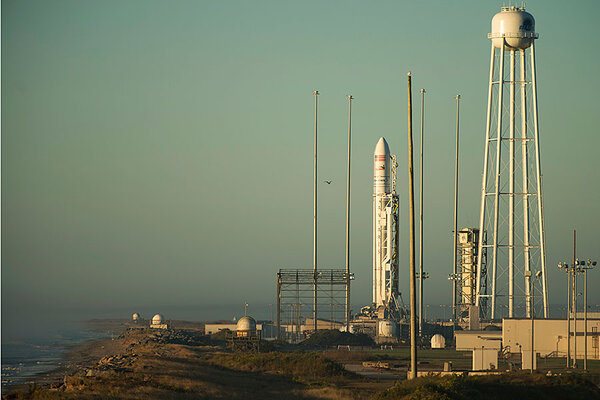 First LookTwo years after fiery catastrophe, Antares poised to fly againOrbital ATK is set to launch a rocket loaded with supplies for the International Space Station, on Monday night, nearly two years after one of its Antares rockets exploded shortly after liftoff, and one day after a faulty cable caused a delay.
- First Look European Mars lander begins descent to Red Planet's surfaceAfter a seven-month journey from Earth, Schiaparelli has separated from its spacecraft and has begun its descent to the Martian surface, where it is expected to touch down on Wednesday.
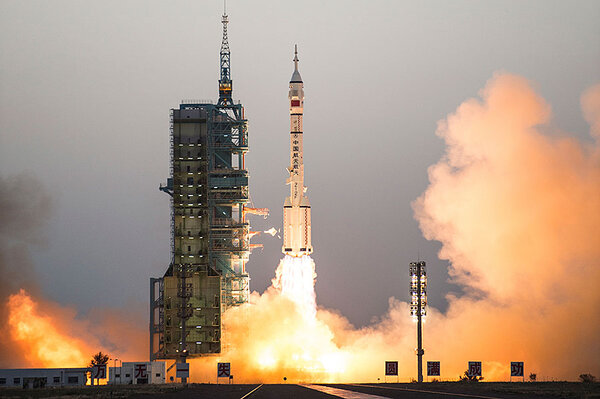
- First LookTaikonaut duo blasts off for China's longest space missionChina launched two astronauts into space Monday on a mission to dock with an experimental space station, where they will remain aboard for 30 days.
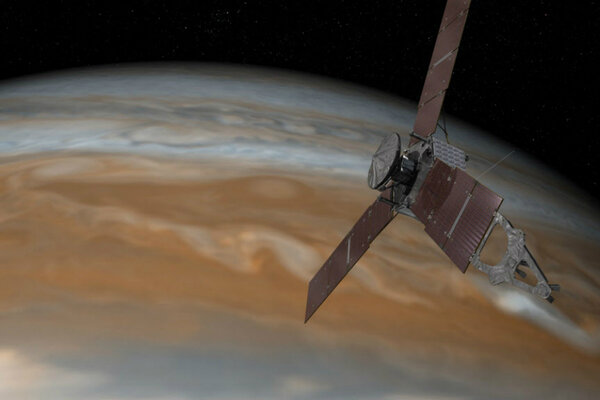 First LookEngine troubles prompt NASA's Juno spacecraft to change plansThe Jupiter probe was originally scheduled to fire up its main rocket on Wednesday, reducing its orbital period around Jupiter from 53 days to just 14.
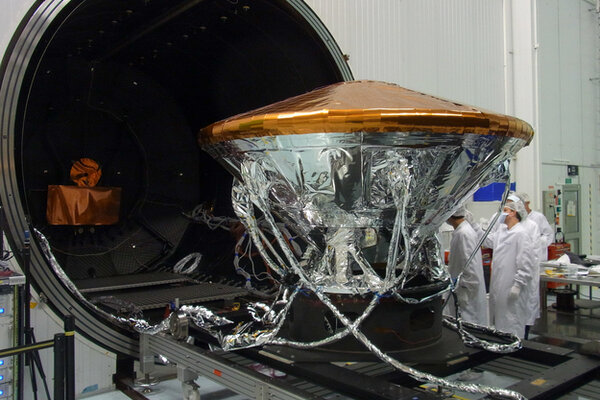 First LookSchiaparelli's descent to Mars: How did the ESA pick this landing spot?On Sunday, the Schiaparelli lander 鈥� a European space mission 鈥� began its three-day descent to the surface of Mars.
 First LookIs this the world's sweatiest robot?Drip, drip, drip. Japanese roboticists have borrowed a thermoregulation strategy from mammalian biology, creating a robot that keeps cool through perspiration.
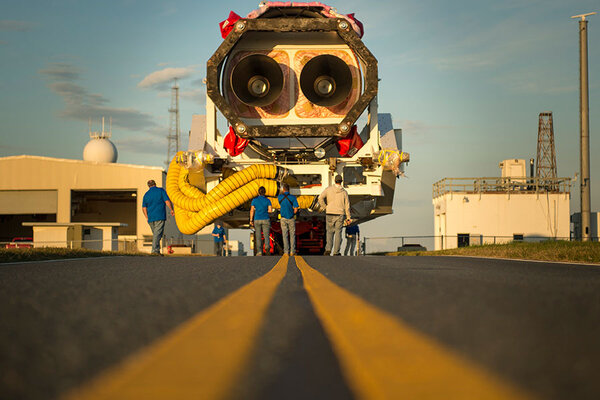 First LookHow high are the stakes for the Orbital ATK launch on Sunday?The commercial spaceflight company 鈥� which suffered a setback in October 2014 when one of its rockets exploded 鈥� has retooled. Its upcoming flight aims to prove Orbital is back on track, which is important both for the company and for NASA.
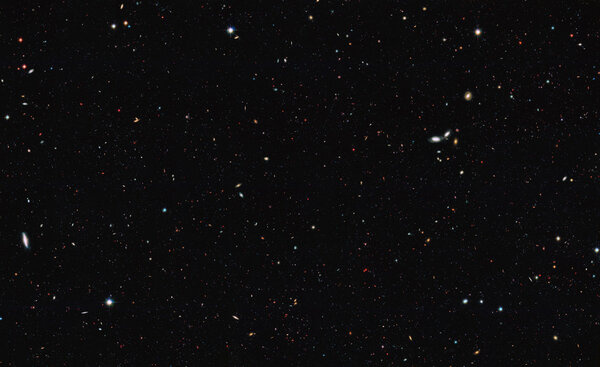 First LookUniverse may hold 10 times more galaxies than we thoughtA team of international scientists was able to created a 3D map and now calculates there are at least 2 trillion galaxies in the universe.
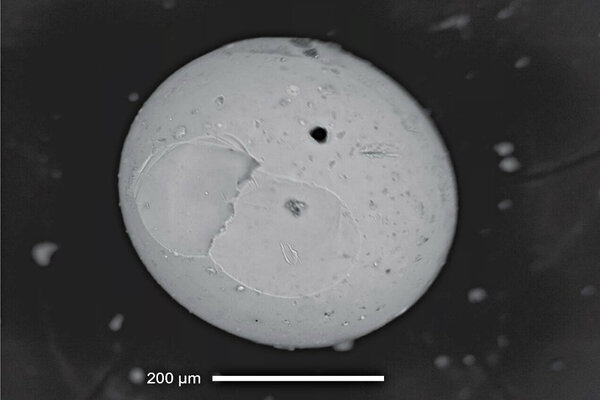 First LookWhat an ancient comet collision teaches us about global warmingA comet impact 56 million years ago on Earth contributed to global warming, say scientists after studying tiny glass spheres, or microtektites, found in ancient sediment from a period of massive climate change.
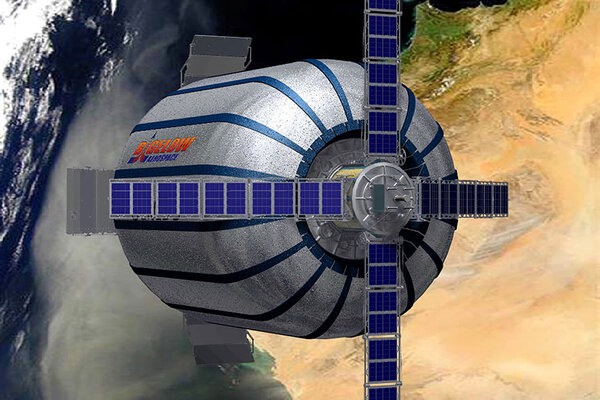 First Look'Space tourism' may be possible as soon as 2020, say companiesBigelow Aerospace and Axiom Space plan to attach their space modules to the International Space Station as part of a new NASA partnership. They hope this will pave the way for commercial ventures into space.
 Spidey sense: Jumping spiders can hear a shriek from across the roomScientists long thought spiders' senses were dominated by sight and touch, as they have no ears. But some jumping spiders might actually have an extra 'spidey sense.'
 Asgardia, first 鈥榥ation in space,鈥� seeks UN recognitionThe 'nation,' proposed by Igor Ashurbeyli, would be a platform for space-based experimentation free of the political limitations of Earth.
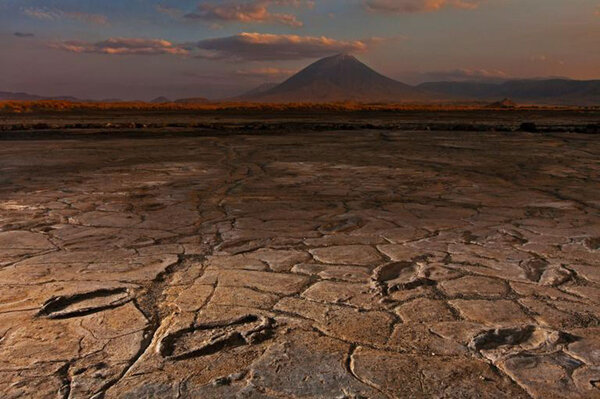
- What do these prehistoric footprints tell us about our ancestors?The best-preserved and largest set of prehistoric human footprints found in Africa are in Tanzania, near an active volcano.