All Science
 First LookHow China's Terracotta Army could rewrite historyThis discovery calls into question the commonly held belief that Marco Polo was the first European to travel to Asia in 1300 AD, and suggests that this estimate may be off by more than 1,500 years.
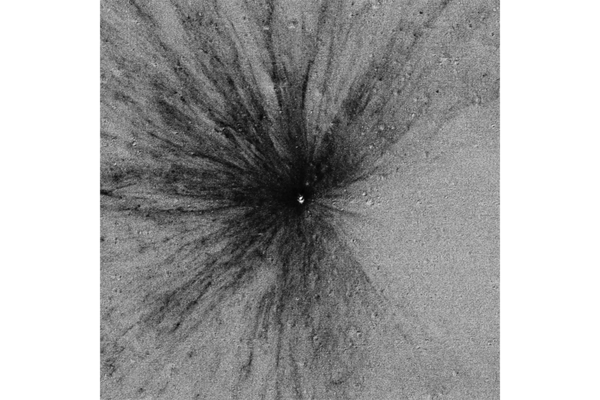
- First LookColonizing the moon? Meteor showers more frequent than expectedScientists counted 222 new meteor impacts in seven years. The moon鈥檚 surface is changing considerably faster than previously thought, says a new study.
- New craters reveal that the moon is still getting pummeled by space rocksCraters are forming on the moon more frequently than scientists thought, suggesting that future moon missions should take into account the risks of space-rock strikes.
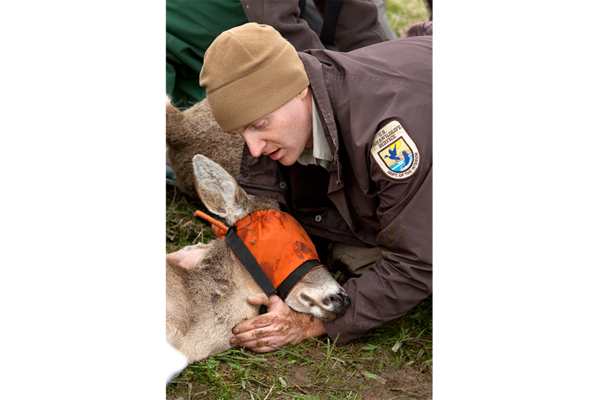 Back from the brink: Endangered deer subspecies downlistedThe Columbian white-tailed deer population had dwindled down to just 450 individual animals in 1967, landing it on the Endangered Species List when the Endangered Species Act was signed into law in 1973.
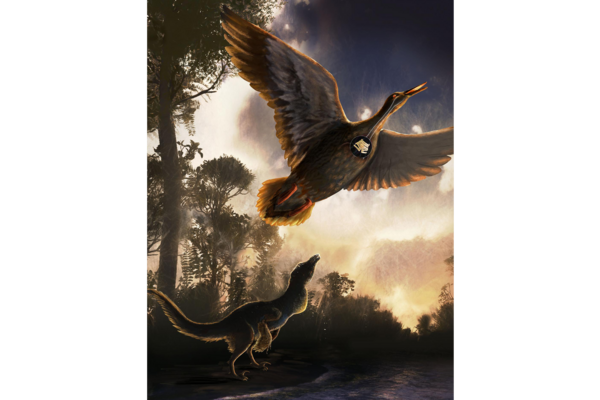 Could dinosaurs actually roar? Ancient voice box holds clues.Birds are the only living dinosaurs, but their extinct relatives might not have squawked or twittered like them, scientists say.
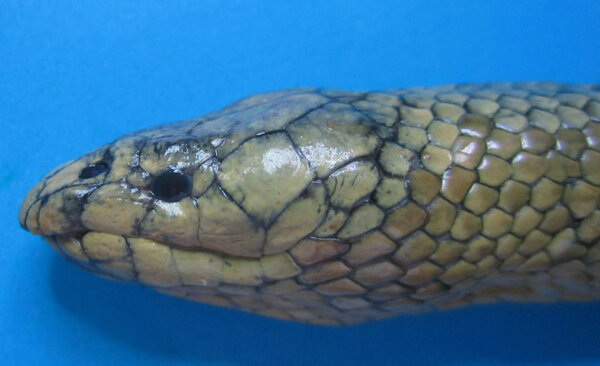 First LookWhat can we learn about salinity from venomous sea snakes?A new study shows how these adaptable snakes can respond to fluctuating ocean temperatures.
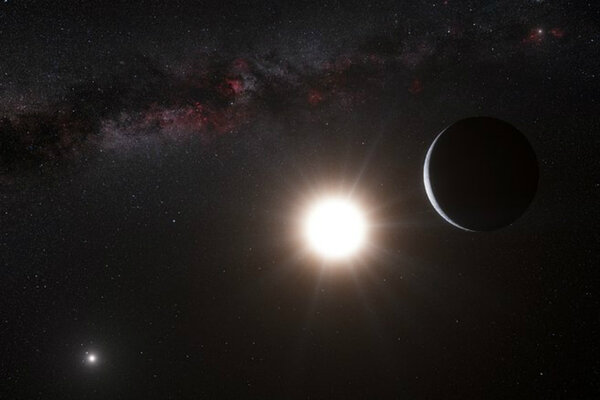 First LookIs an Earthlike planet orbiting Alpha Centauri? 'Project Blue' will take a look.A new initiative seeks to capture visible-light images of the Alpha Centauri star system in hopes of identifying an Earthlike planet in its orbit.
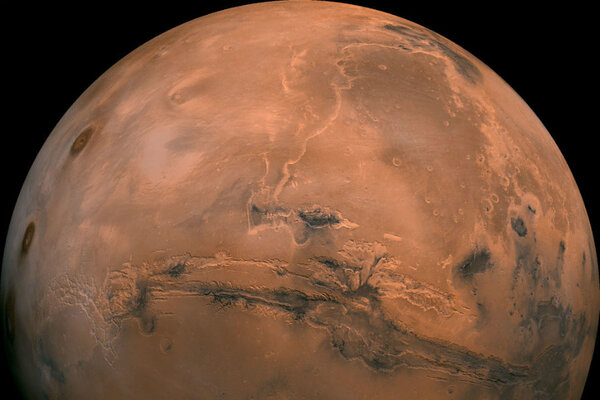 First LookWhy is the ESA's Schiaparelli Mars lander so special?The Mars lander offers a preview of the joint European Space Agency/Russian space agency ExoMars mission, which seeks to determine if the Red Planet ever supported life.
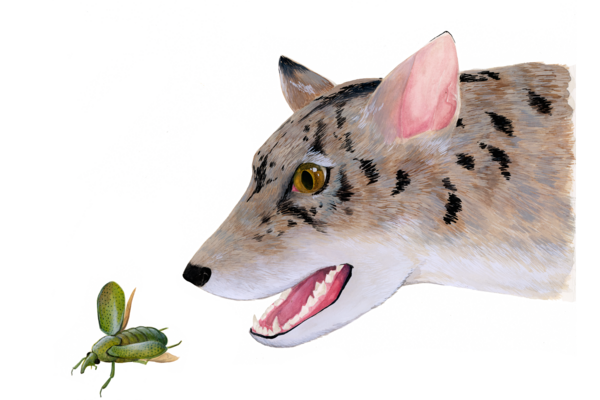 What's a beardog? Extinct Chihuahua-sized animal yields clues.An extinct family of carnivorans known as beardogs may have had humble beginnings in what is today southern North America, suggests a聽discovery in the archives of Chicago's 聽Field Museum.
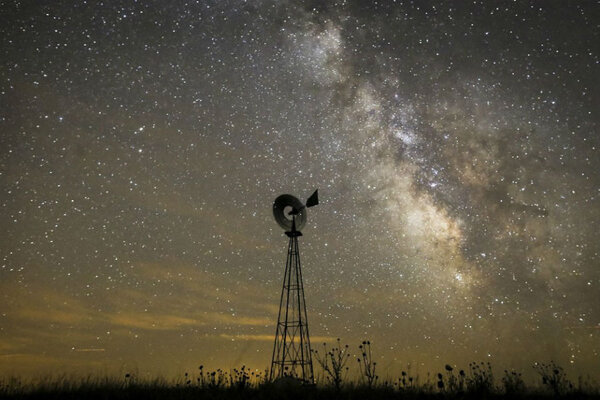 Will this newly discovered dwarf planet help astronomers find 'Planet Nine'?Researchers hope techniques used to discover dwarf planet聽2014 UZ224 will help聽find the enigmatic 'Planet Nine.'
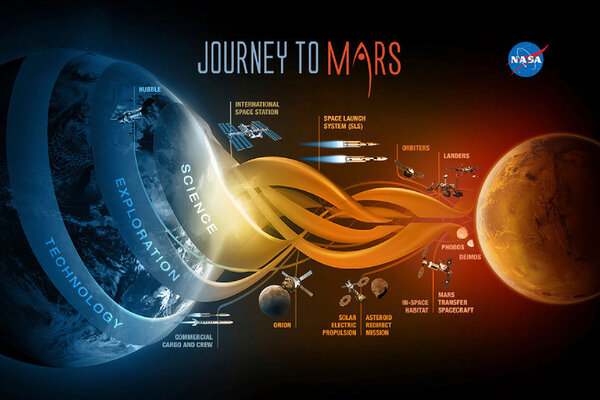 Should humans go to Mars? President Obama says yes.In an op-ed, Obama announced a 'clear goal' to send humans to Mars 'with the ultimate ambition to one day remain there for an extended time.'
 First LookWhy Nobel-winning scientists are talking about immigrationAll six of the 2016 Nobel laureates affiliated with US universities are immigrants. Some are speaking out about the importance of open borders for the advancement of science.
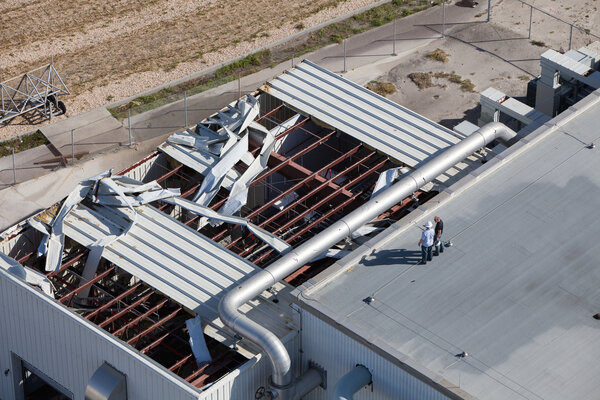 First LookHurricane Matthew damages historic NASA artifactsOrbiter access arms and missile displays were tossed around as聽hurricane Matthew charged along Florida鈥檚 Space Coast.
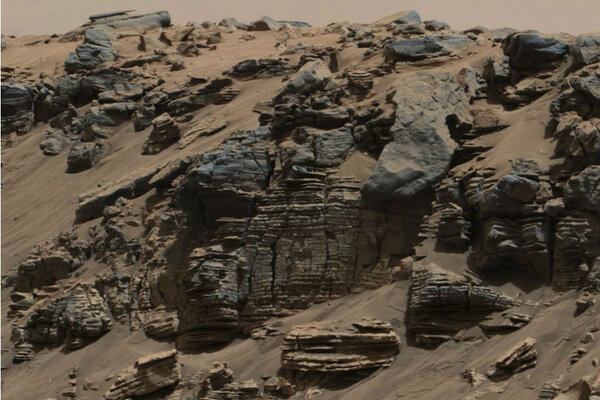 First LookWas this gully on Mars carved by water? NASA rover to investigate.Scientists believe the gully was carved by a fluid that may have been flowing water.
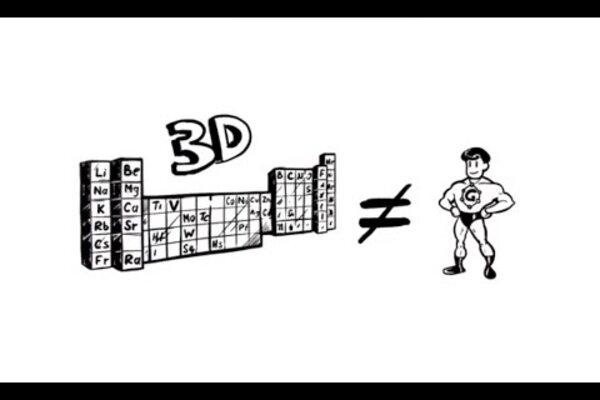 First LookFor super-strong silk threads, feed graphene to silkwormsResearchers at Tsinghua University in Beijing fed the one-atom-thick, tremendously tough material to silkworms in one of the first applications of graphene that could become mainstream.
 Climate studies: Western wildfires have doubled, New York City flood risk will tripleClimate change may be behind the rise in extreme events, say scientists. And the numbers support that relationship.
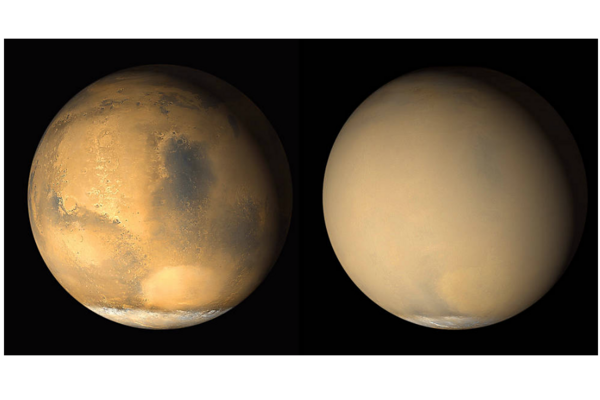 First LookIs Mars about to be enshrouded by a global dust storm?Research suggests a global dust storm could be in the Red Planet's near future.
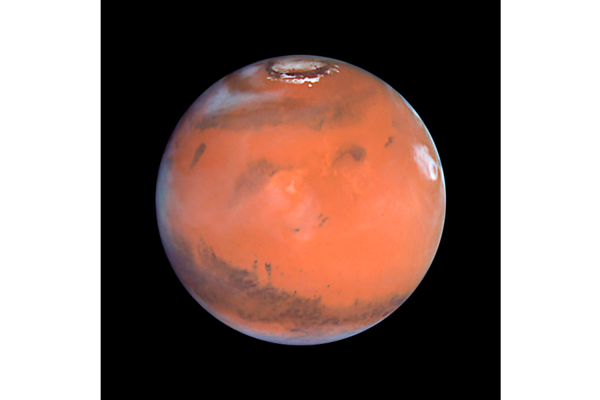 First LookDid Boeing's CEO just kick off a billionaires' space race?Boeing chief executive officer Dennis Muilenburg and SpaceX founder Elon Musk both have Mars dreams. But who will get there first?
 Did Rush Limbaugh really say that Hurricane Matthew is liberal propaganda?The conservative pundit argued聽that an 11-year 'hurricane drought' was evidence against man-made climate change.
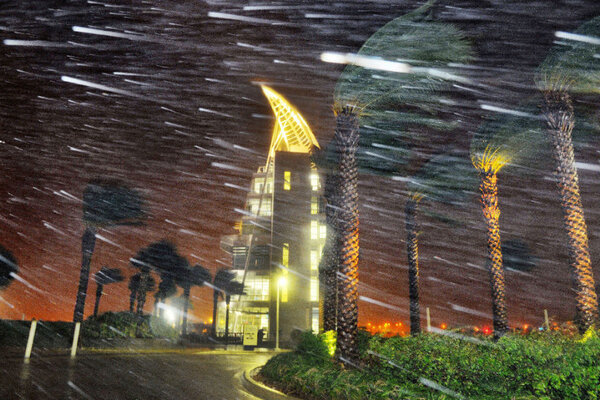 NASA 'dodged bit of a bullet' as Matthew swept through Cape CanaveralNASA officials were worried that the Kennedy Space Center would be directly hit by hurricane Matthew, but so far, the center seems to have 'dodged a bullet.'