All Science
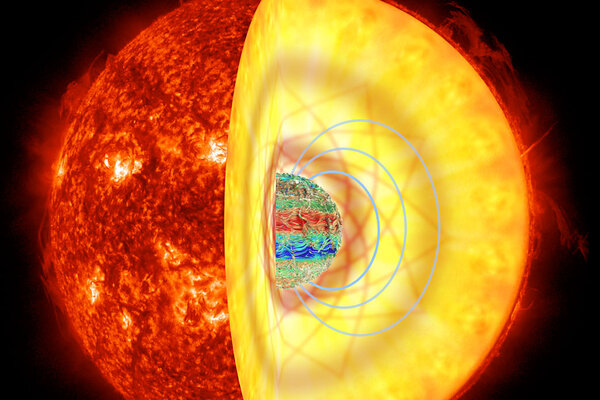 What's inside red giants? Magnets, say astronomersResearchers have discovered a 'magnetic greenhouse effect' in some stars that causes gravity waves to remain trapped in their cores.聽
 Why does your cat need to know bitterness?Researchers discover that domestic cats experience bitterness via seven functional bitter taste receptors.
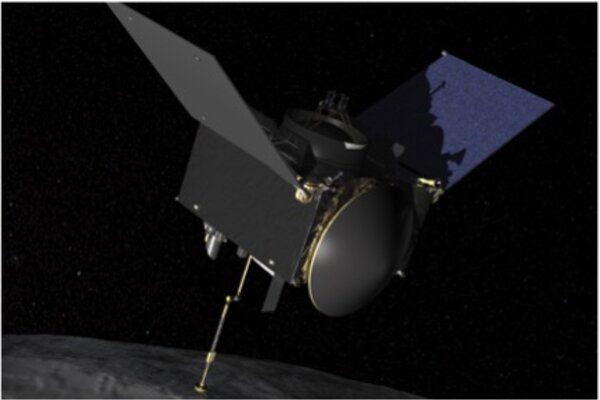 NASA almost ready for first-ever asteroid huntScientists are one small step closer to getting their hands on an asteroid, as engineers have finished assembling the first spacecraft designed to bring a sample from space rocks back to earth.
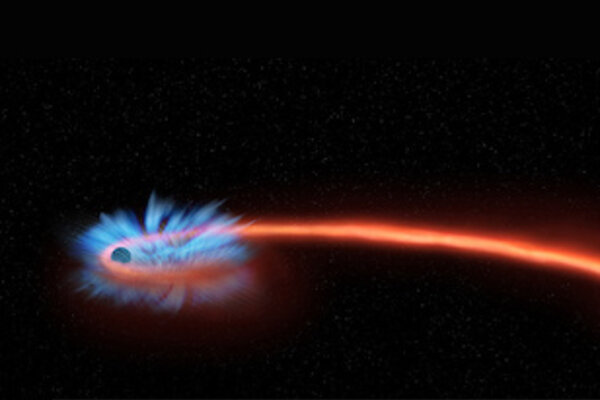 First LookAre black holes the ultimate star destroyers?A new paper released in Nature describes the process of tidal disruption, or the death of a star by a black hole.
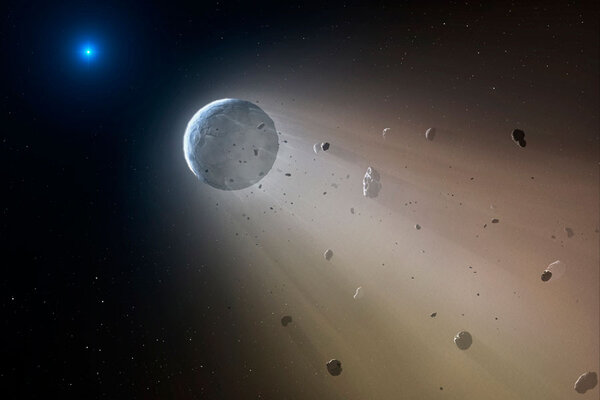 First LookDying star is blasting nearby planet to smithereensAstronomers learn the fate of planets orbiting a white dwarf, and it's not pretty.聽
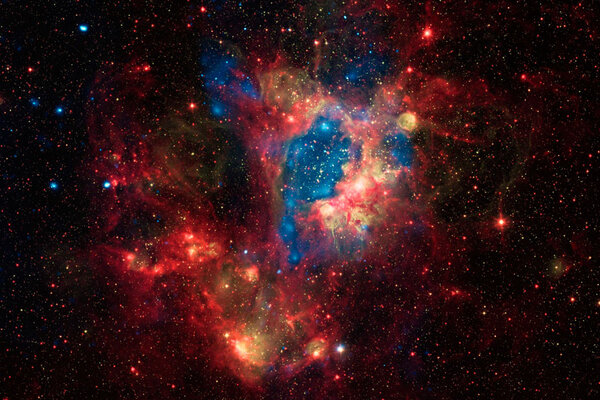 First LookExplore the Milky Way in the biggest photo ever takenGerman astronomers compile the largest Milky Way image ever taken by photographing small segments each day for five years.聽
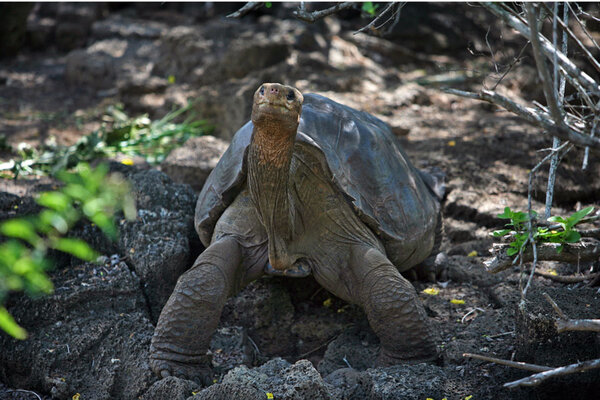 14 animals declared extinct in the 21st century In spite of US and international legislation, humans continues to cause extinctions of species worldwide.
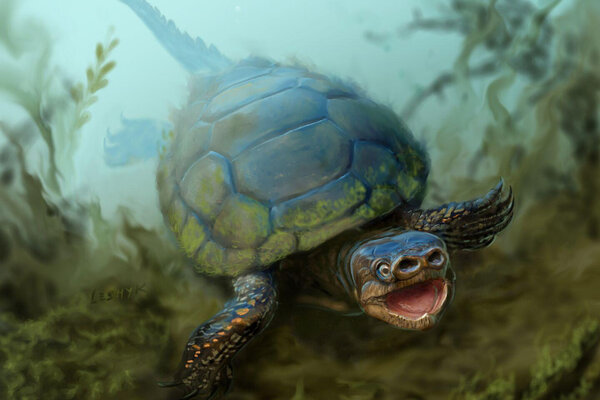 First Look Bizarre pig-nose turtle once swam the prehistoric seas of UtahThe remains of an ancient pig-nose turtle were discovered in southern Utah, helping researchers answer some old questions about prehistoric ecosystem dynamics.聽
 Spooky the Asteroid to hurtle past Earth on HalloweenAbout the size of a football stadium,聽asteroid 2015 TB145, dubbed 'Spooky,'聽
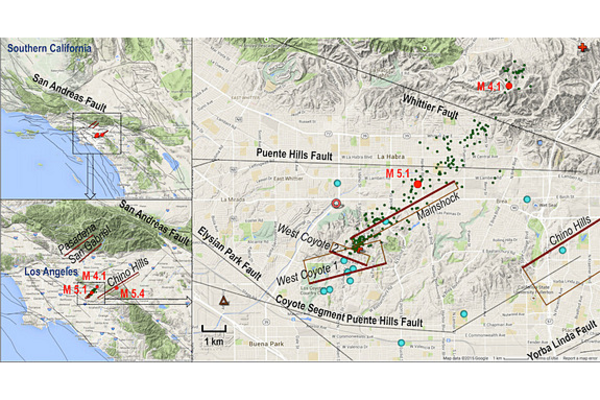 Large earthquake likely to strike LA soon, scientists warnA study has found that there is a 99.9 percent chance that聽an earthquake of magnitude 5.0 or greater will strike聽the Greater Los Angeles in聽the next two and a half years.
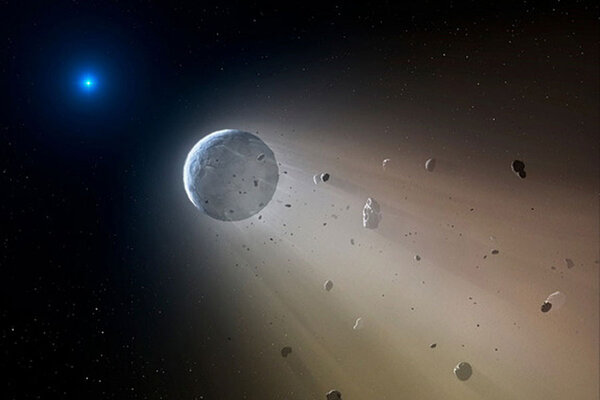 Astronomers spot white dwarf 'Death Star' vaporizing planetA dwarf planet some聽570 light-years from Earth is slowly disintegrating from its star's intense radiation, say astronomers.
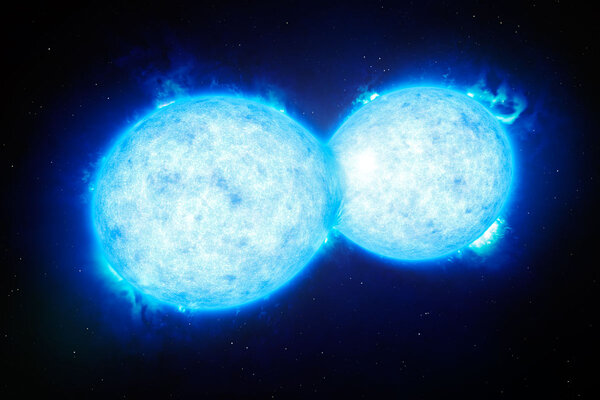 First LookRare embrace: Scientists find star-crossed kiss, 160,000 light-years awayIn the far off Tarantula Nebula, twin stars are locked in a rare celestial embrace. What happens next could be a boon for stellar physics.
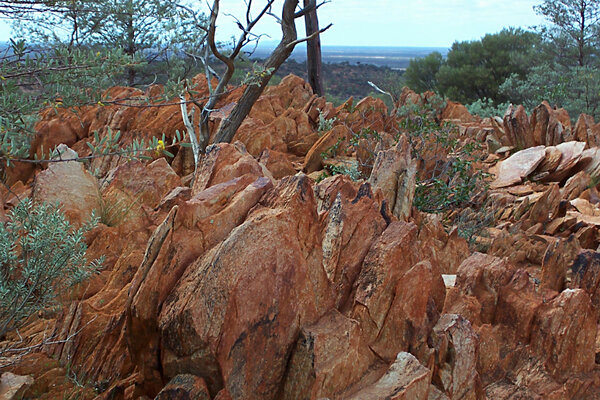 We're all 300 million years older than we thought, say scientistsAncient zircons from Western Australia suggest that life on earth could have begun 4.1 billion years ago 鈥撀�300 million years earlier than previous research indicated.
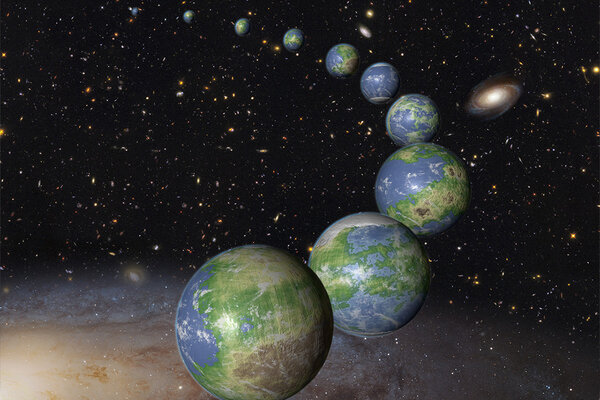 First LookEarth isn't nearly as unique as we may think, says new studyScientists speculate that there are likely 1 billion Earth-sized worlds in the Milky Way galaxy right now, and potential for many more to form throughout the universe.
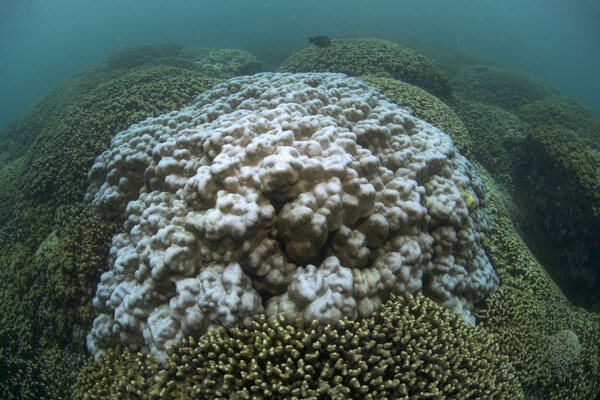 First LookWhy sunscreen may be killing coral reefsAn ingredient found in more than 3,500 sunscreen brands may be contributing to the decline of coral reefs at popular beaches in Hawaii, the Caribbean and the US Virgin Islands, a study published Tuesday suggests.
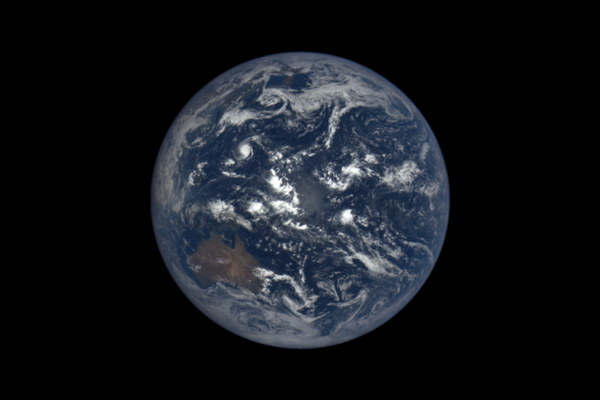 First LookNASA to share Earth's daily selfiesMultiple photos of earth's sunlit surface will be available each day on a NASA website launched Monday.
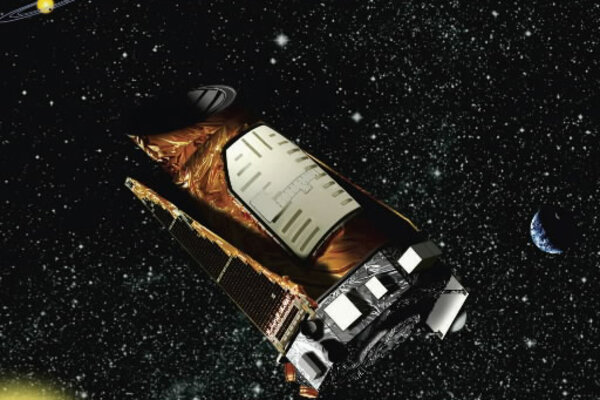 What's likelihood another planet will host intelligent life? 92 percent.Even after giving birth to 100 million trillion Earth-mass planets in the habitable zones of host stars, the cosmos has the raw material to produce more than 10 times that number, according to a new study.
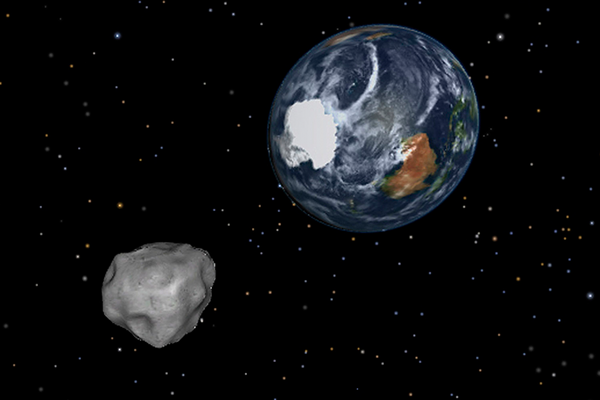 'Spooky' asteroid to zoom past Earth at 78,000 m.p.h. on HalloweenAn asteroid dubbed 'Spooky' is anticipated to come within 310,000 miles of Earth, its nearest approach is estimated at 11:14 a.m. Eastern on October 31.
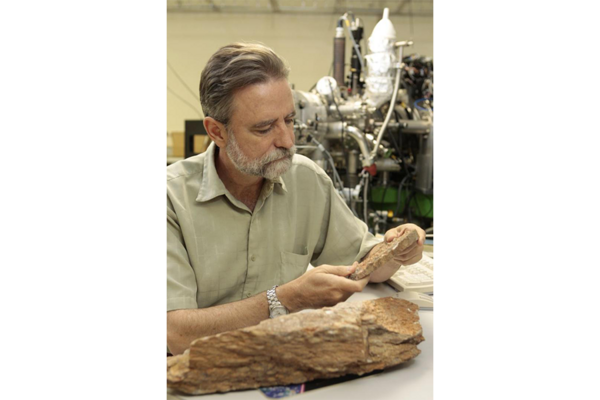 First LookWhen did life first emerge on Earth? Maybe a lot earlier than we thought.A finding of carbon inside volcanic rock indicates that life could have begun on earth as early as 4.1 billion years ago, when earth was still in a volcanic stage.聽
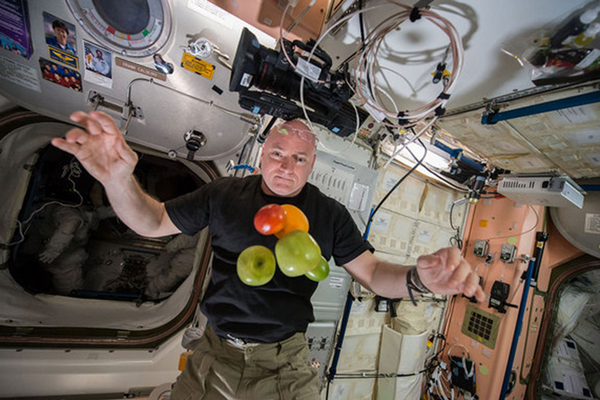 NASA astronaut sets US spaceflight duration recordHaving spent more than 381 days space, NASA astronaut Scott Kelly has set a new聽record for the most total cumulative time spent in space by an American astronaut.