All Science
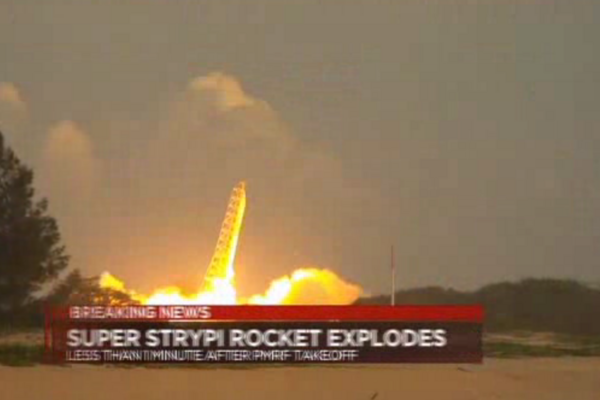 First LookRocket launch fails: Why University of Hawaii sees successIt's too soon to tell what caused the rocket carrying a University of Hawaii-made satellite to tumble back to Earth. Why some see success anyway.聽
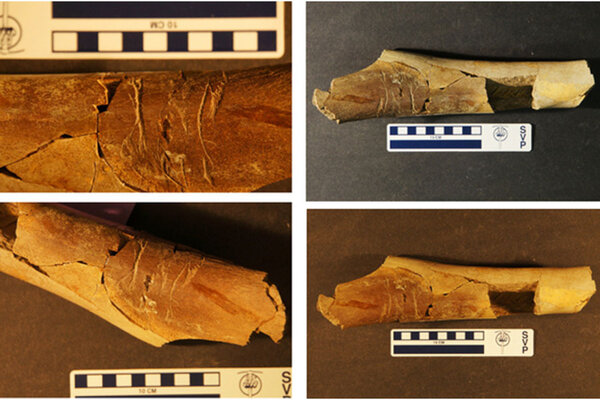
 First LookTyrannosaurus rex had competition for biggest biteThe聽Allosaurus could open its mouth wider than a right angle.
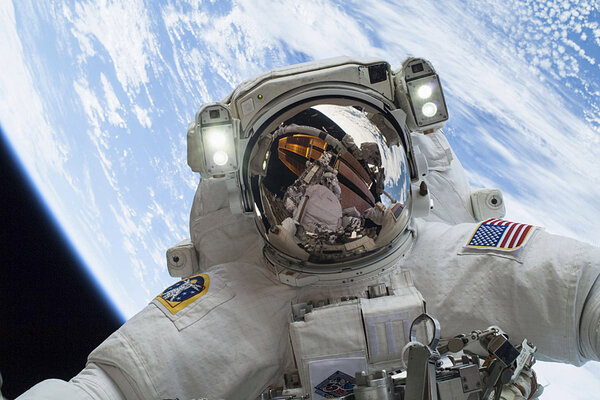 First LookCalling all aspiring astronauts! NASA is hiring!Do you have what it takes to become an astronaut? NASA wants to hear from you.
 Three lessons from that Antarctic ice studyA satellite study that found Antarctica is gaining ice contrasts previous findings.聽
 Deep-Earth diamonds lots more common, but microscopic, study saysTwo researchers at Johns Hopkins University have developed a new model for the formation of diamonds in deep Earth, challenging the notion that the precious stones can only be created through oxidation and reduction processes.
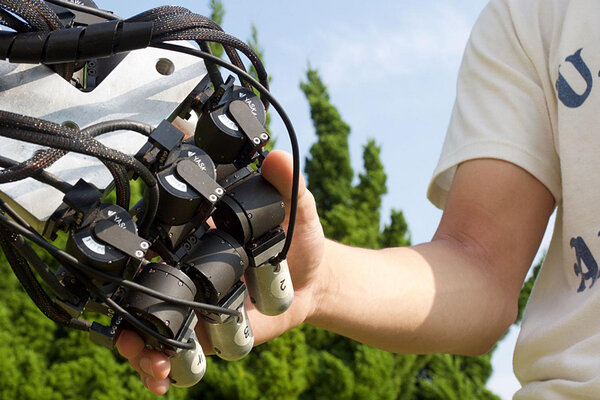 Do humans share feelings with robots? A new study suggests they do.A new study released by researchers in Japan reveals that humans may exhibit similar levels of immediate empathy towards robots in pain as they do towards humans.聽
- Did tyrannosaurs eat each other?Fossils of gnawed bones unearthed in Wyoming suggest that聽Tyrannosaurus rex might not have been above snacking on its conspecifics.聽
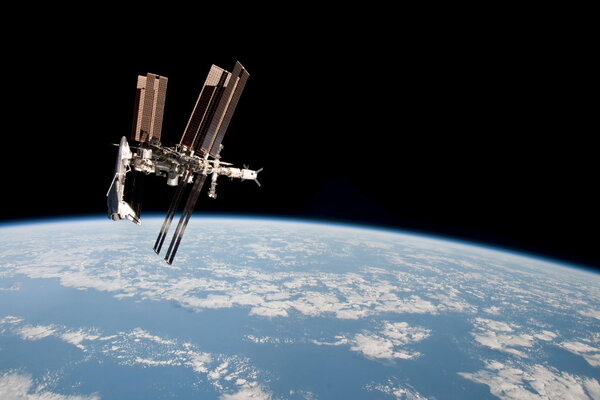 15 years of the ISS: What's next for manned space stations?Despite major technological changes and upheavals in international politics, the space station remains a beacon of scientific progress.
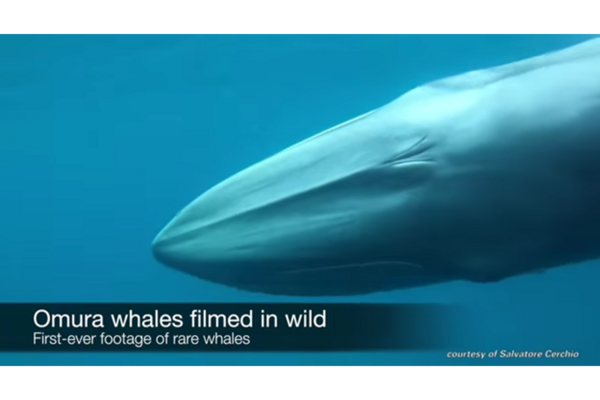 'Extinct' Omura's whales spotted: How rare are they?The discovery of 44 groups of Omura's whales off the coast of Madagascar offers hope for the little-known species.
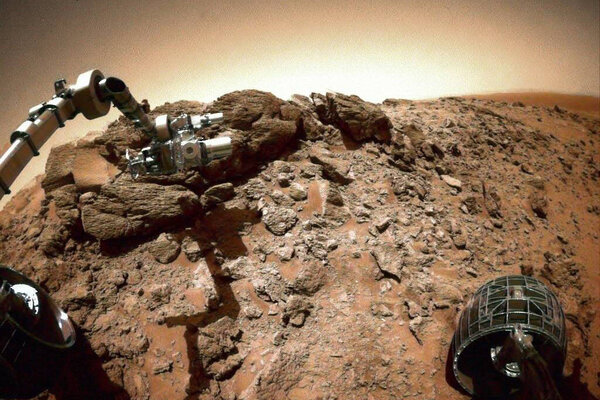 First LookSmog on Mars? How acidic fog melted Martian rocksCombining data from the Spirit rover's many instruments, Shoshanna Cole argues that acidic vapors are responsible for the odd agglomerations on Husband Hill in Mars's Gusev Crater.
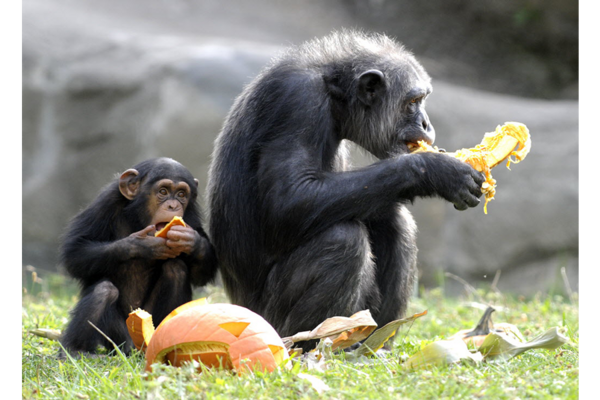 Can Dutch chimps learn a Scottish accent? Scientists aren't so sure.A widely-covered study that suggested that primates may adapt their grunts to match those of new neighbors in new places is now being questioned.
 How has the International Space Station changed in the past 15 years?Fifteen years ago, when the International Space Station took on its first crew, the orbiting habitat lacked proper ventilation, Internet, and consistent communication with the ground, Expedition 1 commander聽Bill Shepherd says.
 Borneo mollusk sets record for world's smallest snailMeasuring less than a millimeter, a newly described snail can be seen only with a microscope.
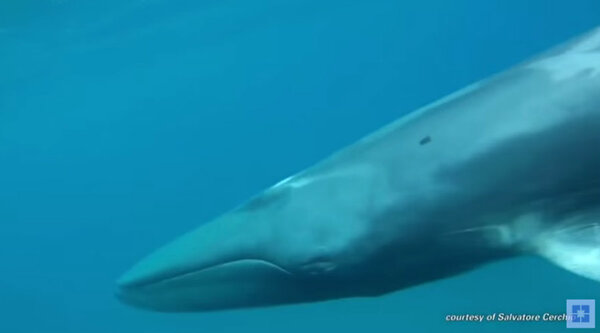 First LookWatch first-ever footage of the elusive Omura鈥檚 whaleA team of researchers has made the first field observations of Omura鈥檚 whale, one of the most elusive species of whales in the world.
 First LookSkywatchers, don't miss these awesome cosmic spectaclesNovember promises to bring a slew of celestial events, sure to keep amateur astronomers busy.
 First LookIn photos: NASA celebrates 15 years of human habitation on ISSFor the past 15 years, Earthlings have eagerly gobbled up tidbits of life in space.聽Here鈥檚 a look at some of the photo highlights of human presence on the ISS.
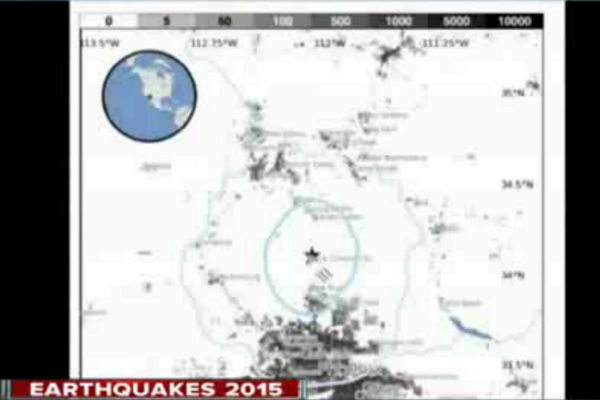 First LookTrio of quakes rattle Phoenix area: How common are Arizona temblors?Three earthquakes shook parts of Arizona Sunday night, with the largest of the series at magnitude 4.1, the US Geological Survey said.
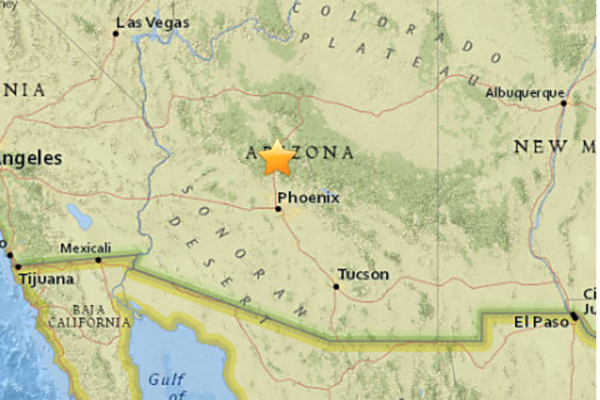 Arizona shaken by rare 4.1 earthquakeA series of thee small, but shallow earthquakes struck north of Phoenix, Ariz. on Sunday night.聽
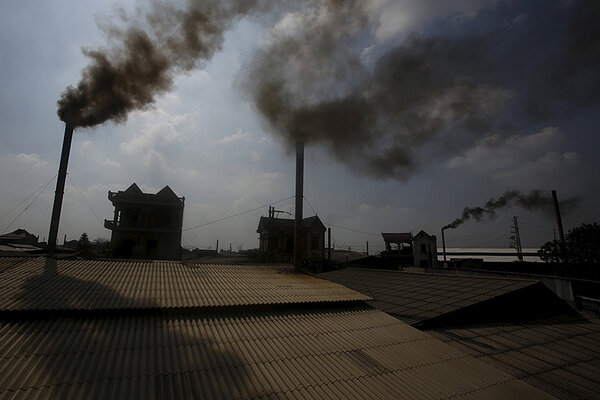 Planned emissions cuts not enough to save climate, says UNThe plans proposed by about 150 countries to limit greenhouse gas emissions will not keep global temperatures increases to below the critical 2-degree-Celsius threshold, says the United Nations.聽
 Does time run backward inside black holes?Using the 'holographic principle,' a new study suggests that the ever decreasing entropy of black holes could means that thermodynamic time may go backward near black holes.