All Science
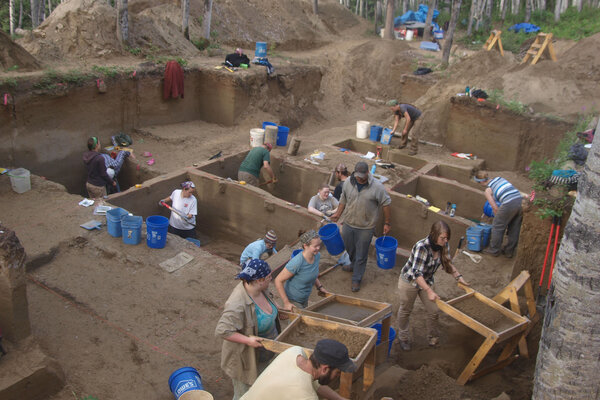 First LookWhat ancient babies reveal about ice-age Americans' travelsDNA analysis of infants buried some 11,500 years ago supports the Beringian Standstill hypothesis, suggesting that humans were isolated in Alaska for some 10,000 years after crossing the Bering land bridge.
 How drones can help us better understand whalesThe remote technology gives researchers privy access to wildlife.
 West Africa's vanishing lions: Why only a few remainIn West Africa, only 400 lions remain, making them likely the most endangered lions on the planet, according to researchers.
 Bat sonar: Have we been overthinking it?Previously thought to be more complex, the mechanism by which bats use echolocation to navigate is surprisingly simple, say scientists.
 First LookWhy scientists can't wait for a piece of trash to fall to EarthAstronomers will be keeping a close eye on the Indian Ocean next month for a hunk of space debris expected to crash down off the coast of Sri Lanka.
 First LookWhat Comet Lovejoy can tell us about the origins of life on EarthNew research of the comet Lovejoy adds further evidence to the hypothesis that the building blocks of life were delivered to Earth by comets billions of years ago.
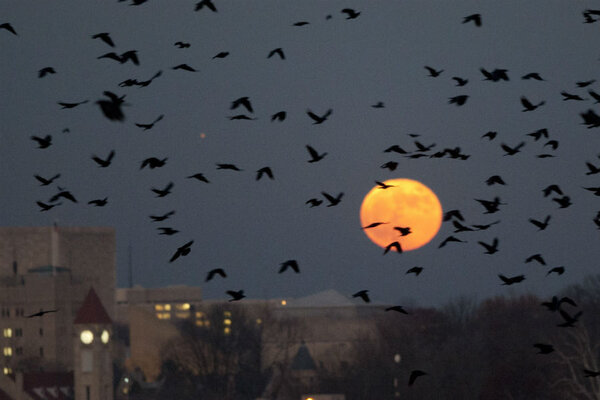 CSI crows: What the birds learn from their deadCrows pay attention to other dead crows, not to mourn, but in an effort to understand what happened, according to a new study.
 Is Spooky the Halloween Asteroid really a comet?Spooky the Halloween Asteroid, a 1,300-foot-wide object set to zoom past the Earth on October 31, may actually be a comet, say NASA scientists.
- Mars, Venus, and Jupiter dance together in predawn skyMonday morning's聽close conjunction of Venus, Jupiter and Mars can be viewed with the naked eye.
 Conservationists welcome Puget Sound's sixth baby orcaResearchers with the Center for Whale Research say they have spotted a newborn orca, the sixth baby born to Puget Sound's orca pods in 10 months.
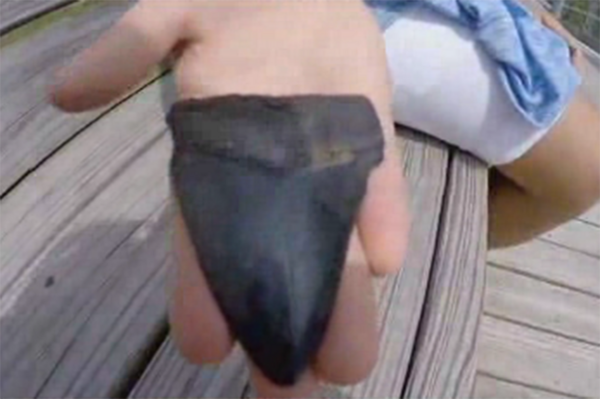 Gigantic shark teeth wash ashore in North CarolinaThese fossilized shark teeth are from one of the largest predators to ever live, and once gnashed in the jaws of the Megalodon shark.
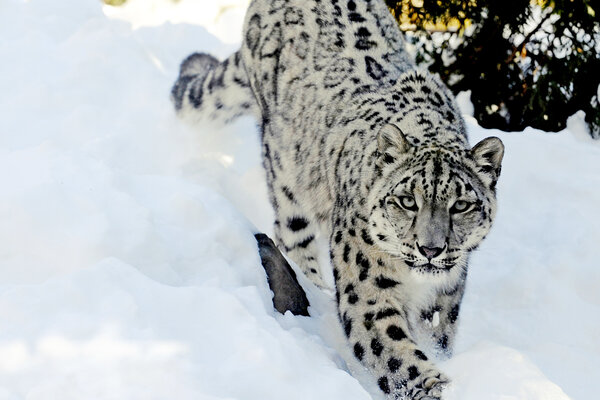 Can we save the snow leopard from climate change?Climate change is causing local human populations to encroach on snow leopards' habitats in Central Asian mountains, encouraging leaders from over 12 countries to work together to save the giant cats.
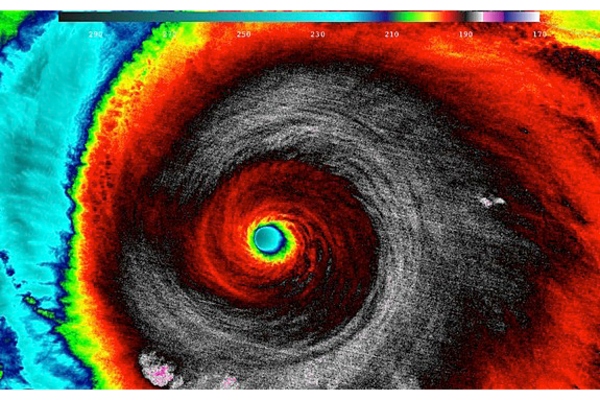 Hurricane Patricia: How strong can a hurricane get?Before fizzling out, Hurricane Patricia set a new record as the聽strongest hurricane ever recorded in the Western Hemisphere.
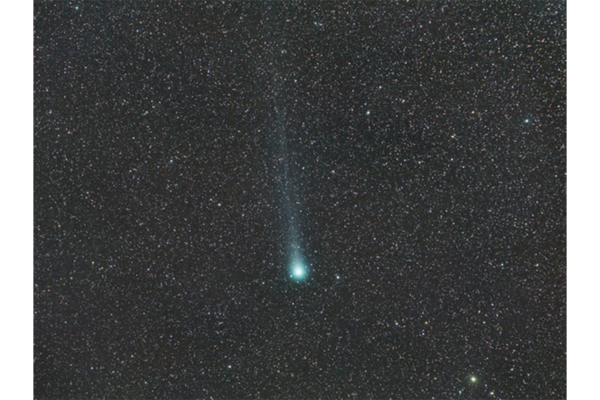 Ingredients for life were present from the start, comet study suggestsAs it approached the sun, Comet Lovejoy began ejecting complex organic molecules, suggesting that the building blocks of life were present in our solar system when the planets formed.聽
- First LookCould deep-sea bacteria be the latest weapon against climate change?Researchers are using bacteria from the ocean floor to neutralize carbon dioxide. The challenge is producing it on an industrial scale.
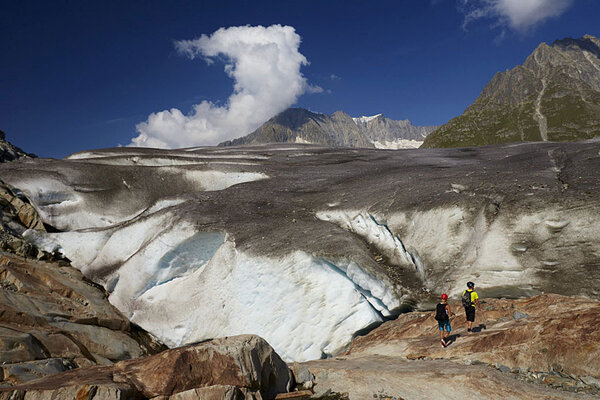 How finances in poorer nations are slowing climate negotiationsThe question of financial support for developing countries is proving to be a roadblock in negotiations ahead of the Paris climate summit later this year.
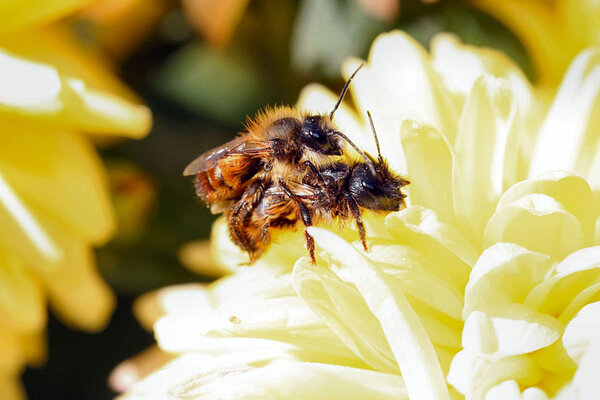 How a bee鈥檚 buzz signals hometown, attracts femalesFemale red mason bees accept or deny males based on vibrations the male makes during mating behaviors. Researchers found that these vibrations can communicate to the female where the male bee is from.
 First LookKerberos revealed: Pluto's smallest moon takes bizarre shapeNewly obtained images of Kerberos challenges initial theories about Pluto's smallest moon.
 First LookHas Hubble opened a window back in time to the earliest galaxies?Using the NASA/ESA Hubble Telescope, a team of astronomers found galaxies that existed less than a billion years after the Big Bang, making this one of the most significant discoveries of dwarf galaxies from that time.
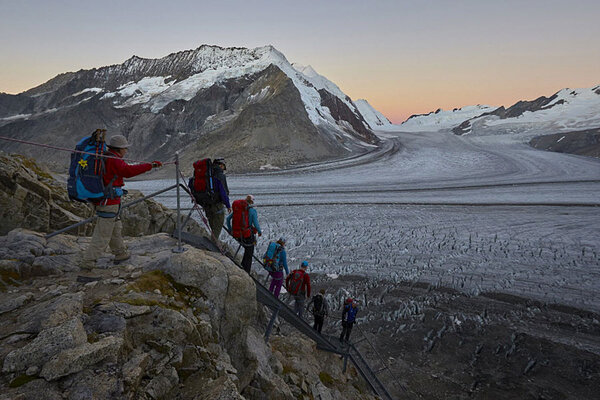 How the success of Paris climate talks may depend on aid for poor nationsDeveloping countries face vulnerabilities and costs in the face of climate change and may need extra help. That aid might determine the success of the climate summit in Paris later this year.
