All Science
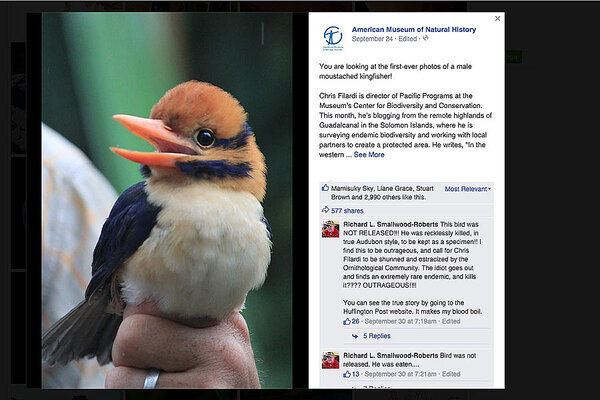 For scientists, should killing rare species be business as usual?The debate over a rare kingfisher's capture and death reveals rifts within the scientific community over long-term conservation versus individual animal welfare.聽
 How did Mars get its water?NASA scientists say that questions about the origin of water on Mars are among the many unsolved mysteries of the Red Planet.
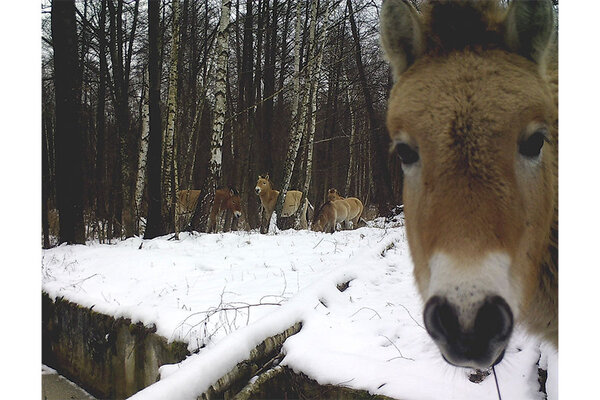 Wildlife thriving in abandoned Chernobyl zoneThree decades after the world's worst nuclear disaster, the exclusion zone around the remains of the聽Chernobyl聽nuclear power plant has become a haven for wildlife.
 Night of the Zombees? Scientists seek link to colony collapse disorder.Experts continue to research the parasitic fly聽Apocephalus borealis and to question its relationship to colony collapse disorder.
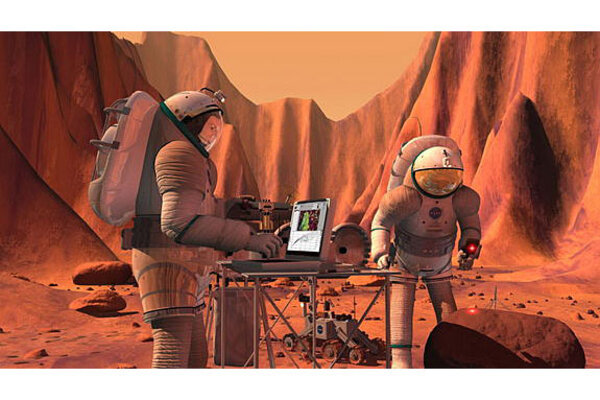 Inside NASA's three-phase plan to put humans on MarsNASA's plan to put boots on the Red Planet sometime in the 2030s will first require honing humanity's spaceflight expertise in the proving ground between Earth and the moon.聽
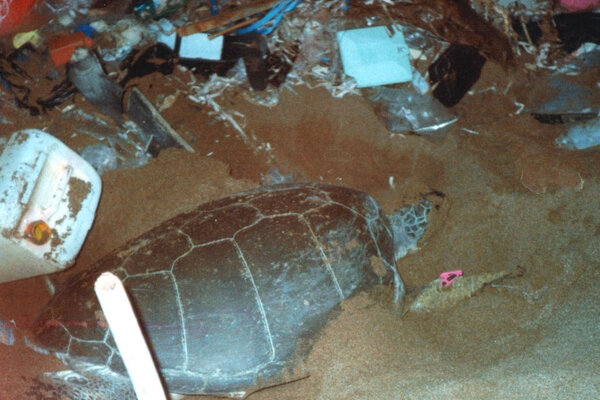 Can we save the sea turtles from our plastic?Floating plastic waste poses a risk to sea turtles and other aquatic animals.
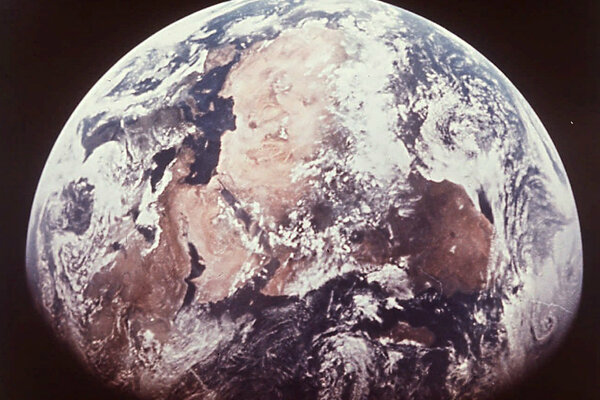 What ancient rocks reveal about Earth's inner coreNew data suggests that the Earth's inner core formed between 1 and 1.5 billion years ago.
 Why does Congress call Mars plan a 'journey to nowhere'?Movies like 'The Martian' and new NASA discoveries are capturing public imagination about space exploration, but Congress seems less excited.
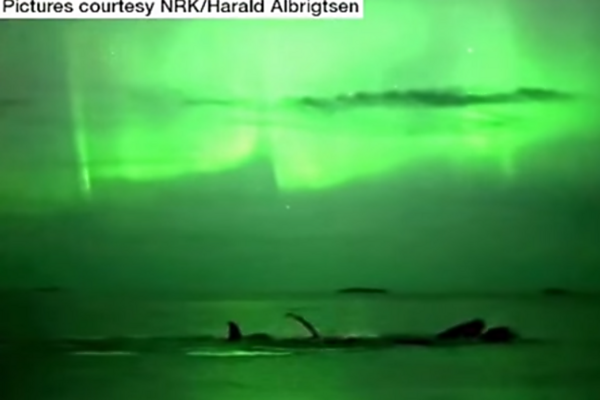 Stunning video of humpback whales bathed in Northern LightsHumpback whales just might be making a permanent return to Norwegian waters.
 Is the eco-tourism boom putting wildlife in a new kind of danger?Ecotourism has grown beyond a niche industry to a global cash cow. But a new study indicates that it may be doing more harm than good.
 Why climate change could leave the Horn of Africa parchedPast rainfall records and new moisture models reveal a bleak projection for East Africa.
 What does an ancient Ethiopian man's genome say about human ancestry?DNA sequenced from a man who lived in Ethiopia some 4,500 years ago reveals migration patterns of ancient humans, say scientists.
 What genome of ancient Ethiopian skeleton tell us about reverse migrationDNA extracted from the skeleton of a man who lived in Ethiopia 4,500 years ago reveals how early humans mingled and migrated between continents. 聽
 First LookAn azure sky? Pluto's 'gorgeous' blue halo intrigues scientistsThe New Horizon's team was shocked to find the dwarf planet features a blue sky similar to that on Earth.
 Climate change is good news, at least for Swedish sand lizardsIn a study published Wednesday, researchers suggests that a northern lizard species has greater reproductive success because of climate change.
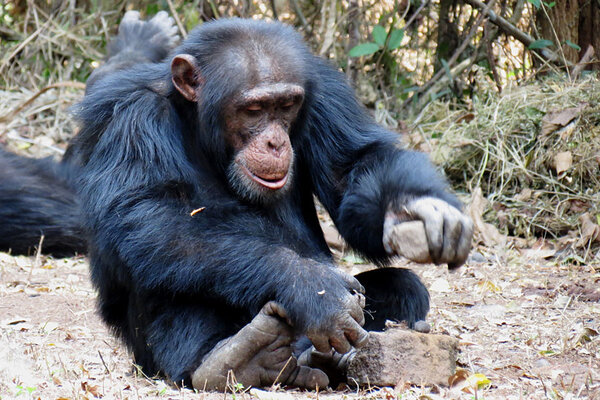 Chimps and tools: The boys play, while the girls learnResearchers find that chimpanzees and bonobos, humans' closest cousins, interact with objects in distinct ways depending on their gender.
 How an underwater heat wave is bleaching coral reefs worldwideOcean temperatures that are too warm for corals may leave the world's reefs damaged long-term.聽
 Blue skies and water-ice: How similar are Earth and Pluto?New color photos of Pluto reveal that the dwarf planet has blue skies and water-ice.
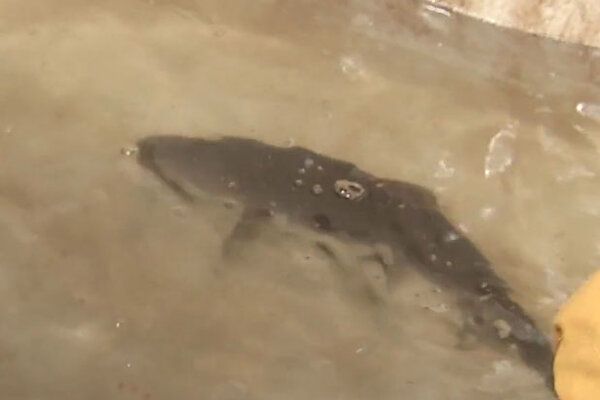 Urban runoff is killing salmon. Here's how to fix it.Polluted urban water is killing salmon, but researchers have an inexpensive and reliable solution: dirt.聽
- 3,000 years ago, an early human journey back into AfricaA new discovery is shedding light on a population of early Africans who came from the ancient Middle East. It suggests that Africa was more connected to the broader world at that time than thought.