All Science
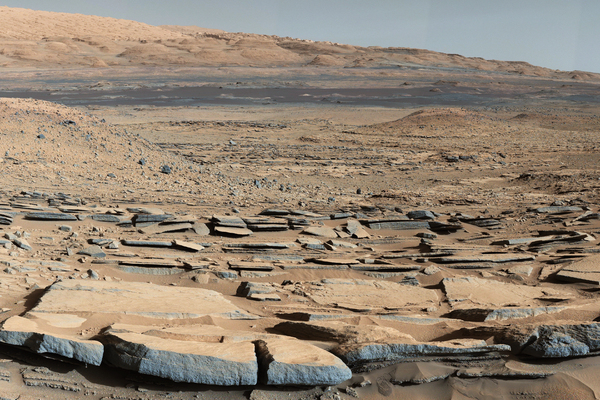 First LookMars had more than water, it had lakes too: What could that mean?Previously scientists believe that wet conditions were transient or only existed underground. This new evidence not only proves that water existed above ground, but also that it was long-lasting.
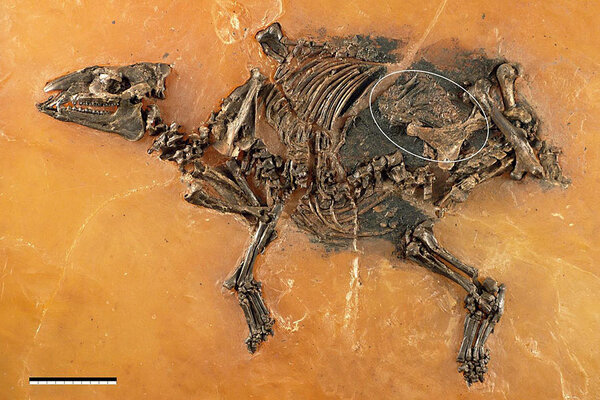 What can a 48-million-year-old horse uterus teach us about ourselves?Researchers have discovered a pregnant 48-million-year-old horse with a preserved placenta, demonstrating that mammal's modern uterine systems developed hundreds of millions of years ago.
 Lakes on ancient Mars could boost chances for life on the Red PlanetNASA's Curiosity rover found that Mars' Gale Crater likely had lakes for hundreds or thousands of years at a time.
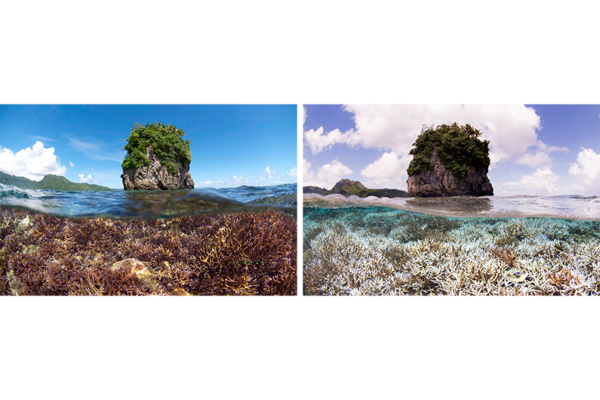 Major coral bleaching crisis spreads worldwideScientists are warning that devastating bleaching of colorful coral, triggered by global warming and El Nino,聽is becoming a worldwide crisis.
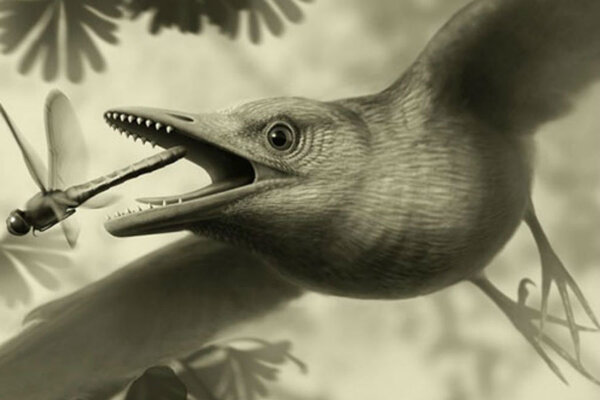 First LookCould early birds fly? Fossil may hold answers to ancient mystery.A well-preserved 125-million-year-old wing has been dug up in central Spain, and researchers say they have an answer to an old question.
 Scientists win Nobel for bizarre neutrino discoveryThe Nobel Prize for Physics this year goes to a Japanese and a Canadian scientist, for their discovery that ghostly neutrino particles can oscillate identities as they travel.
 'The Blob': As warm water kills off coral reefs, can we help?Although experts fear rising ocean temperatures will kill the world's coral reefs, there might be several ways to save these biodiversity hotspots.聽
 How the spider got his kneesResearchers have isolated the gene linked to knees in arachnids.聽
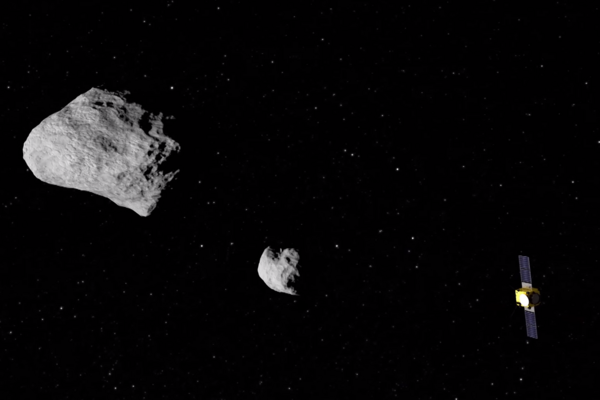 First LookWhy NASA and ESA are trying to crash a spaceship into an asteroidThe international space community has identified a target to help deflect asteroids away from Earth.
 Why the Himalayas are a treasure trove of new speciesIn just five years, scientists have discovered 211 new species in the east Himalayas.
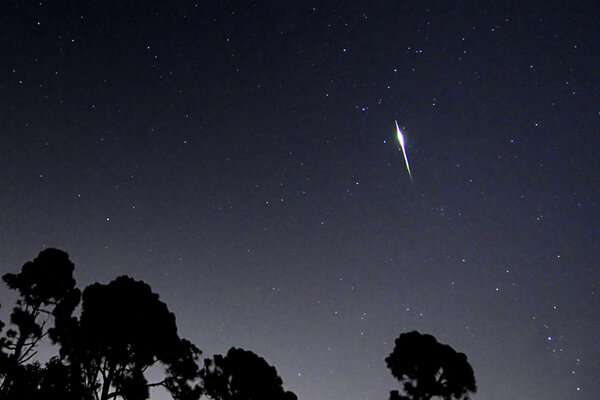 How to watch the Draconid meteor showerThe Draconid shower聽is set to give keen skywatchers a great show聽the evenings of Oct. 8 and 9,聽weather permitting.
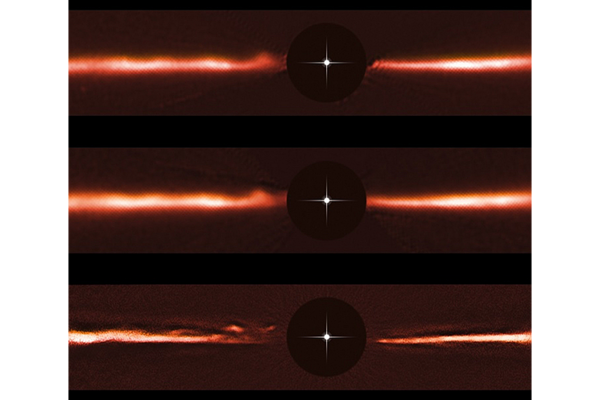 Astronomers spot bizarre, fast-moving ripples in dust around starScientists have detected wavelike ripples hurtling across the accretion disk around a聽red dwarf star some 32 light-years from Earth.
- Ancient human was adapted for climbing trees, using toolsHomo naledi, the most recently discovered member of our genus, had hands and feet adapted for life both in the trees 聽and on the ground.
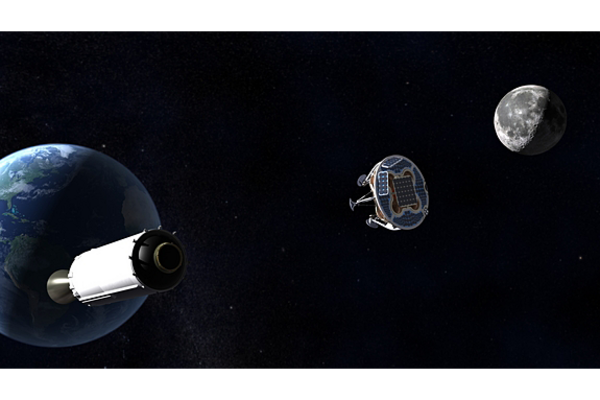
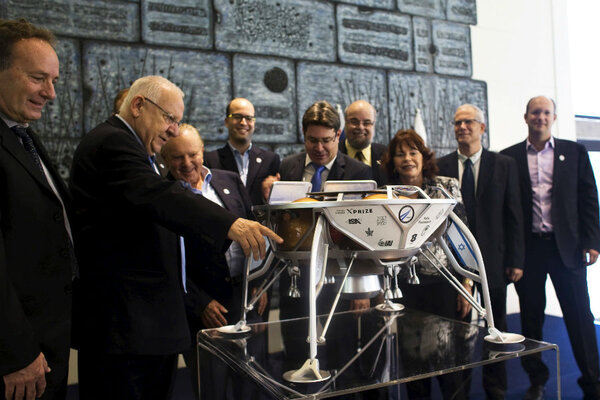 Israel leads in Google space race. Is a private moon landing imminent?A frontrunner has emerged in a Google-run competition to land a private spacecraft on the moon before the end of 2017.
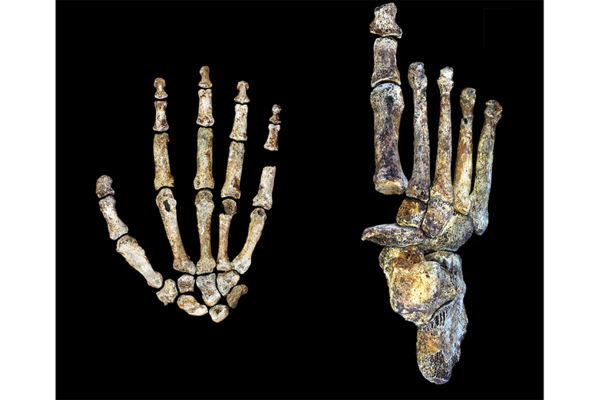 First LookOur human ancestor Homo naledi 'walked a lot like us''Homo naledi possessed a strikingly modern human-like foot,' allowing it to walk long distances and perhaps even run, researchers say.
- What will be the first corporation on the moon?The private race to the moon is intensifying, as companies vie for Google's Lunar X Prize.
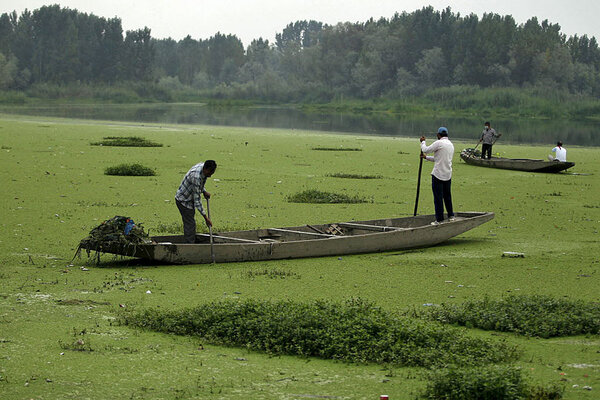 Ancestors of land plants may have been wired to move to shoreResearchers find that ancestral algae may have been evolving for terrestrial life before moving to land.
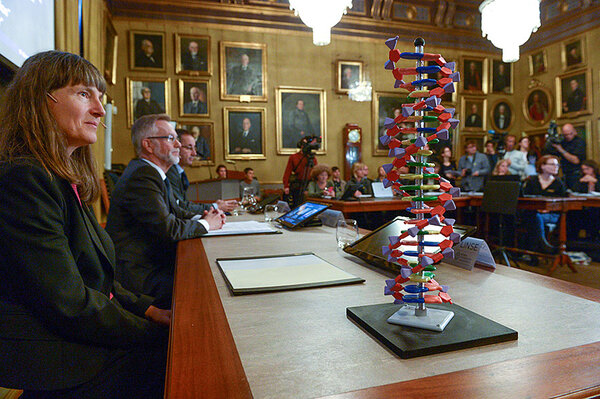 Scientists win chemistry Nobel for DNA repair studiesThe Nobel Prize in chemistry goes to three scientists who investigated the ways in which DNA repairs itself.
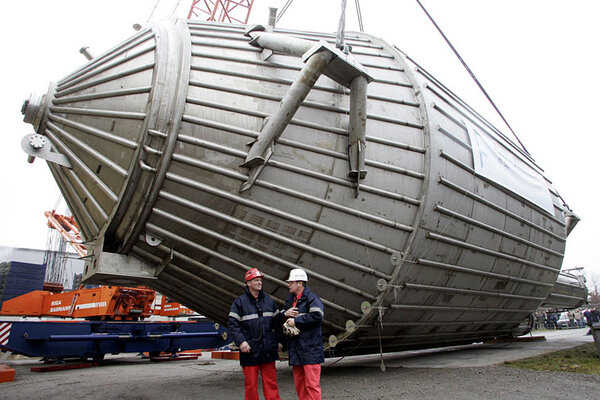 Startling neutrino discovery wins physics Nobel PrizeTwo scientists receive the Nobel Prize in physics for their work with the subatomic particles 鈥� neutrinos.
- Homo naledi: How ancient hands and feet shed light on human evolutionScientists studied hundreds of bones of the recently discovered early human Homo naledi to find that our relative had modern abilities, like walking and tool use, and primitive ones, like tree climbing.