All Science
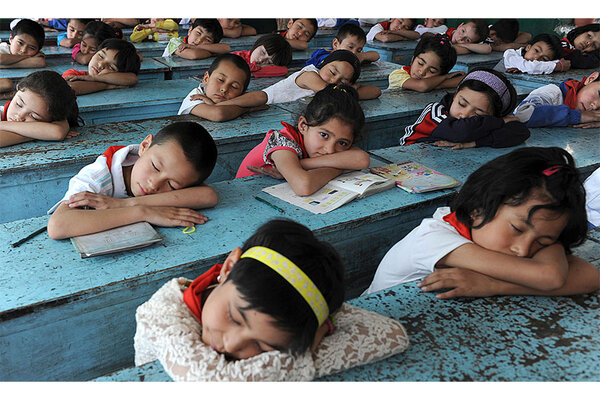 Did cavemen get more sleep than we do?A study of hunter-gatherer communities overturns conventional wisdom about the role of modern society, and particular electric lighting, in fostering sleep deprivation.
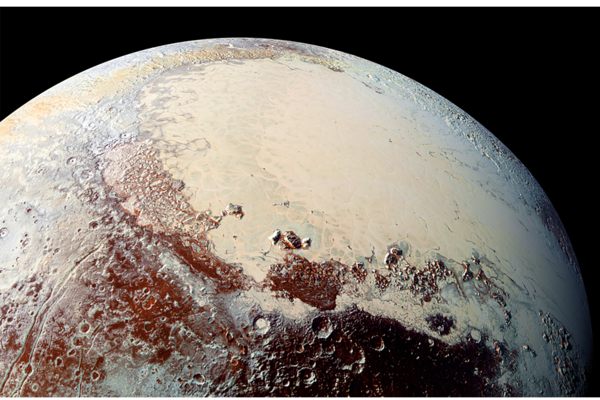 Pluto: A mountainous, flat, frozen, and diverse worldResearchers on NASA's New Horizons mission have published their first paper about the Pluto system.
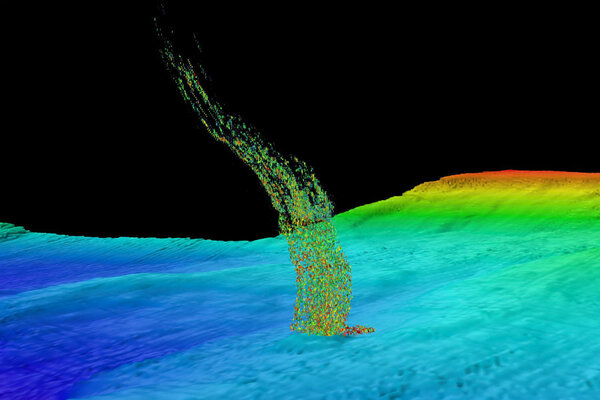 First LookHow the ocean鈥檚 frozen methane is being unlocked by climate changeScientists have examined bubble plumes that suggest subsurface warming is causing once-frozen methane to be released as gas.
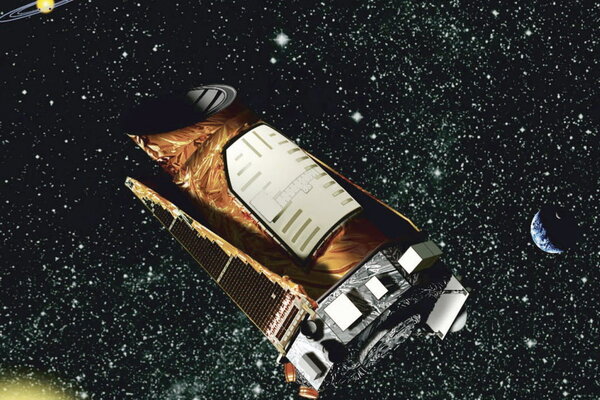 Mysterious star activity. Is it aliens?Probably not, but those strange dips in light around a distant star captured by NASA鈥檚 Kepler telescope currently lack a satisfactory explanation.
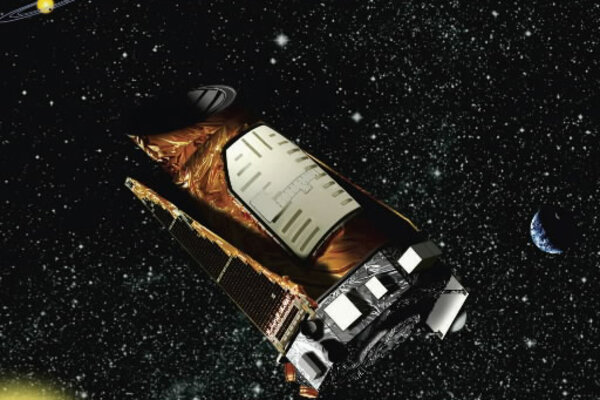 First LookDid Kepler telescope really pick up evidence of 'alien megastructures'?For now, the best guess from researchers is that they have spotted an enormous cloud of comets going around a distant star, but there is a proposal to look deeper.
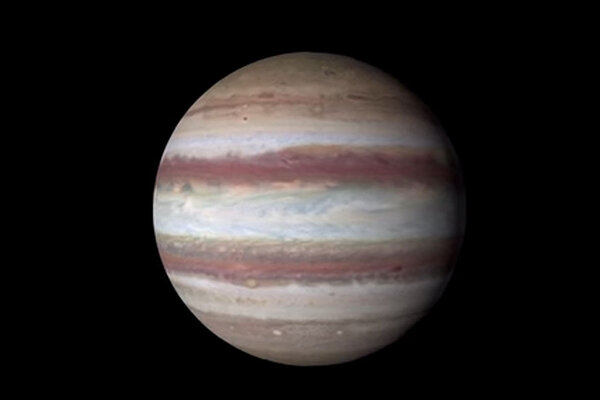 Check out this spectacular video of Jupiter's shrinking Great Red SpotNASA used new Hubble images of Jupiter to create a video of Jupiter. The Great Red Spot has long been shrinking, but that process might be slowing down.
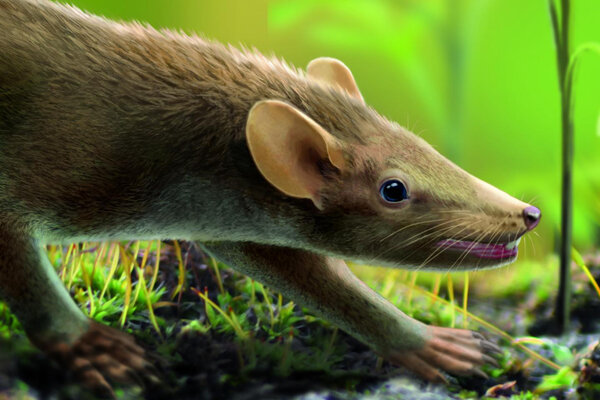 First LookThis 'Cretaceous furball' could be the oldest mammal ever foundThe astonishingly well-preserved fossil found in Spain suggests that some mammalian characteristics were established more than 60 million years earlier than previously thought.
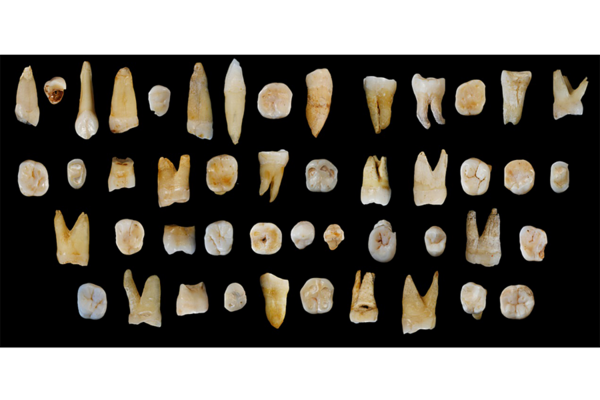 Can 100,000-year-old teeth change human history?Archaeologists unearth human teeth in China from 50,000 years before humans were thought to live there, in 'one of the most important finds聽coming out of Asia in the last decade.'
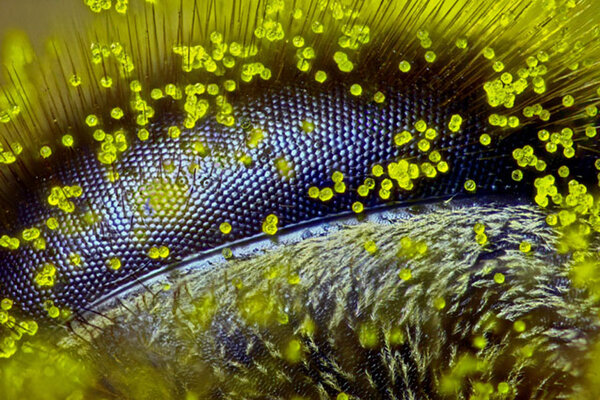 First LookBuzzworthy photos: Contest winners bring microscopic beauty to the massesNikon announced the winners Wednesday for the annual photomicrography contest, supporting a relationship between scientific research and artistic value.聽
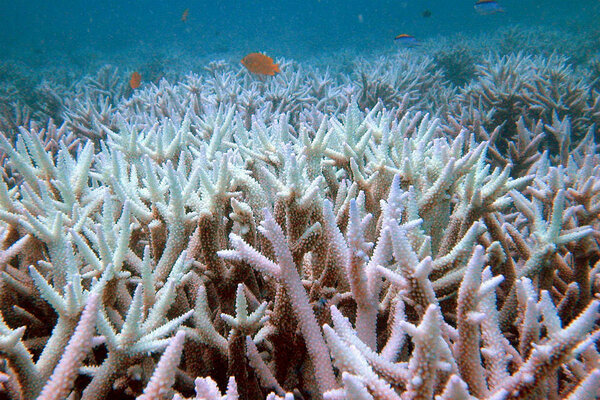 Can 149 climate pledges forestall ocean ecosystem collapse?Climate change: Nearly 150 countries have pledged to cut down on carbon emissions as scientists warn that current emission levels severely threaten the diversity and abundance of marine life.
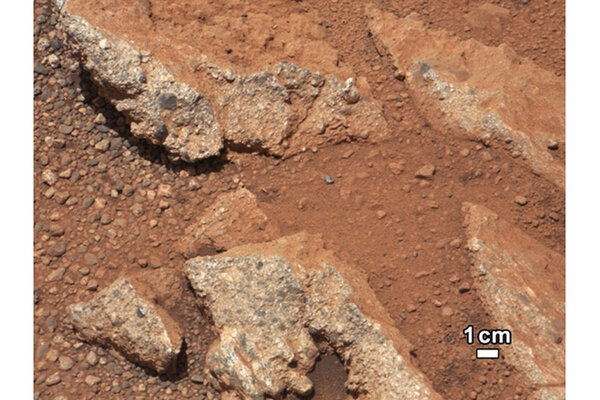 Did Mars once have rivers? Pebbles say yes.The shapes of certain pebbles on Mars indicate that they rolled dozens of miles down a river, say scientists.聽
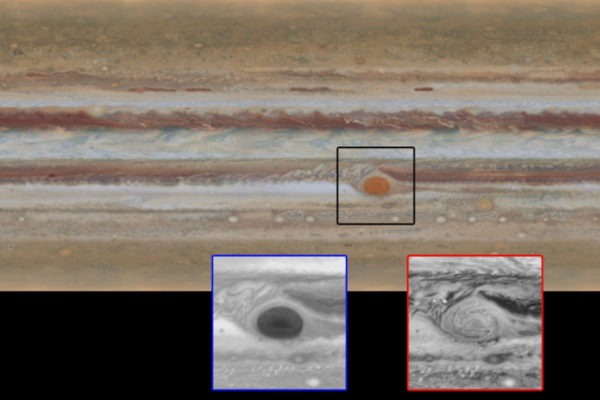 First LookHubble's spectacular Jupiter portrait: What happened to the Great Red Spot?The annual photos of the outer planets help update NASA's maps and include characteristics like wind, clouds, storms, and atmospheric chemistry.
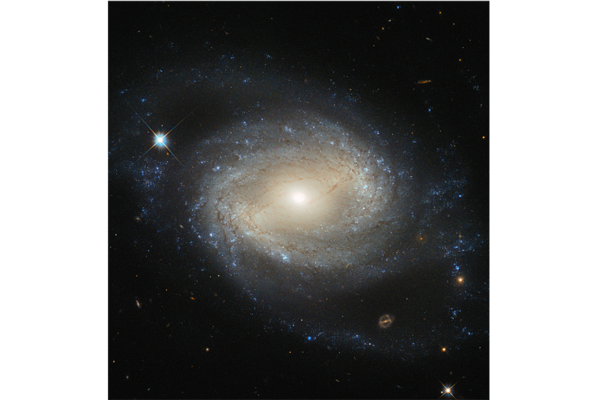 First LookSpectacular Hubble photo: A bright galaxy holds a hidden secretThe Hubble Space Telescope captured a remarkably clear photo of the barred spiral galaxy NGC 4639.
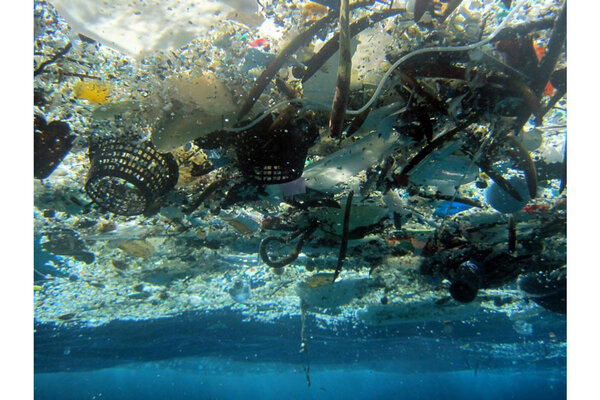
- Second Kon-Tiki voyage to map Great Pacific Garbage PatchInspired by Thor Heyerdahl's famous 1947 expedition, the Kon-Tiki II is set to explore the little-known southern edge of the vortex of floating debris.
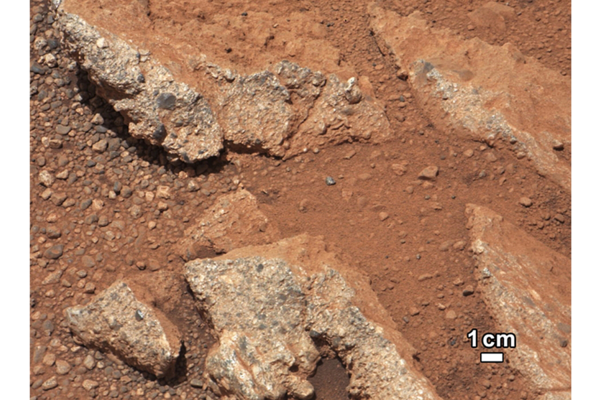 First LookMartian river likely carried pebbles tens of miles: What could it mean?Pebbles spotted on Mars traveled about 30 miles down a river billions of years ago, say researchers.
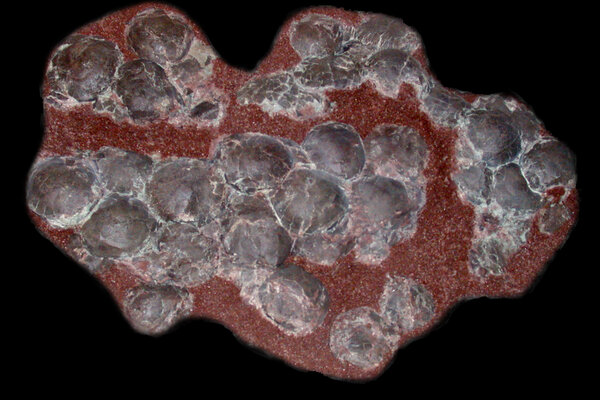 Were dinosaurs really warm blooded? Eggshells hold hints.Through chemical analysis of fossilized eggshells, scientists have estimated the internal body temperatures of both oviraptors and long-necked sauropods.
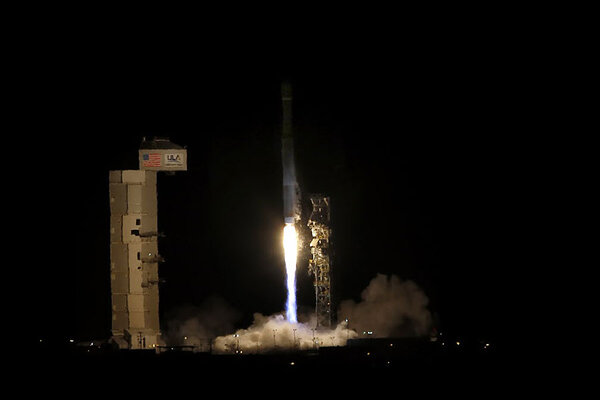 First LookMiniature satellite reaches orbit. Could CubeSats be the next frontier for NASA?NASA's tiny satellite, CubeSat, is now orbiting Earth in a preliminary test of the satellite's laser technology.
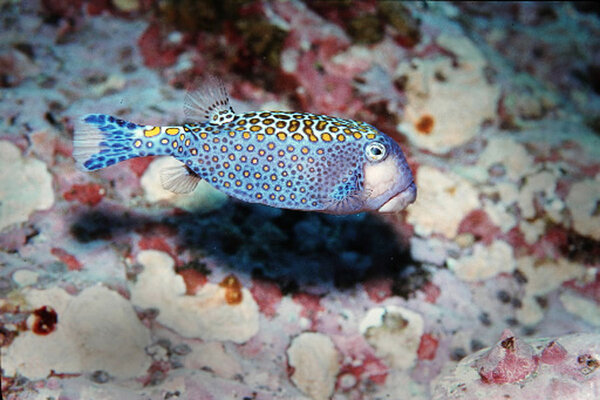 First LookSomething fishy: How climate change reaches into the oceanResearchers examined the effects of rising global temperatures on a variety of fish.
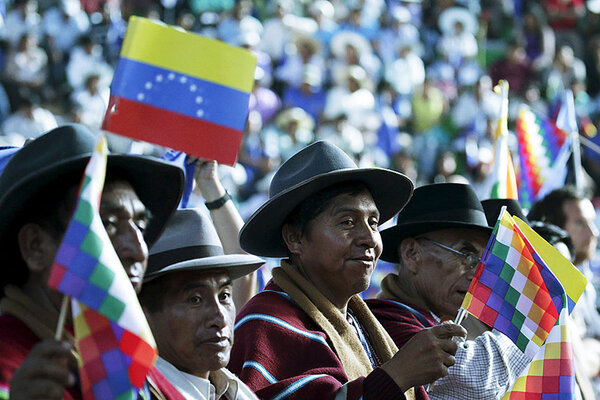 Paris climate talks starting to look like all carrots, no sticksFew of the 200 countries participating in the global climate talks in Paris this December are talking about penalties for those who fail to meet agreed-upon emissions cuts.
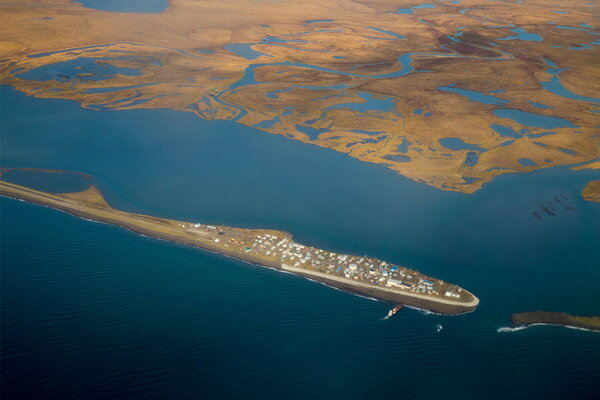 25 million Americans could lose their homes to global warming: Will you?In the US, between 20 and 31 million people's homes will be submerged by rising oceans, if global average temperatures rise by 6 degrees Fahrenheit, according to a new study in PNAS.