All Science
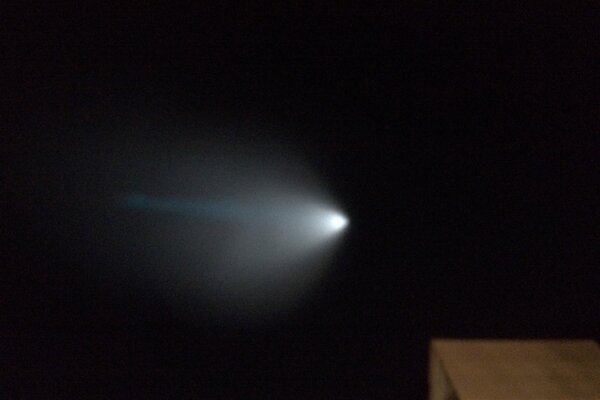 What was up with that weird light in the sky?Assumed to be either a UFO to a multicolored meteor, viewers from Los Angeles to Phoenix were left scratching their heads after a weird light lit up the western sky Saturday night.
 First LookNASA postpones multi-billion dollar contract announcementFor the third time, NASA has postponed the announcement of the winner or winners of a multi-billion dollar contract to ferry cargo to the ISS. Boeing's bid was rejected.
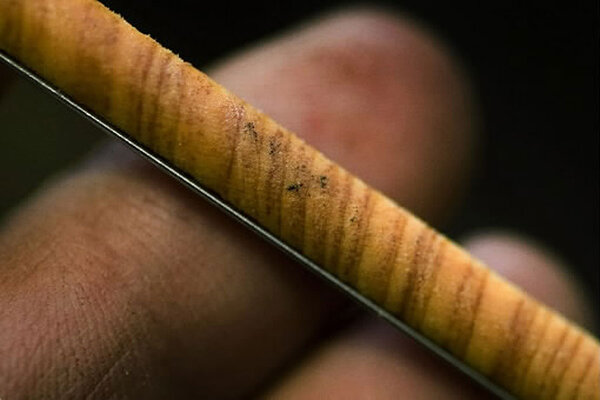 What do trees tell us about climate change?A researcher uses tree-rings to map droughts and downpours throughout history.
 Vibrating bees give dizzying clues about their hivesBees' vibration patterns could indicate how well their hives are doing, say scientists.
- After 5,000 years, British tree changes its sexThe Fortingall Yew, Europe's oldest tree, decided it was time for a gender change.
 Did King Tut have a roommate? In search of a secret chamberKing Tutankhamen's tomb is being explored with infrared temperature scans, as archaeologists use cutting-edge technology to uncover the past without damaging it.聽
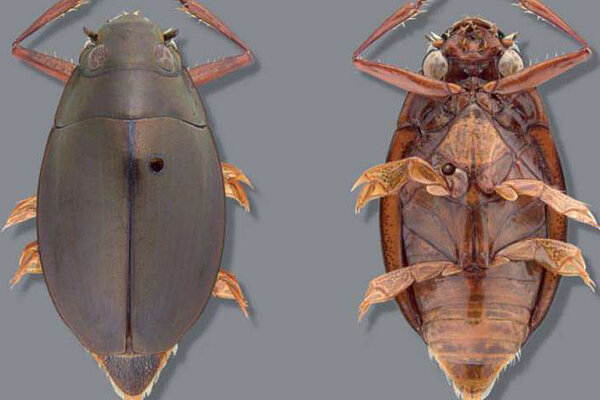 New beetle species may already be endangeredA new whirligig beetle was recently discovered, and due to its particular habitat requirements, it may already need protection.
 In new findings, NASA reports on where Mars's water really wentNASA scientists say that solar winds are responsible for creating the atmosphere that currently exists on the Red Planet.
 Leaking ammonia and glove damage on spacewalk, but astronauts are safeA couple of problems left two astronauts behind in their maintenance work during a spacewalk outside the International Space Station Friday.
 Go along as astronauts conduct spacewalk on today's live webcastTwo US astronauts are stepping outside the International Space Station to conduct repairs.
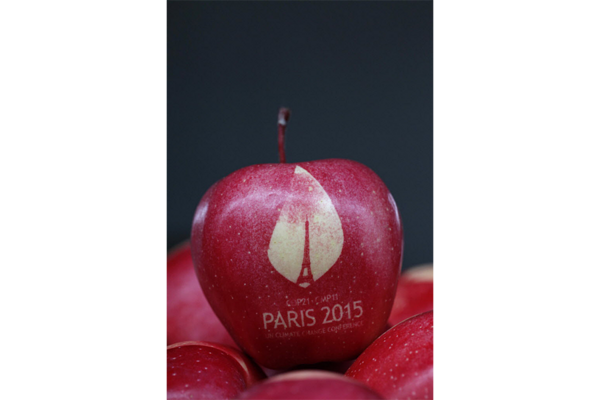 Global emissions will still be too high come 2030, says UNA United Nations report says greenhouse gas emissions will exceed estimated limits even though many nations have pledged to cut emissions.
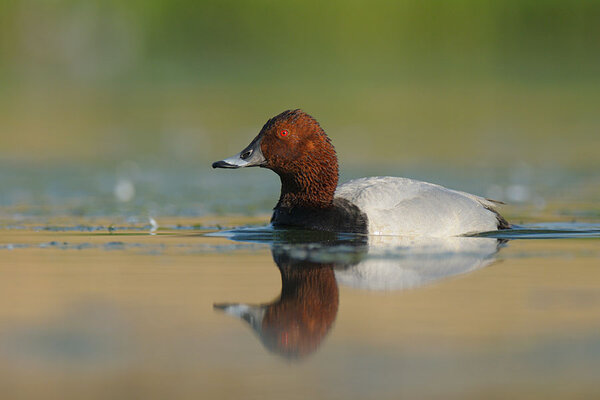 Ducks serve mussels to gulls, say scientistsA new discovery in ornithology shows that gulls, often perceived as opportunistic scavengers, can be impressively fast learners.
 Why do humans speak so many languages?The ecosystem and climate people lived in might have contributed to the evolution of a language, say scientists.
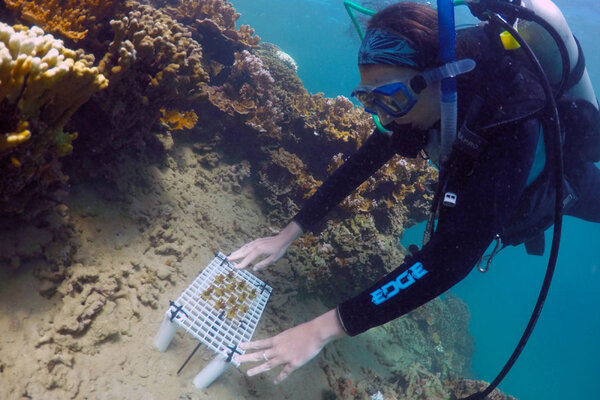 First LookCan 'super coral' save the world's reefs?By intervening in coral evolution, biologists off the coast of Hawaii's Coconut Island have developed a bionic coral that can survive bleaching from warming seas. Time will tell if the super coral can survive in the wild.
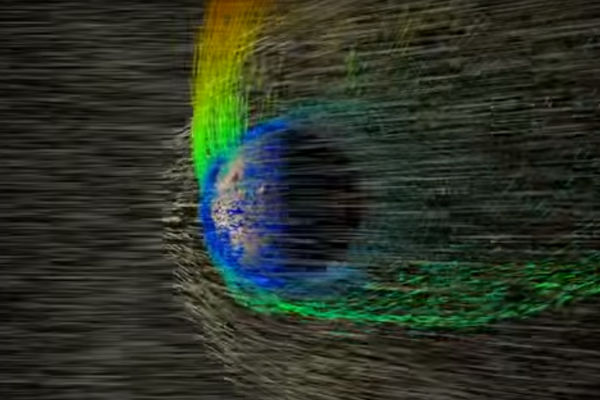 First LookCase of Mars' mysteriously vanishing atmosphere solvedNASA scientists published research Thursday that explains how the Martian landscape was transformed into a cold, dry desert.
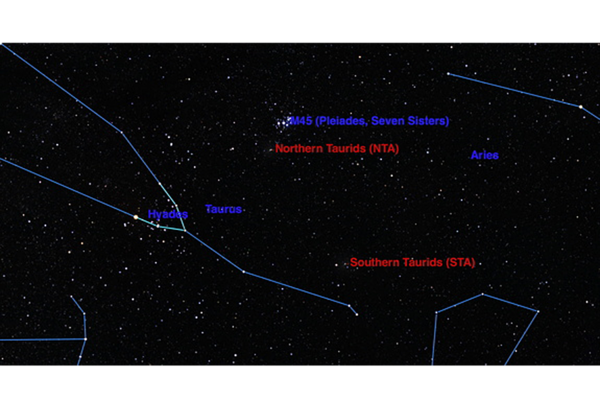 Check out the dazzling Taurid meteor showersTaurid meteor showers: The night sky offers glimpses of 'shooting stars' as meteoroids zoom by Earth.
 How did humans go from foraging to farming?New research finds that productivity wasn't a factor in the agricultural revolution. Instead, property rights, small group size, and 'conservatism' influenced the emergence of farming.
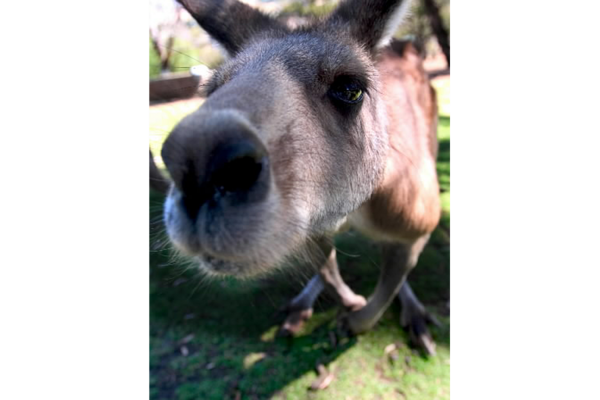 How gassy are kangaroos actually?Researchers find that kangaroos produce more methane than some thought.聽
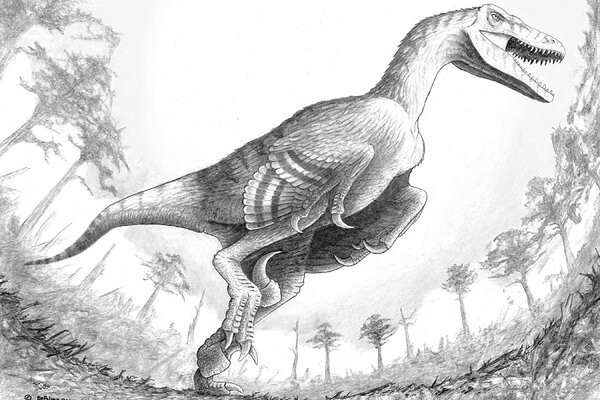 A jumbo raptor once roamed South Dakota, say scientistsDakotaraptor, which roamed present-day South Dakota some 66 million years ago, is one of the biggest raptors yet unearthed.
 First LookNASA releases Halloween asteroid photos. What happened to skull face?NASA聽has captured new high-resolution images of asteroid 2015 TB145, which zoomed past Earth on Saturday.