All Science
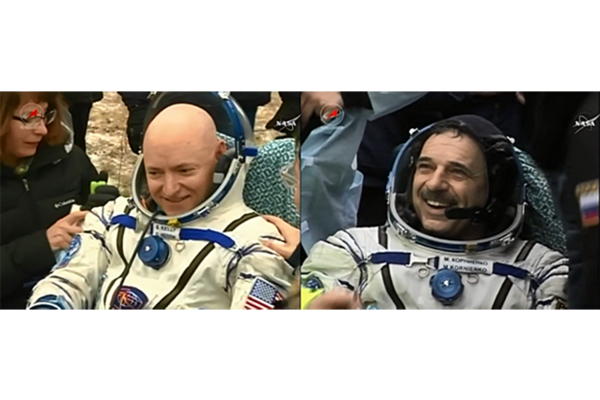 How is astronaut Scott Kelly adjusting to gravity after a year in space?Scott Kelly is back from a 340-day mission aboard the International Space Station. How is he coping with life back on the planet's surface?
- Under the Sea: How much do you know about our watery planet? Take our quiz!
The ocean is a watery and wonderful place. How much do you know about it?
 Can mummies talk? Scientists find out.A team of Italian researchers is building a model of a 5,300-year-old mummy's vocal tract.聽
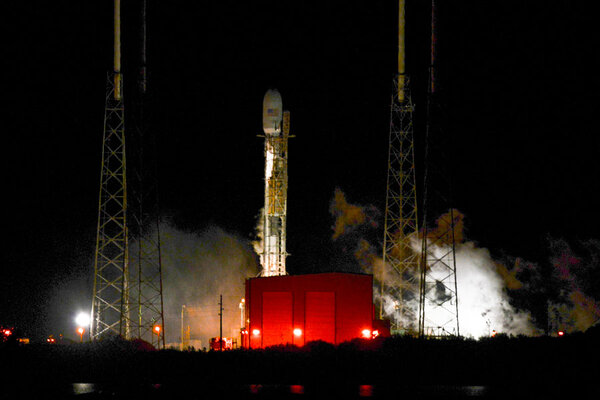 What delayed SpaceX's launch this time?Elon Musk's space supply ship will try again to blast off late this week.
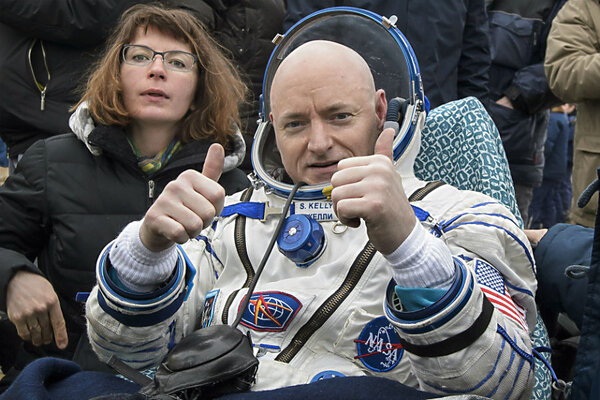 First LookAfter a record 340 days in space, Scott Kelly returns to EarthScott Kelly landed on Earth Wednesday, successfully completing his year in space and setting a record in American space endurance.
- Slovenia eagerly awaits hatching of 'dragon' eggsSlovenia's ghostly olm, a pale amphibian, has laid eggs for the first time in several years in the country's famous聽Postojna Cave.
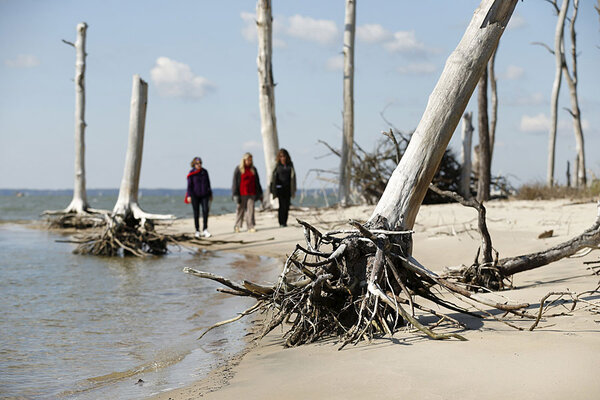 Costs rise faster than water, according to sea level rise study'The complexity of climate change, adaptation, and flood damage can be disentangled by surprisingly simple mathematical functions,' said the lead author of a聽new study from the Potsdam Institute聽of Climate Impact Research.
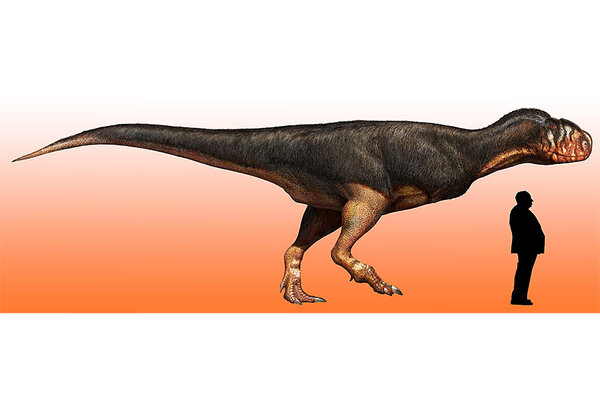 Dusty dinosaur bone sheds new light on perplexing giant predatorsA PhD student who stumbled across a forgotten dinosaur bone in a museum drawer has gleaned insight not only into the enigmatic Abelisaur, but also into a paleontological conundrum: Stromer's Riddle.
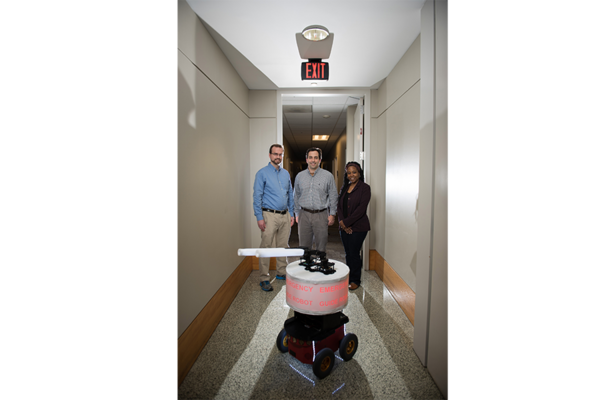 Why do people trust robot rescuers more than humans?As machines become more autonomous, scientists are trying to figure out how humans interact with them, and why, in some cases, they trust machines blindly, in spite of common sense.
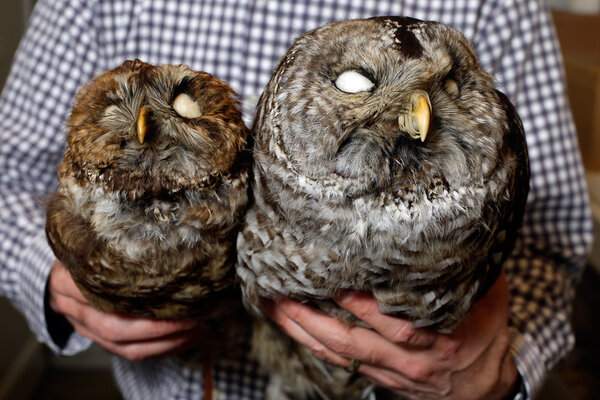 Owl wars: Biologists kill one bird to save anotherWith the cooperation of the US Fish and Wildlife Service, two biologists have been systematically shooting barred owls in their forest homes in the Pacific Northwest, hoping the casualty-heavy experiment will reveal a path to saving the Northern Spotted Owl.
 First LookUnderstanding others: A smarter way to search for aliens?The best way to discover extraterrestrial life might be to consider that they could already be looking for us, scientists say.
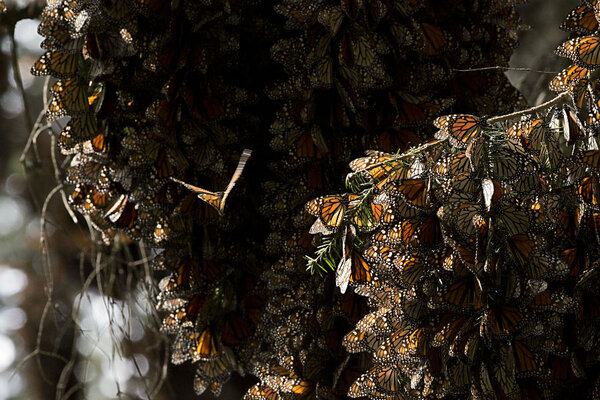 First LookMexico鈥檚 monarch butterfly population makes a comeback. What happened?An estimated 140 million monarch butterflies spent the winter in Mexico this year, a significant increase from last year. What conservation efforts went into this progress?
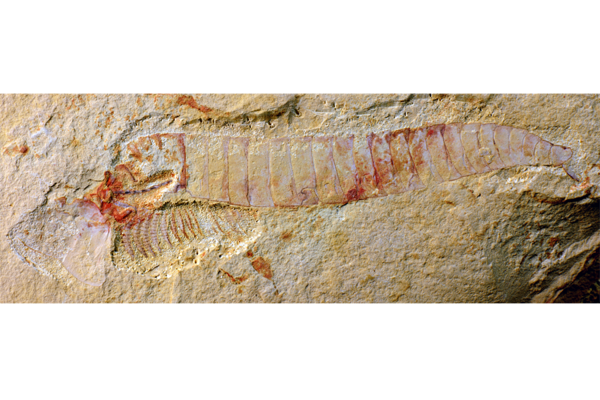 Scientists find 'exquisite' 515-million-year-old fossilized nervous systemScientists have unearthed an early Cambrian fossil that displays the creature's nervous system. What makes this find significant?
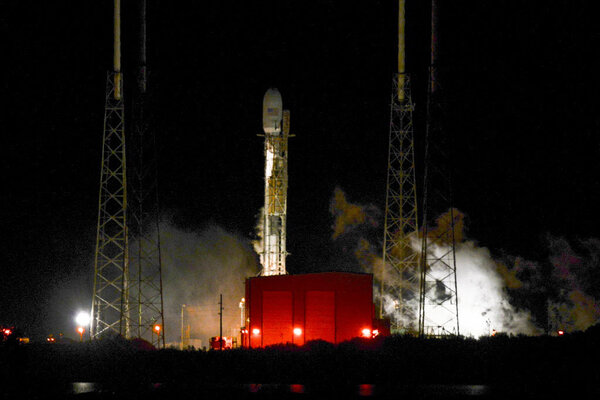 First LookThird launch scrapped in a week: Is SpaceX failing or just innovating?When it comes to innovation, there is a fine line between success and failure.
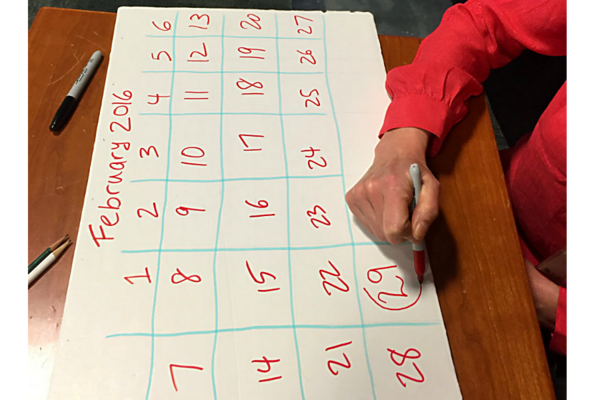 Why is there a leap day? Is there an alternative?February 29 doesn't actually happen every four years, as some assume. Instead, leap days are the result of numerous calendar revisions. How does it work?
 Hubble snaps picture of cosmic blue 'bubble'The space telescope recently captured an image of the nebula in the Carina constellation.
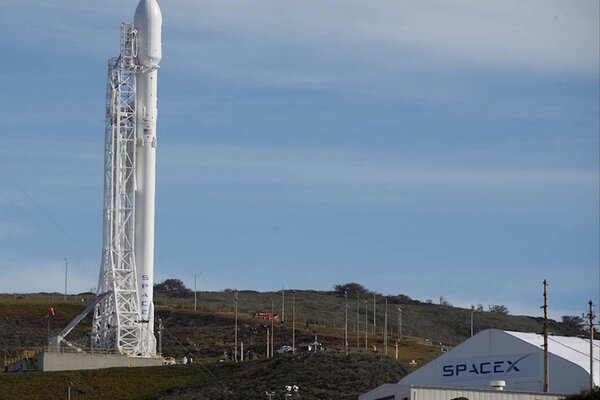 After two technical delays, will SpaceX be able to launch Falcon 9 Sunday?A new rocket fuel feature appears to be causing technical problems. But even if the glitch is fixed for Sunday's launch, the big question still remains: Will the Falcon 9 be able to land back on Earth in one piece?
 How an MIT team created a warning system for rogue wavesNew research improves the ability to forecast rogue waves, also known as killer waves, which can rise without warning to tower over ships and rigs, with potentially catastrophic results.
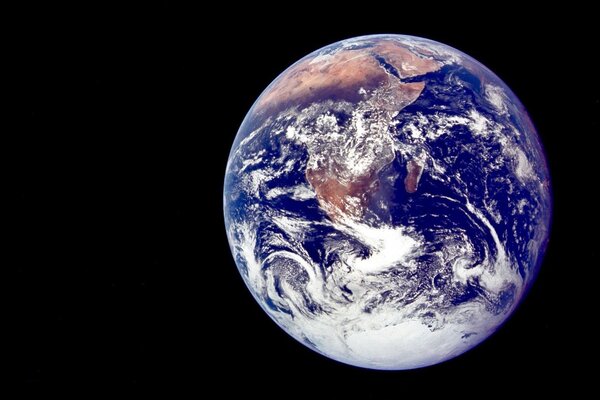 3.5 billion years ago, the Earth's climate maybe wasn't so different from todayA new study that looks at glacial deposits and hydrothermal fields at the bottom of the ocean disputes the conventional belief that Earth, in its earliest years, had scorching temperatures.聽
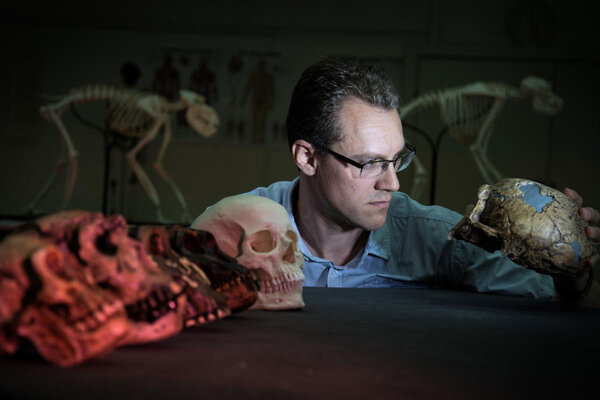 First LookWhat prehistoric wisdom teeth tell us about human evolutionPaleontologists have long wondered why human wisdom teeth are so much smaller than those found in fossils of homonin species. A team of evolutionary biologists say they have solved the mystery.