All Science
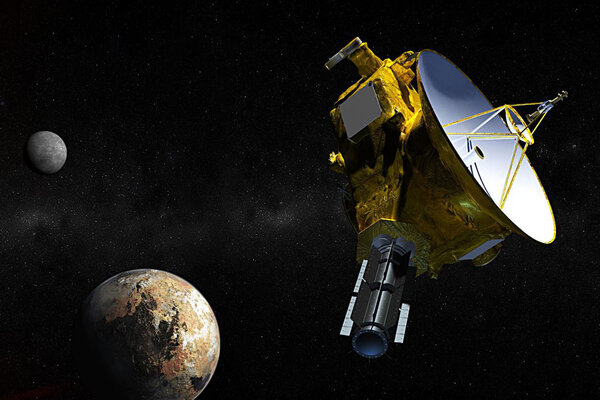 First LookNew Horizons data shows Pluto's surface is amazingly diverseA package of five new studies published Thursday in the journal Science reveal a rich view of the dwarf planet's rich terrain.
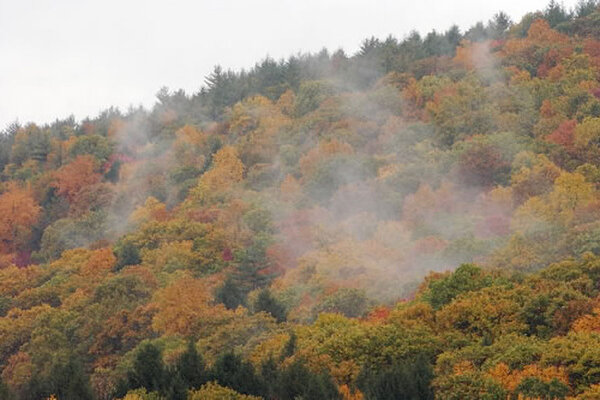 How much are trees feeling the heat of climate change?Previous models suggested trees would emit exponentially more carbon dioxide into the atmosphere through respiration as global warming heats up. But a new study shifts those predictions.
 First LookAndrew Wiles gets $700,000 math prize for cracking age-old math problemBritish mathematician Andrew Wiles won the Abel Prize from the Norwegian Academy of Science and Letters on Tuesday in recognition of his 1994 proof that cracked Fermat's Last Theorem, which dates to 1637 and was regarded as one of the most difficult problems in the field.
 Why is NASA playing with fire in space?The nation's space agency is looking into how fire acts in a zero gravity atmosphere.
 Shields up! How Earth's magnetic field saved early life from the sunA new study found that protective magnetic fields were vital for the development of life on Earth, as the activity of a young star can strip an unprotected planet of its atmosphere.
 First LookEvidence mounts in search for King Tut's roommate, Queen NefertitiAnalysis of infrared scans suggest the presence of secret chambers behind two walls in the ancient king's tomb, Egypt's antiquities minister said Thursday.
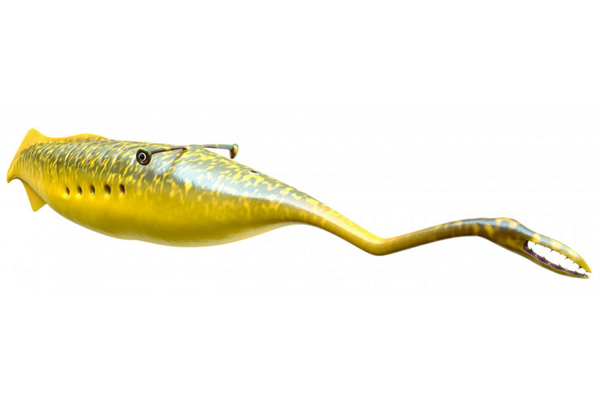 First LookCurious 'Tully Monster' surprises scientists with hidden backboneAfter 50 years of scientific debate, the prehistoric Tully Monster聽has finally been identified, say researchers, and it was actually pretty similar to a currently-living species.
 Vasco de Gama's ship, rich in treasure and history, is found near OmanThe discovery is a treasure trove of gold coins, historic artifacts, and hints about Portuguese exploration in the Indian Ocean.聽
 'Hottest month' records don't always matter 鈥� but February 2016 doesMonthly temperature records aren't necessarily important, climate researchers say, but the month-to-month, year-to-year trend is deeply troubling.聽
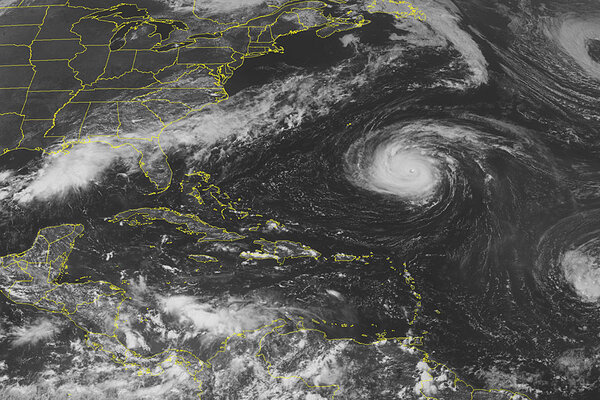 Have Norwegian geologists solved the mystery of the Bermuda Triangle?What does a research abstract about craters formed by methane gas eruptions have to do with it?聽
 First LookScientists genetically alter chick DNA to grow dinosaur limbsThe attempt may be reminiscent of the ill-considered efforts to bring dinosaurs to the modern world depicted in 'Jurassic Park,' but the researchers say their work is firmly grounded in enhancing scientific understanding.
 World Happiness Report: What makes some countries happier than others?Denmark has been named the world's happiest country, according to a United Nations report.
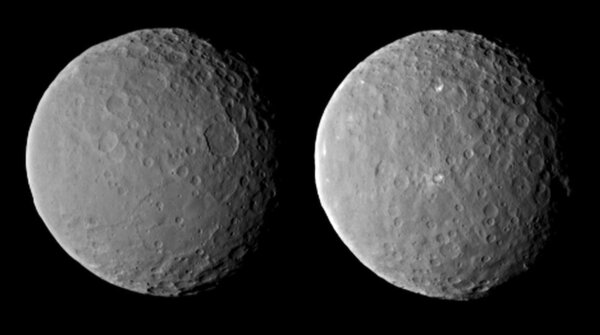 Bright spots on Ceres: Are they moving?Scientists were able to study the bright spots identified on Ceres by NASA's Dawn mission.
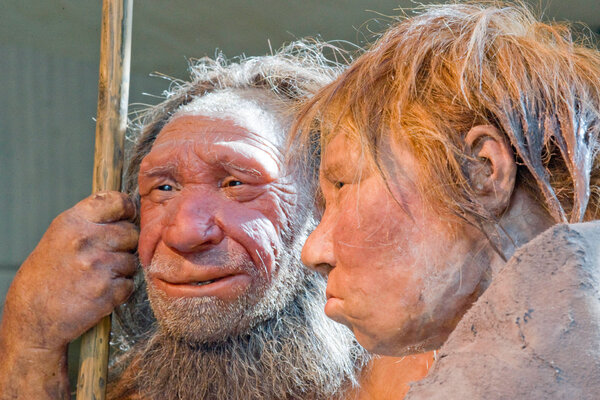 Where do Neanderthals come from? Oldest DNA reveals clues.The oldest Neanderthal DNA yet has been extracted and studied, highlighting the shift among anthropologists away from seeing Neanderthals as primitive humans.
 SpaceX delays Falcon Heavy rocket debut launch 鈥� againSpaceX announced that its Falcon Heavy rocket will launch for the first time no earlier than November. When fully tested, the Falcon Heavy will be able to deliver a heavy payload for a relatively low cost.聽
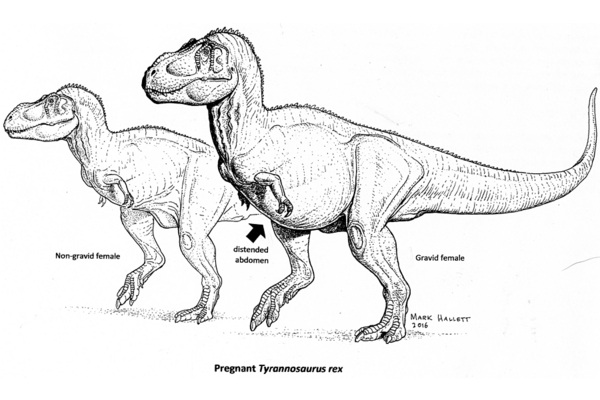 Is that dino a boy or a girl? How pregnant T. rex helps identify sexes.Researchers have confirmed a Tyrannosaurus rex was ready to lay eggs within weeks of her death. Having a definitively female dinosaur skeleton could yield clues as to how to sex-type other specimens.
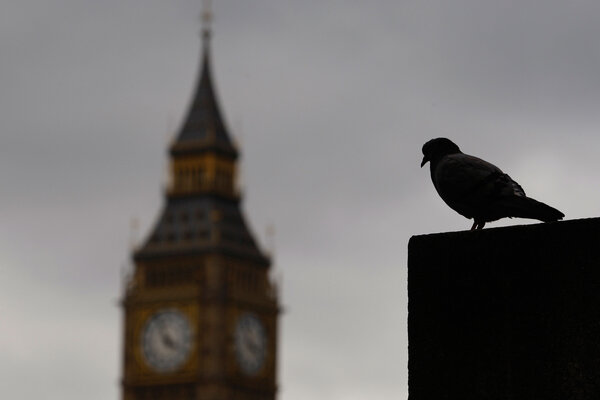 How pigeons with tiny backpacks can help London curb pollutionRacing pigeons wearing small backpacks are putting their homing abilities to work as part of a campaign to raise awareness of London's poor air quality.聽
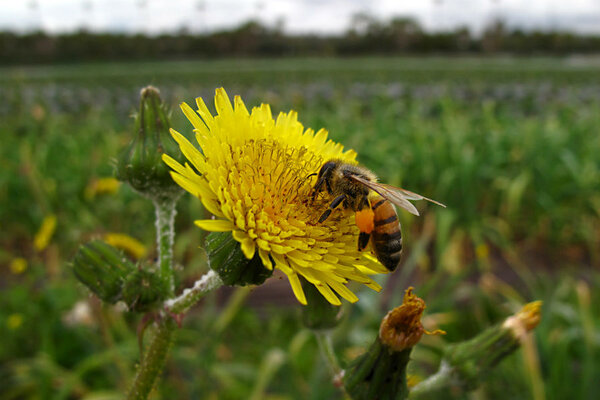 Are pesticides changing how bees forage?New research shows that bees treated with a common pesticide may collect more pollen, but have a harder time learning and remembering flower structures and foraging strategies.
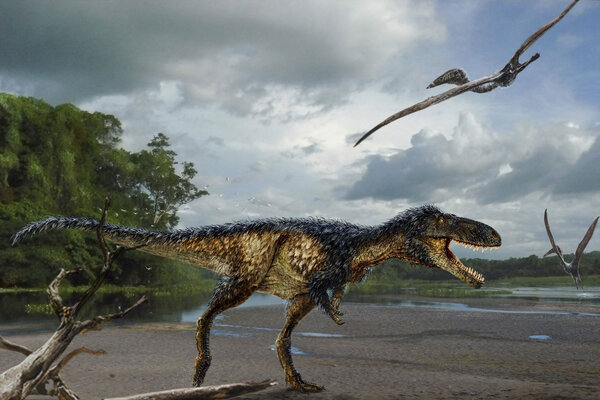
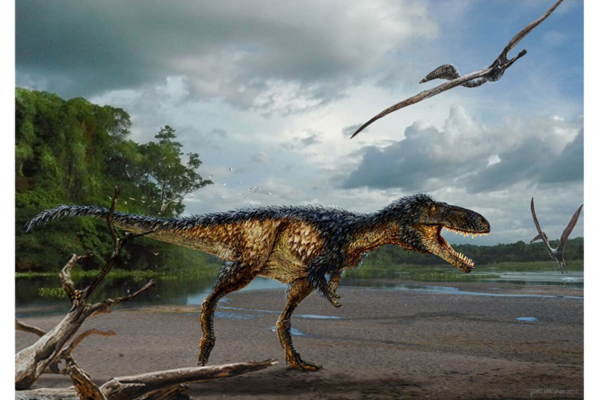 How did T. rex get such keen, predatory senses? New tyrannosaur offers hints.Researchers have discovered a new tyrannosaur species,聽Timurlengia euotica. And the 90-million-year-old fossils fill in a gap in the evolutionary history of tyrannosaurs, including the famous T. rex.
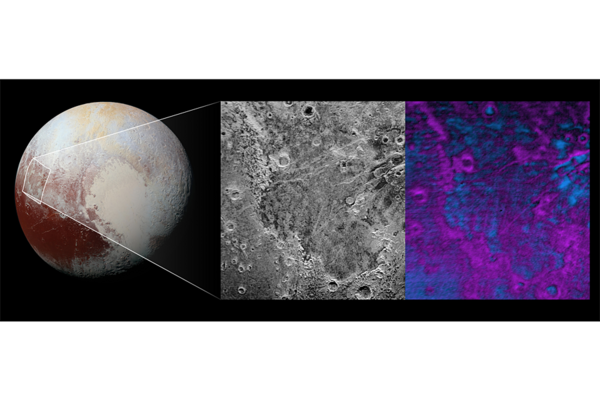 First LookHas something been munching on Pluto?A surface feature on Pluto looks like a bite mark. What really left that mark?