All Science
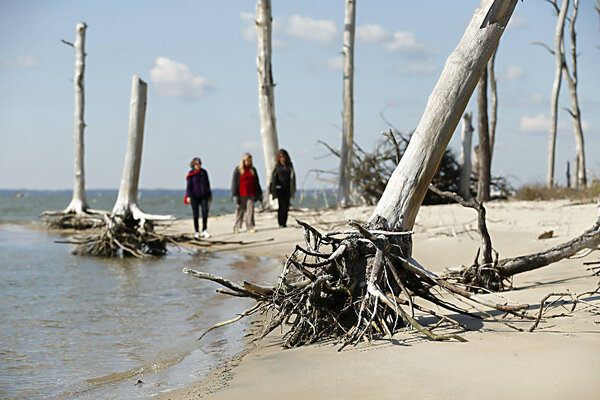 Sea level rise: Why 13.1 million Americans might need to moveResearchers looked at environmental data for US coastal regions in the United States, coupled with population projections and estimates of sea level rise.
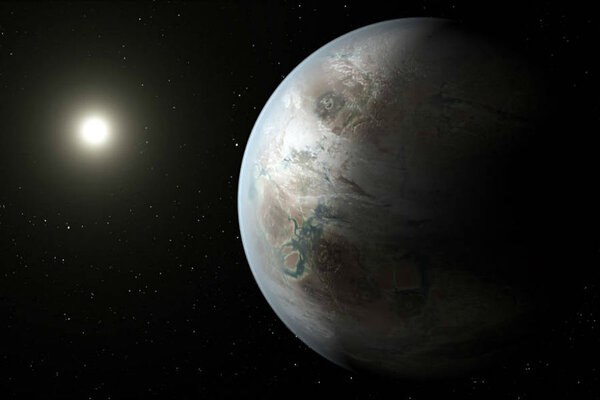 Kepler, reborn as K2, continues hunt for exoplanetsAfter the near-failure of the Kepler space telescope, it was reborn as K2 and continues to search for Earth-like planets far from the solar system.
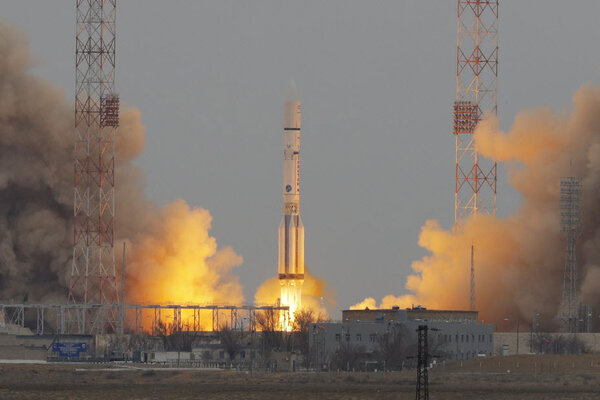 First LookExoMars: A Euro-Russian mission headed to the Red PlanetThe European Space Agency and the Russian Federal Space Agency together launched an unmanned mission to Mars Monday.
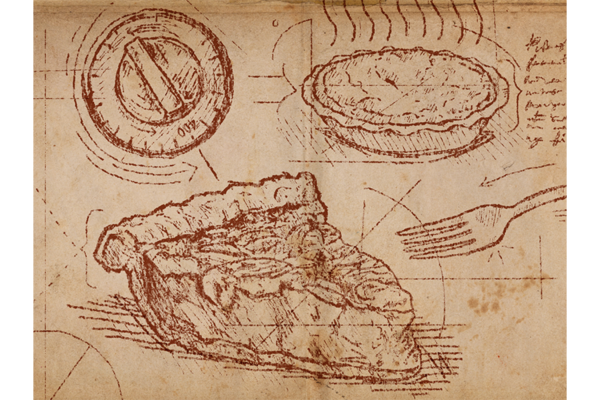 Pi Day: How did they first calculate pi?Pi Day, celebrated on March 14 in the United States, offers a moment to reflect on a number that has intrigued humanity for thousands of years.
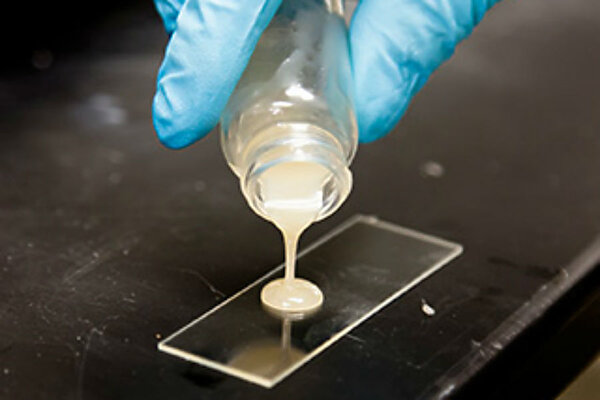 Icephobic coating: How researchers made the most effective ice-proofer yetA research team from the University of Michigan has developed a strategy for creating rubbery coatings that require no more than a light breeze for ice to slide off.聽
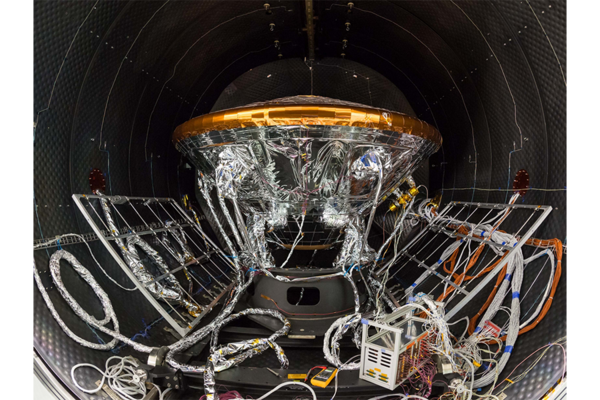
- A wild ride to Red Planet's surface for ExoMars lander prototypeSchiaparelli, a small prototype lander, will pave the way for a rover to be launched in 2018.
 Yes, climate change is making some #ExtremeWeather worseScientists can link climate change to the growing severity and duration of some extreme weather events, according to a聽new report by the highly regarded National Academies of Sciences.
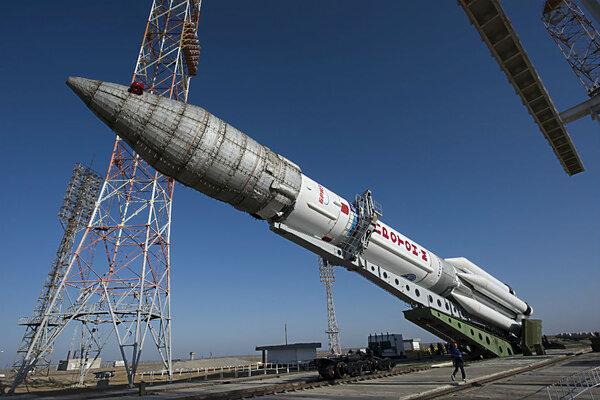 Why Europe and Russia join forces in mission to MarsIn a demonstration of international cooperation, Europe and Russia are to launch a mission to Mars Monday, whose underlying aim is to search for signs of extra-terrestrial life.
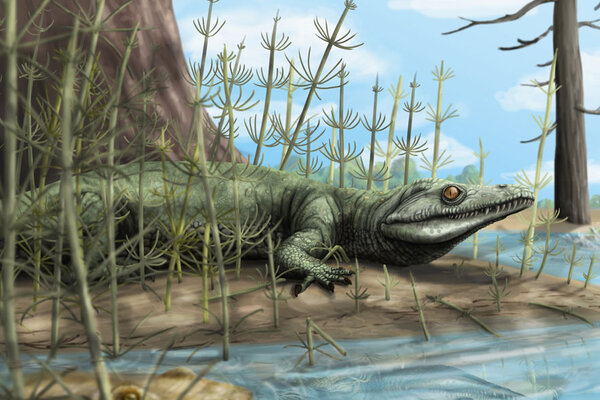 First LookHave scientists found a missing link in dinosaur evolution?The 5-foot-long, 250-million-year-old reptile聽appears to have been a link between primitive reptiles and more modern looking ones.
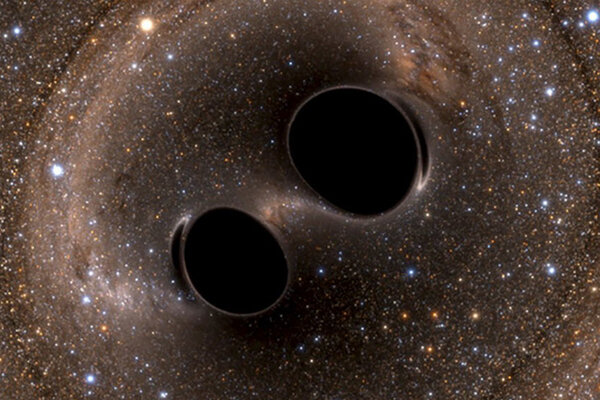 First LookHow you can help find ripples in spacetimeGravitational wave researchers are looking for citizen scientists to volunteer their idle computers to help unravel one of the greatest scientific mysteries of the universe.
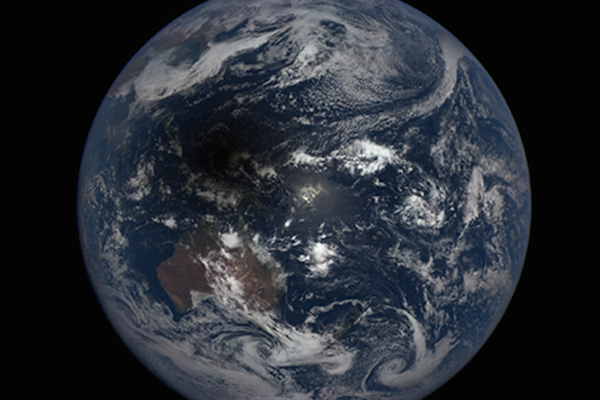 NASA captures astounding solar eclipse from all anglesSeveral NASA satellites have captured images of the March 8 solar eclipse and its shadow on Earth. Viewable only for observers in Southeast Asia, the images provide a glimpse of the eclipse across the globe.
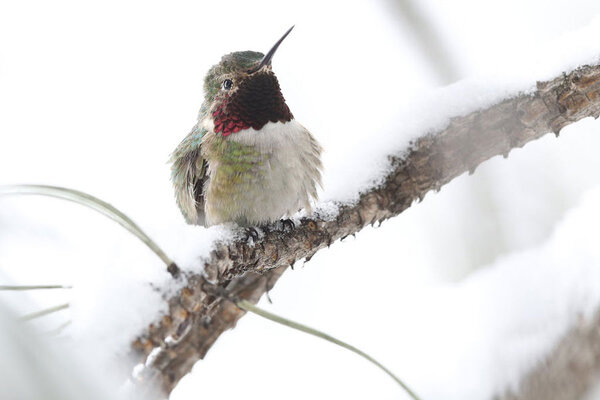 These tiny birds can fly over 1,000 miles 鈥� nonstopResearchers glean new insights into the ruby-throated hummingbird's impressive autumn migration.
 Researchers find plastic-eating bacteria in recycling plantScientists discovered a bacterium that will consume one of the most common forms of plastic. Is it the first step toward a solution for plastic pollution?
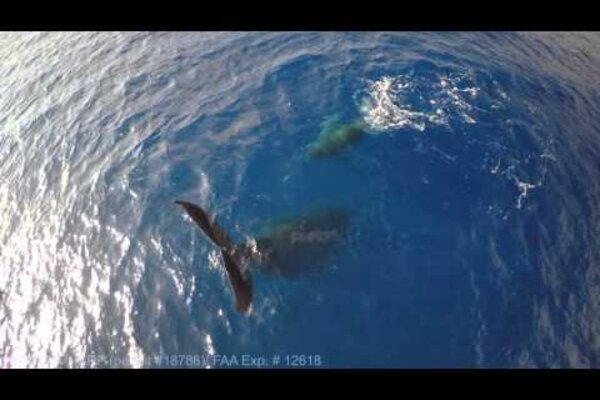 Why was a humpback whale caught in a headstand?The rare sight was captured off the coast of Hawaii by聽National Oceanic and Atmospheric Administration researchers piloting a research drone equipped with a camera.
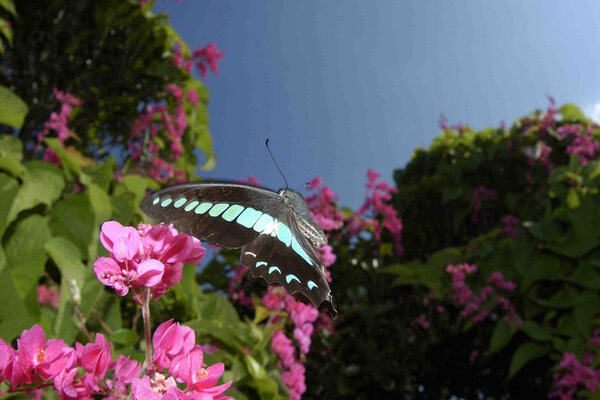 First LookWhy does this butterfly have such spectacular color vision?A butterfly species has stunned researchers with a unique set of eyes. The eyes could be capable of many more colors and remarkably fine-tuned detection abilities.
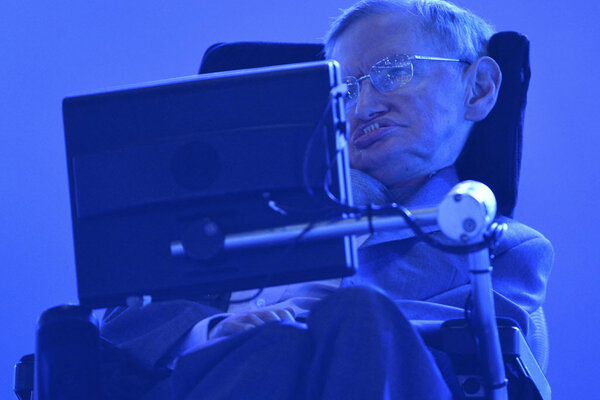 First LookWhat would Brexit mean for science?Some 150 top scientists from Cambridge signed a letter urging Britain to stay in the European Union. They say leaving the EU could be detrimental to British science.
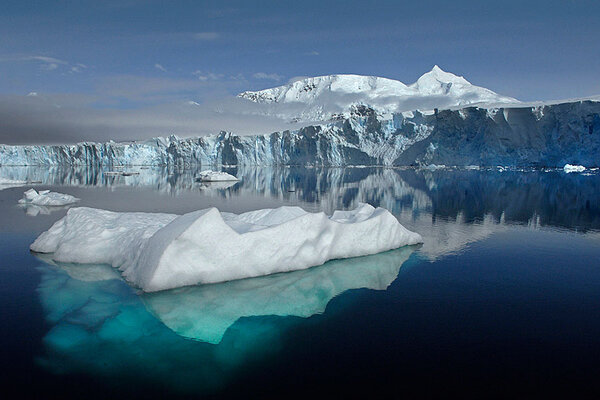 Can we slow sea level rise by pumping water onto Antarctica?Researchers investigate the feasibility of a 'geoengineering' solution to rising sea levels: pumping vast quantities of ocean water onto the continent of Antarctica, to thicken the ice sheet.
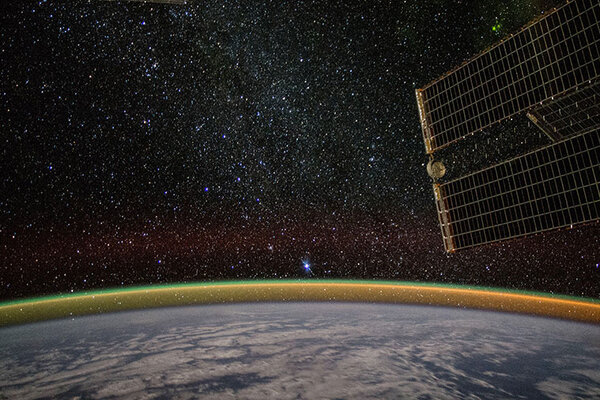 First LookWhy NASA plans to set a supply vehicle on fireA new series of science experiments will soon head for the International Space Station. One involves a large-scale fire in an unused resupply vehicle.
 How ancient food processing helped shape our facesModern humans have significantly smaller mouths and teeth than our hominin ancestors. What evolutionary forces were at play?
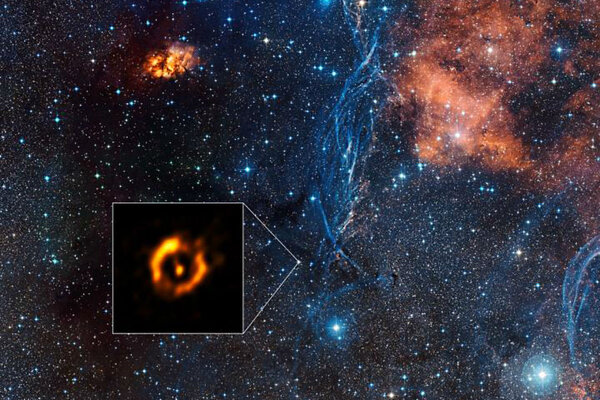 First LookWhat can we learn from a dusty old star system?A highly detailed image of dusty disk around an old star is prompting astronomers to rethink their assumptions of about the characteristics of older stars.