All Science
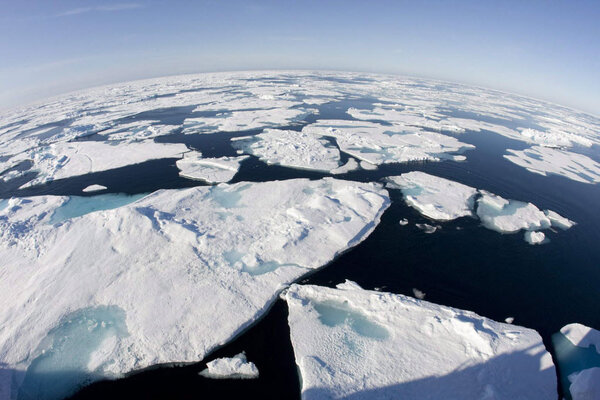 First LookDid global warming 'pause'? Depends how you define 'pause'The theory that global warming paused in the 2000s was largely put to rest last year when NOAA recalculated some of its data. However, a commentary published this month has called that recalculation into question.
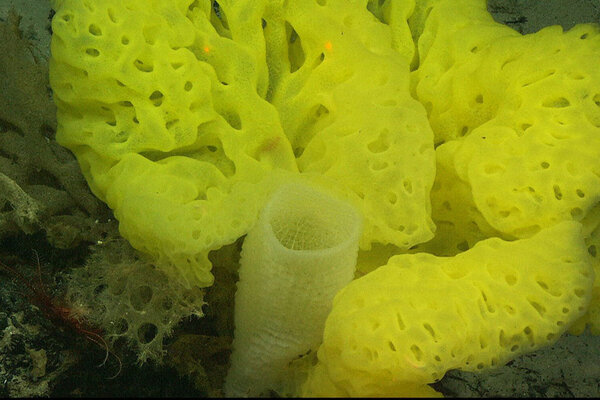 First LookDid all animal life on Earth begin with a sea sponge?Genetic analysis of 640-million-year-old rocks suggests that the sea sponge may have been the first animal to develop on Earth.
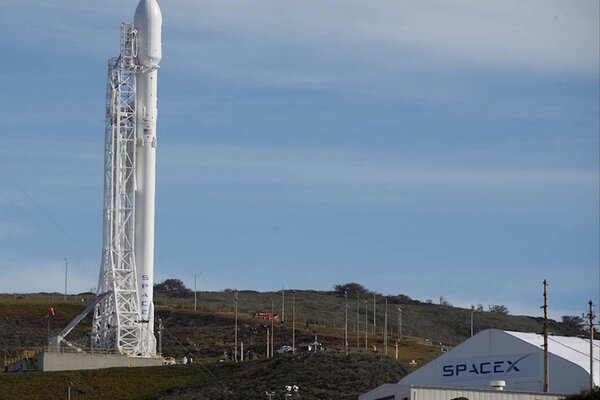 How oxygen may have delayed latest SpaceX launchThe SpaceX SES-9 mission launch was delayed a second time Thursday. Warm oxygen may be the cause.
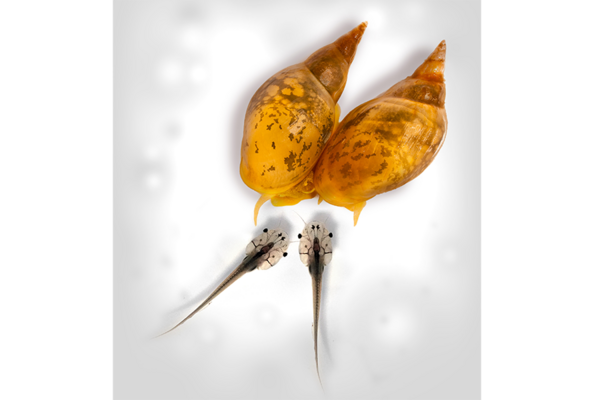 How snail shells are unravelling the ancient secret of asymmetryResearchers have identified the gene responsible for the asymmetrical twisting of snail shells.
 Australian Aborigines spent 50,000 years isolated from the rest of usGeneticists sequenced the Y chromosomes of Aboriginal Australians and found evidence that the population was isolated for tens of thousands of years.
 Quantum dots finally take a giant leap forwardQuantum dots, a technology brimming with promise but held back by hurdles in the research, have taken another bound forward in their efforts to break free and revolutionize the electronic landscape.
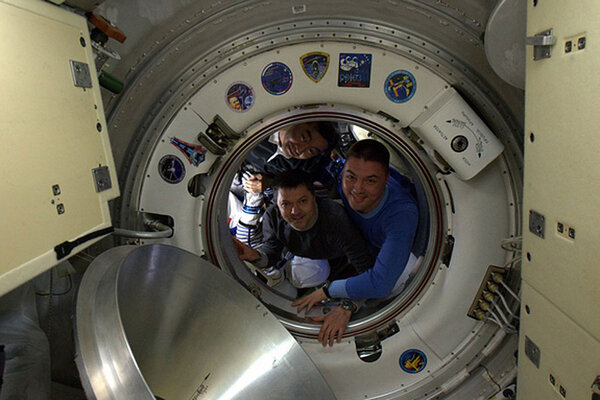 Scott Kelly's one year in space to end with bumpy ride homeThe American astronaut Scott Kelly returns to Earth from the International Space Station, from what is likely his last space mission. His trip back to Earth will be relatively quick, though not necessarily easy.
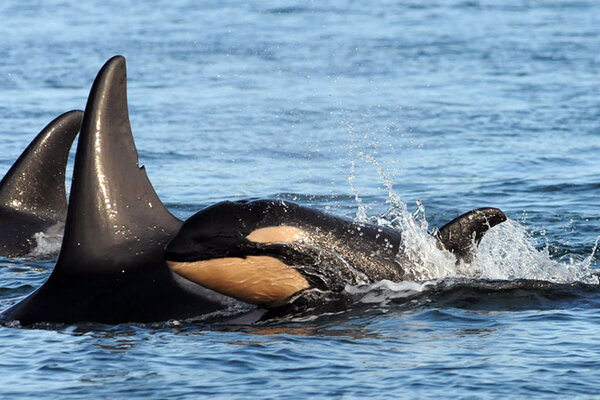 What's that mysterious underwater hum? It might be fish gas.What the sounds of the deep sea tell us about the lives of marine creatures.
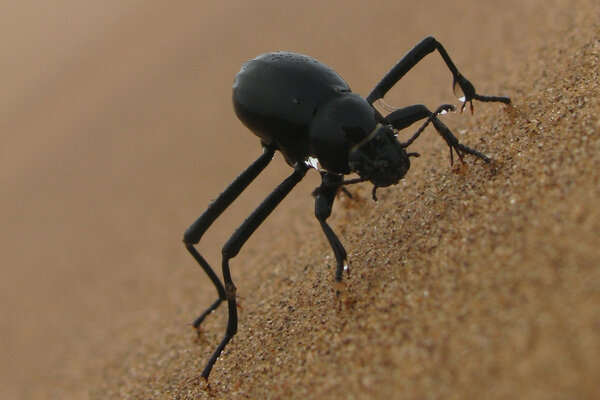 First LookWhat a cactus, a beetle, and a pitcher plant can teach about harvesting waterScientists have combined solutions from cacti, beetles, and pitcher plants to help improve water-harvesting systems. The study is one of the first examples of combining solutions from multiple natural sources.
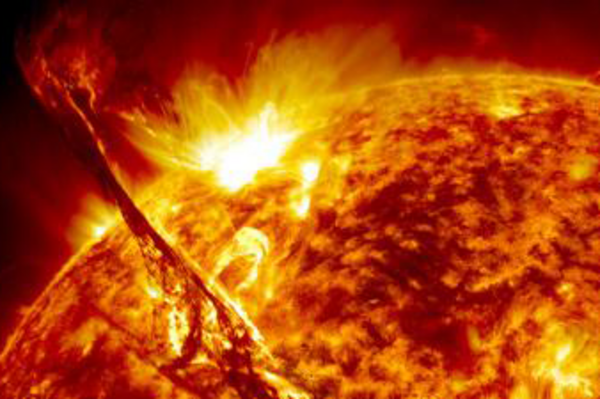 First LookMystery solved: Scientists trace radio bursts to a galaxy far, far awayAfter a decade of puzzlement over their origins, scientists have recently been able to trace a burst of radio waves to a galaxy 6 billion light years away, where two neutron stars collided.
 Ocean acidification is taking a toll on coral reef growth. Can we save the reefs?Scientists find more evidence that coral reefs are suffering from environmental changes. But, they say it's not too late.聽
 To protect natural resources, put a price tag on them, say scientistsAs climate change shifts natural resources around the globe, wealth will follow.聽
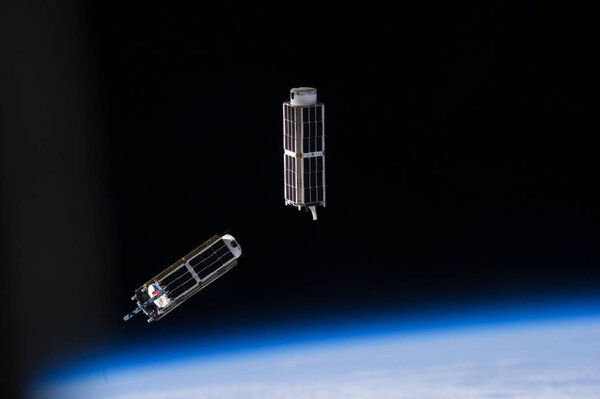 Will tiny satellites launch a new space frontier?An uptick in launch rates of CubeSats raises questions about how far this enabling technology could be taken.
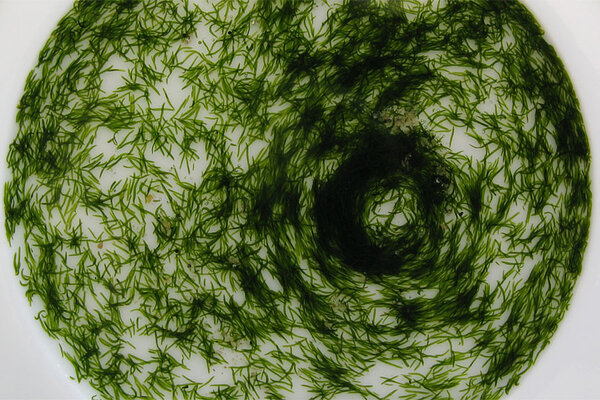 These bizarre worms form social swirls while they sunbatheThese solar-powered worms are particularly social, which might be the key to their survival.
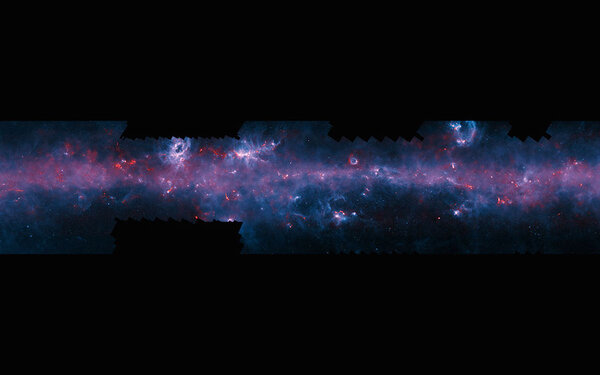 Spectacular new Milky Way map reveals colder parts of galaxyThe ESO has completed a survey of the Milky Way galaxy that utilized submillimeter wavelengths for the first time. The new map details the location of cold gas concentrations and has already triggered numerous discoveries.
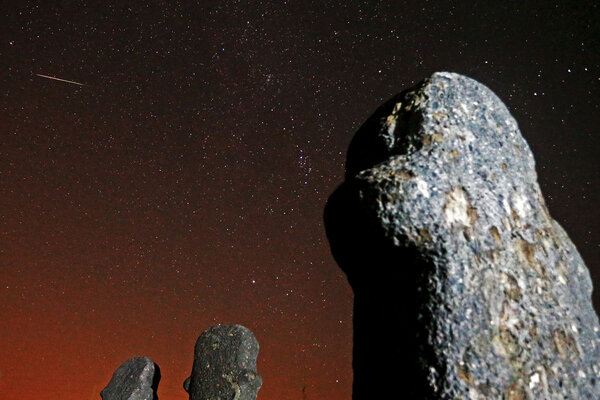 Giant meteor hits Earth. Why no one saw it.The largest meteor to impact Earth since 2013 went unnoticed when it landed on Feb. 6, as tracking near-Earth objects is improving but still notoriously difficult.
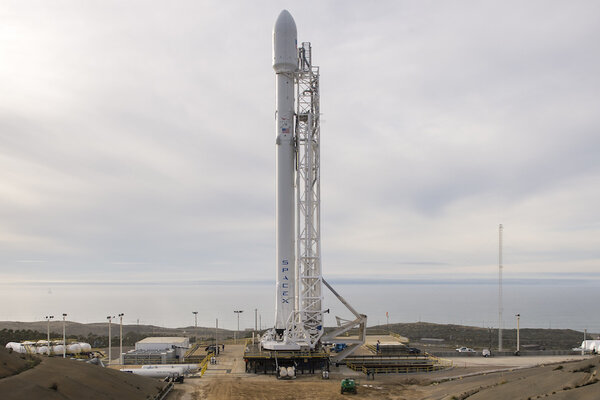 SpaceX to launch satellite, probably crash rocket into drone bargeSpaceX said that success is 'not expected' for their fourth attempt to land a rocket on a barge at sea. So why are they going ahead with it?
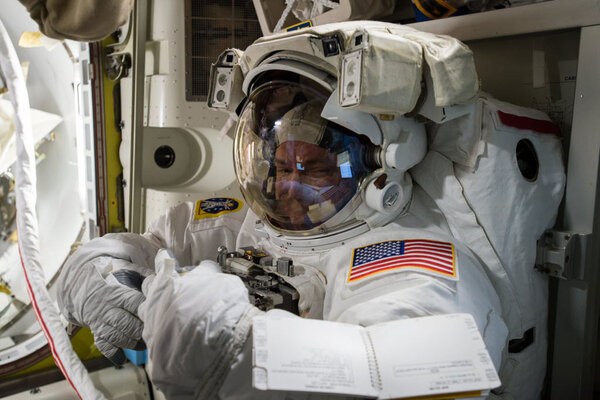 Scott Kelly: What happens after a year in space?American astronaut Scott Kelly and Russian cosmonaut Mikhail Kornienko聽are returning to Earth after a year in space 鈥� longer than any humans since 1999. Why studying long stays in space is important for future missions.聽
 Do you believe in climate change? It may depend on your politicsA new research paper has analyzed findings of a plethora of studies from over 50 countries to determine what factors influence a person's belief (or disbelief) in climate change.
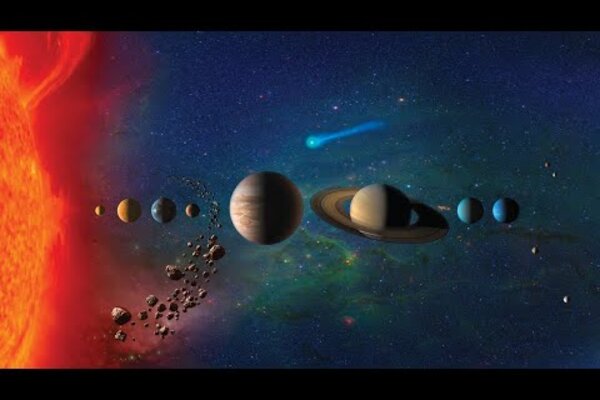 3 days to Mars: How laser propulsion could revolutionize space travelA photon-based propulsion system in development by scientists at the University of California, Santa Barbara聽could allow spacecraft to travel at millions of miles per hour.