All Science
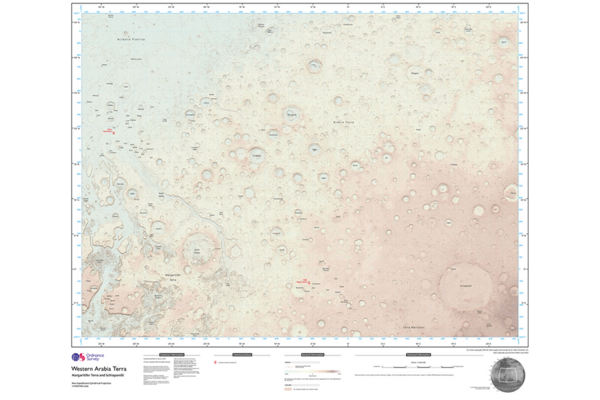 Here's the first ever, user-friendly map of Mars. You might need itBritain's official mapping agency, Ordnance Survey, has taken its first stab at mapping a foreign planet 鈥� for non-scientists.
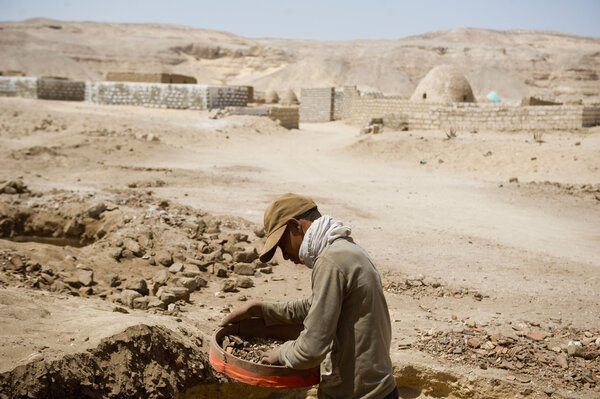 First LookReal-life 'Indiana Jones' recruits you to help save the world's antiquitiesSarah Parcak, 'space archaeologist' and winner of the 2016 TED Prize, announced on Tuesday her plan to create a citizen science platform, so users can help map antiquities sites in the Middle East and stop looting.聽
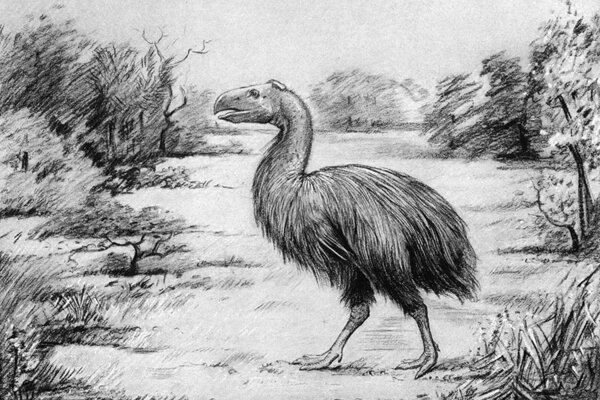 Giant, flightless birds stalked the Arctic swamps 53 million years agoThe discovery of a single toe bone paints a picture of a hulking, ancient bird striding through a warm Arctic.
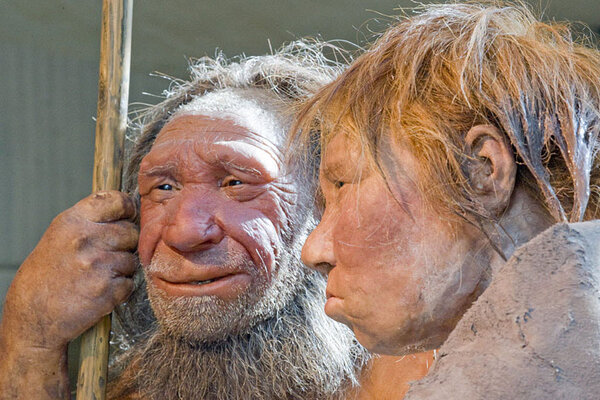 Neanderthals and modern humans mated 50,000 years earlier than we thought, scientists say.Researchers discovered early modern human DNA in a Neanderthal genome. And that interbreeding event happened remarkably long ago.
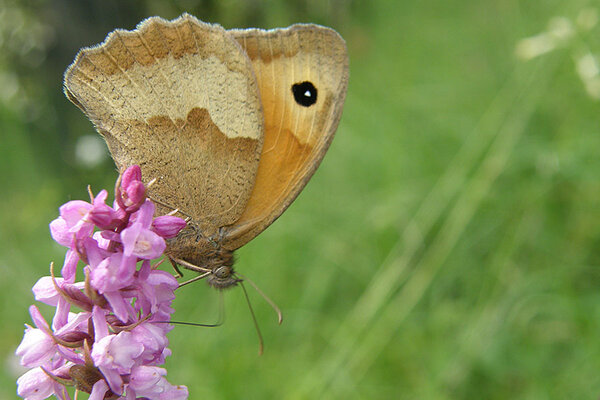 The mysterious ways orchids affect their army of pollinatorsNew research undertaken in the Swiss Alps has demonstrated a little-known relationship between altitude, orchid scent, and the droves of pollinators that flit between flowers.
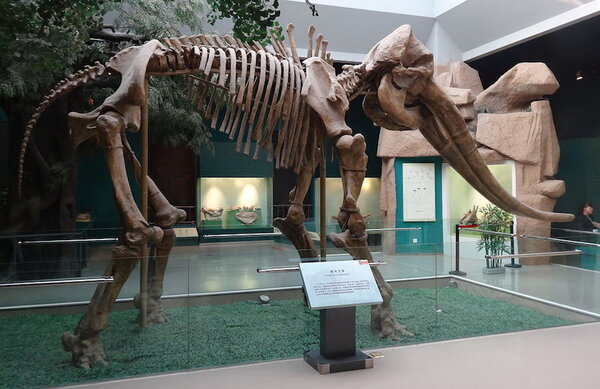 8-foot-long stegodon tusk found in PakistanAn ancient tusk was found by scientists in Pakistan, offering clues to the history of the stegodon, an elephant-like animal that roamed over 1 million years ago.
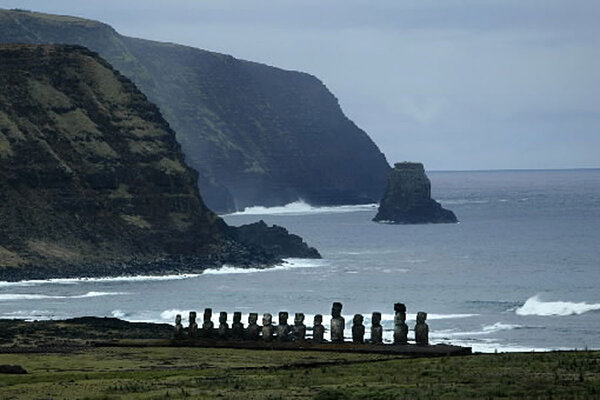 Mystery of Rapa Nui: What really happened at Easter Island?The Rapa Nui people, who have lived on Easter Island since before Europeans arrived, accomplished incredible feats of engineering. But some centuries ago, their numbers dwindled. What kickstarted the collapse of this civilization?
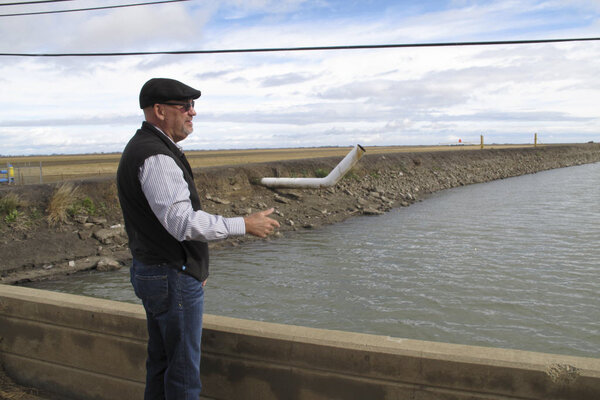 Earth as sponge? It has absorbed enough water to slow sea level riseAbout 3.2 trillion tons of water has been taken up by soils, lakes and underground aquifers in regions of Earth battered by rain and flooding in the last decade, say scientists, slowing sea level rise by 20 percent.
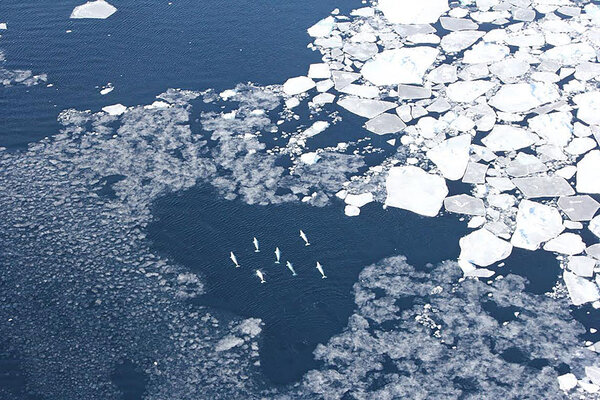 Scientists offer a rare window on secret lives of beluga whalesOne of the Arctic's most enigmatic and endearing creatures is giving up its secrets, after a scientific study stretching over two decades.聽
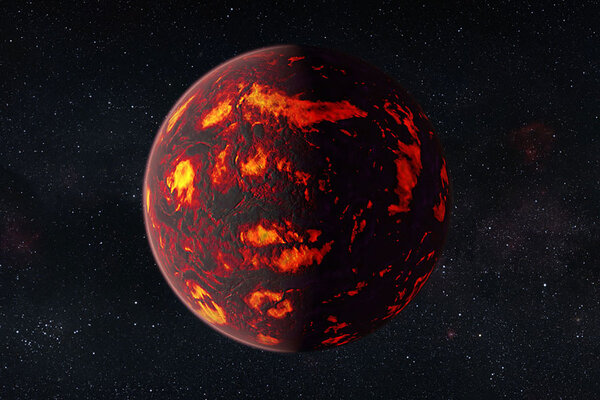 First LookWhat's in a 'super-Earth' atmosphere? Scientists detect familiar gases.Scientists used a camera on the Hubble Space Telescope to analyze the atmosphere of a 'super-Earth' exoplanet for the first time. What could it tell us?
 First LookFour billion people face severe water scarcity. Is there hope?Scientists calculate that about two-thirds of the world's population faces severe water scarcity for at least one month a year. But that may not be the end of the story.
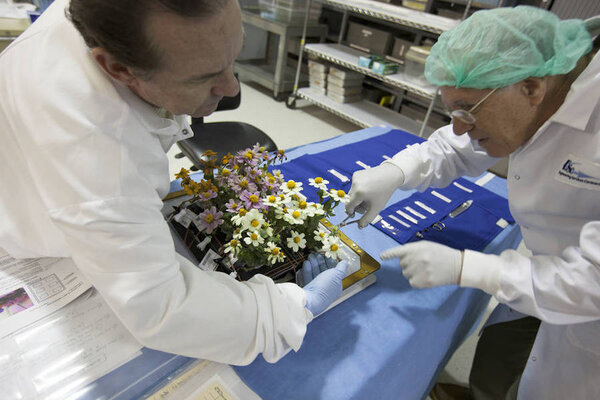 NASA's green thumb: Why astronauts harvested zinnia plants in spaceNASA has harvested two batches of zinnia plants, one grown on Earth and the other grown in space. The two zinnia batches will be analyzed side-by-side in hopes that they will provide insights into how space affects plant growth.
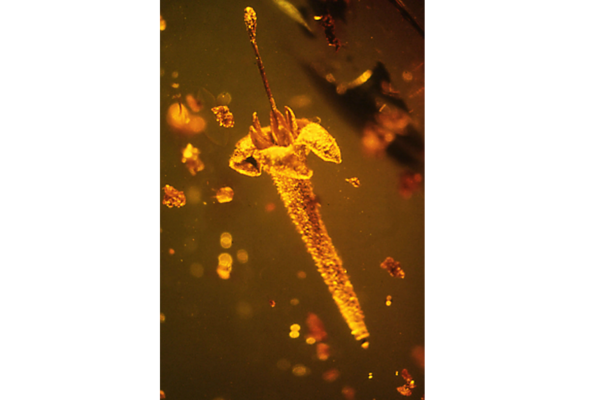 First LookAncient amber locks floral ancestor of modern vegetables frozen in timeResearchers have discovered a new flower species that is likely an ancestor to many plants living today.
- Scientists see the world through wasps' eyesUsing high-speed cameras, researchers have learned a technique wasps use to find their way back home.聽
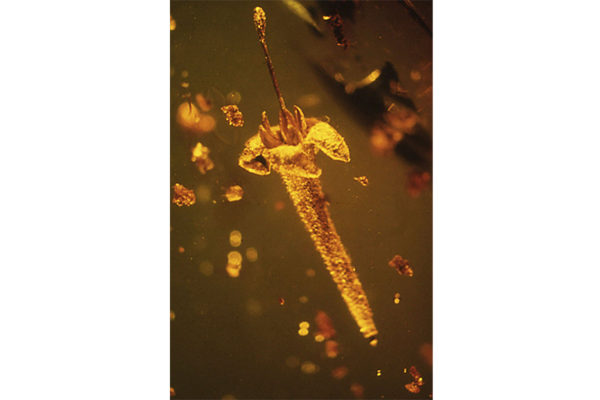 Ancient flower trapped in amber was probably poisonous, researchers say.Scientists have discovered a 20 million to 30 million-year-old flower, locked in fossilized tree sap in a Dominican hillside.
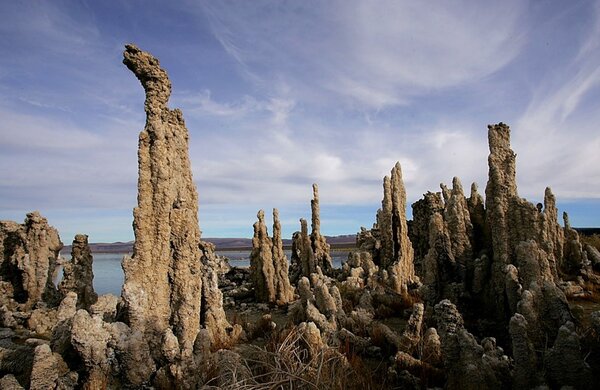 A few rare minerals make the Earth unique, say researchers.Rare minerals are one of the vital characteristics that distinguishes Earth from its fellow planets.
 Video: Why are tens of thousands of sharks swimming off the Florida?In an annual spectacle, tens of thousands of blacktip sharks are making their way south to warmer waters. But researchers are trying to understand what drives this migration, and how it fits into the bigger picture.
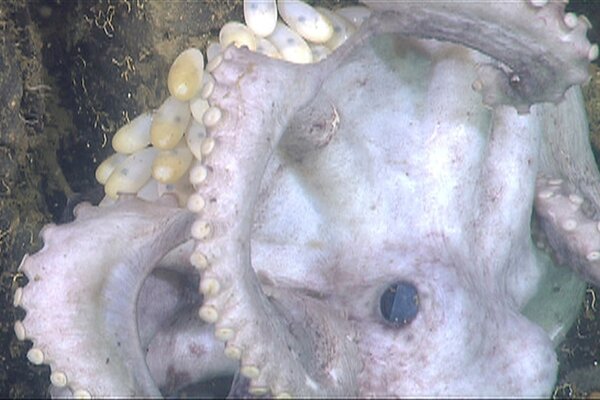 Valentine's Day octopus mating session canceled out of cannibalism concernsThe Seattle Aquarium cancelled a public octopus mating scheduled for Sunday, over fears that one of them would wind up being eaten.
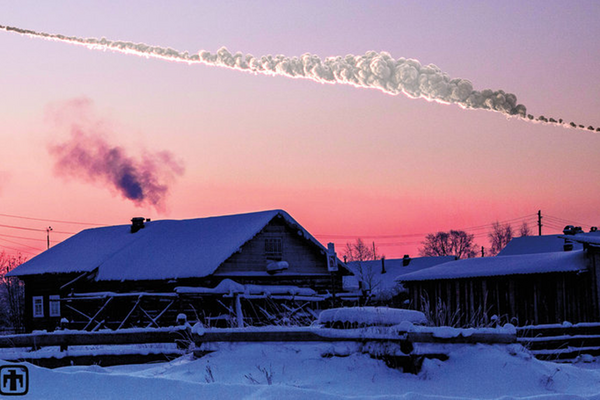 Second annual Asteroid Day to raise awareness of space rocksHeld on June 30 to commemorate the 1908 Tunguska explosion, Asteroid Day seeks to call attention to the risks of meteor impacts.
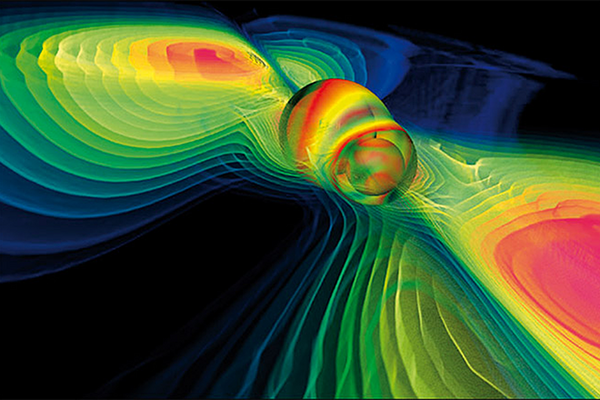 No longer blind: Why that gravitational wave discovery is so heavyThe detection of spacetime ripples produced by a cataclysmic collision of two black holes is the first major discovery of the new field of gravitational-wave astronomy.
