All Science
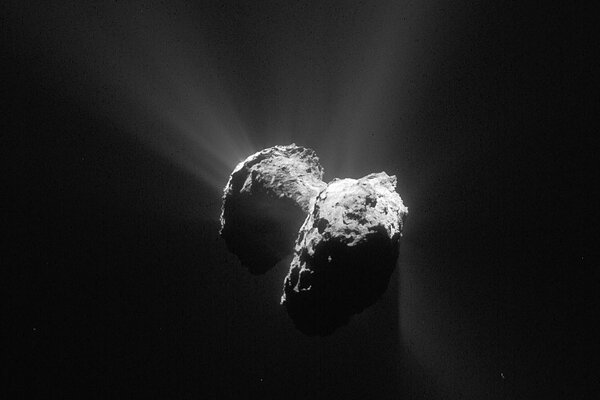 Huge comet unexpectedly whizzes past EarthA large comet made a record pass by the Earth on March 23, enhancing scientific understanding and the interests of NASA's聽Planetary Defense Coordination Office.
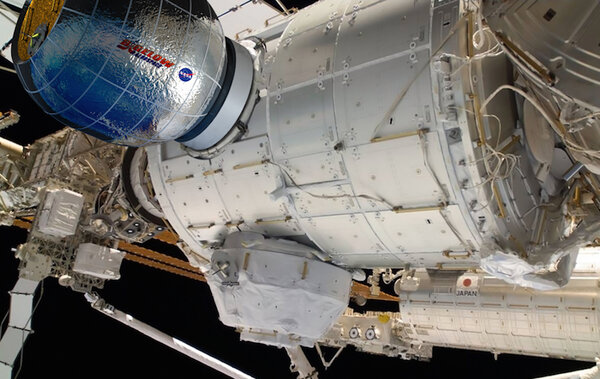 Are inflatable space habitats the future? NASA experiment to find out.The Bigelow Expandable Activity Module is heading to space. The module is compressed for travel and then expands when deployed. Crew from the International Space Station will monitor the module for a period of two years to see how it acts in space.
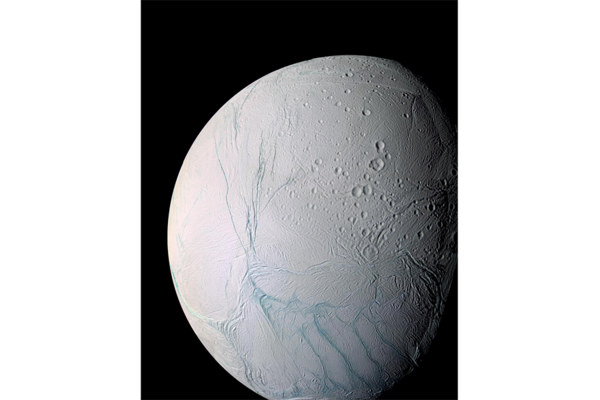 First LookA new model may solve mysteries of Enceladus' icy geysersResearchers may have a model that explains the puzzling geysers of Saturn's icy moon.
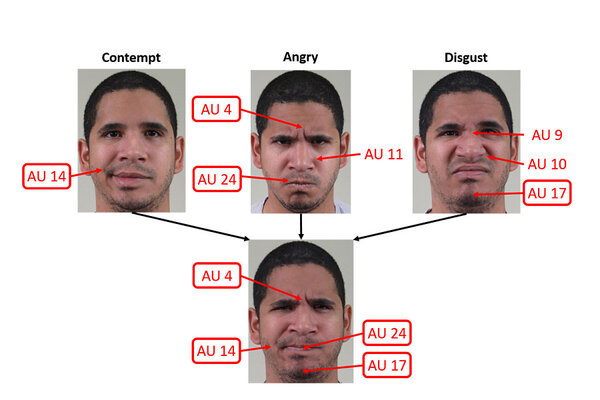 First LookWhat is the 'not face'? Everyone has one, say scientists.Researchers have identified a universal facial expression of negation that could provide clues into the evolution of language.聽
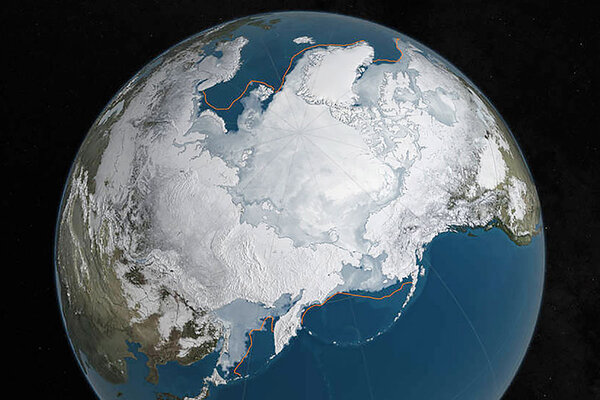 As temperatures set a high record, Arctic sea ice sets a low oneArctic sea ice growth was sluggish this year due to record high Arctic temperatures. Scientists say that this is indicative of a trend in yearly sea ice growth.聽
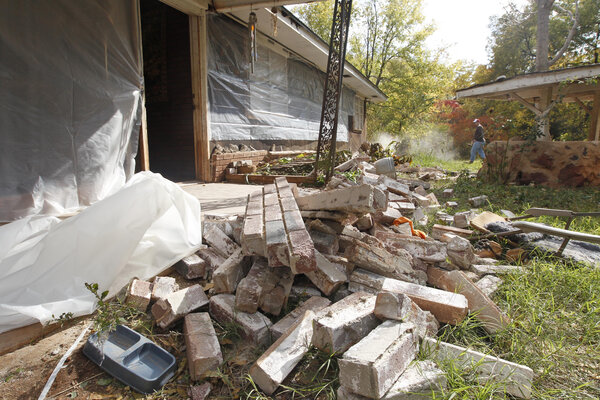 Are man-made earthquakes on the rise? USGS report says yesSeven million residents in the US are subject to fracking-induced man-made earthquakes, suggests a recent US Geological Survey study. But looking forward, parties on both sides of fracking want to stop the quakes.聽
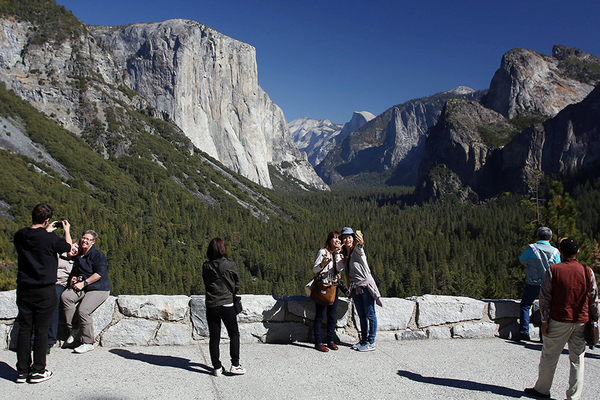 Will heat make Yosemite's iconic arches and cliffs fall apart?A study of Yosemite's聽Royal Arches cliff has found that heat can cause rockfalls without any other known triggers.聽
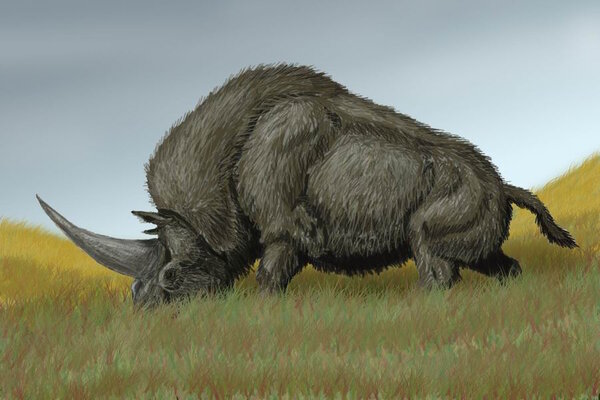 Siberian 'unicorn' lived for much longer than we thoughtNew radiometric dating of Siberian 'unicorn' fossils reveal that the prehistoric rhinoceros lived for hundreds of thousands of years longer than previously believed.
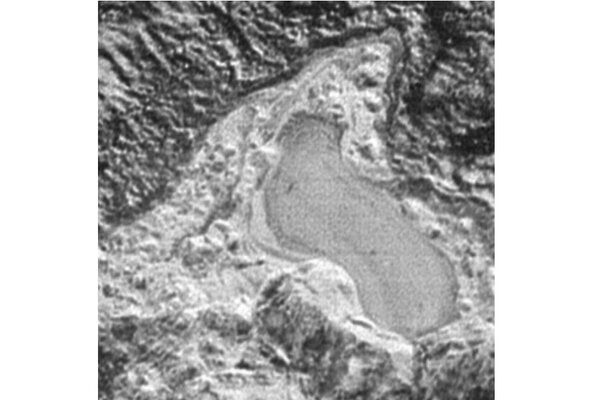 Did Pluto once have nitrogen lakes and rivers?NASA's New Horizons captured images suggesting Pluto's surface may have had channels and lakes of liquid nitrogen.
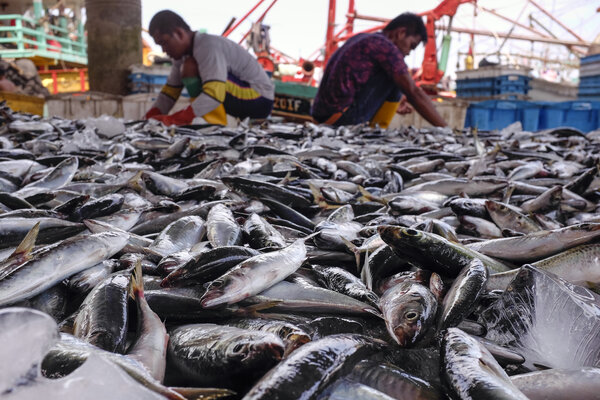 Scientists highlight path to restoring world's fisheriesA study published Monday by a team of scientists and economists reveals a way for fishermen to catch more fish and make more money all while restoring fish stocks worldwide.聽
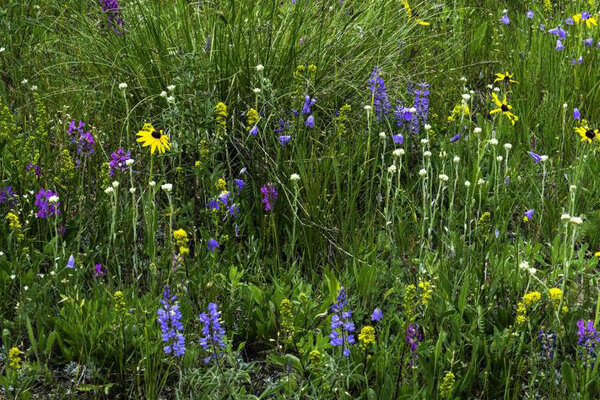 First LookEt tu nitrogen? Study links nitrogen pollution to plant diversity declineNitrogen makes up 78 percent of Earth's atmosphere and is a vital soil nutrient but at excessive levels it can devastate聽entire ecosystems.
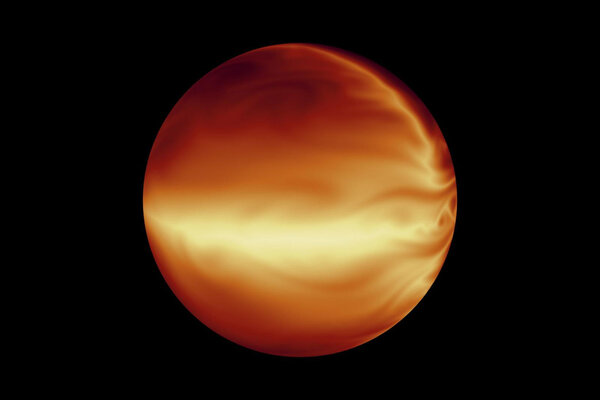 First Look'Squishy' exoplanets with wonky orbits shed light on formation of 'hot Jupiters'Researchers have zoomed in on an exoplanet with a strange orbit looking for clues into how hot Jupiters form.聽
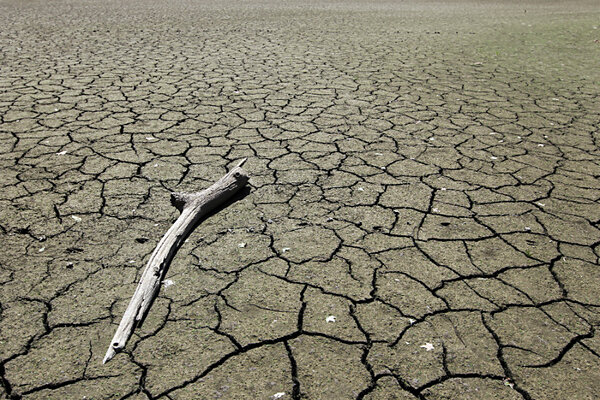 Could Pacific waters give early warning of East Coast heat waves?New research concludes that warm and cold extremes in the central Pacific are often correlated with heat waves several weeks later in the Eastern United States. Advance warning could help cities prepare 鈥� and perhaps save lives.
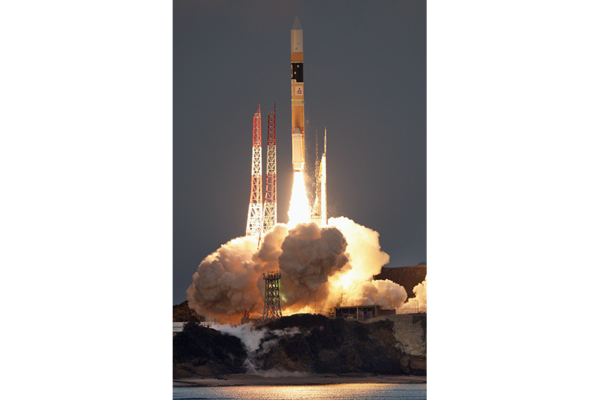 First LookJapan loses contact with $265 million X-ray satelliteThe Japan Aerospace Exploration Agency's聽X-ray satellite Hitomi is Japan's third space observatory mission in a row to have gone awry.
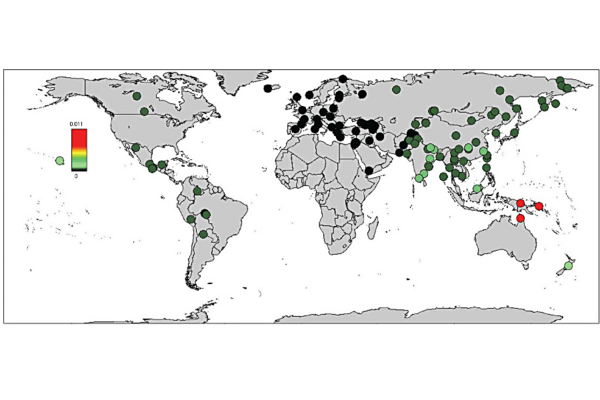 Mysterious archaic humans left clues in a surprising placeThe genetic legacy of two extinct human species persists to this day in our own genes, say scientists.
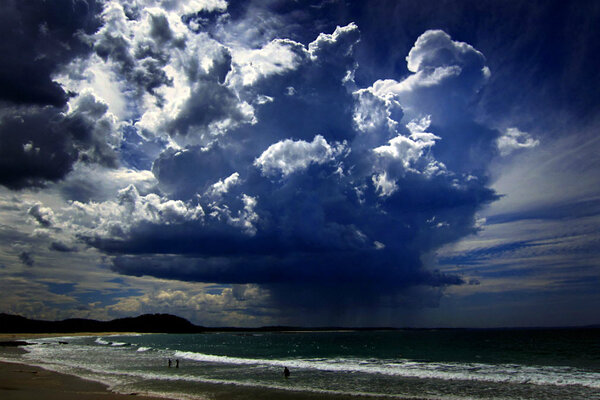 How do clouds form? It's way more complex than we learned in school.Researchers still have a lot to learn about the processes, both macro and micro, that control clouds.
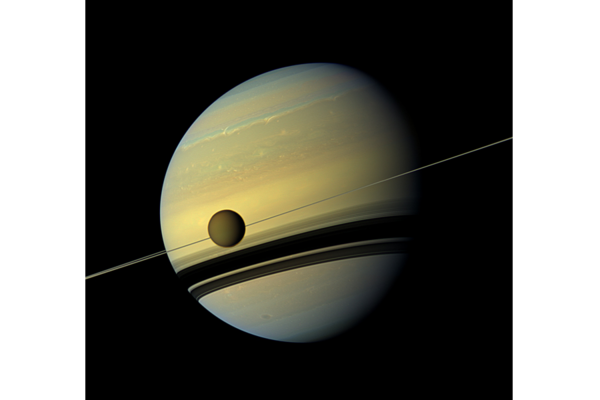 Are Saturn's moons younger than the dinosaurs?Scientists find new evidence suggesting that some of Saturn's moons and rings are remarkably young.
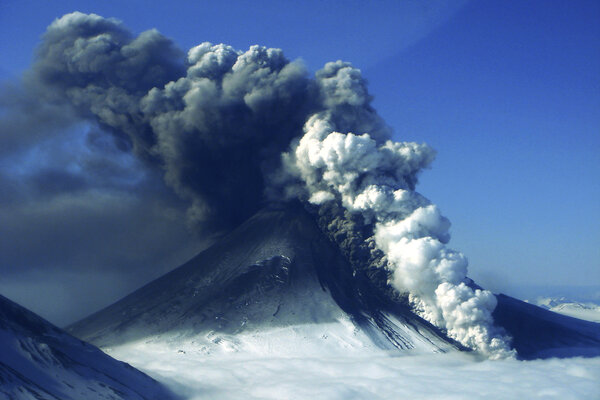 Alaska's Pavlof volcano: Did we see this eruption coming?Pavlof, Alaska's most active volcano, erupted Sunday afternoon. Scientists may have only had a 25-minute warning before the eruption, but they say they are always prepared.聽
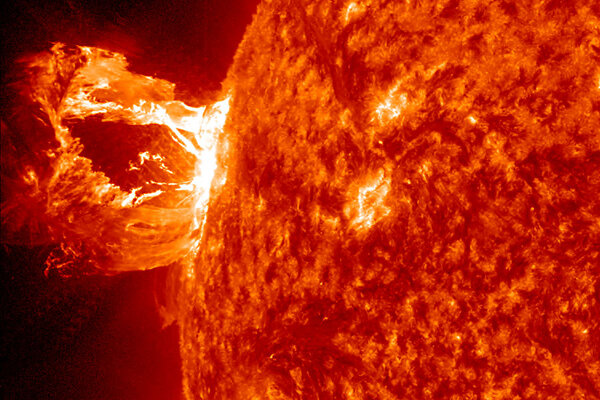 Do solar 'superflares' pose a danger to Earth?A study examines the possibility of our sun unleashing a 'superflare' that orders of magnitude greater than a typical solar flare.
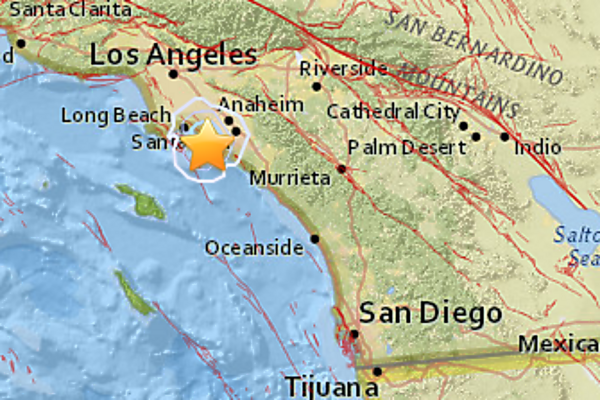 Huntington Beach rattled by magnitude 3.1 earthquakeThe earthquake, center three miles west south west of Huntington Beach, Calif., struck at 3:49 a.m. Pacific time