All Science
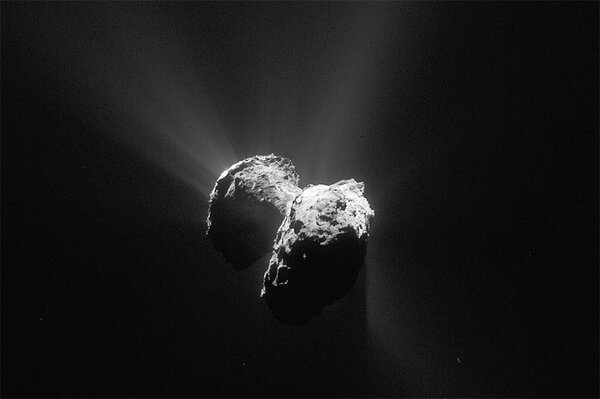
- Ribose, a basic ingredient for life, can arise in comets, say scientistsAn experiment mimicking our early solar system reveals that the complex sugar ribose, the 'R' in 'RNA,' can form in the icy grains of comets.
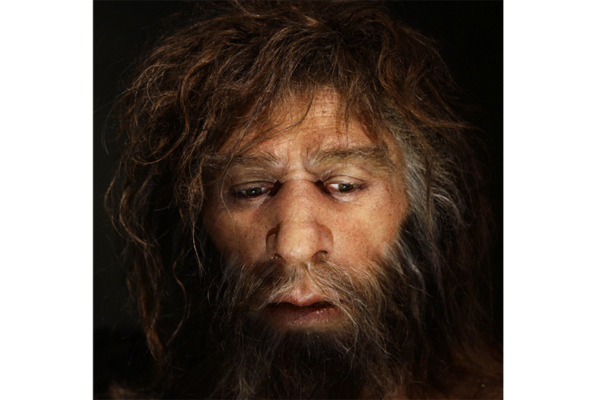 Researchers find no trace of Neanderthal Y-chromosomes in modern humansA new study finds no evidence of Neanderthal genes in Y-chromosomes around today, although modern humans did inherit other Neanderthal DNA. What happened?
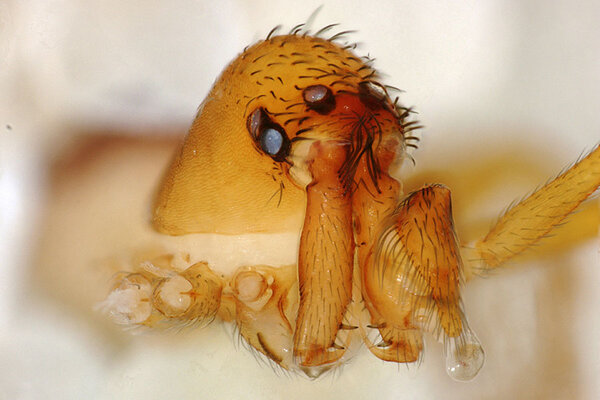 First LookScientists describe spiders that ensnare prey with lightning fast jawsFor the first time in the world of spiders, scientists have identified a family that has evolved the ability to snap their jaws shut faster than any muscles could allow.
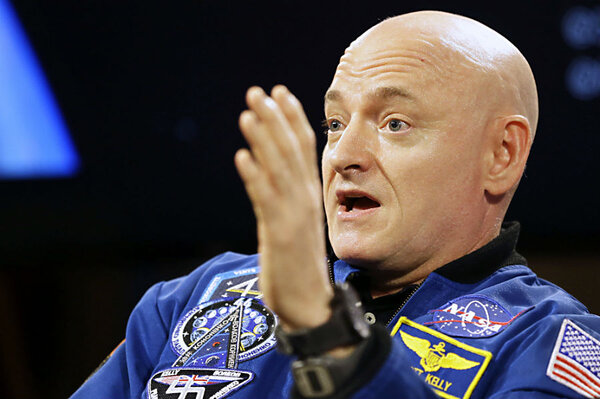 First LookScott Kelly to chronicle groundbreaking space station mission in new bookAmerican astronaut Scott Kelly, who recently returned from a yearlong mission aboard the International Space Station, is to release a book in the fall describing his experiences and looking to the future of space travel.
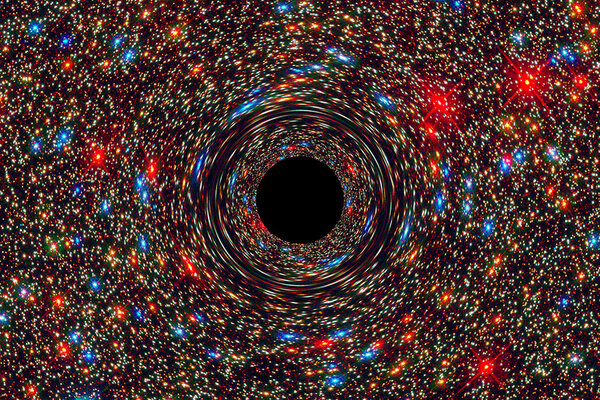 Gigantic black hole catches astronomers off guardAstronomers weren't expecting to find a supermassive black hole in this average-size galaxy, and they now may have to rethink their models.
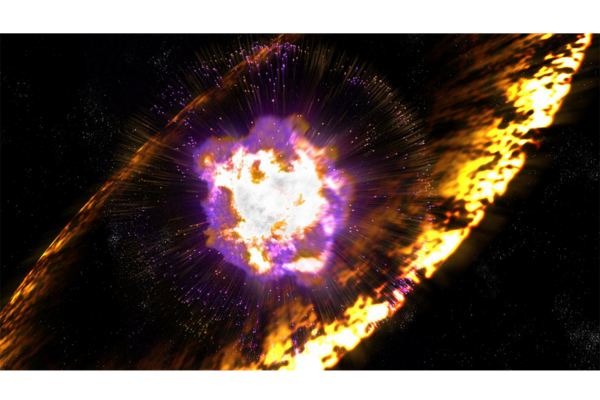 Ancient supernovae showered radioactive iron on our planet, say astronomersA pair of new studies examine deposits of a radioactive isotope of iron to investigate ancient supernova explosions near our planet.
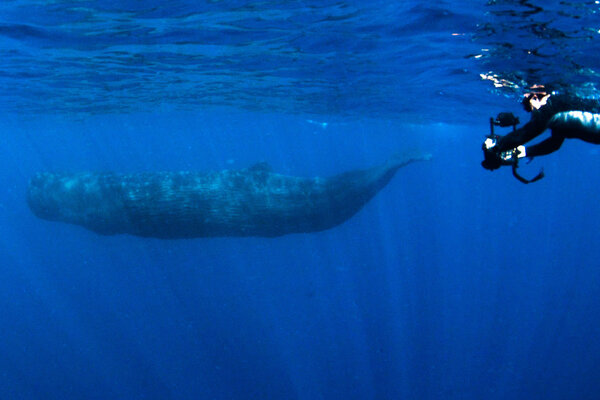 First LookFact-checking Moby Dick: Can sperm whale foreheads sink ships?Inspired by Herman Melville's聽Moby Dick, scientists studied the sperm whale's strange forehead to understand whether it could really sink a ship.聽
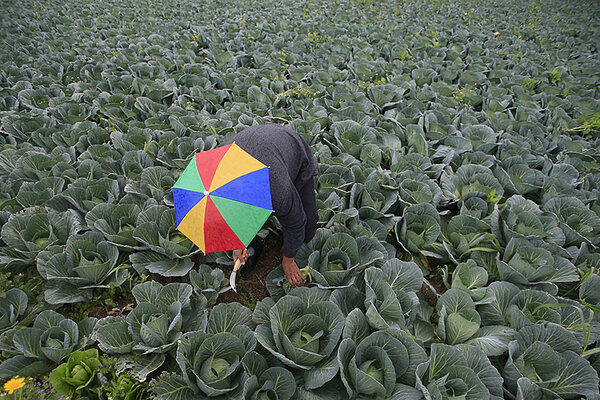 A surprising ally in the battle against climate change: dirtBy changing farming practices, an extra 9 billion tons of greenhouse gases could be locked away in the soil, according to an international team of scientists.
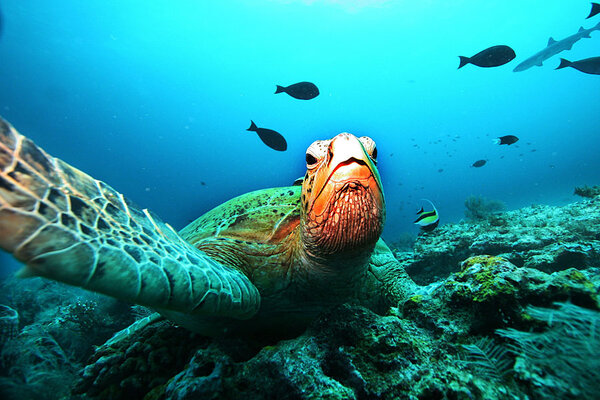 Green sea turtles in Florida and Mexico: No longer 'endangered'Green sea turtles along the coast of Florida and the Pacific coast of Mexico have been reclassified as 'threatened,' due to conservation efforts since they were first listed as endangered in 1978.
- World's brightest X-ray to get 10,000 times brighterStanford University's LCLS X-ray laser is getting a second laser, making the high-powered tool substantially faster, brighter, and more powerful.
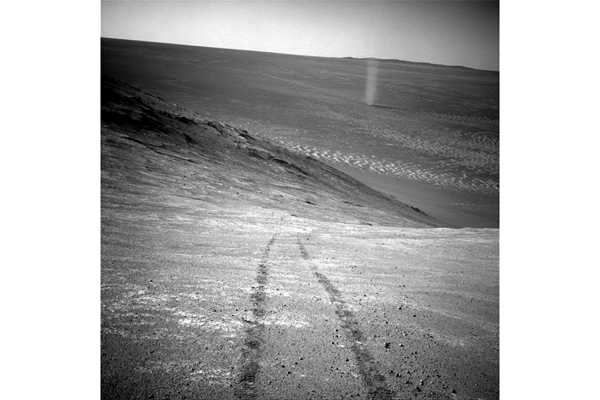 NASA's Opportunity rover captures image of Martian dust devilA serendipitous photo taken by the NASA rover captured a swirling dust devil on Mars.聽
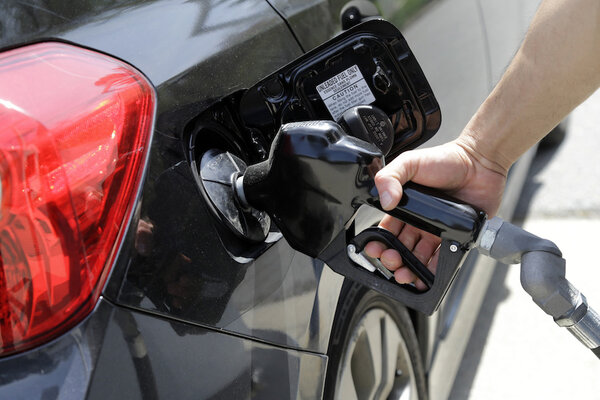 Can we use 'reverse photosynthesis' to make biofuels?Scientists have discovered that the same process that helps plants grow also helps enzymes break down plants faster in the production of biofuel.
- Researchers begin to crack the mystery of Laos's 'Plain of Jars'In central Laos, thousands of stone pots litter hundreds of square miles. One team of Australian archaeologists collaborating with the government believes the pots might have contained human remains.
 Where did Hannibal cross the Alps? Ancient dung may hold clues.Microbes indicating a 'mass animal deposition event' have been unearthed, revealing clues about how a Carthaginian general may have led his army into Italy during the Second Punic War.
 First LookKite kids? Ancient arthropod kept offspring on a short leash 鈥� literally.Aquilonifer spinosus, or 'spiny kite bearer,' had a unique way of keeping track of its children: it tethered them to its body like kites.
 Did human sacrifice create social stratification?New research has found that聽the more socially stratified a culture, the more likely ritual homicides were carried out in its history.
 Climate change is for, and against, the birds, say scientistsA new study shows that climate change is linked to population increases of some bird species and declines of others.
 As ocean acidification threatens the West Coast, a quest to stop itA panel of scientists, convened in 2013 at the behest of government officials, has delivered their findings on the threat of ocean acidification to the North American West Coast. The danger is real, they say, but they see a path to progress.
 What you need to know about the weird weather in the northern USA low-pressure clipper system has swept through the northern part of the country, freezing cities, toppling trees, and dropping snow. There is more of the same in store over the next several days.
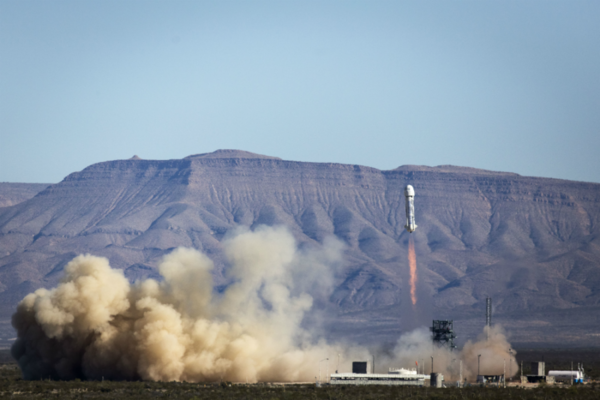 Jeff Bezos鈥檚 Blue Origin rocket sticks yet another landingBlue Origin, Jeff Bezos's space travel company, has been quietly and diligently perfecting its rocket as it gears up to start sending tourists to space in 2018.