All Science
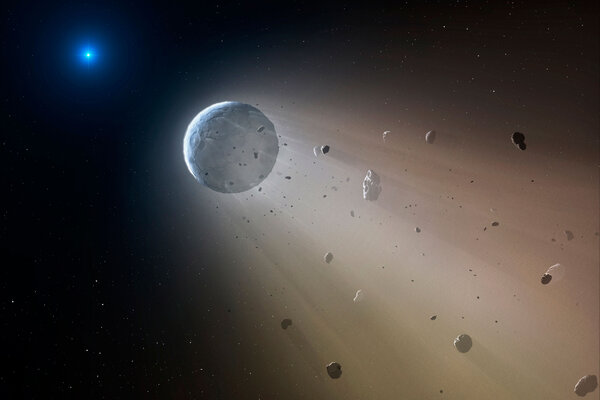 First LookLuxembourg woos would-be asteroid miners with $223-million programThe Grand Duchy of Luxembourg allocated 200 million euros for asteroid mining operations that could eventually provide a stream of resources from space.
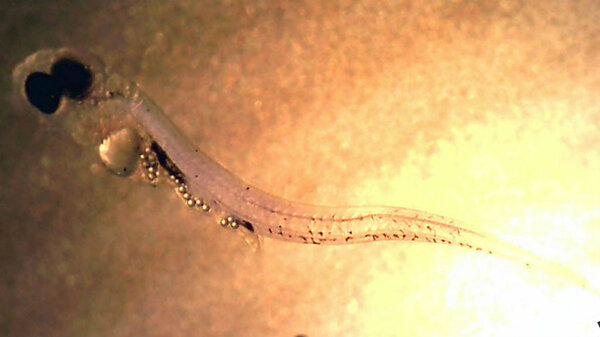 Zooplankton? No thanks. Some baby fish now prefer plastic, say scientistsBaby fish exposed to microplastics tended to eat the plastic particles instead of free-swimming zooplankton, their own natural food source.聽
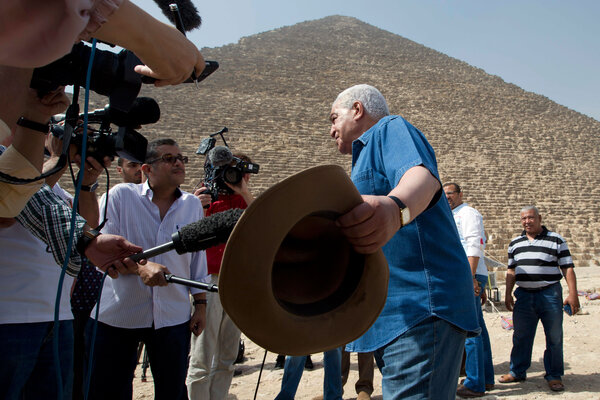 Peering at Great Pyramid: How high-tech scanners change archaeologyNew technology can help archaeologists uncover new finds at old sites such as the pyramids at Giza, but it also can shift their perspective to look across civilizations.聽
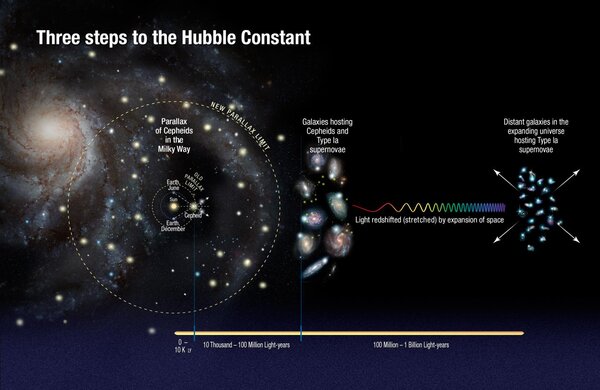 First LookIs the universe expanding even faster than we previously thought?According to fresh measurements of the expansion rate, yes, it is. If correct, they could have fundamental implications for our understanding of the universe.
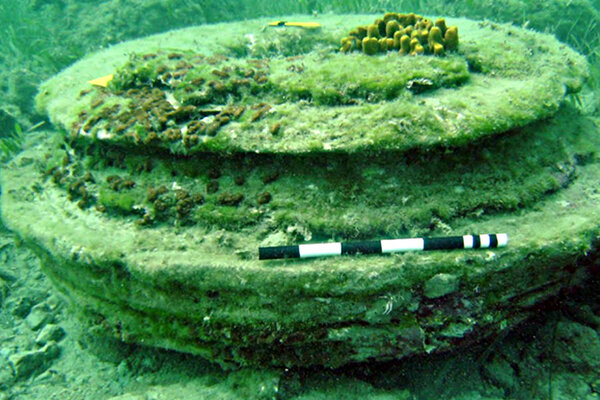 First LookWas this underwater Greek city built by humans or microbes?Scientists first thought that they had found an ancient city's columns and floors, but an absence of other cultural remnants made them think twice.聽
 Bionic leaf converts energy from our sun better than nature doesResearchers at Harvard have created a device that mimics the natural process of photosynthesis, taking solar energy and converting it into chemical energy or liquid fuel.聽
 Where were the two first Fidos? Researchers offer new origin story for dogsScientists propose a new model for dog domestication, suggesting that wolves were domesticated twice: once in eastern Eurasia, and once in western Eurasia.聽
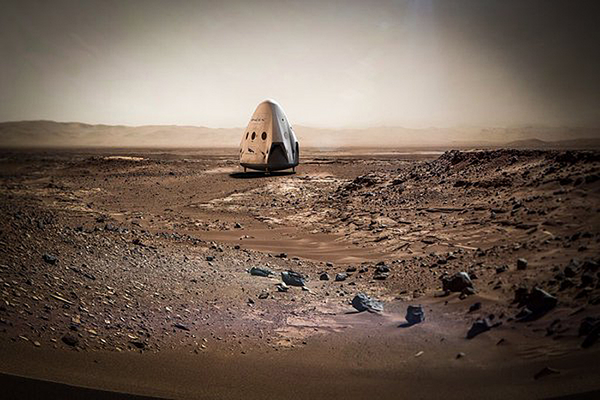 Elon Musk wants to send humans to Mars in 2024. Can he do it?SpaceX founder Elon Musk says that his company intends to send a robot mission to Mars in 2018, with a crewed mission six years later.聽
 Climate change could trigger toxic corn: what can be done?Climate change and extreme weather events stress crops out 鈥� enough to make them toxic for human and animal consumption. But scientists see challenge as opportunity to find more efficient ways to grow food.
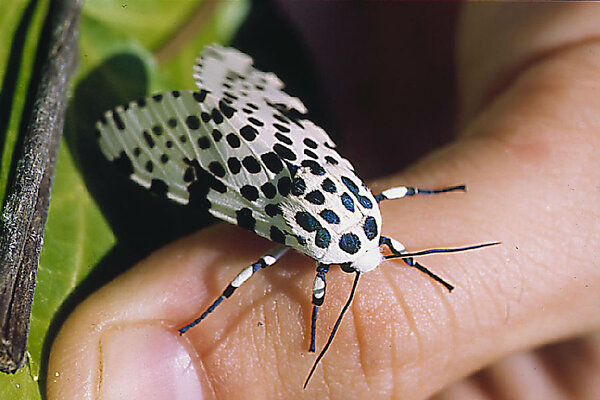 How these moths evolved to disguise themselves as soot in Industrial RevolutionTwo new studies investigated color changes in moths and butterflies, and discovered a single gene behind their rapid and extreme color variations.
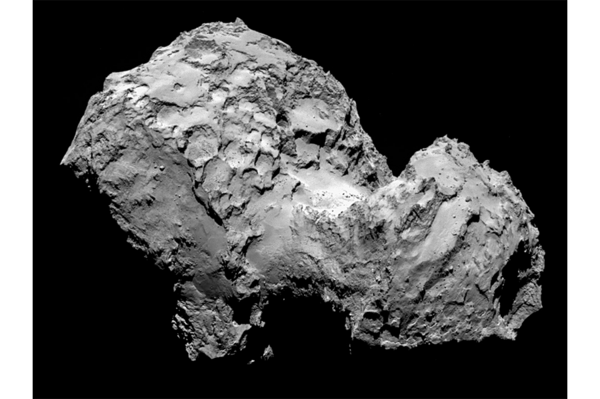 Do comets continually break apart and reassemble themselves?Why are comets often oddly shaped? A new study suggests that it's because they repeatedly break apart and come back together.
 Does Pluto's heart have a pulse? Peculiar polygons suggest activity on dwarf planetPluto's distinctive heart-shaped feature may appear still, but it's actually made up of churning icy cells, scientists say.
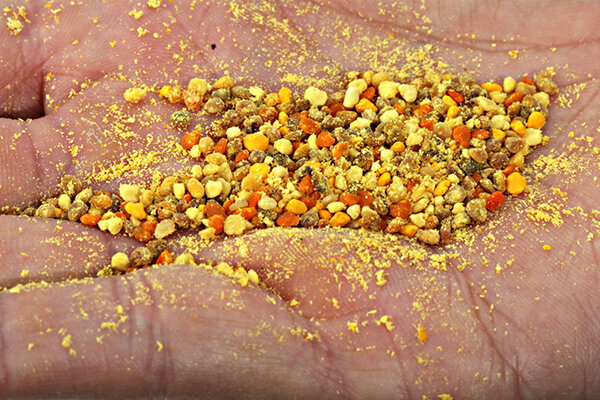 To save the bees, mind the household bug spray, study saysA 16-week study in the Midwest found that bees in a variety of landscapes were all exposed to similar pesticide levels, regardless of their proximity to treated crops.聽
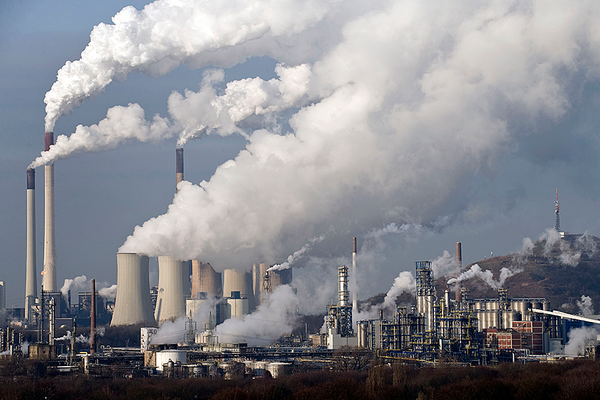 First LookSatellite data shines light on hidden pollutionBy analyzing almost a decade's worth of satellite data, scientists have uncovered major sources of man-made sulfur dioxide emissions, with implications for inventories and air quality regulations.
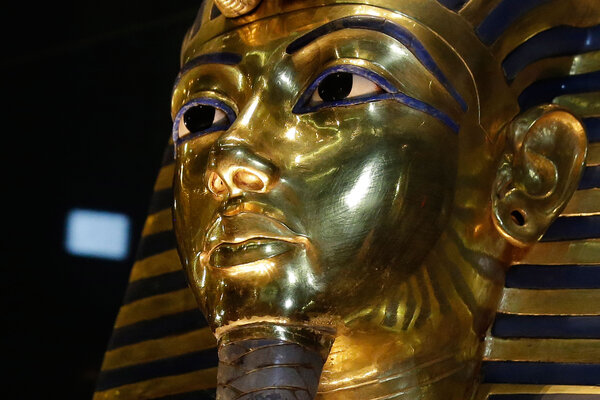 First LookKing Tut: a ruler swathed in mystery also wielded a cosmic daggerA research team recently confirmed that one of the daggers buried with the remains of the ancient Egyptian king Tutankhamun was made from 'iron of the sky,' a weapon fashioned from a meteorite.
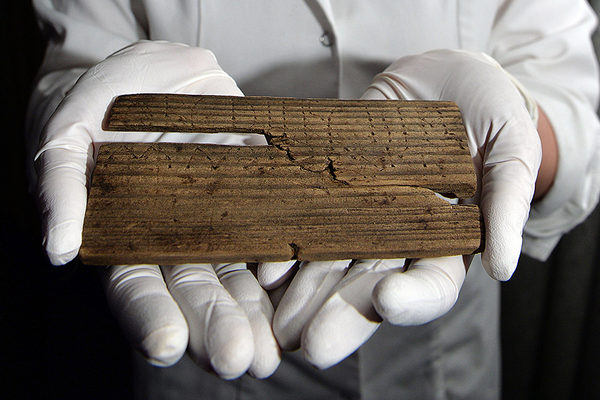 First LookBritain's oldest hand-written document unearthed in London digFollowing excavation of the site for Bloomberg's new European headquarters, archaeologists in London have revealed a dizzying array of Roman-era, handwritten tablets.
 Tiny shrimp's powerful punch inspires a new kind of human helmetMantis shrimp pack a famously big punch. The same engineering that keeps their hammer-like claws intact could shape a new generation of human body armor.聽
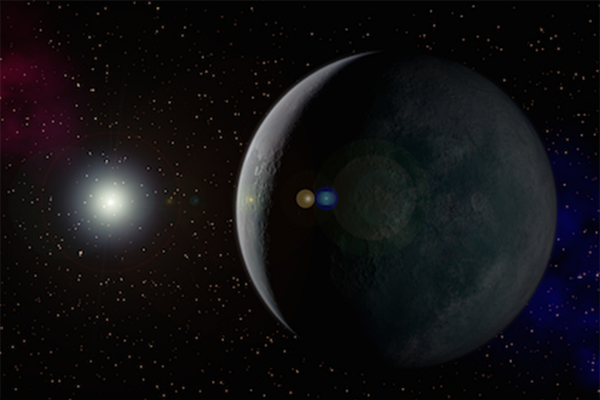 First LookWas 'Planet Nine' stolen by our sun?The latest research to delve into the mysteries of the fabled 'Planet Nine' suggests that, if it does exist, it may well have been torn from another solar system by our sun.
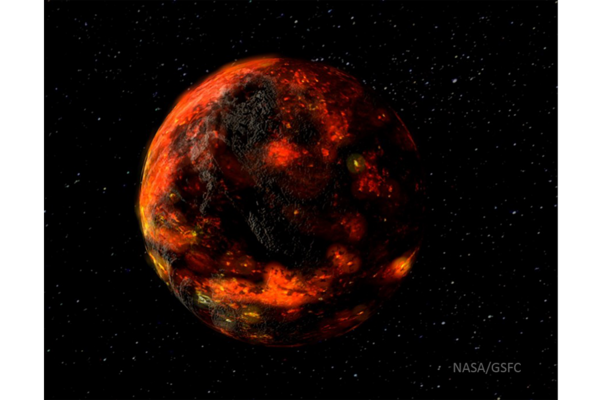 Water on the moon? Asteroids, not comets, brought it.A new study suggests that asteroids, not comets, are largely responsible for the water molecules trapped within the moon. 聽
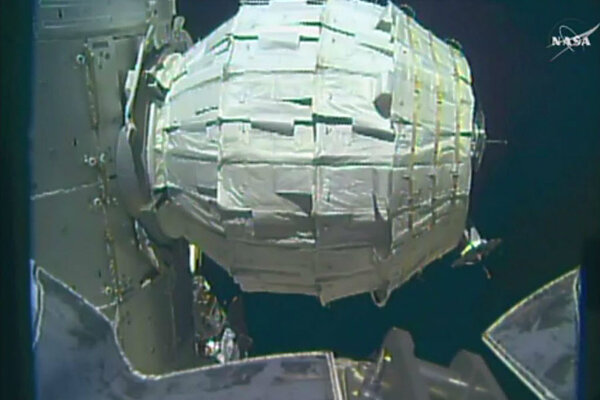 Mark Zuckerberg will connect with astronauts over Facebook LiveFacebook's chief executive officer Mark Zuckerberg will connect in real time with three astronauts on board the International Space Station on June 1.聽