All Science
 Science NotebookSouth Pole rescue flight of 2 sick workers leaves AntarcticaThere have only been three emergency evacuations at the Amundsen-Scott station since 1999, and rescuers on this occasion had to brave the pitch dark and extreme cold of Antarctic winter.
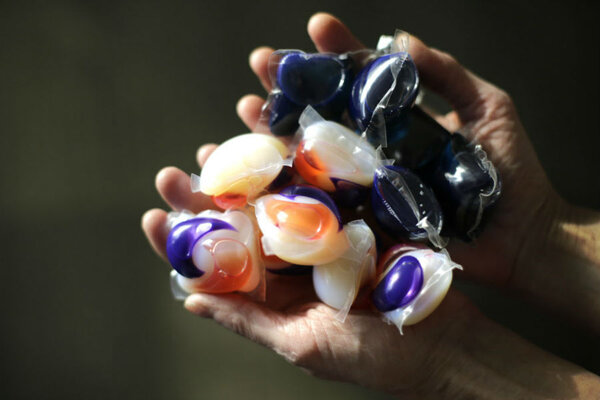 First LookRare bipartisan bill to make household goods safer becomes lawPresident Obama signed a sweeping reform of the nation's chemical regulations system, issuing newfound authority to regulators to evaluate the toxicity of chemicals in almost every household product.
 What鈥檚 happening with the San Andreas fault?A new study finds that areas along the southern San Andreas fault are rising and falling, reflecting centuries-long buildups of seismic energy that could potentially trigger a major earthquake.
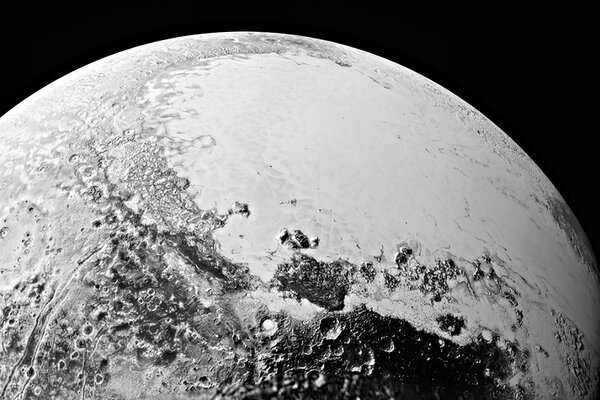 Does Pluto harbor a hidden liquid ocean?Geophysical indicators on the dwarf planet's surface suggest that Pluto's subsurface ocean might be expanding the planet, not contracting it.
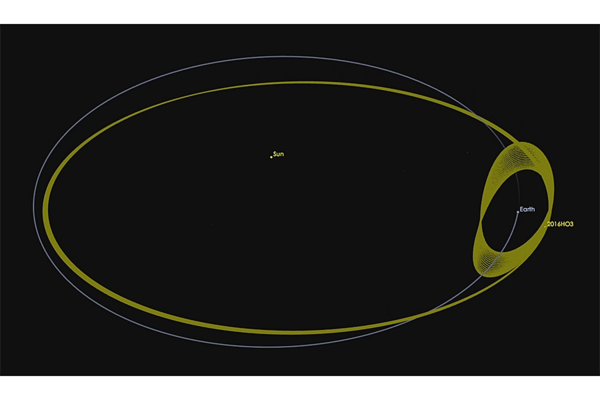
- Newfound space rock is a 'quasi-moon' of EarthIn its orbit around the sun, asteroid 2016 HO3 also loops around the Earth, in what scientists are calling聽the best example of an Earth quasi-satellite ever found.
 Is your favorite pizza joint hurting the environment?A recent study found the wood-burning stoves used by pizzerias can damage the environment in major cities.聽
 First LookNational Pollinator Week: Is America doing enough for its bees?Some concerned bee advocates are converging on Washington, D.C., this week, as part of a plea for the government to do more to support declining bee populations. The bee die-in falls in the middle of聽#NationalPollinatorWeek.
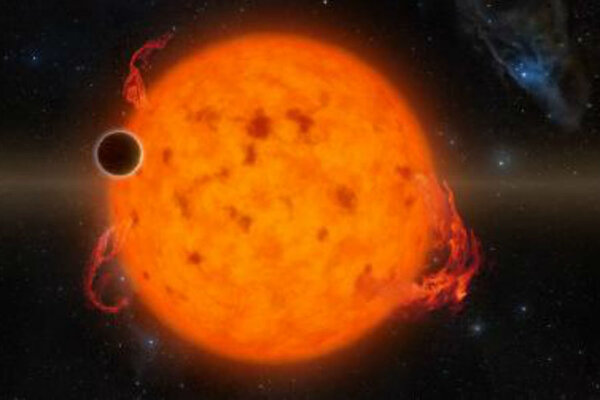 First LookAstronomers spot infant exoplanet: What can it teach us?Researchers say K2-33b, the youngest fully formed exoplanet ever detected, could offer valuable insights into how planets are formed.
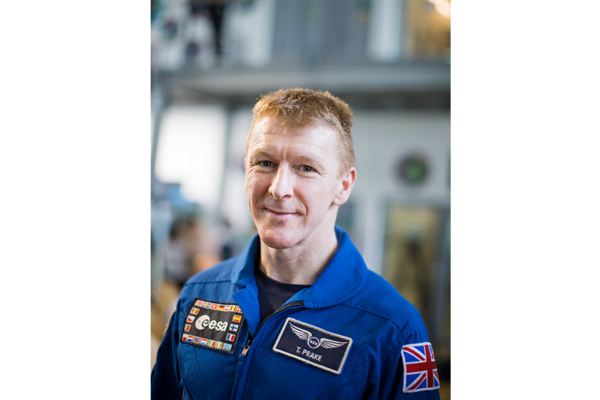 First LookBritish astronaut Tim Peake's next mission: inspiring the next generationPeake, who said in a press conference Tuesday that he'd 'go back to space in a heartbeat,' is involved in various initiatives to get kids interested in space.
 Even as bleaching continues, hope remains for coral reefsThe NOAA predicts coral bleaching and reef die-offs will worsen over the next year, but others are more confident in corals' resiliency.聽
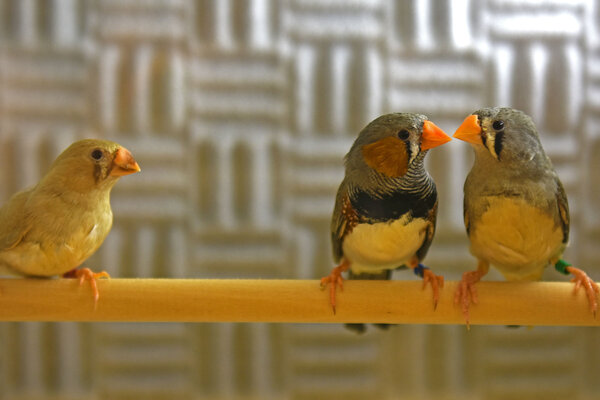 How do songbirds learn their melodies? Scientists reveal clues.A study published Tuesday is the first to identify how male zebra finches learn their father's song, which serves as the model for their own.
 First LookScientists look into mysterious force that whisked away water on VenusScientists now say that Venus鈥檚 super-strong electric field may have something to do with the disappearance of water from the planet.
 'Strawberry moon' marks this year's summer solsticePeople around the world celebrated the summer solstice Monday, as well as the strawberry moon, known for its coloring and timing during the strawberry harvest.聽
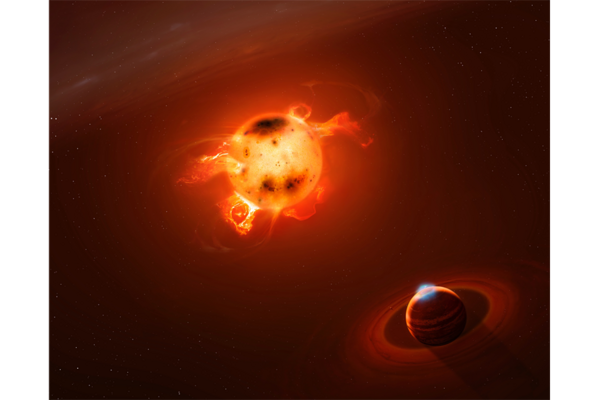 First LookWhat can these baby alien planets teach us about planetary formation?Two newly discovered worlds are some of the youngest exoplanets detected to date. And they could help scientists learn more about some puzzling aspects of planetary formation.
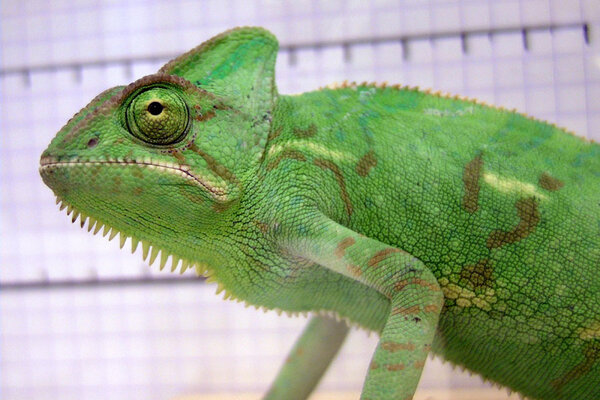 How sticky spit helps chameleons catch big mealsMucus on chameleons' tongues might be the perfect glue for the predatory lizard, say scientists.
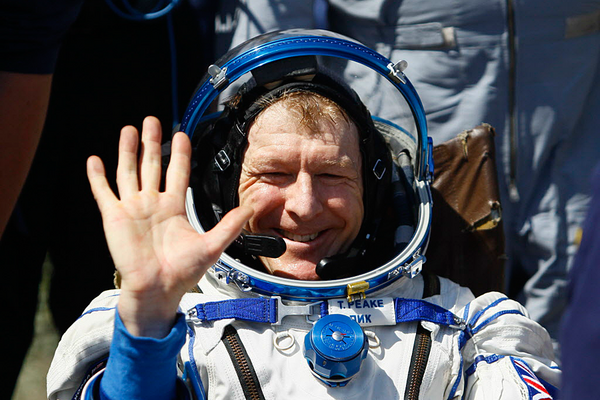 First LookBritain's 'Major Tim' bids space adieuThe astronaut touched down in Kazakhstan聽on Saturday, 'elated' at all of Earth's smells.聽
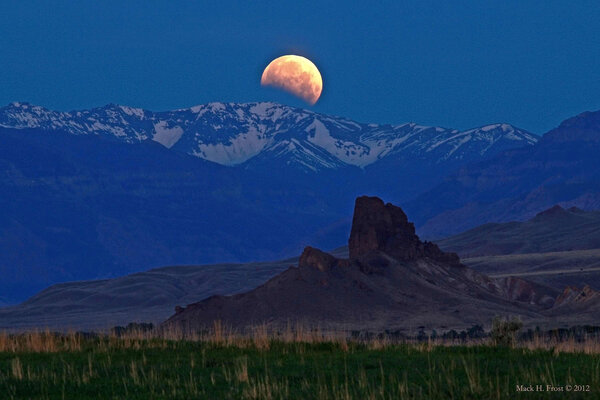 First LookStrawberry moon: Rare astronomical coincidence promises an extra bright solsticeThis year's solstice will be the brightest in decades, thanks to unusual timing of a Strawberry Moon.
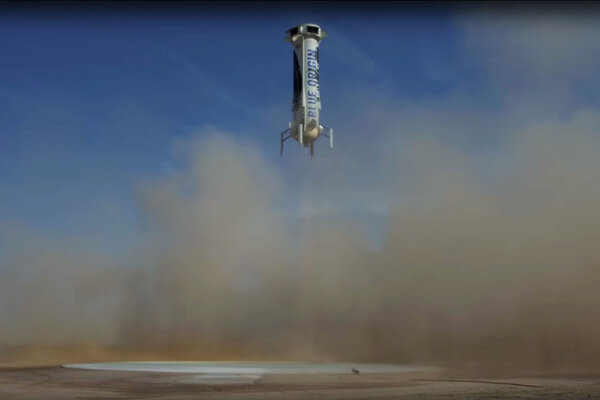 First LookWill Bezos's Blue Origin be the first company to send tourists to space?Blue Origin launched and landed its unmanned New Shepard for the fourth time, but SpaceX promises to venture farther into space at a cheaper price.
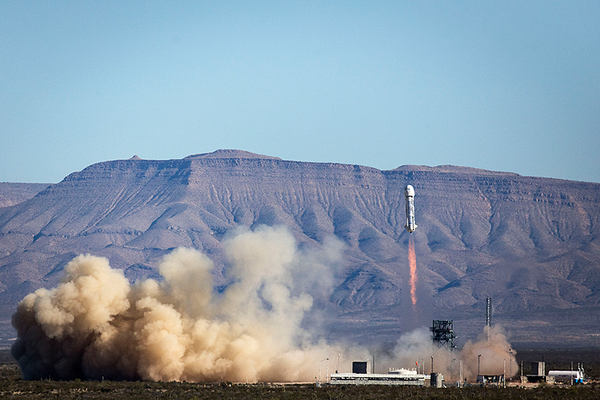 How to watch Blue Origin's rocket launch liveFor the first time, the commercial spaceflight company Blue Origin will broadcast one of its launches.
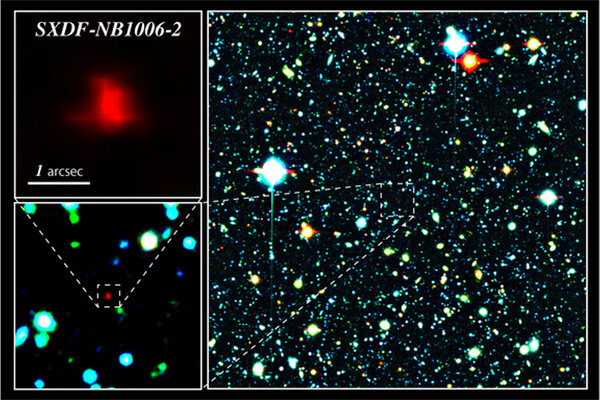 Oldest oxygen in the universe could solve mystery of star formationThe discovery of oxygen聽13.1 billion light-years from Earth could help solve the mystery of how much the first stars helped to clear the murky fog that once filled the universe, say researchers.