All Science
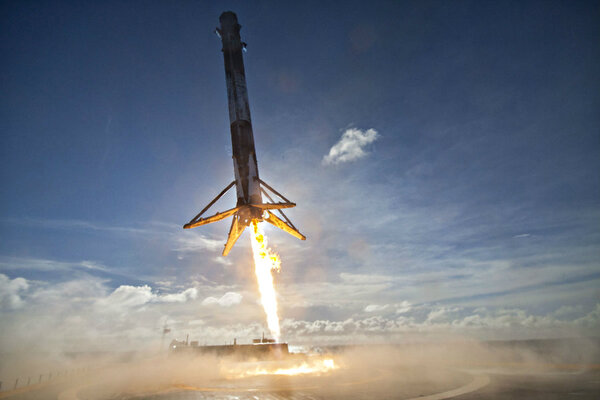 First LookWhy NASA says it doesn't like the SpaceX fueling processFueling with humans on board? A NASA advisory committee says that SpaceX's unorthodox fueling procedures could spell trouble for the company's plans to hoist humans into space.聽
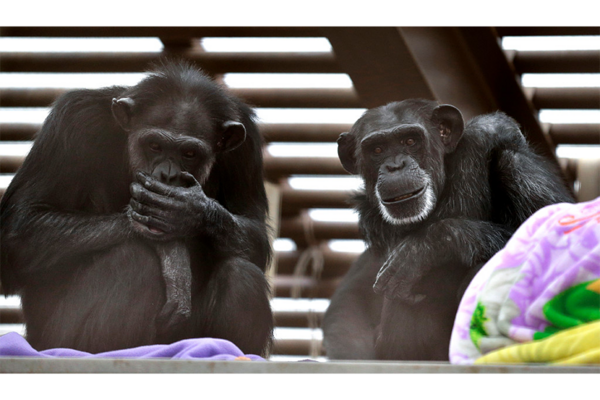 Chimps rely on their friends to feel more relaxed, say scientistsNew research suggests that close social bonds help regulate stress in chimpanzees.
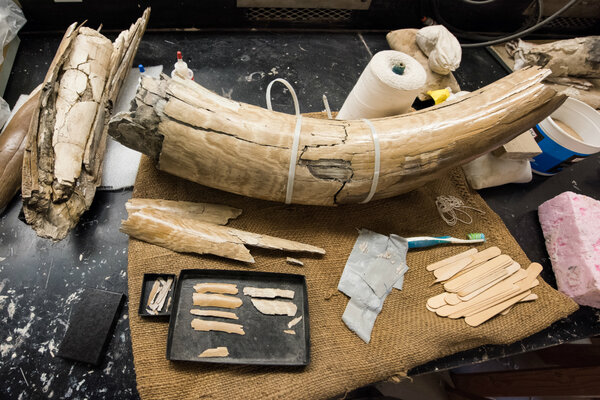 Michigan mammoth bones: Lessons about early North American settlersEven if it doesn't rewrite history, the incomplete Bristle Mammoth exhibit in Michigan could still help museums convey a clearer picture of the scientific process.
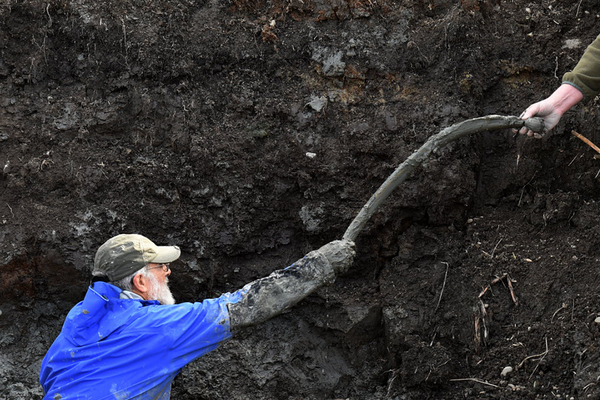 First LookWhat will we learn from mammoth exhibit at Univ. of Michigan?An analysis of the bones, tusks, and teeth of the remains of an ice age mammoth found in a farmer's field in 2015 has the potential to change perceptions of prehistory.
 First LookDid the moon help to tip Earth right-side up?A new study suggests that the creation of the moon slowed down the rotation of Earth and altered its tilt.
 First LookAlaska 鈥榠ce monster' video: What is swimming in the Chena River?Ice monster in Alaska? When video appeared online of an ice-covered object that appeared to be swimming in the current of Fairbanks Alaska鈥檚 Chena River, viewers came up with theories ranging from sturgeon to shark to river monster. What is it really?
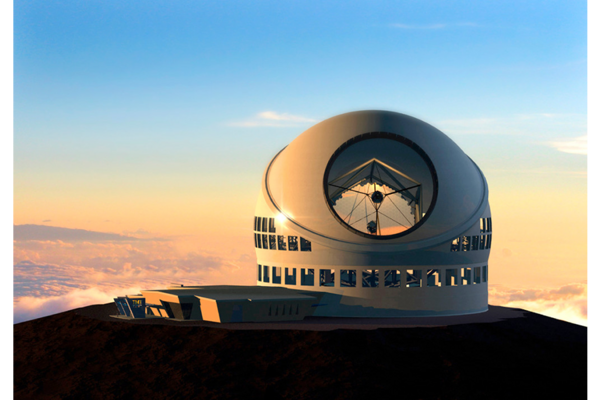 First LookCanary Islands, not Hawaii, possible future home of Thirty Meter TelescopeThe Thirty Meter Telescope International Observatory Board spent years working through bureaucratic red tape to secure government approval to build the telescope on Hawaii's Big Island. But that work may have been for naught.
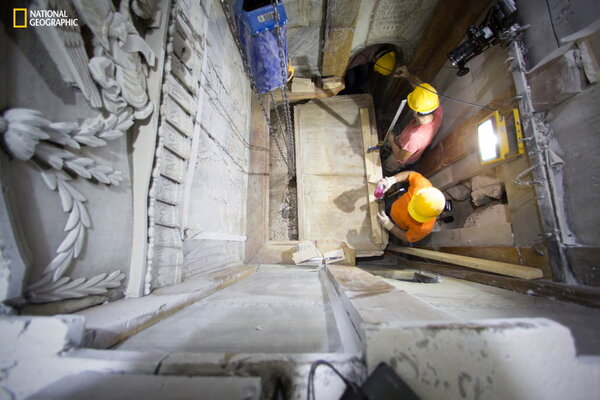 First LookJesus' Tomb opened: What did we learn so far?Jesus' Tomb: The 60-hour restoration, which began on Wednesday, may turn up more than just marble.
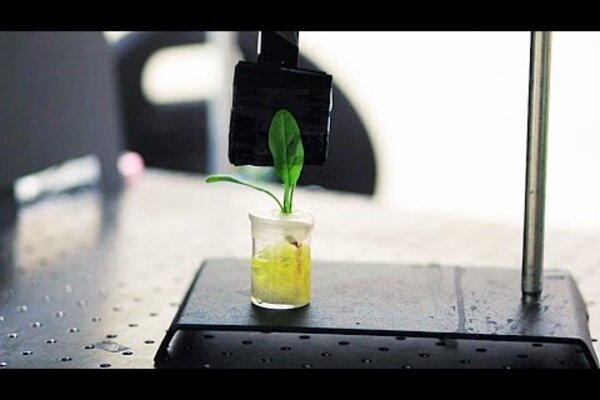 First LookHow MIT researchers taught spinach to detect bombsSpinach as a bomb detector? MIT researchers say they've overcome the plant-human communication barrier 鈥� with a little help from nanotechnology.
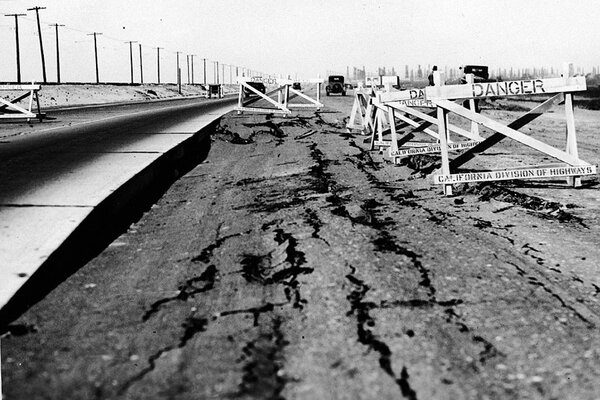 Did human activity trigger California earthquakes nearly 100 years ago?Research has suggested a link between oil extraction and earthquakes in some regions today, but what about when the petroleum industry first gained momentum?
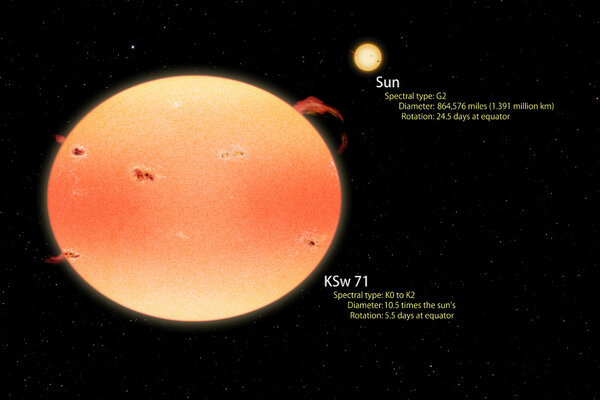 First LookCosmic jack-o'-lantern: NASA discovers giant 'pumpkin stars'Using data from NASA鈥檚 Kepler and Swift survey missions, astronomers have discovered a group of fast-spinning, X-ray slinging, orange giants.
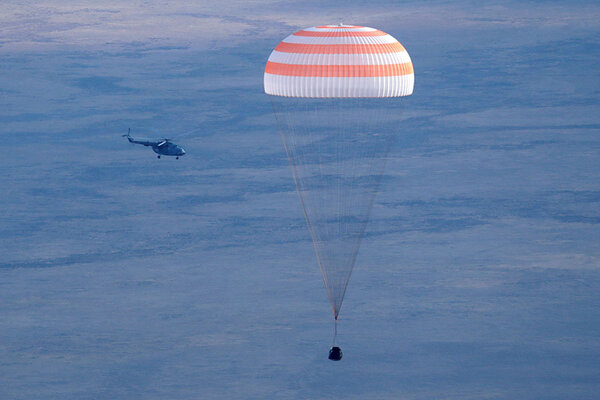 First LookSoyuz capsule returns multinational astronaut crew to EarthA trio of astronauts from the United States, Russia, and Japan touched down safely in Kazakhstan on Sunday following a 115-day visit aboard the International Space Station.
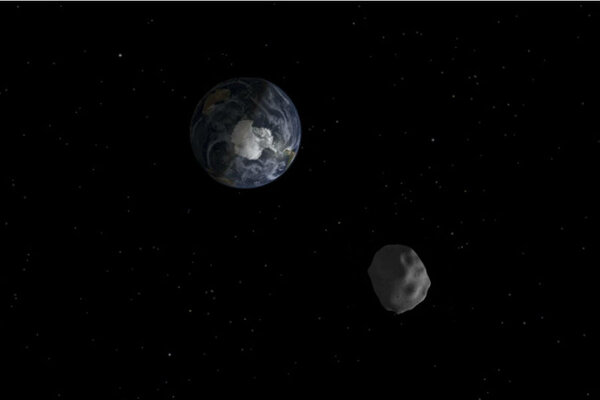 First LookNASA's 'intruder alert' spots cosmic flybyBuzzed by an asteroid:聽With new advances in detection and tracking so-called Near Earth Objects, scientists hope to one day protect the Earth from asteroid threats.
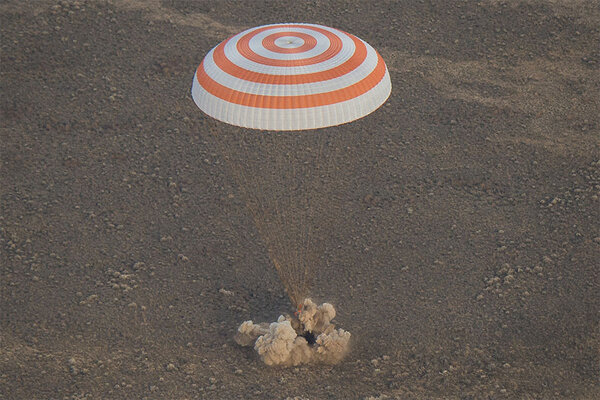 Touchdown! Soyuz capsule returns international astronaut trio to Earth.After a 115-day stay aboard the International Space Station, three astronauts landed safely in Kazakhstan on Sunday mornin aboard a Soyuz space capsule.
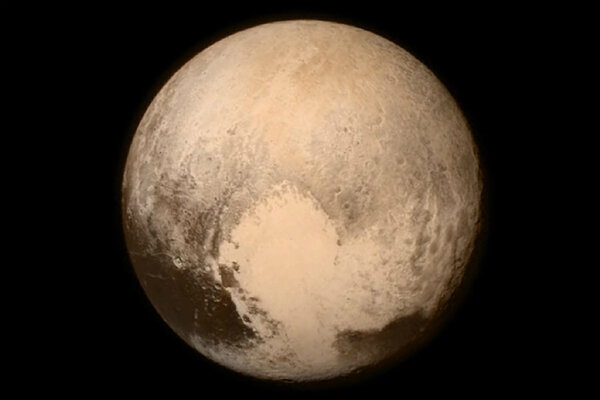 How New Horizons forever changed our view of PlutoFifteen months after NASA鈥檚 New Horizons mission flew through the Pluto system, the images and data it collected have finally finished transmitting back to Earth.
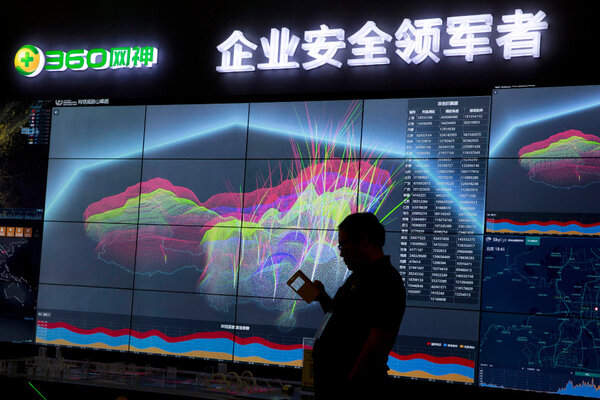 The human element of cybersecurityIf humans aren鈥檛 included in the design process of new technologies and we don鈥檛 train analysts to work together, why are we still blaming humans for our cybersecurity woes?
 A female Frankenstein would lead to humanity's extinction, say scientistsIn Mary Shelley's 1818 novel, Victor Frankenstein destroyed his female creature to prevent the rise of a 'race of devils.' Nearly 200 years later, population ecologists say Dr. Frankenstein's actions were justified.
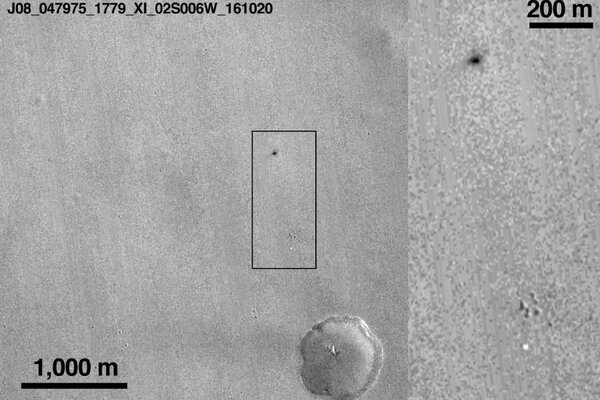 First LookSchiaparelli's crash: What happened to the Mars lander?Close-up photos show a new crater on the surface of the Red Planet, indicating that the Schiaparelli probe crashed to the ground instead of landing gently.
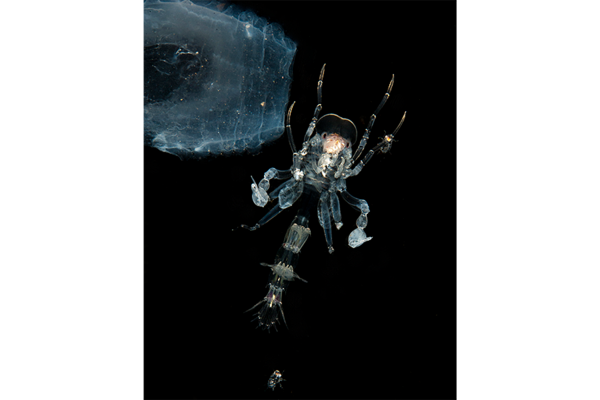 Is this tiny transparent ocean animal wearing an invisibility cloak?Near-invisibility can be hard to pull off, even underwater, but these crustaceans may have help from friendly bacteria.
 How did the moon get its bull's-eye crater?The pristine Orientale Basin provided data that can help scientists understand the evolutionary history of the solar system.