All Science
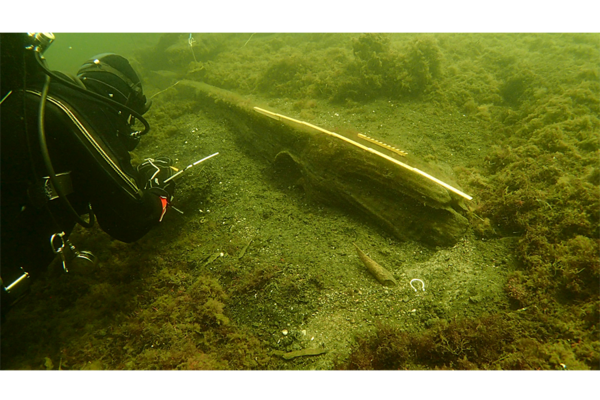 'Fantastic' sea monster figurehead found in 15th century shipwreckThe wreck of the Gribshunden, a vessel thought to have sunk 聽in 1495聽in waters off Sweden, is one of the best-preserved of its kind.
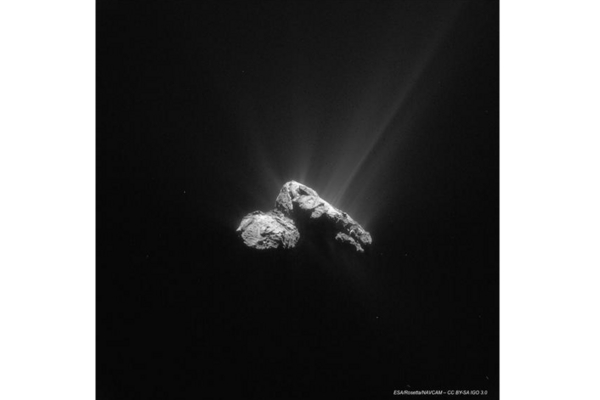
- Comet, European spacecraft make closest approach to sunWith the European Space Agency's Rosetta lander circling around it, Comet 67P/Churyumov鈥揋erasimenko is now reaching perihelion, the closest point to the sun in its orbit.
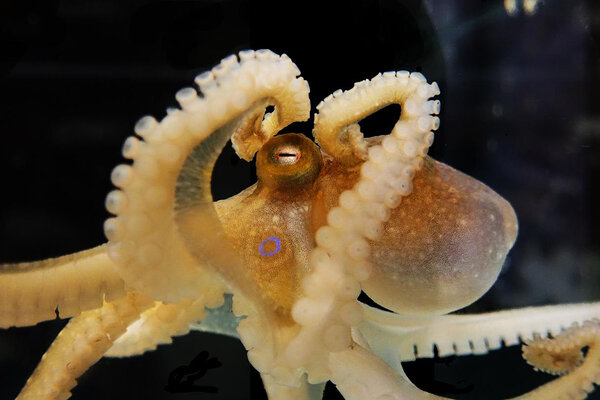 First LookScientists sequence octopus genome: A better understanding of cephalopods?Researchers have sequenced an octopus genome for the first time, paving the way for a better understanding of octopuses and similar creatures.聽
 Scientists find new way to grow graphene: Future of electronics?A team of scientists has discovered a new way to grow graphene, enabling the material to be used in electronic devices.
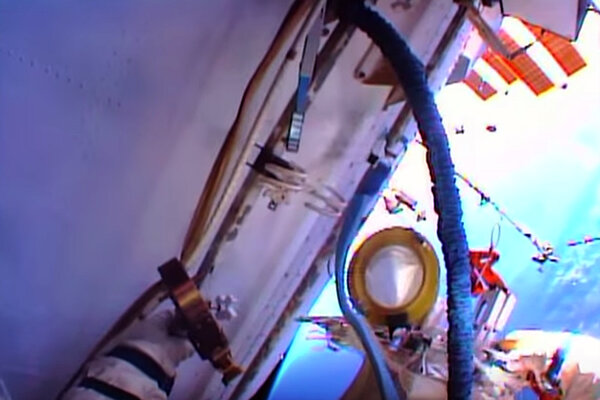 First LookHow do you wash a window 250 miles above the Earth?Two cosmonauts of the Russian Federal Space Agency scrubbed windows on the International Space Station during a 5 and a half hour spacewalk Monday.聽
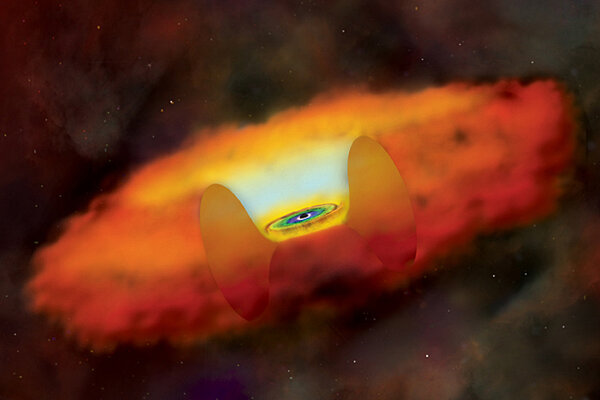 First LookHow can a supermassive black hole be so teeny?Astronomers have found the tiniest supermassive black hole ever to be detected to date.
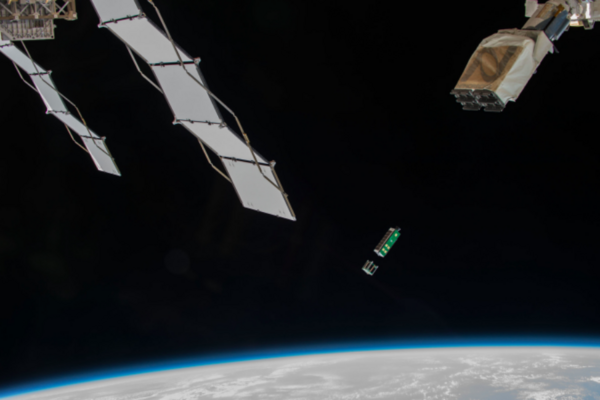 How a private space company is planning to mine asteroids by 2025Planetary Resources president Chris Lewicki outlined some bold plans following a successful first launch of a test spacecraft from the International Space Station.
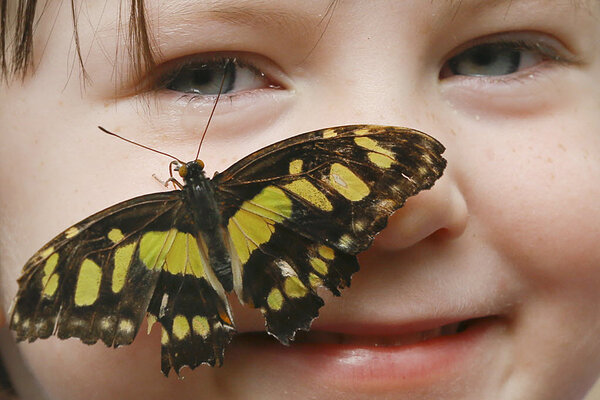 Drought-sensitive butterflies could be extinct in UK by 2050The average global temperature on Earth has increased by 0.8 degrees Celsius (1.4 degrees Fahrenheit) since 1880. Two-thirds of the warming has occurred since 1975.
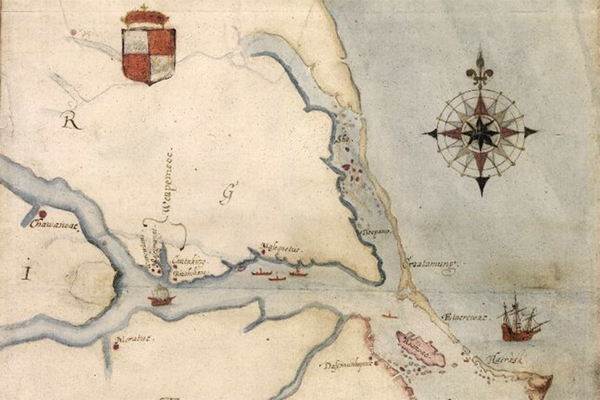 Archeologists may have solved mystery of the 'Lost Colony'Two separate teams of archeologists claim they have unveiled objects that may be traced back to the first English colony in the New World.聽
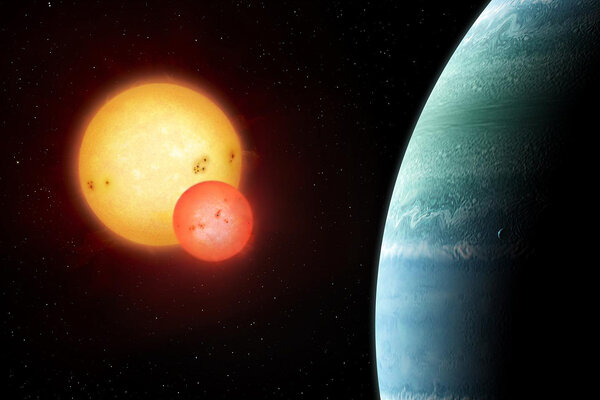 First LookPlanet hunters discover circumbinary exoplanet. Wait, what is that?NASA's planet-hunting mission Kepler, has detected a new two-star exoplanet 鈥� Kepler-453b 鈥� orbiting a pair of stars in an area in which life could potentially exist.
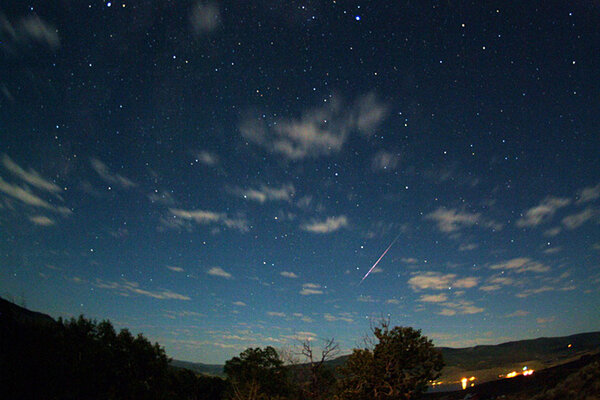 First LookFireballs and shooting stars: Why Perseid meteor shower is so spectacularIf you're going to wake up at 4 a.m. to watch the Perseids meteor shower, you should at least know what you're looking at.
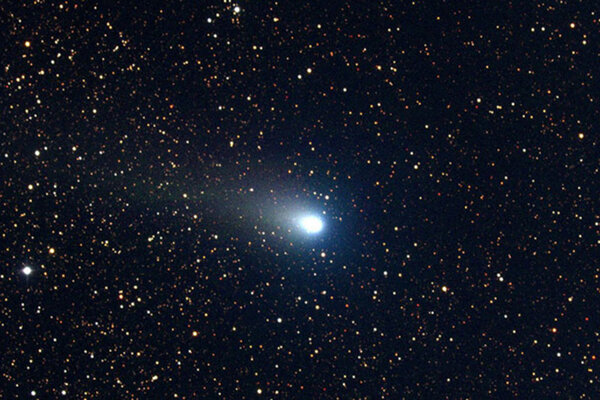 Scientists confirm the universe is ending. But not quite yet.New research finds the universe's light sources 鈥� across all wavelengths 鈥� will fade away in the future.
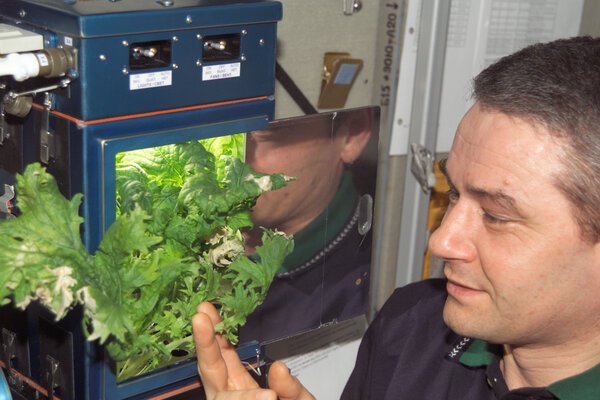 First LookISS astronauts dine on space lettuce. Is this the future of farming?On Monday, the crew aboard the International Space Station will for the first time feast on fresh food grown in space.
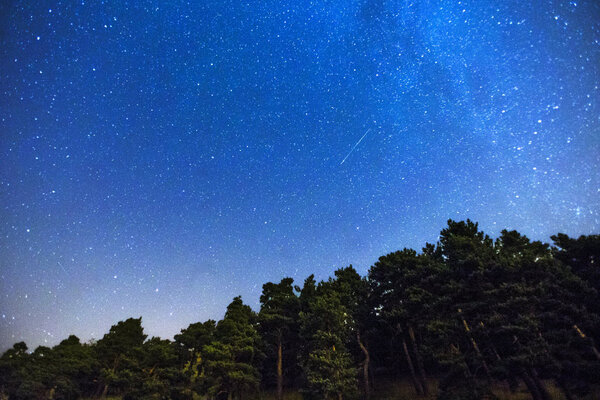 First LookThe Perseids are coming: How to watch the meteor shower of the yearAstronomers say early Thursday morning is the best time for peak Perseid viewing.
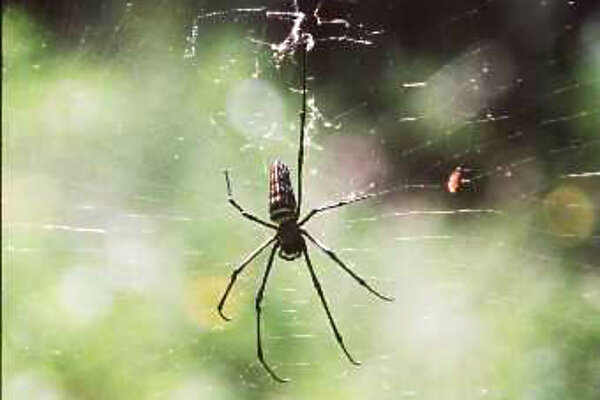 Giant spider webs invade Dallas suburb: Where did they come from?Thousands of spiders coming together to weave 40-ft-tall webs in Rowlett, Tex., are 'more to be appreciated than feared.'
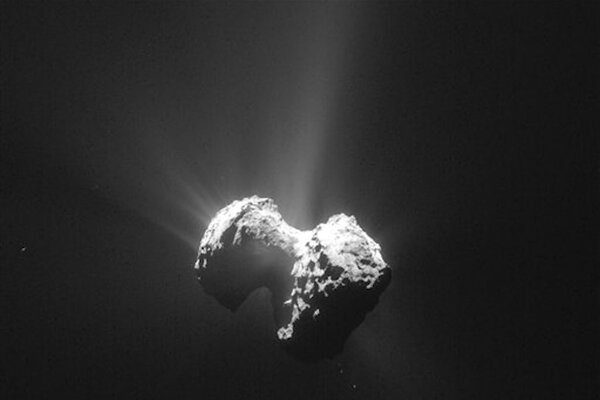 Science NotebookRosetta and comet 67P approach their rendezvous with the SunComet 67P/Churyumov鈥揋erasimenko will reach its closest point to the Sun in its 6.5-year orbit on Aug. 13, 2015, accompanied by the Rosetta spacecraft.
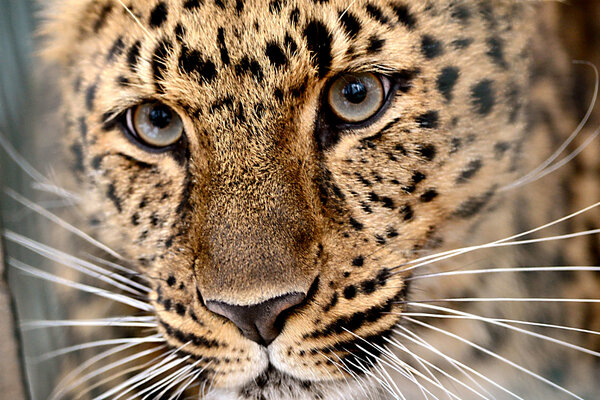 The eyes have it: What pupils reveal about predators and preyThe shape of an animal鈥檚 pupil 鈥� either horizontally or vertically slanted 鈥撀爎eveals whether it鈥檚 the hunted or the hunter.
- Two studies offer new clues to how galaxies form and emerge from 'dark ages'The results, unveiled this week, provide fresh revelations about the formation and evolution of galaxies early in the universe's history and their impact on the evolution of the cosmos.
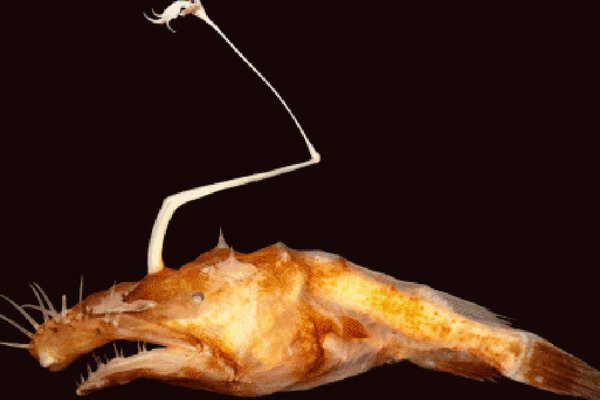 A new fish species is lighting up the ocean鈥檚 鈥榤idnight zone鈥�This new species of anglerfish has reminded scientists how much of the world's oceans are yet undiscovered.
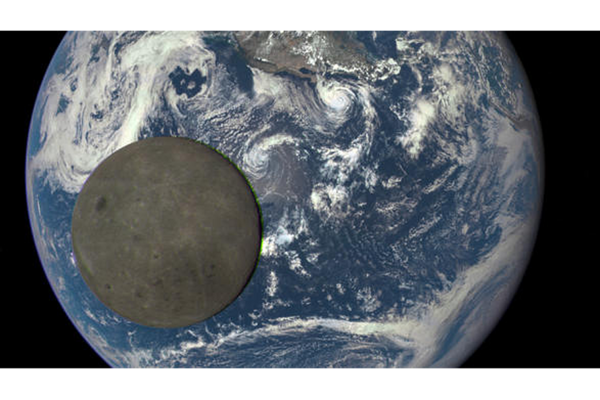 NASA spacecraft snaps spectacular images of moon transiting EarthNASA's聽Deep Space Climate Observatory captured the far side of the moon as it passed in front of the Earth, from a million miles away.