All Science
- New Horizons snaps spectacular shot of Pluto's atmosphereA new image captured by the聽LOng Range Reconnaissance Imager aboard NASA's New Horizons space probe shows the icy dwarf planet's atmosphere backlit by the sun.
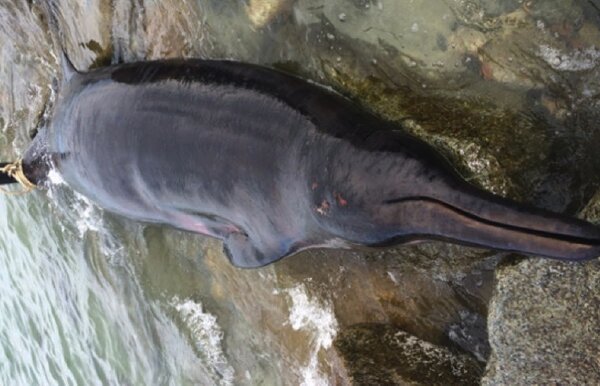 Rarely seen beaked whale washes ashore in MassachusettsScientists are trying to figure out how a beaked whale usually confined to deep water washed up on the shore Friday in Plymouth, Mass.
 Scientists solve bizarre 'hair ice' mysteryScientists have determined how a cold-tolerant fungus can stimulate the growth of thin strands of ice that sprout from rotting wood like hair.
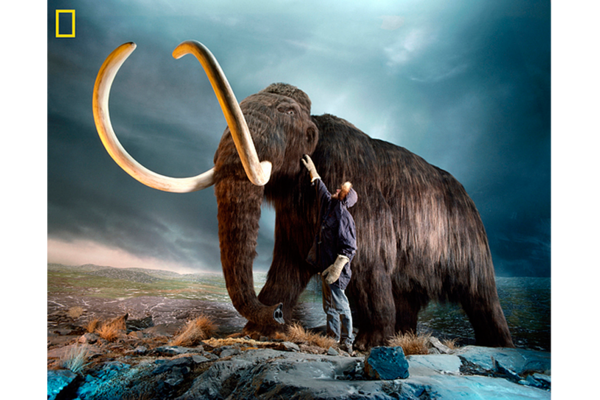 Climate change drove sloths, mammoths to extinction, say scientistsDramatic climate shifts made it difficult for large animals such as the woolly mammoth to survive, new research confirms.
 Why Lake Tahoe is so blue (and how to measure it)A novel use of a NASA buoy provided data for a new Blueness Index. Now, conservation efforts have a new focus when it comes to restoring Lake Tahoe.聽
 Stephen Hawking on Reddit: What would you ask?Stephen Hawking will host his first 'Ask Me Anything' session on Reddit on Monday. What's on his mind? Artificial intelligence.
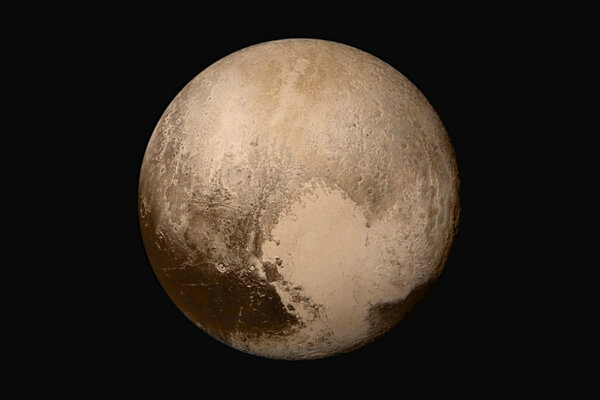 Latest on Pluto: flowing nitrogen ice, lofty haze, 'a dream come true'Fresh data from New Horizons show smooth icy landscapes feathering into ancient, cratered terrains, providing聽signs of geological activity that could still be under way.
 Science NotebookStadium lights alter bat behavior, study saysResearchers say stadium lighting may impact bat feeding patterns, creating a possible threat to local biodiversity.
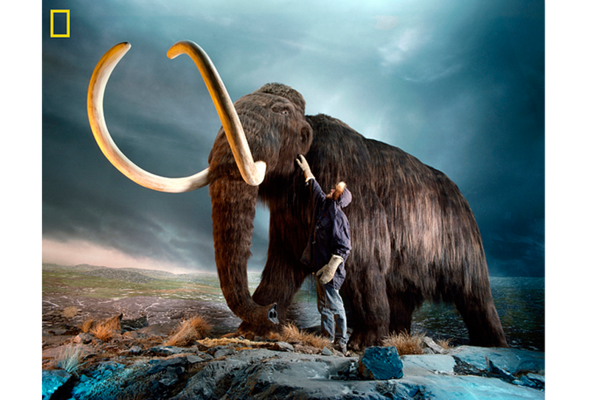 What killed off the woolly mammoth? Climate changeNew analysis of ancient DNA has found that mammoths and giant sloths succumbed to sudden, rapid warming events, a finding that has implications for wildlife in a warming world.
 Why is China building the world's largest radio telescope?Chinese astronomers will no longer have to rely on 'second-hand' data, officials said.聽
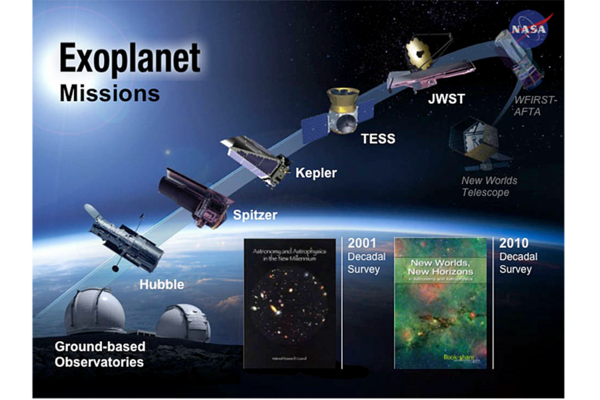
 NASA estimates 1 billion 'Earths' in our galaxy. Why so many?An astrophysicist says those planets could be found in 'habitable zones.'
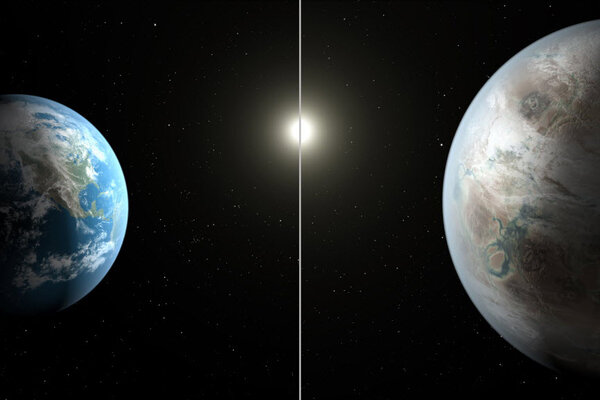 Science NotebookKepler 452b: How many more Earth-like planets could be out there?Kepler 452b:聽NASA first announced the discovery of Kepler 452b, the most Earth-like planet discovered to date, on Thursday. But scientists believe there could be many more planets similar to Earth out there.
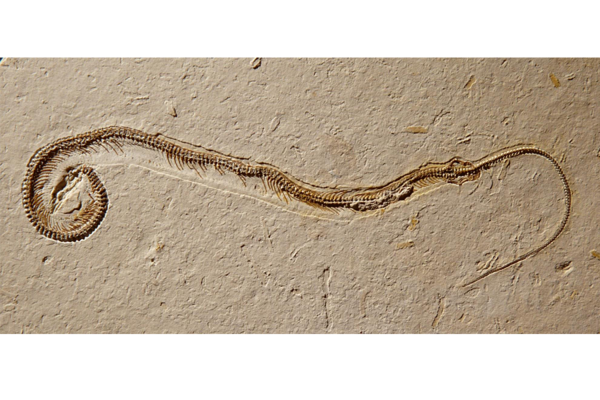 Four-legged snake sheds light on mysteries of reptile evolutionAccording to scientists, the four-legged snake suggests that the modern-day reptiles evolved from digging, rather than swimming, ancestors.
- Earth has a 'cousin,' says NASA. Will it soon have a twin?The announcement Thursday that NASA has discovered Earth's 'cousin' raises the question of when we could discover a direct Earth analogue. Scientists say the answer could be just decades away.
 Global warming is messing with the accuracy of radiocarbon datingA new study suggests that climate change is having a profound effect on the way scientists calculate the date of old objects.聽
 You can help discover aliens with your smartphone. Here's how.Researchers are asking the public to aid them in their search for extraterrestrial life by downloading an app.聽
 Science NotebookWhat in the world is 'hair ice'? Scientists explain bizarre phenomenon.Researchers have concluded that a fungus helps promote the growth of a beautiful and mysterious ice formation.
 Kepler 452b: NASA finds 'cousin' to Earth in age-old quest for other worldsKepler 452b:聽NASA announced Thursday that its planet-hunting mission, Kepler, has found an exoplanet that very closely resembles our own.聽
 How an ancient snake grasped prey: With its ... four legsAccording to researchers, the newly-discovered Tetrapodophis amplectus may have been an ancestor of modern day snakes.
 Who are the 3 newest astronauts in space?American, Russian, and Japanese astronauts join the crew aboard the International Space Station, after a two-month launch delay.聽