All Science
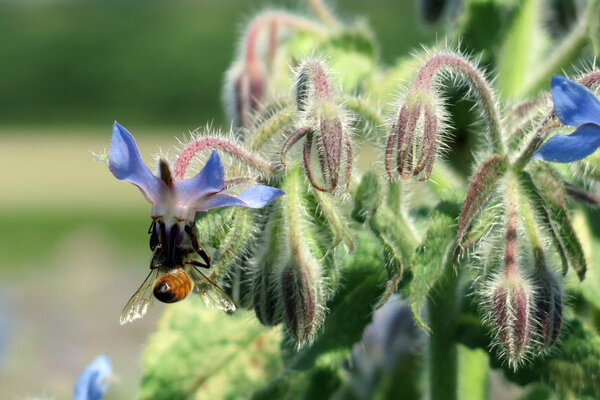 Could adorable tiny tech backpacks save the honeybees?Scientists are using microsensors in an effort to figure out what鈥檚 causing mass deaths in bee colonies worldwide.
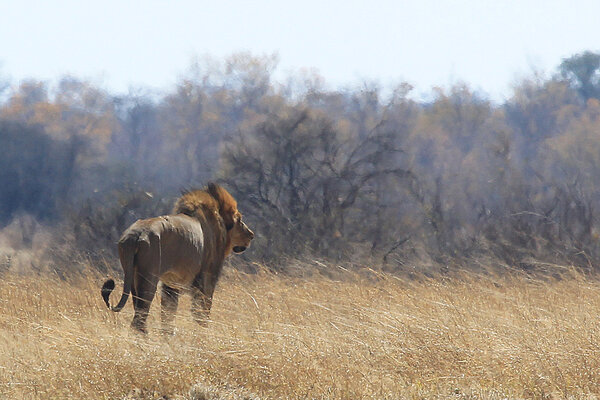 Lion kills guide at Zimbabwe park where Cecil livedA lion attacked and killed a park guide at Hwange National Park, the same park Cecil the Lion was poached earlier this month.
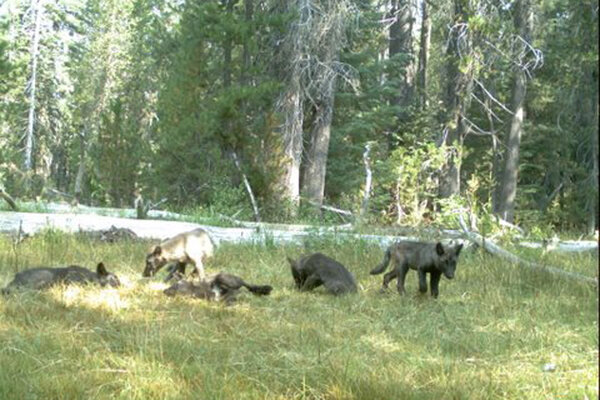 Officials: Gray wolves have returned to Northern CaliforniaThe gray wolf pack of two adults and five pups was spotted聽in southeastern Siskiyou County.聽It is named the Shasta pack for nearby Mount Shasta.
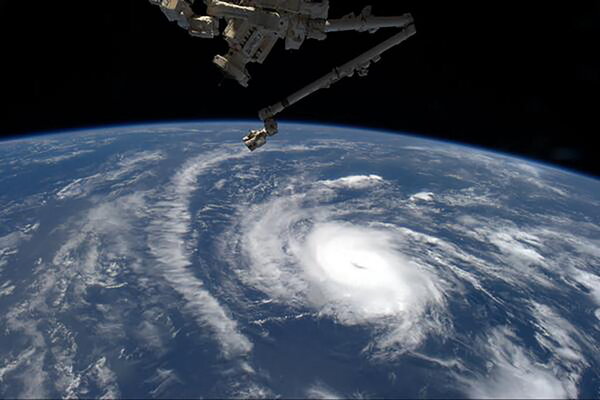 How eight microsatellites could improve hurricane forecastsThe suitcase-sized satellites began moving off assembly tables earlier this month and are designed to estimate wind speeds in the core of a hurricane.
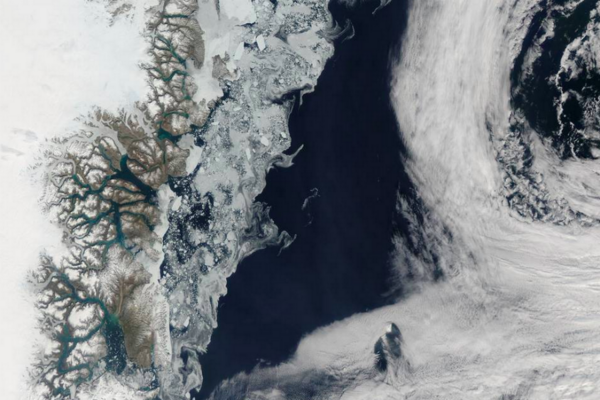 The Big Melt: Why 2015 could be another low-ice year in the ArcticAn image captured aboard NASA's Aqua satellite shows large chunks of melting sea ice.
 First LookJapan saves the day? Cargo ship ferries supplies to space stationA Japanese cargo vessel arrived safely at the International Space Station Monday, bringing with it much-needed supplies and equipment.
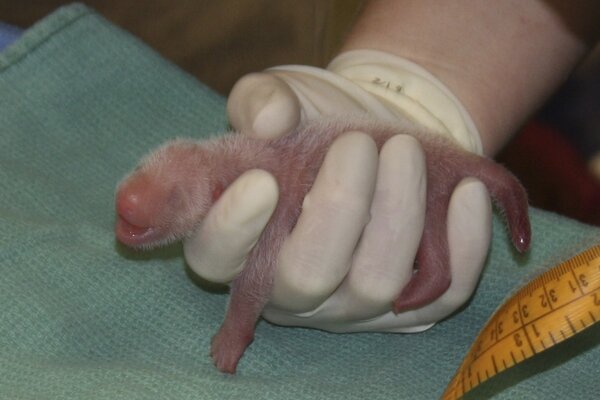 First LookZookeepers work round the clock to help Mei Mei manage panda cubsPandas usually don鈥檛 nurse twins.聽So staff at the National Zoo are helping Mei Mei to care for her newborn cubs.
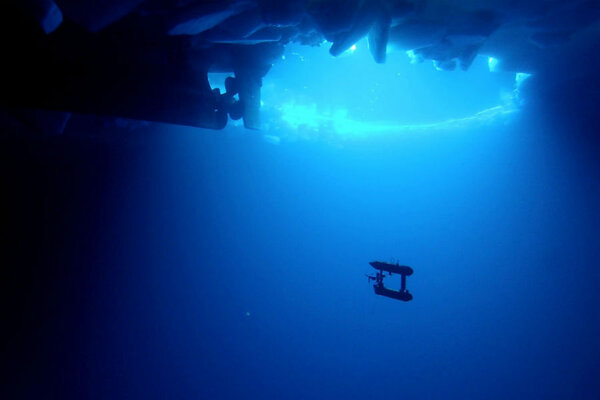 Why are thousands of robots roaming oceans?Reliable climate models are increasingly important, and data collected by robots provides a unique opportunity for scientists to go where humans cannot.
 The surprising byproduct of conflict in the Middle East? Cleaner airA recent study has shown that recent political upheavals in the Middle East have contributed to cleaner air in the region as economies suffer.
 First LookCreative minds: New study challenges myth about people with autismNew research shows that people with autistic traits generate more original, creative ideas, according to scientists at the University of East Anglia and the University of Stirling.
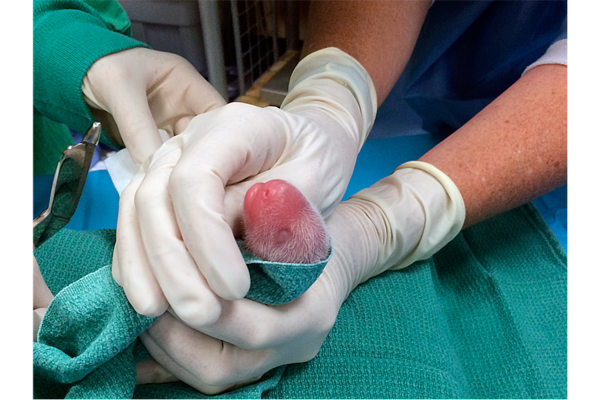 National Zoo staff keeping close eye on newborn panda twinsMei Xiang, a panda at the聽Smithsonian's National Zoo in Washington, gave birth to twins聽on Saturday, and staff scientists are closely monitoring the bears in their fragile early days.
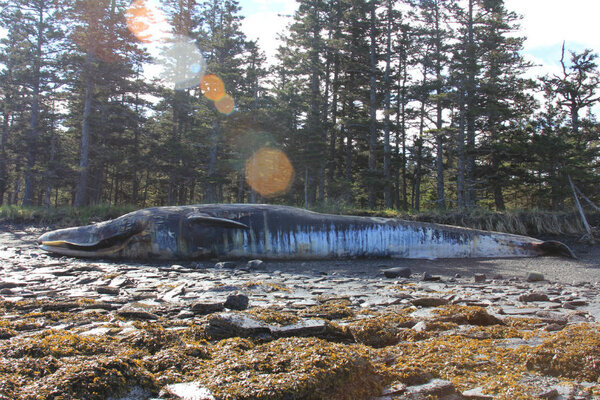 Aquatic mystery: Why did 30 whales die in the Gulf of Alaska?A threefold increase in whale strandings in the western Gulf of Alaska has prompted a government investigation.
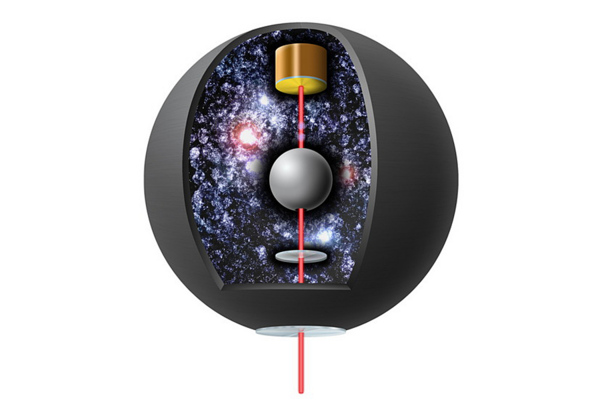 Is dark energy caused by 'chameleon' particles?Dark energy, the mysterious force thought to be driving the acceleration of the universe's expansion, could be caused by particles whose mass varies based on its surroundings.
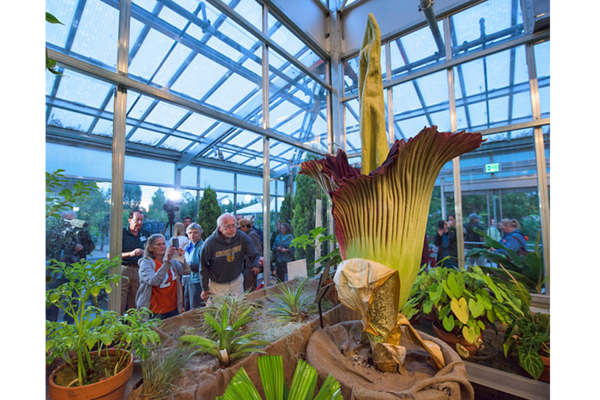 Foul-smelling 'corpse flower' blossoms in DenverThe rare, odiferous plant bloomed at聽Denver's Botanic Gardens, as 聽crowds gathered in hopes of catching a whiff of its rotting stench.
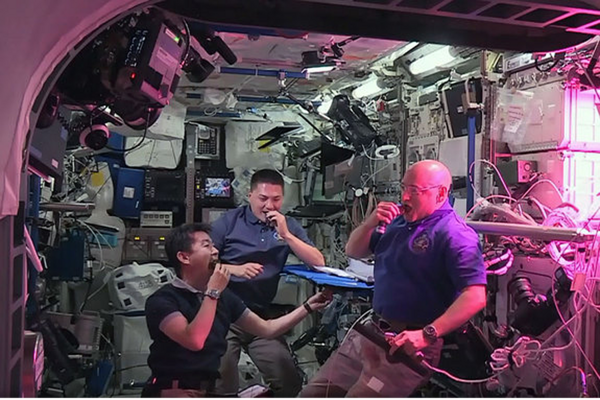 Astronauts sample space lettuce for first timeEarlier this month, astronauts aboard the聽International Space Station harvested a crop of romaine lettuce and sampled it.聽
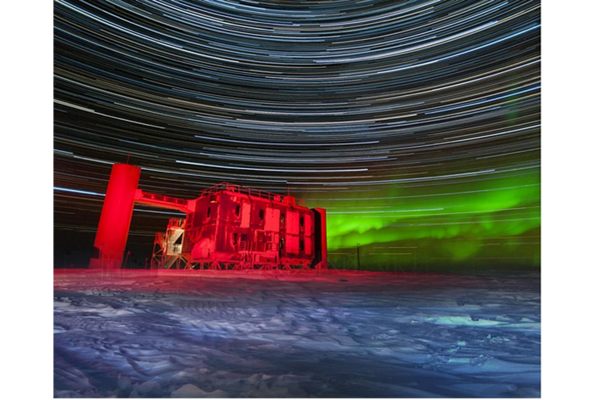 Deep beneath Antarctica's ice, signs of bizarre cosmic particlesAn observatory on the southern continent has detected high-energy neutrinos, some of which come from beyond our galaxy.
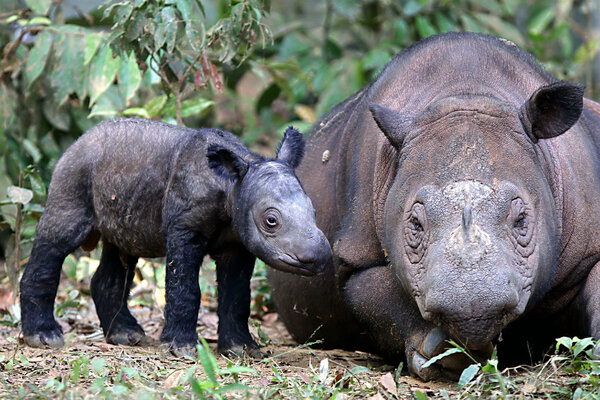 Science NotebookSumatran rhino extinct in Malaysia: How can the species survive?Loss of habitat and poaching for rhino horns have wiped out the Sumatran rhinoceros聽from its聽primary聽habitat 鈥� the wilds of聽Malaysia 鈥� but about 100 still live in Indonesia, say聽researchers.
- Weakening Hurricane Danny may skip drought-stricken Puerto RicoHurricane Danny will likely hit the US Virgin Islands soon, but it may miss Puerto Rico, where water-rationing has residents praying for rain.
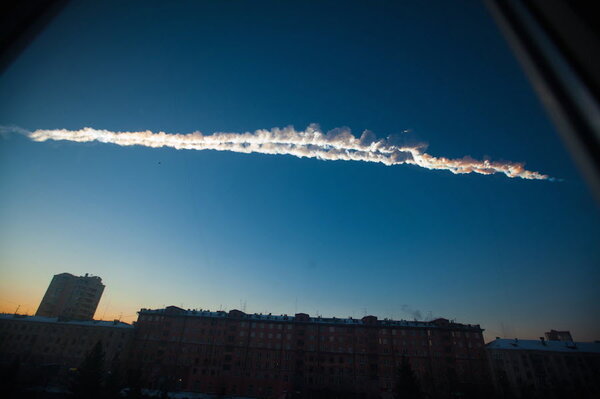 First LookNASA reminds the world, it's not always wise to believe the InternetNASA scientist issued a rare public service announcement on Wednesday, assuring Earthlings that they will, in fact, still have a planet next month.
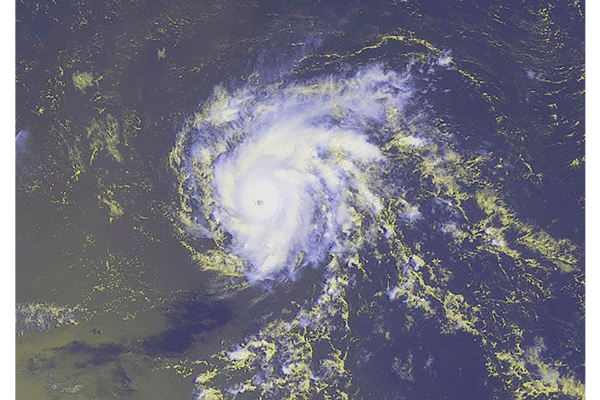 Danny strengthens into Category 2 hurricane, no threat to land yetHurricane Danny's聽maximum sustained winds Friday morning had increased to near 105 mph, as it moves across the Atlantic.