All Science
- Do you know Planet Earth? Take the quiz.
You live here, work here, play here, eat here, and sleep here. But how well do you know your native planet?
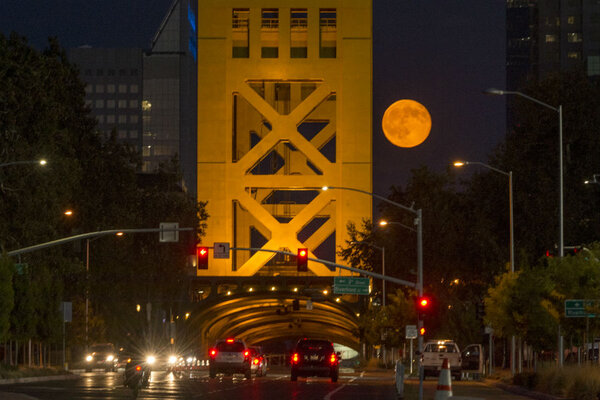 Neon on the moon: Does it glow?NASA publicized findings from a seven month-long mission to study the moon's exosphere on Monday.聽
 How sunlight on dirty buildings is creating dirty airAs sunlight hits the grime covering urban structures, smog-inducing chemicals are released, a new study has found.
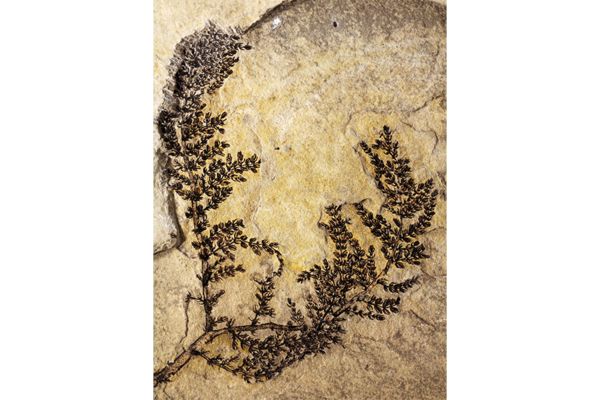 First LookCould this aquatic flower be the mother of all blooms?Analysis of plant fossils found in Spain appear to predate those of the previous contender for the world's oldest flower.
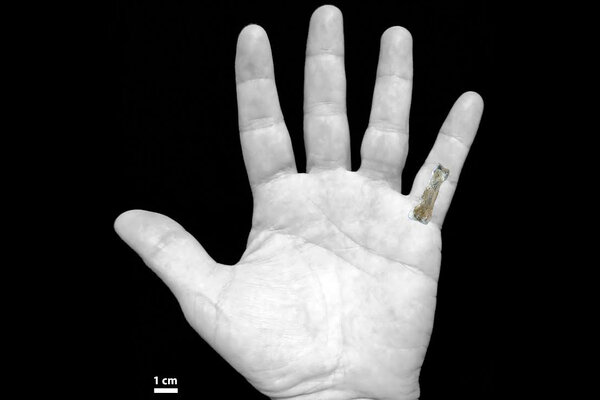 What a fossil pinky reveals about human evolutionA fragment unearthed in Tanzania鈥檚 Olduvai Gorge could be the oldest 'anatomically modern' human hand bone, researchers say.
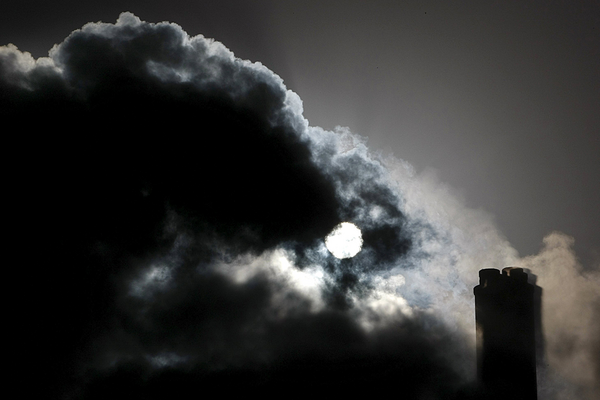 Muslim leaders call on rich countries to curb fossil fuel useA group of Islamic experts gathered in聽Istanbul to draft a declaration to fight climate change.
 First LookDoes virtual violence provoke real rage? Yes and no.An APA study claims to prove a definitive link between violent video games and aggressive behavior, but its limited implications mean the debate is far from settled.
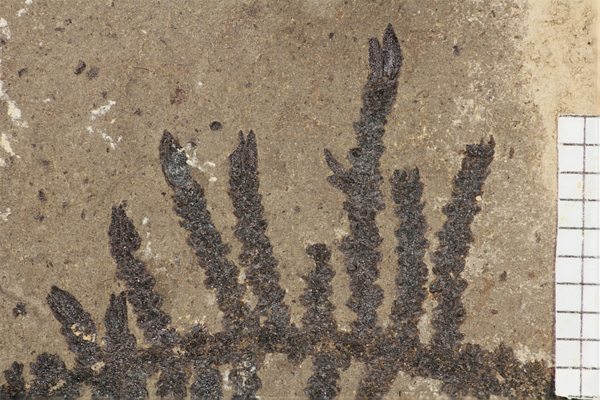 Was this the world's first flower?An aquatic plant that bloomed underwater as long as 130 million years ago may have been among Earth's first flowering plants, say scientists.
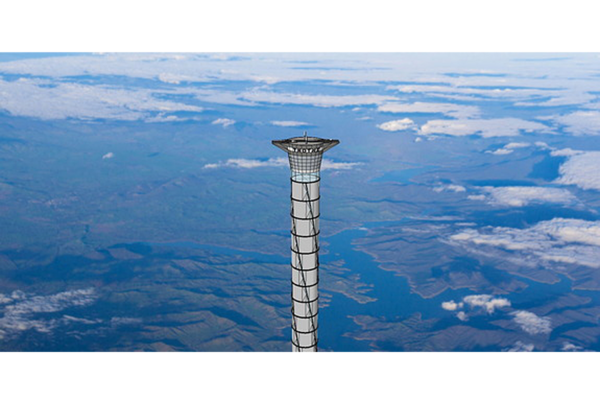 Why a space elevator is now slightly less implausibleCanadian space company has been聽awarded a patent for an inflatable 12-mile elevator with a runway for space planes.
 Retro moon: Cassini spacecraft studies moon that orbits Saturn backwardThe tiny moon of聽Hyrrokkin is one of the Norse group of Saturn's 60 or so moons, which orbits the gas giant in a retrograde direction.
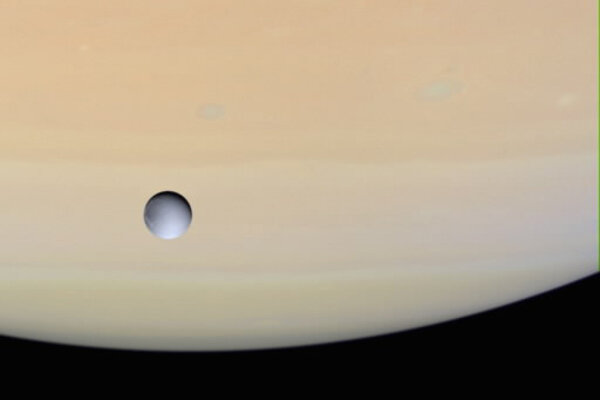 First LookCassini sidles up to Saturn's Dione moonImages from Cassini's聽final up-close flyby of Saturn's moon Dione should start arriving in a few days. In the meantime, here's a glimpse of other lunar views the robotic space craft has beamed back to Earth.
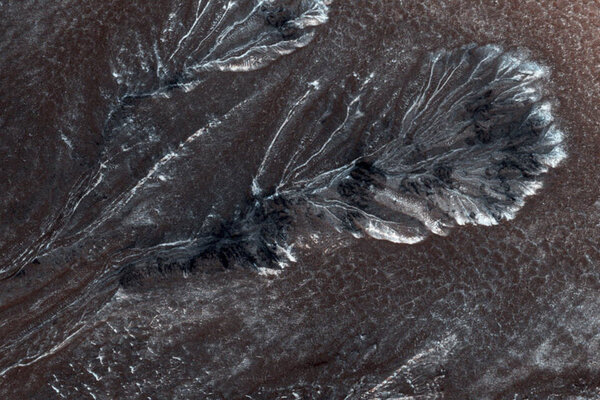 First LookNASA's Mars orbiter turns 10: What's next for Mars exploration?The space agency's Mars Reconnaissance Orbiter first launched from Cape Canaveral, Fla., on August 10, 2005. The orbiter has sent back a plethora of data, but NASA has even more ambitious goals for future exploration of the Red Planet.
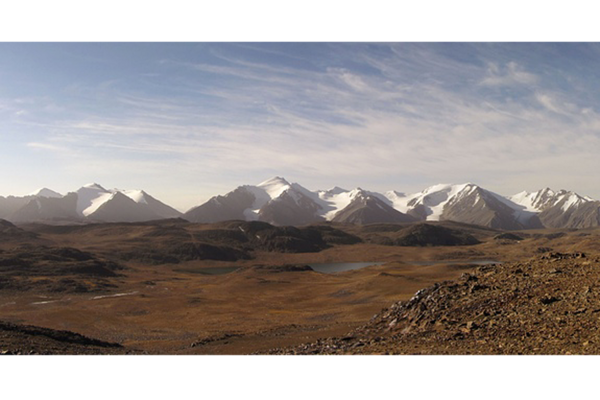
- How Asia's melting Tian Shan glaciers could fuel conflictBy 2050, half of the remaining ice in聽Asia's Tian Shan mountains could be gone, depriving large parts of Central Asia of much-needed water.
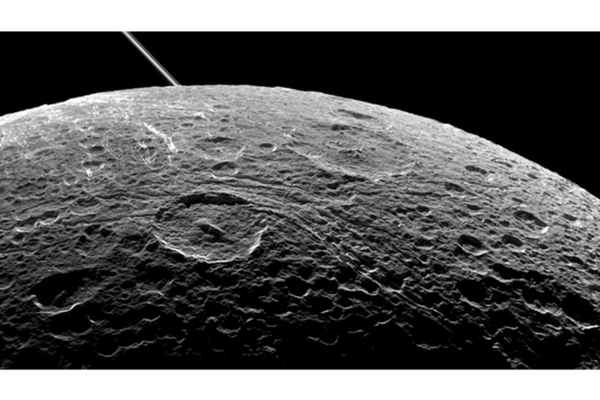 Spacecraft to make final close pass of mysterious Saturn moonThe Cassini spacecraft, a collaboration among聽NASA, the European Space Agency and the Italian Space Agency,聽will make one last close flyby Dione, in search of signs that Saturn's moon is geologically active.
 'Drinkable book' could give millions access to clean waterWith pages that can filter out bacteria, the drinkable book may solve a major public health problem for the 750 million people worldwide without access to clean drinking water.
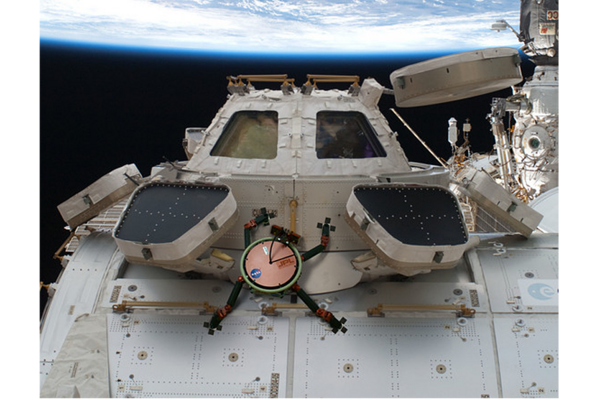 This gecko-inspired robot could some day crawl along the space stationDeveloped by NASA's Jet Propulsion Laboratory,聽the聽Lemur 3 robot聽takes advantage of the same attractive forces that geckoes use to climb walls.
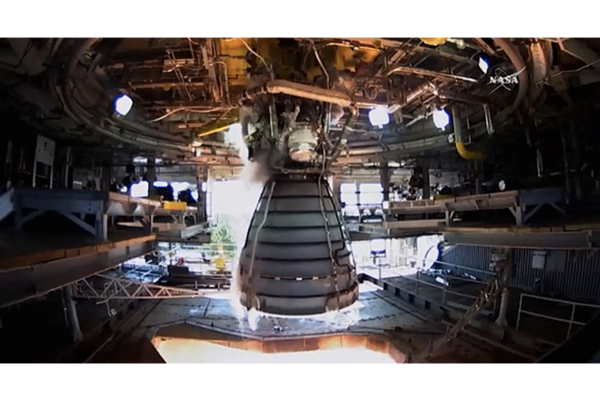
- NASA test-fires engine for next-generation rocketThe nearly nine-minute test fire of an聽RS-25 engine at Stennis Space Center in Mississippi also tested a new controller for the engine.
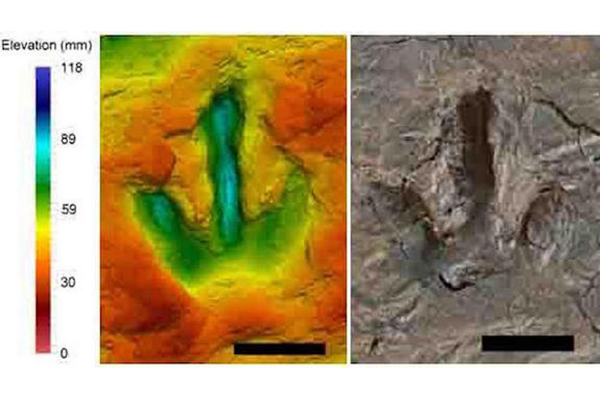 First LookStrolling dinosaur duo: How social were carnivorous beasts?Footprints left on a beach 142 million years ago adds more evidence to the hypothesis that some dinosaur species sometimes socialized with each other, according to new fossil analysis.
 Do bears get freaked out by airborne drones?Unmanned aerial vehicles can cause dramatic spikes in bears' heart rates, new research has found.
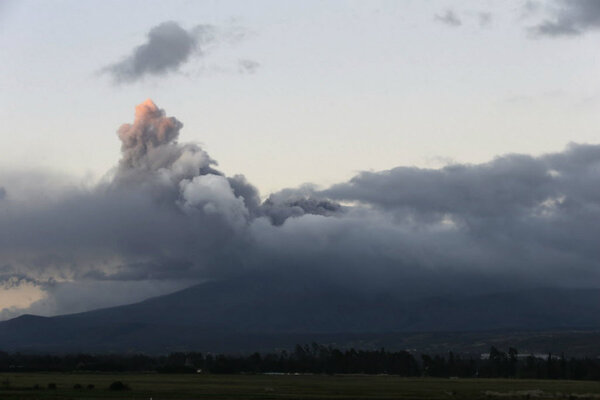 Cotopaxi eruption: What's with all the volcanoes these days?Volcanic activity in Cotopaxi, a volcano near the capital of Ecuador, is the latest incident in recent months, during which a number of volcanoes have come to life.