All Science
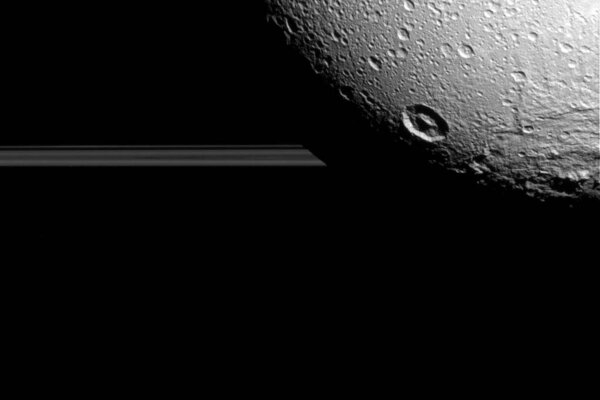 First LookMarvelous moon: See Cassini's detailed portraits of Saturn's DioneThe Cassini spacecraft passed above Dione鈥檚 surface Monday at a mere 295 miles, making it the fifth close encounter with the moon during its mission at Saturn.聽
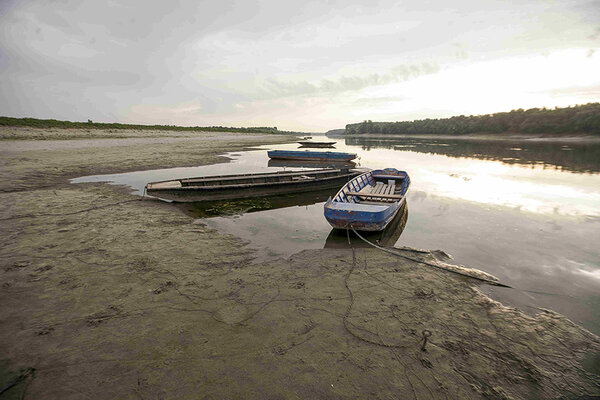 Burning up: July was globe's hottest month on recordLast month鈥檚 highest temperature of 61.86 degrees Fahrenheit surpassed the 1998 record by 0.14 degrees.
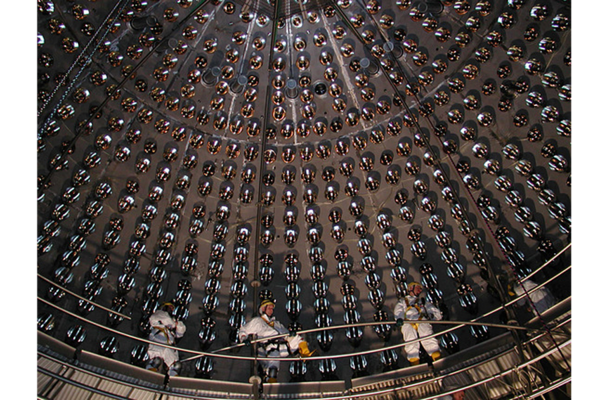
- Scientists examine ghostly particles emanating from deep within the EarthUsing a huge detector beneath an Italian mountain, scientist are studying neutrinos that are generated in our planet's hot interior.
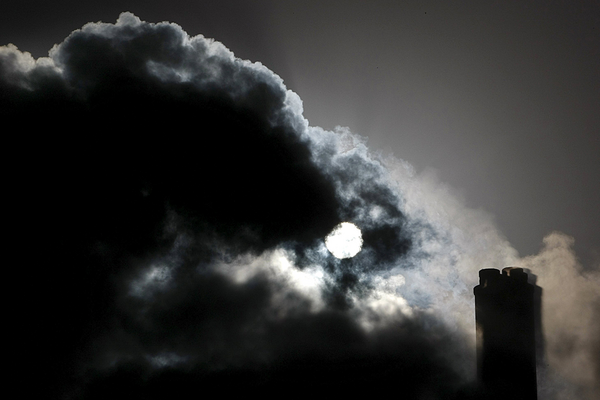 'Diamonds from the sky': Scientists spin wonder materials from thin airResearchers say聽that through a simple procedure, atmospheric CO2 could be pulled from the air and turned into valuable materials.
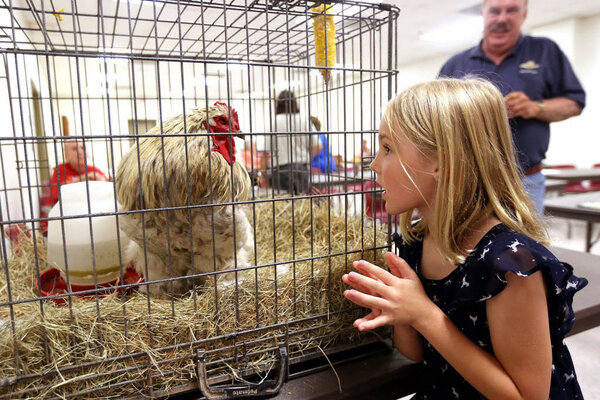 First LookOf course humans are smarter than chickens. But now scientists know why.Researchers at the University of Toronto have identified a process in the way that cells assemble proteins that may聽have sparked the evolution of mammalian brains to be among the most developed in the animal kingdom.
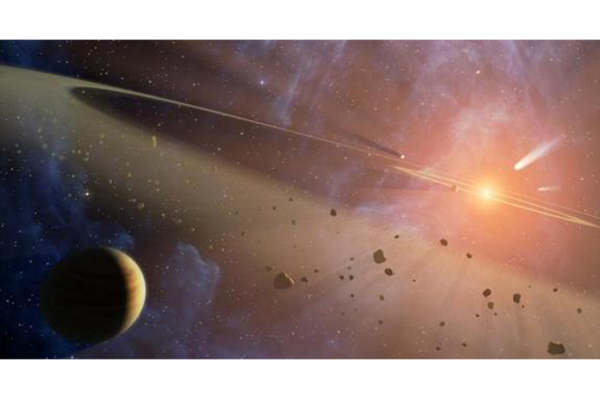
- First LookFrom pebble to planet: Researchers find humble beginnings of gas giants.Massive planets like Jupiter and Saturn may have started as tiny pebbles, according to planetary scientists at the聽Southwest Research Institute in Boulder, Colo.
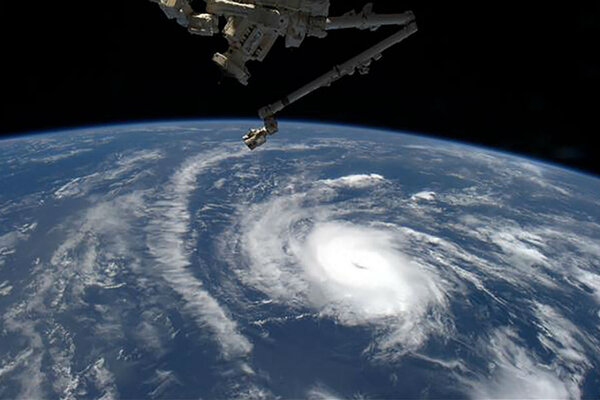 First LookIt's official, Danny upgraded to hurricane. Will it make landfall?Danny is only the fourth named storm of the 2015 storm season and the first official hurricane of the year.
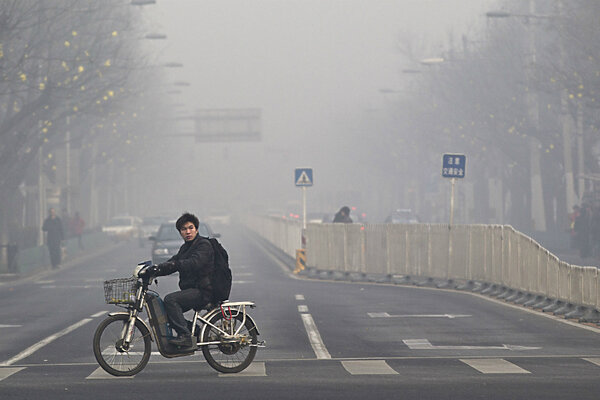 China's emissions overestimated: Is America back on top?China鈥檚 greenhouse gas emissions since 2000 have been much lower than previously estimated, says a new study. In 2007, China overtook the US as the world鈥檚 largest emitter of greenhouse gases.
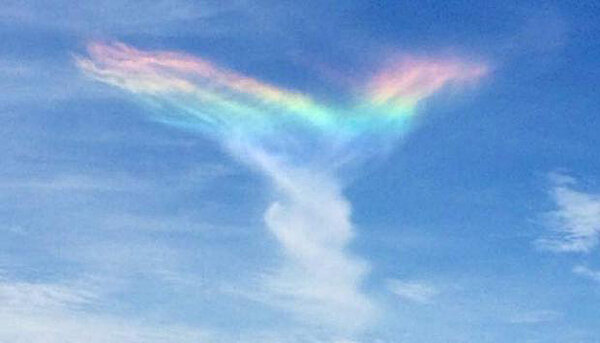 What is a 'fire rainbow?' Hint: it's not a rainbow, and it's not caused by fireThe appearance of a 'fire rainbow' in South Carolina over the weekend drew spectators in person and on Twitter, but the name of the phenomenon might be misleading.
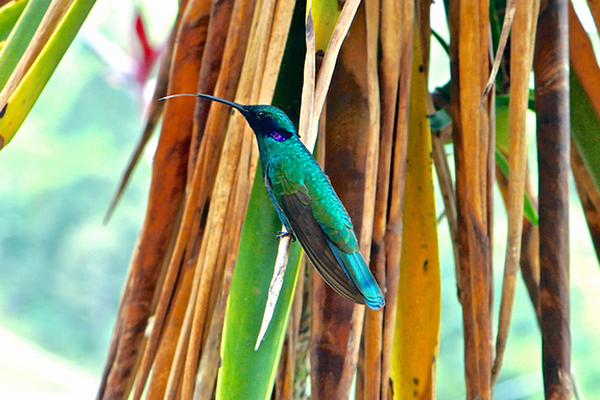
- Scientists unravel mystery of hummingbird tonguesScientists have long assumed that hummingbird tongues work via capillary action. But new research indicates that the tiny birds' tongues act like tiny pumps.
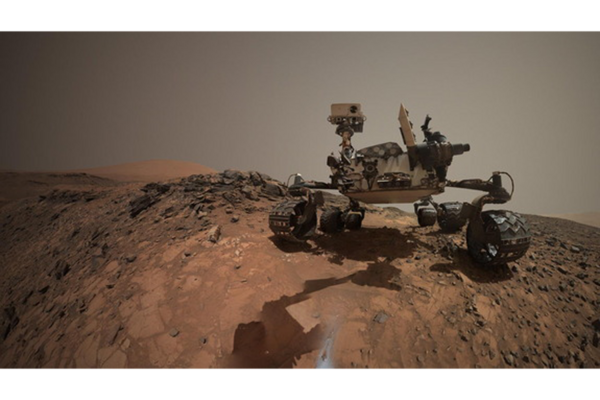
- Curiosity Mars rover snaps spectacular selfiesNASA's Curiosity rover聽snapped several low-angle shots of itself before resuming its journey up聽Mount Sharp.
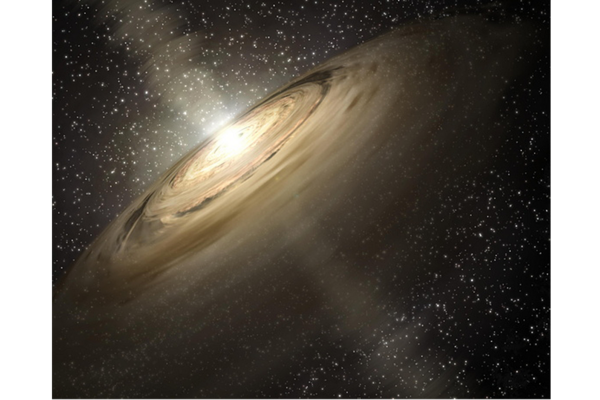 Need a giant planet? Start with some pebbles.Gas-giant planets might get their start as pebble-sized building-blocks in the rotating disks of matter circling young stars.
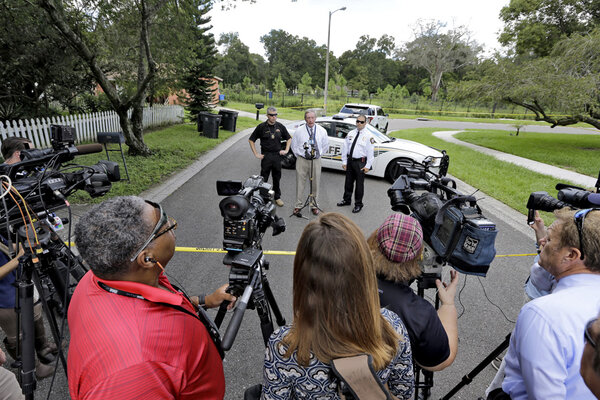 First LookMassive Florida sinkhole reopens. Why does Sunshine State have so many?Florida is no stranger to sinkholes. Some 6,500 Floridians file sinkhole-related insurance claims each year.
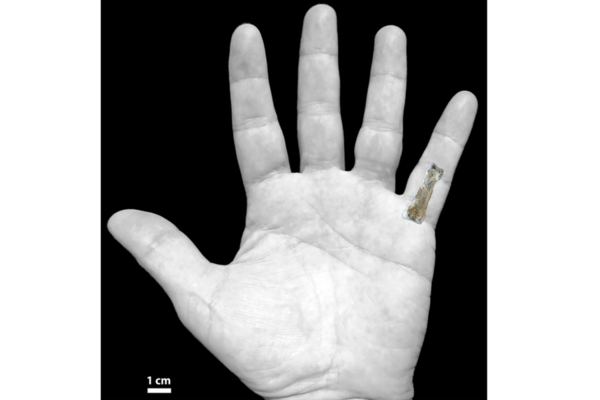
- Ancient human relative had surprisingly modern hands, say scientistsAn unknown human relative that lived 1.84 million years ago has left behind the聽oldest known fossil of a pinky bone resembling that of a modern human.
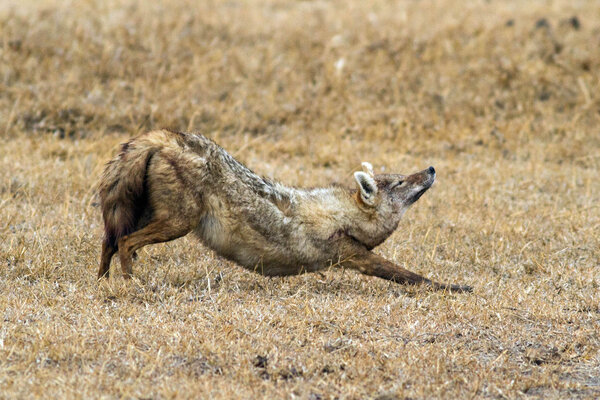 First LookHow climate change drove evolution of dogsScientists measured the elbow joints of carnivores dating back across 37 million years to determine how hunting styles have evolved.
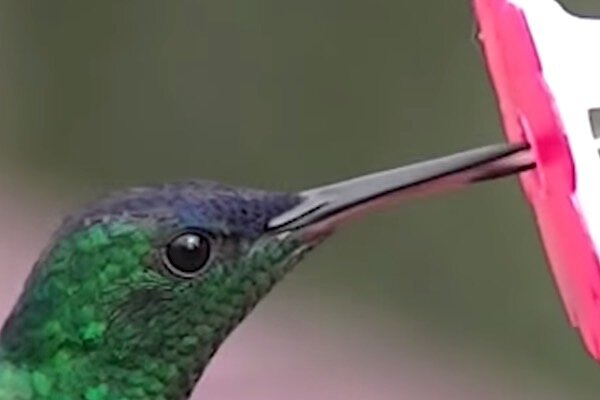 How hummingbirds drink nectar: Scientists have been wrong for 200 yearsRecent research shows that the birds take in plant fluid, real or artificial, at ultra-high speeds using a pumping method 鈥� not a wicking one, as previously believed.
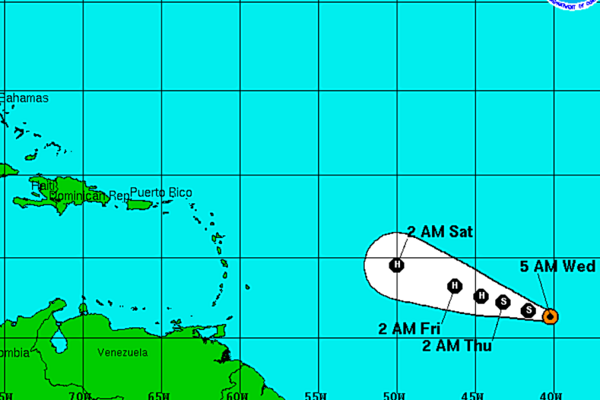 Tropical Storm Danny could be a hurricane by ThursdayTropical Storm Danny聽could become a hurricane on Thursday - the first hurricane of the聽2015 Atlantic hurricane season.
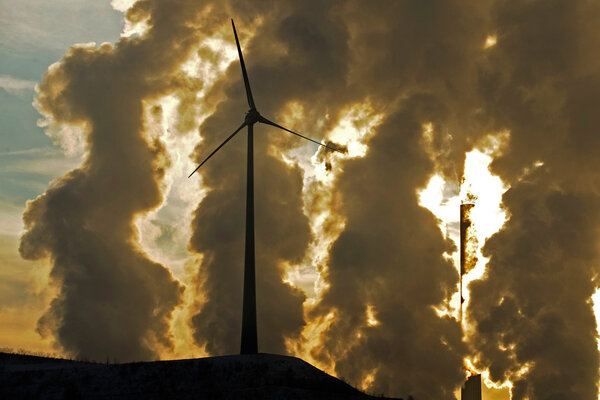 Islamic leaders echo pope's call for action on climate changeA group of Muslim experts called聽on developed nations to end fossil fuel use聽by 2050 and asked 'people of all nations and their leaders'聽to聽commit to 100 percent renewable energy.
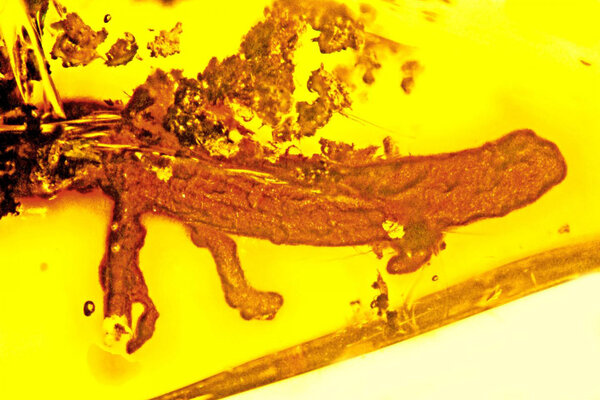 First LookSalamander trapped in amber could hold ancient Caribbean secretsThe first-ever discovery of a salamander in amber was intriguing for scientists since it suggests salamanders once lived in a region where they no longer exist.
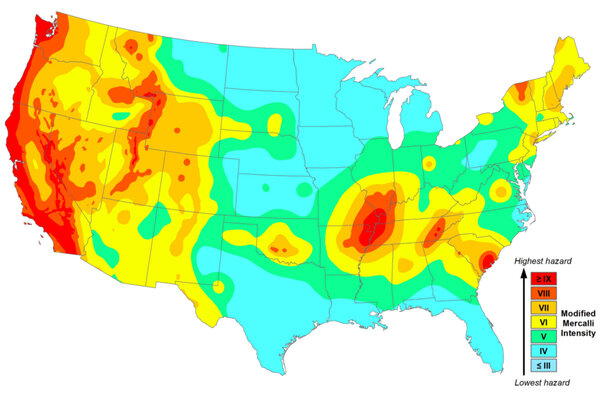 Do you live in an area prone to quakes? You might be surprised.Almost half of all Americans live in earthquake-prone areas, says the USGS, because of population growth and an increase in 'induced earthquakes' far from fault zones.