All Science
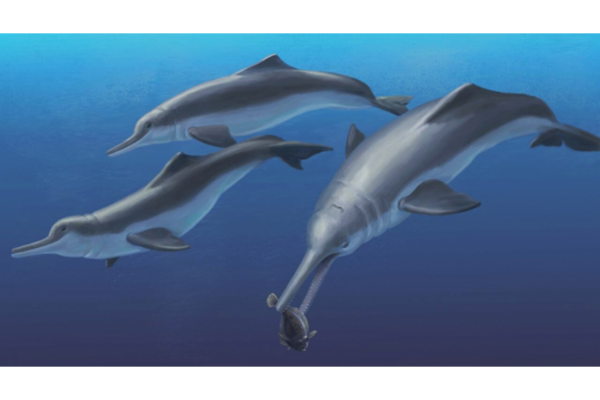 First LookWhy did river dolphins leave oceans? Ancient fossils hold clues.Researchers at the Smithsonian Institute have discovered fossils of an ocean-dwelling dolphin believed to be an ancestor of modern river dolphins.
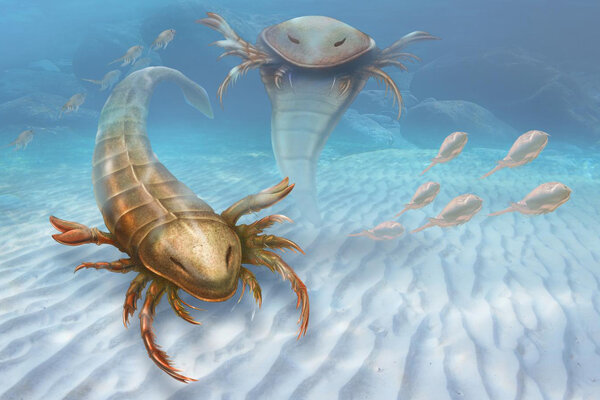 First LookA man-sized sea scorpion once roamed ancient ocean ... of Iowa?Sea scorpion:聽Pentecopterus decorahensis聽likely grew to be 5 feet 7 inches long and is believed to be the first large predator.
 How science is making ice cream melt-resistantA naturally occurring protein can create a 'bacterial raincoat' for ice cream, say Scottish researchers, making it melt-resistant and lower in fat.
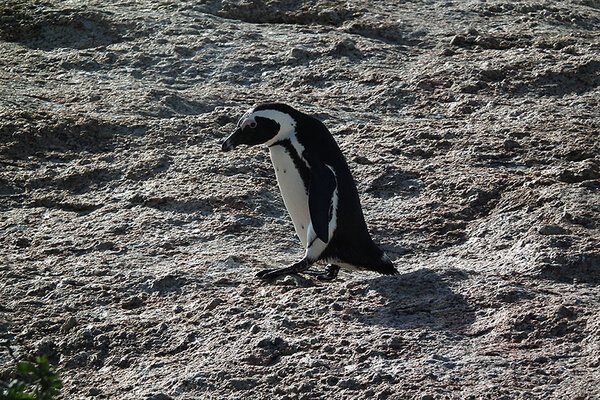
- Are your anchovies killing Africa's penguins?Overfishing is likely one of the causes of the sharp decline in penguins near Cape Town, South Africa.
- Cyclones in the Persian Gulf?! New climate study says it could happen.Research suggests that the shallow, warm waters of the Persian Gulf may soon see tropical cyclones, a side effect of climate change.
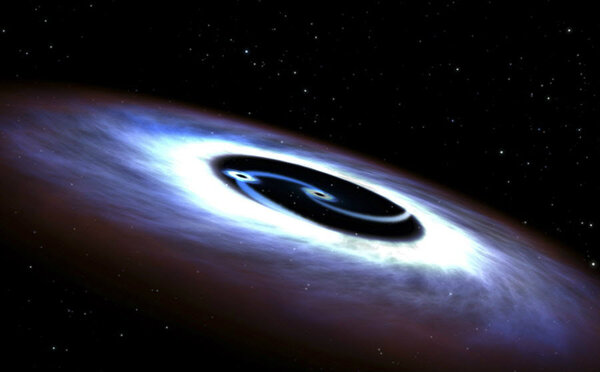 First LookDynamic duo: Twin black holes fuel quasar closest to EarthScientists using the Hubble Space Telescope have found that the nearest galaxy to Earth that hosts a quasar is powered by twin black holes orbiting each other.
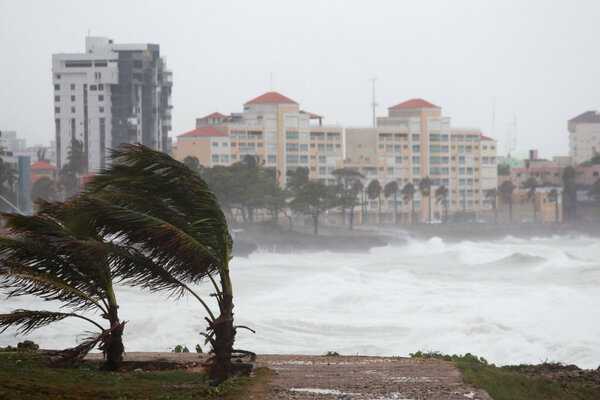 First LookWhy researchers are concerned about 'grey swan' hurricanesScientists are working to quantify the risk of exceptionally devastating hurricanes. While such events are extremely rare, researchers encourage city planners and officials to prepare for storm surges far beyond what they have previously seen.
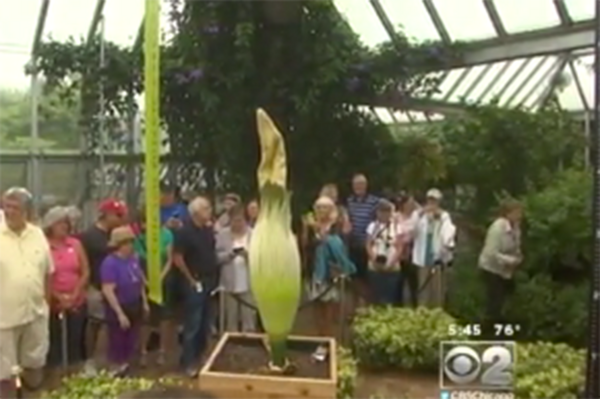
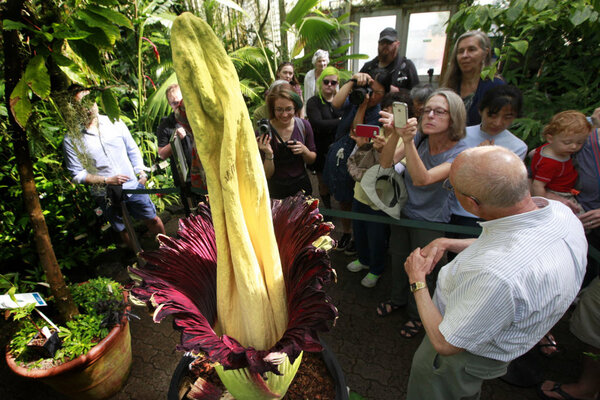 First Look鈥媁hat's so appealing about the rancid smelling corpse flower?鈥�Despite the titum arum's rancid fragrance reminiscent of rotting flesh, people gather by the thousands to catch a glimpse of the bizarre flower in bloom.
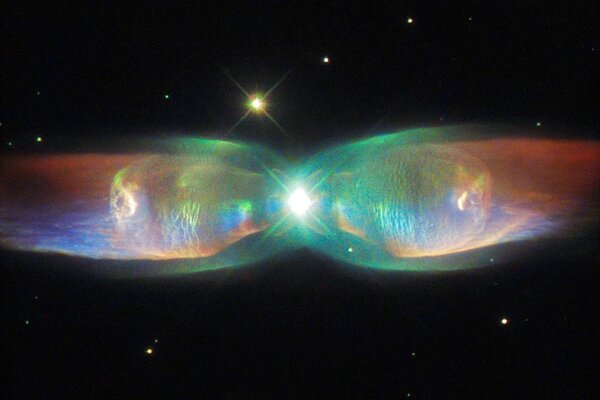 First LookCosmic butterflies, celestial gems, and other majestic wonders caught by HubbleAn iridescent 'butterfly nebula' making headlines is just one galactic spectacle the Hubble Space Telescope has brought closer to Earth.
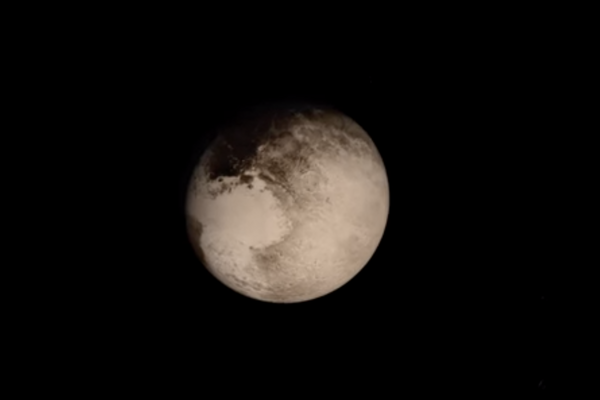 First LookWATCH New Horizon's historic flyby: Hitch a virtual ride past PlutoNASA scientist Stuart Robbins used real photos of New Horizon's cruise past Pluto to create a stunning animation of the historic journey.
- Scientists help Chicago's stinky 'corpse flower' blossomSpike, a nearly 6-foot-tall titan arum plant at the聽Chicago聽Botanic聽Garden, needed help from scientists to release its foul odor.
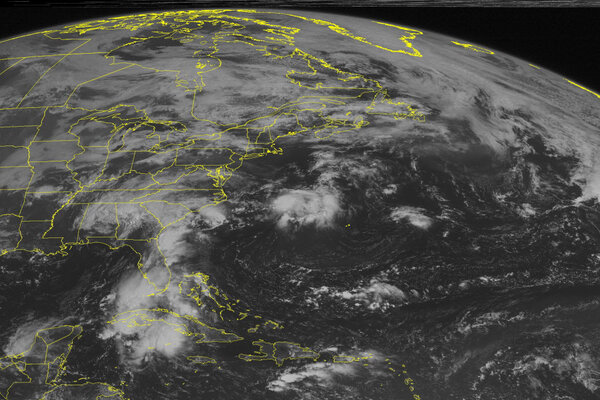 First LookTen years after Katrina, Erika tests storm prediction innovationsAs former tropical storm Erika makes its last push in South Florida, experts and officials look at improvements in disaster prediction and response over the last decade.
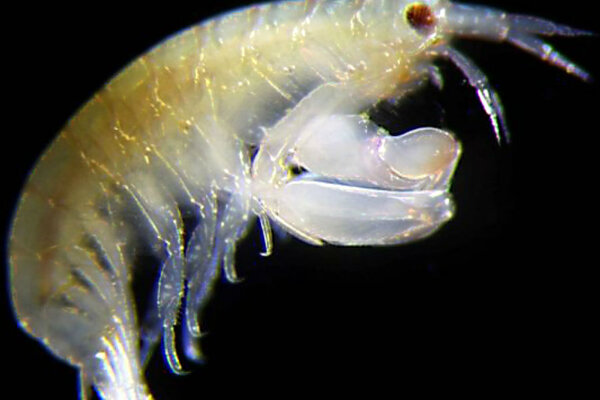 Why a newly discovered crustacean is named after Elton JohnA new crustacean uncovered in the reefs of Indonesia has been named in the music legend's honor. Welcome to the circle of life, l. eltonis
 Can psychology fix its reproducibility problem?A attempt to repeat 100 experiments published聽in top psychology journals has exposed a big problem for the science's credibility.
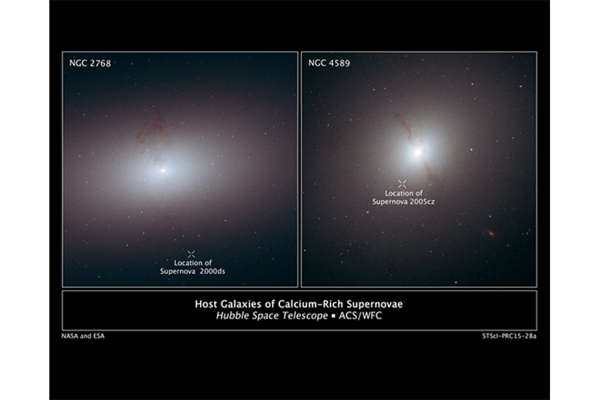
- Could black holes explain mysterious space explosions?Isolated supernovae, that is massive star explosions that take place far away from any galaxy, could be the result of merging black holes, new research suggests.
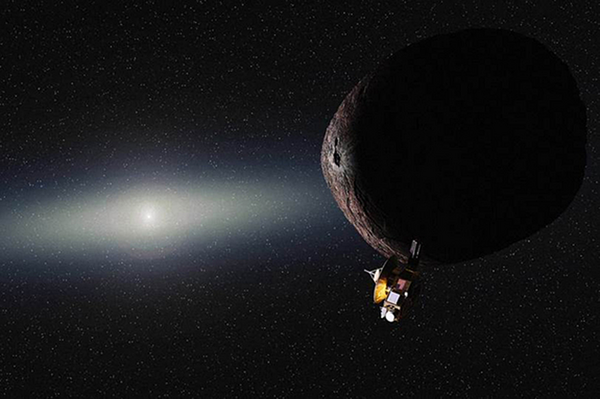
- Beyond Pluto: What's next for New Horizons space probe?Orbiting about 1 billion miles beyond Pluto,聽an object named聽2014 MU69聽 will be the next flyby target for NASA's聽New Horizons spacecraft, agency officials announced Monday.
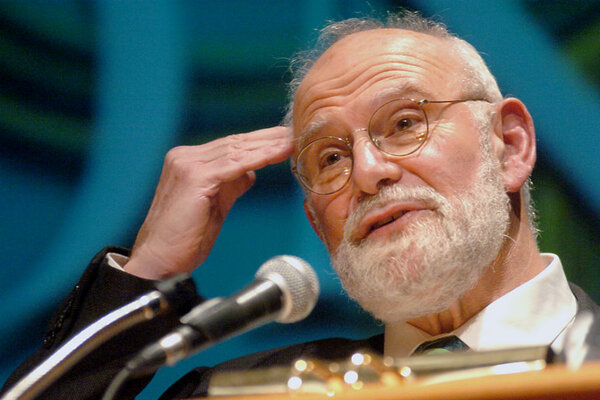
- Oliver Sacks is remembered as scientist and poetThe beloved scientist and best-selling author introduced the world to 'both the extraordinary ways in which the brain and mind can change and the courage of the individuals who adapt to those changes.'
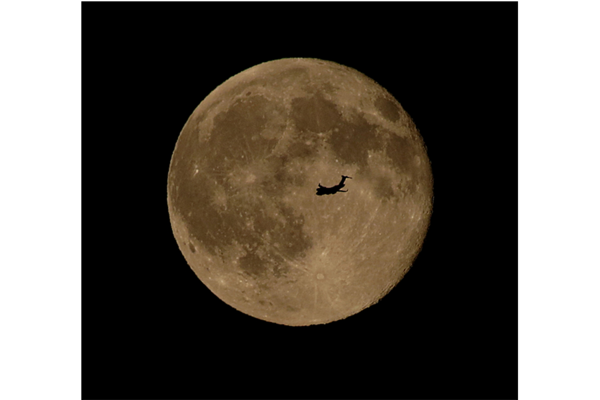 Supermoon, schmupermoon! Here's what's really going on up there.'Supermoon' is not a term used among astronomers. What's the real story?
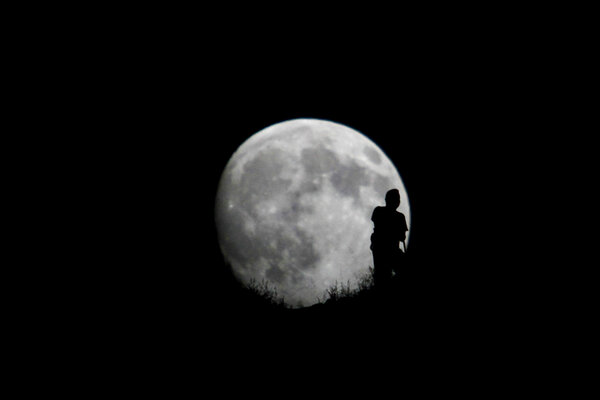 Science NotebookSupermoon: When and where to see itThis weekend the moon will reach its full phase while also nearing its closest point to Earth in聽its orbit, creating views of a 'supermoon.'
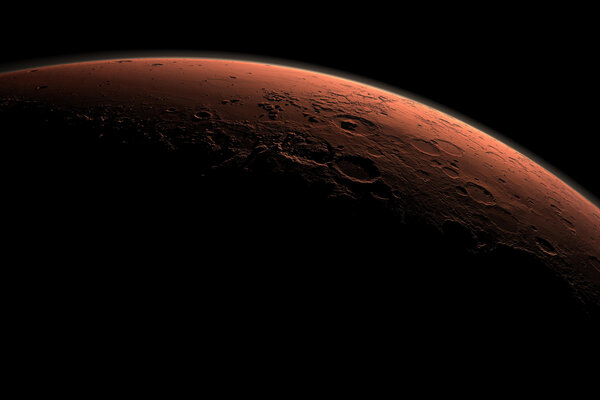 Science NotebookA year in a bubble: NASA begins most ambitious Mars-analog mission yetA team of six NASA scientists begin a 365-day isolation experiment simulating life on Mars. How soon will a crewed mission be a reality?