All Science
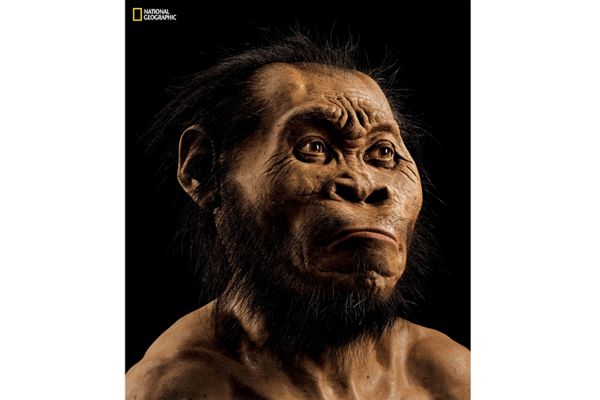 Could newly discovered humans shatter history?Homo naledi, the human species recently discovered in South Africa, possess traits that could change the way we see human evolution.
 Does oxygen necessarily mean aliens?Astrobiologists find that the presence of oxygen in a planet's atmosphere may not necessarily mean that life exists there.
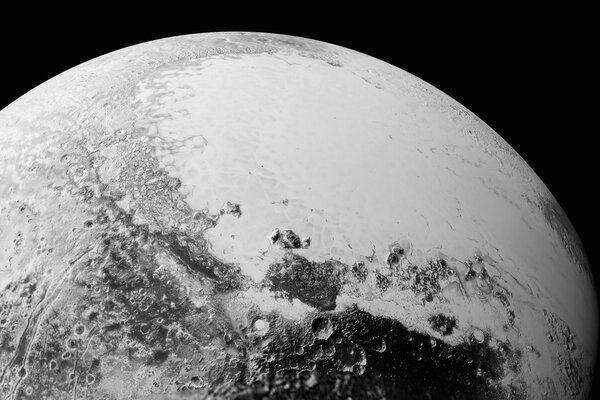 First LookNew Pluto images arrive: Are those dunes?New Horizons, the spacecraft that keeps on giving, sent back more shots of Pluto, and they're the sharpest yet.
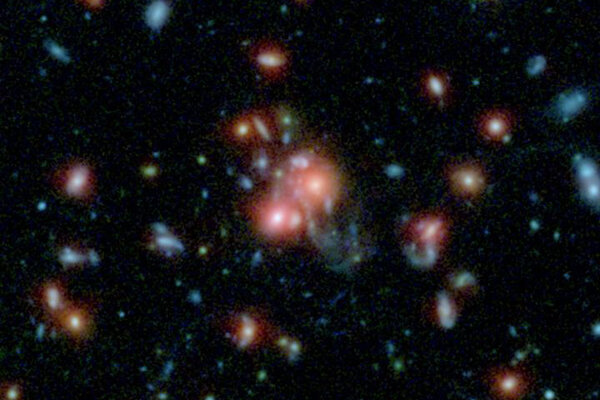 First LookGalaxy amazes astronomers by producing 800 stars per yearThe Milky Way produces just one or two stars a year, but this galaxy appears to be mass producing stars at a rate never observed before.
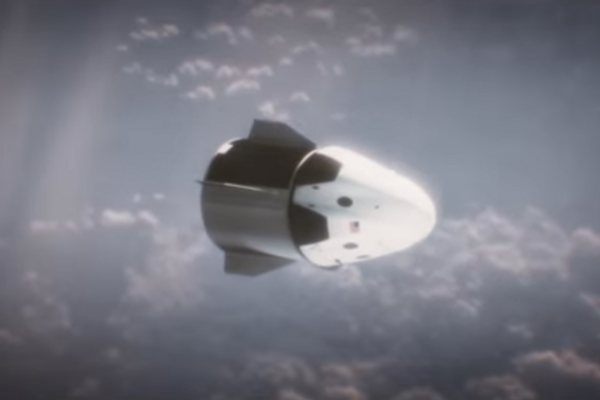 First LookAll aboard! Tour SpaceX's Crew Dragon space capsuleSpaceX hopes to one day transport astronauts to the space station and beyond in the Crew Dragon spacecraft. For now, aspiring astronauts will have to settle for a virtual tour of the capsule.
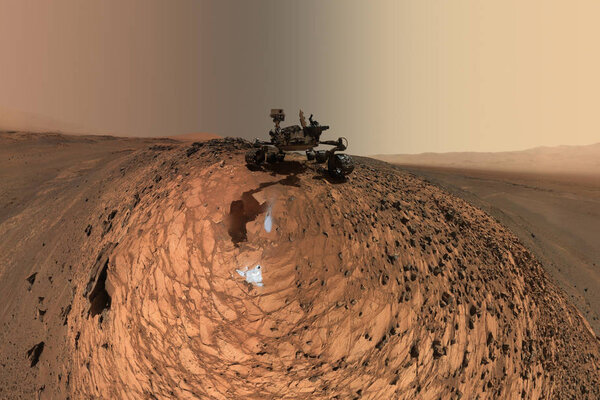 First LookElon Musk says we should nuke Mars: Is terraforming the Red Planet wise?The billionaire's off-the-cuff remarks on 'The Late Show with Stephen Colbert' has reignited scientific debate about altering the climate on Mars to be more supportive of human life.
 Study says Southern Ocean uptake of atmospheric CO2 recoversAccording to new data, the Southern Ocean regained its ability to soak in atmospheric carbon dioxide over the past decade, alleviating some of the anxiety about its earlier weakening trend.聽
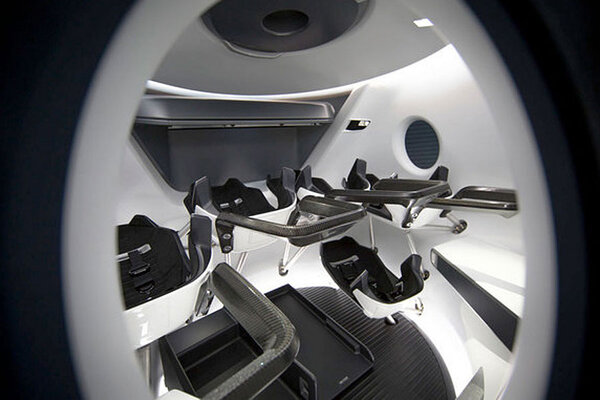 What would it be like to ride into space? Step inside, says SpaceXSpaceX reveals the interior to Crew Dragon, its commercial crewed spacecraft.
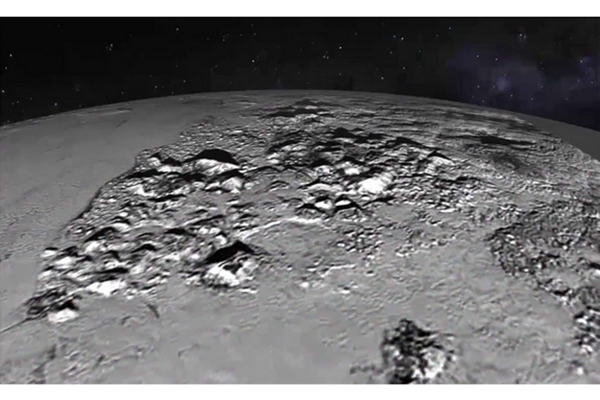 Spectacular Pluto images arriving from New Horizons flybyThe best images and data from the New Horizons flyby of Pluto are beginning to pour into NASA research facilities.聽
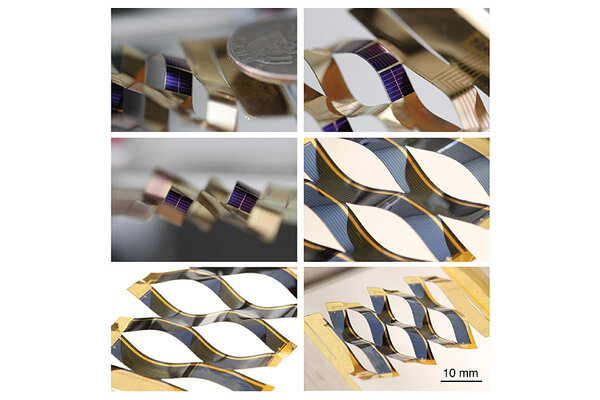 How origami can make solar panels more efficientBorrowing from the cut-paper art of kirigami, researchers at the University of Michigan have redesigned solar panels to continuously track the sun as it moves across the sky.聽
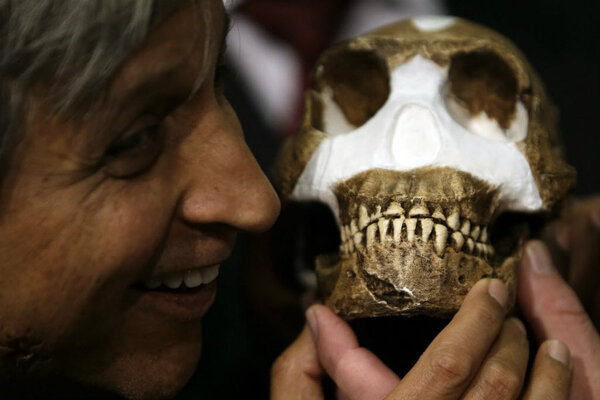 Ancient burial chamber raises deep questions about early human relativesScientists have found evidence that human relatives perhaps 2 million years old used a burial chamber for the dead 鈥� a practice thought to be only 350,000 years old. It's one remarkable aspect of a remarkable find.
 Should we drop nuclear bombs on Mars? Why Elon Musk says yes.Space X's CEO shared a novel idea with Stephen Colbert on CBS last night. Is he serious?聽
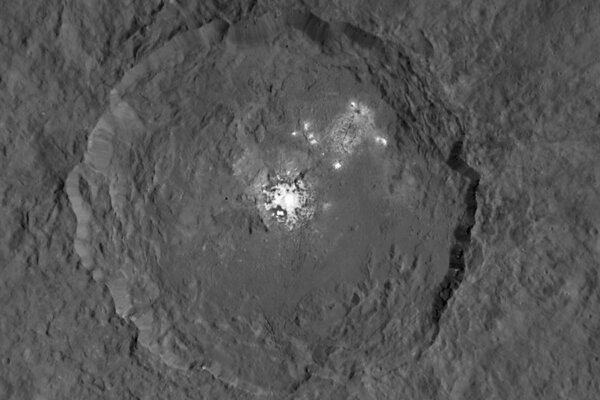 First LookDawn brings mysterious bright spots on Ceres into focusNASA's Dawn spacecraft captured another series of photos in its third orbit of the dwarf planet.
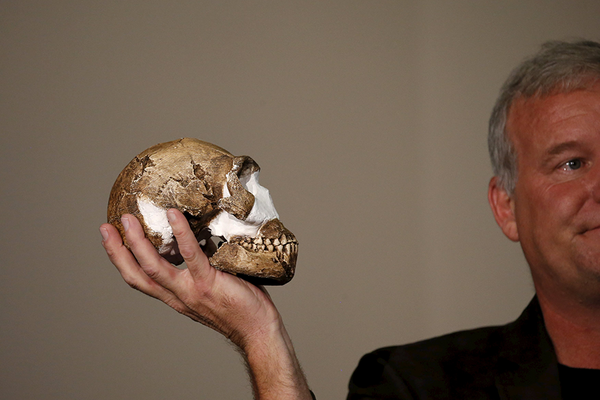 New human ancestor discovered in South African graveyardHumankind鈥檚 family tree has a newly discovered branch, say scientists, complete with 15 new specimens.
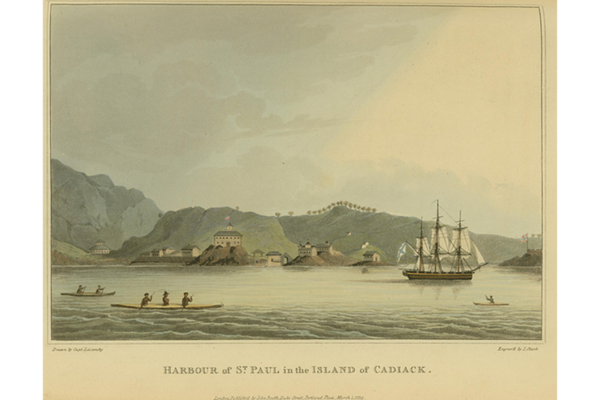 1813 Alaska shipwreck: How they survivedIn 1813 shipwrecked sailors survived for nearly a month during an Alaska winter with nearly no supplies. Now archaeologists say they know how they did it.
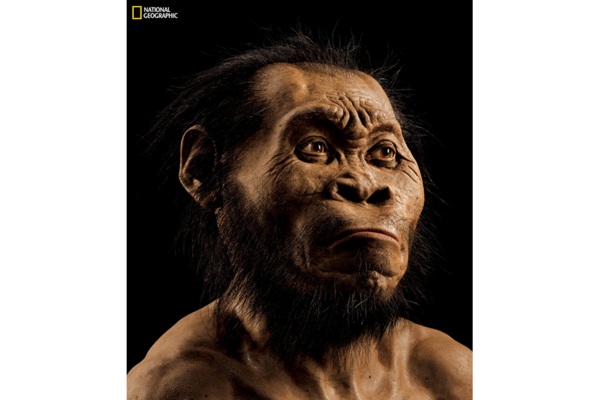 First LookHow Facebook helped unearth a new branch on humans' ancestral family treeA newly discovered species of ancient human presents more mysteries than it solves,聽scientists say.聽
 Could China be the first to land on the far side of the moon?China's space program plans a mission to land a probe on the side of the moon that never faces Earth. Radio signals from Earth cannot reach the moon's far side.
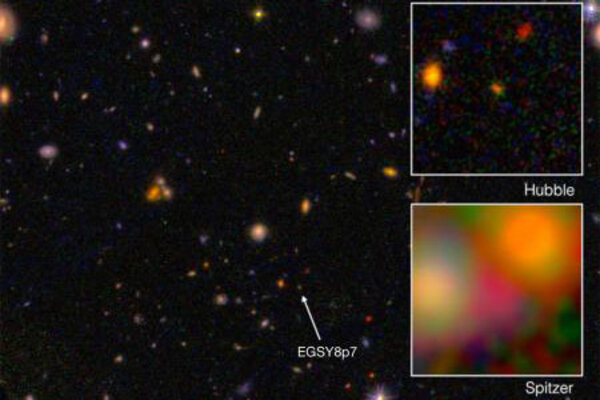 First LookAt 13.2 billion years, this galaxy is almost as old as the universe itselfAstronomers at the California Institute of Technology have found a galaxy more than 13.2 billion years old. Their next question is: Why is it so darn bright?聽
 First LookWhere did monogamy come from? Could we owe it all to ... grandmas?A new study suggests that grandmothers may have played a key role in the development of human 'pair bonds.'
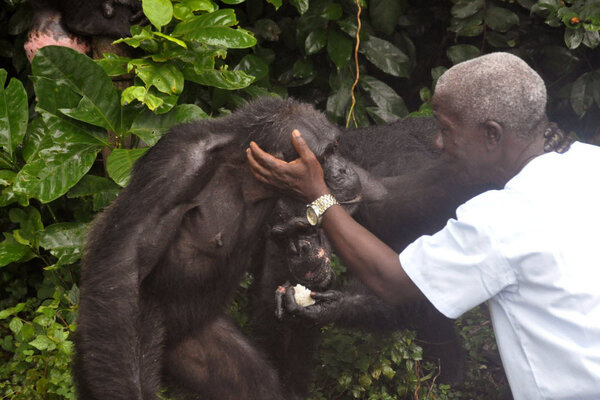 First LookHow the human race stands on some big and ancient shouldersThe evolution of the shoulder helps explain how humans were able to become great throwers, 'turning our species into聽the聽most dominant predators on earth.'