All Science
 Complexity: Worlds hidden in plain sightPart of a continuing series about complexity science by the Santa Fe Institute and 海角大神,聽generously supported by Arizona State University.
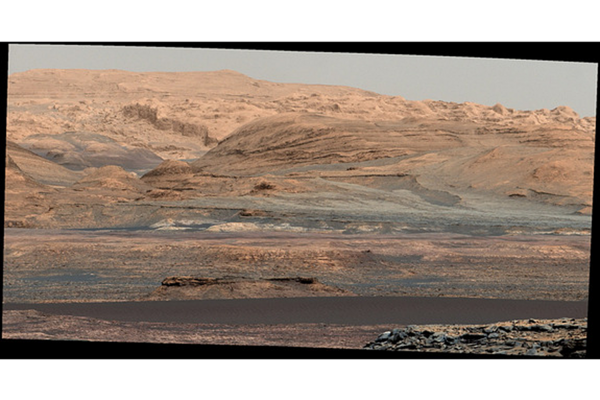 What might Martian sand dunes reveal about the Red Planet?NASA has steered the Curiosity rover towards dark Martian sand dunes, looking for clues into geologic processes on the planet.
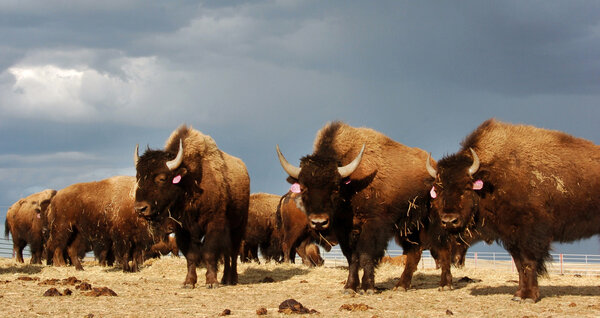 Yellowstone National Park proposes killing 1,000 bison. Why?Yellowstone聽National Park proposes to kill roughly 1,000 wild bison this winter. It is part of Montana's agreement to reduce the animals' migration and the risk of the bison sickening livestock.
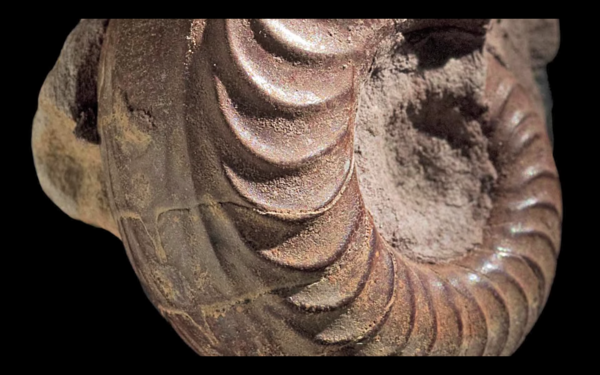 What were ammonites' lives like? Isotope study reveals clues.Using isotopic analysis, researchers have revealed new ecological data about ancient mollusks.
 First LookWhy NASA is sending humanoids to collegeNASA is particularly interested in humanoid robots because they can either assist, or act as a precursor to, astronauts working in space 鈥� but first they're off to MIT and Northeastern.
 Humans may have saved pumpkins, squash, and gourds from extinctionWhen a large extinction hit the Americas, human domestication of ancient squashes may have saved the popular fruits from disappearing.
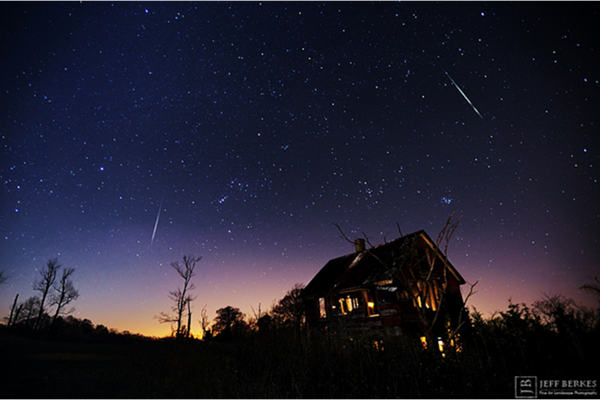 Leonid meteor shower peaks overnightThe Leonids will reach their maximum in the early hours of Wednesday morning.
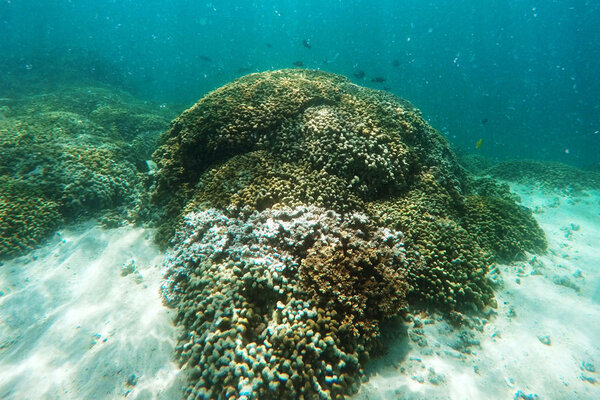 What's killing Hawaii's coral reefs? Aquariums, say some expertsThe 50th state has announced the aquarium fishery trade can continue without further regulation, despite pleas from organizations and agencies to curb aquarium collecting for the reefs' sake.聽
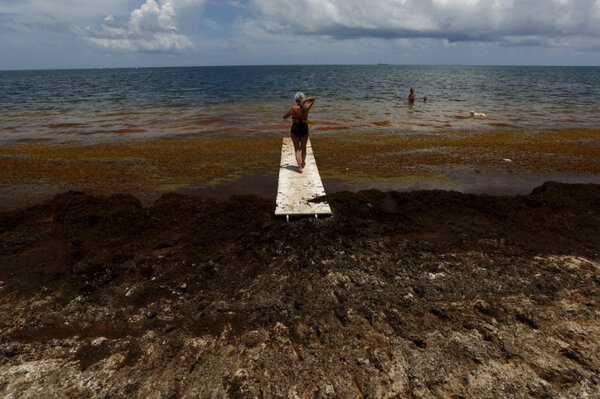 Caribbean nations struggling with foul-smelling seaweedSargassum, which omits a rotten egg smell, has been wreaking havoc on tourism-dependent economies in the Caribbean. But discussions have begun on how to聽repurpose the seaweed.
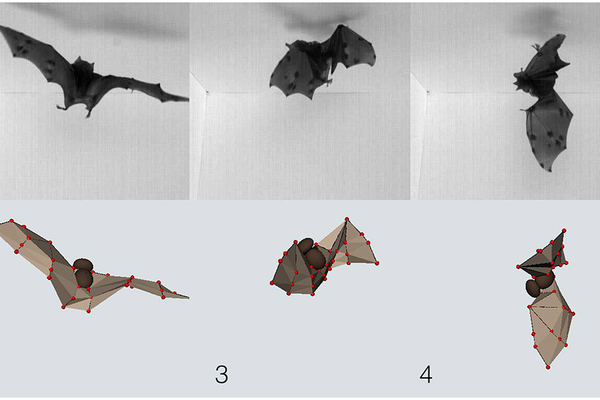 How do bats land upside down? Check out their heavy wingsContrary to conventional wisdom, their heavy wings actually help.
 How much groundwater is there?Scientists have calculated the total volume of water in the Earth's crust for the first time.
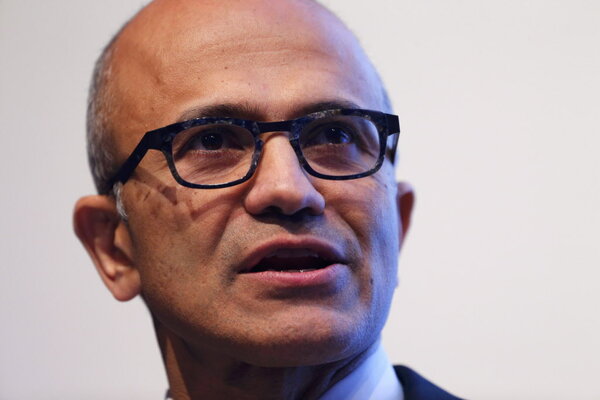 Microsoft CEO on cybersecurity: We're all in this togetherIn a State of Security address, Satya Nadella acknowledged that we face more digital threats than ever before, but he also proposed solutions for how to fix them.
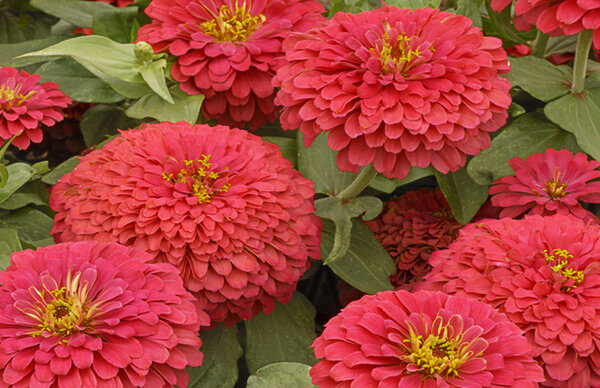 First flowers to bloom in space on the International Space StationAn experiment with Zinnias will hopefully lead astronauts to grow fruits and vegetables in space.
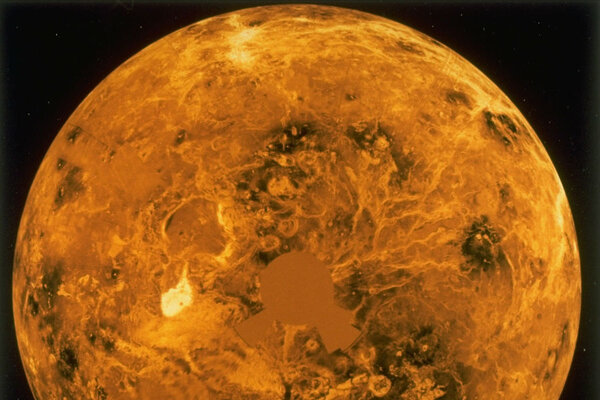 Russia, US could collaborate on mission to VenusAfter a pause following Russia's annexation of Crimea, NASA and Russia's space agency have resumed talks about the proposed Venera-D mission, which would orbit and land on Earth's closest neighbor.
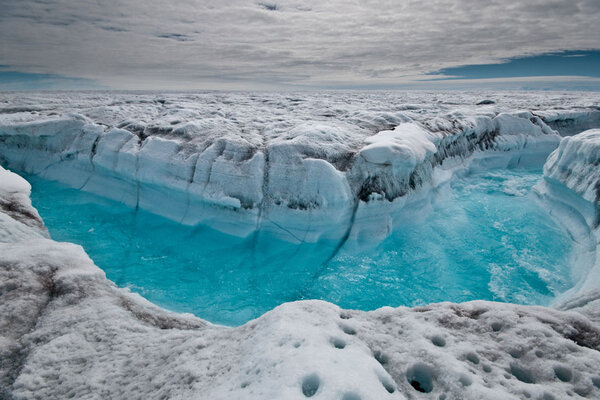 Why a massive Greenland glacier is melting from belowTo better understand future sea level rise, NASA and university researchers are working together to produce models of underwater glacier valleys in Greenland.
 First LookScientists tally Earth's hidden mega-stashes of groundwaterA new study updates the research on the amount of groundwater beneath the Earth's surface: 6 quintillion gallons.
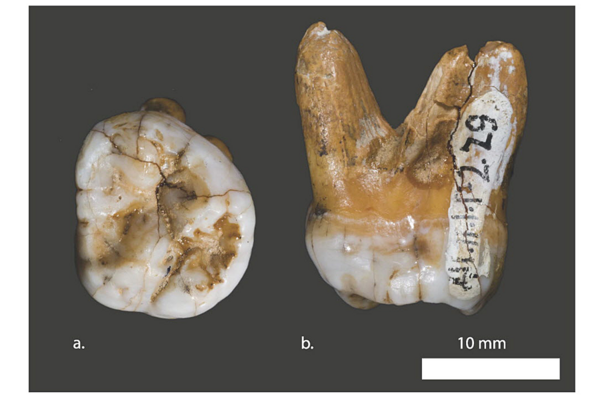 Two ancient teeth reveal clues about humanity's mysterious cousinsBy sequencing DNA extracted from teeth of Denisovans, researchers have revealed new clues about the extinct humans.
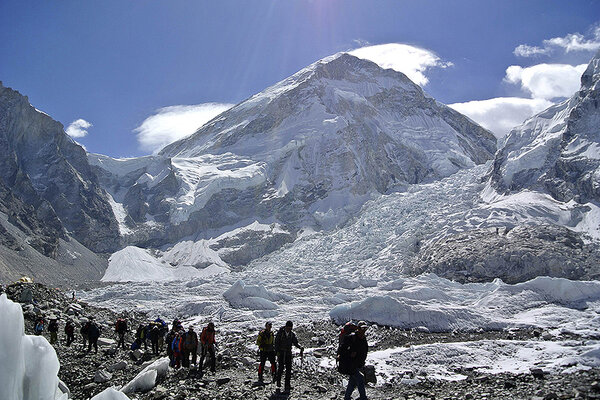 In a warming world, more rain can mean less waterCountries 'may need to prepare for a world where the snow reservoir no longer exists,' researchers say, highlighting the challenges of both too much water and not enough.聽
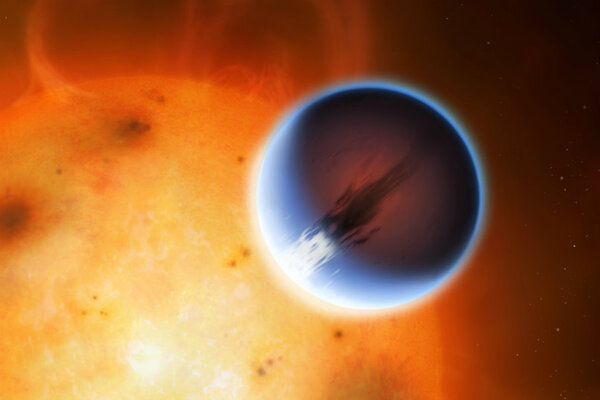 First LookSpace meteorologists: Cloudy, with a chance of 8,600 kph winds?For the first time, scientists have measured wind speeds on a planet outside the Earth鈥檚 solar system.
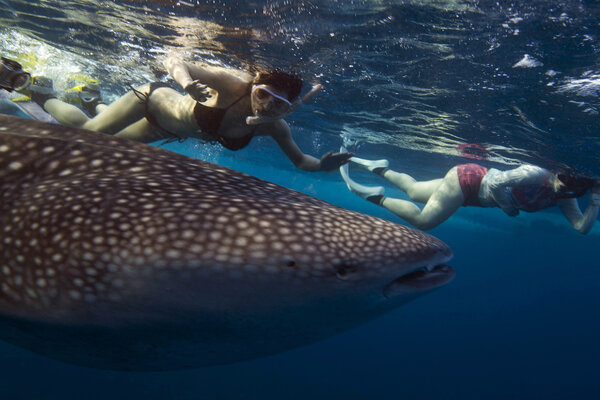 El Ni帽o brings rare fish to US West CoastSpecies normally found only in warmer waters descend on California. But is this the first time?