All Science
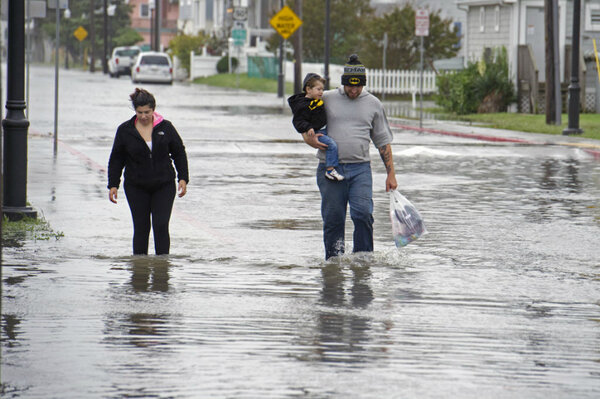 Why hurricane season is getting longerEl Ni帽o has helped set records in the Atlantic and Pacific oceans this year but to varying degrees.
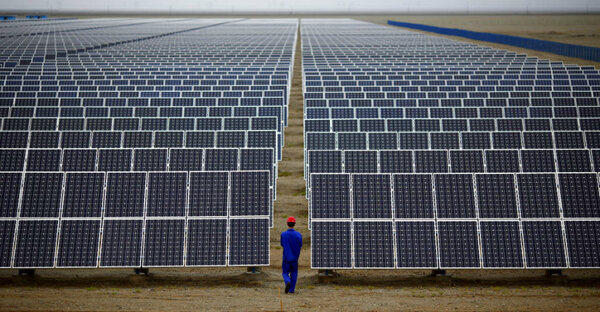 Researchers discover how to mimic plants for solar productionNew process uses less material to capture more sunlight, which could eventually make solar power cheaper.
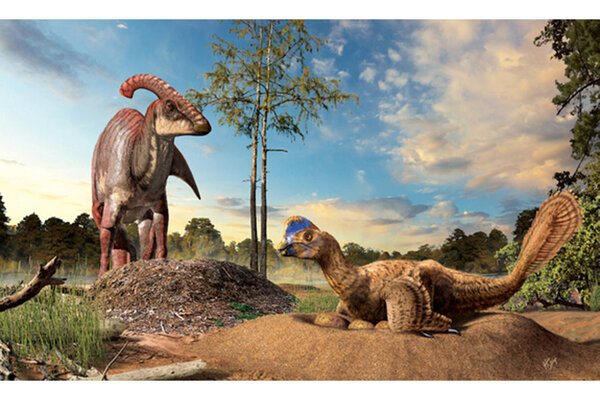 How did dinosaurs build their nests?Most dinosaurs buried their eggs, like modern-day crocodiles, but others built nests like birds, say scientists.
 Science NotebookCommentary: 'Trust but verify' should be a motto of Paris climate talksThe success of the聽COP21 talks will hinge on the creation of a transparency-and-review mechanism to ensure that countries are meeting their voluntary emissions-reduction targets.
 Who else is buried in King Tut's tomb? Perhaps a queen, says one Egyptologist.'I鈥檓 feeling more certain today than I expected to be,' the lead researcher told reporters on Saturday.
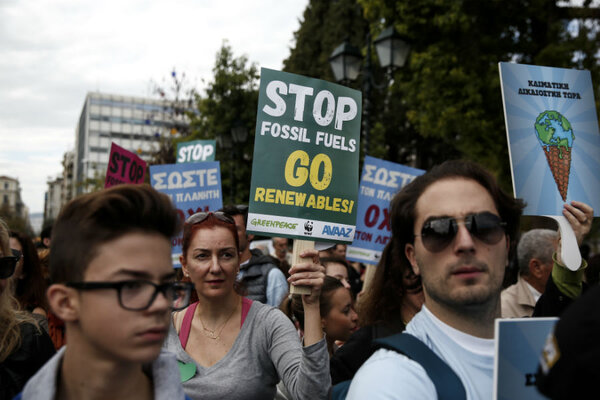 Climate protests: Is the public more engaged than ever?More than 140 world leaders will convene in Paris for the COP21 summit starting Monday, Nov. 30.聽The group's task is to come up with a long-term deal to curb global warming. Around the world, a record number of activists turned out to call for bold action.
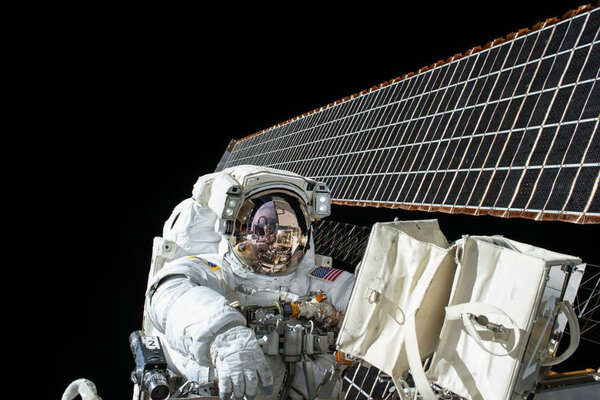 How did astronauts spend Thanksgiving?Much like we did here on Earth, except weightlessness means the feast came out of plastic baggies.聽
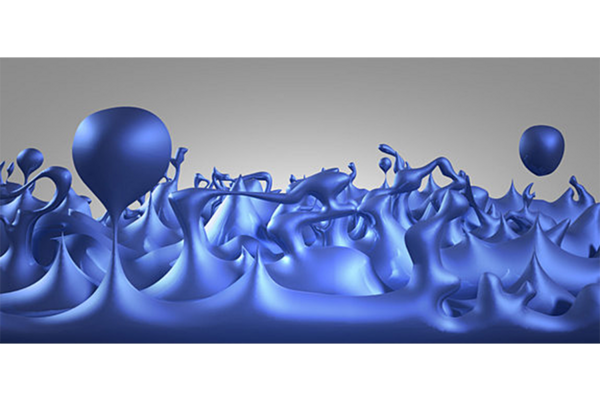
- 100 years after Einstein's breakthrough, tensions remain with quantum gravityDiscovered in November 1915, Albert Einstein's general theory of relativity can predict with astonishing precision the movements of stars and planets. But it remains unable to describe behavior in the subatomic realm.
 Burping plasma: What happens when black holes gulp starsAstronomers have just figured out a new step in the process of how black holes digest stars: it involves 鈥渂urping.鈥�
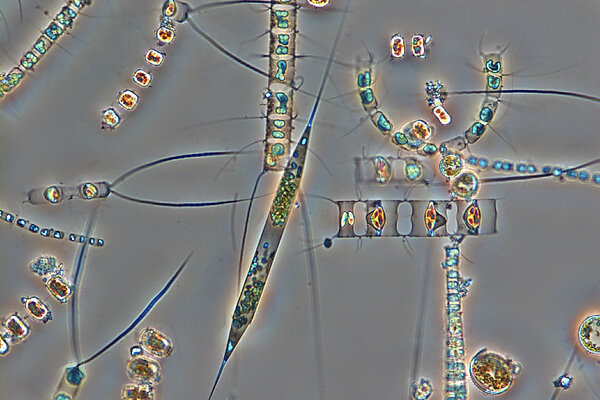 What's fueling the rise of coccolithophores in the oceans?Rising carbon dioxide in the ocean is causing a spike in population of microscopic marine alga, says a new study. 聽
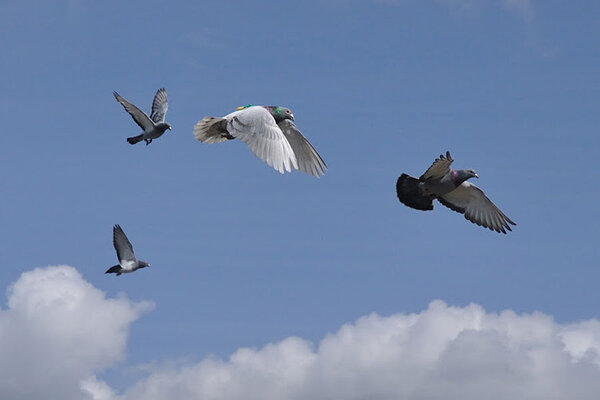 For homing pigeons, it takes speed to leadWhen homing pigeons fly in flocks, the fastest birds take the lead and learn the most efficient routes most quickly, according to new research.
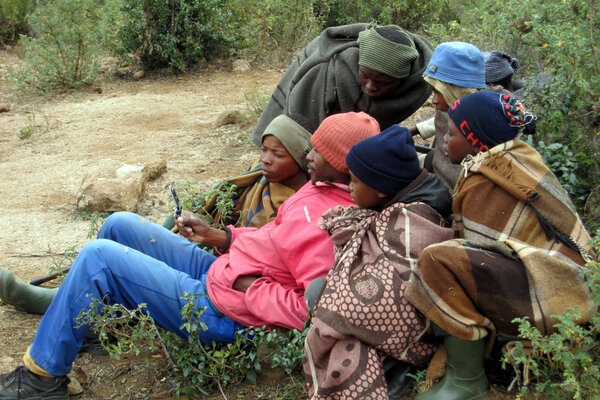 Can mobile phone data provide the most accurate view of poverty?Some data scientists say that mining of anonymized mobile phone activity is the best way to track economic conditions in countries with limited national, or any kind of, statistics.
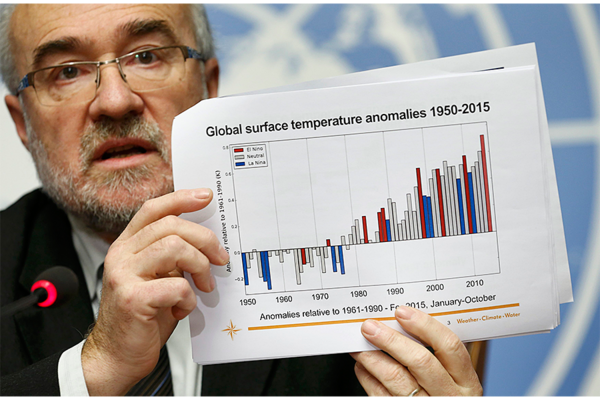 2015 will be hottest on record, say scientistsThe聽World Meteorological Organization said that this year will be the hottest on record, and that 2016 could be even hotter.
 A strong tug might have pulled the moon to its inclined orbitResearchers have created a new model that could explain the 'lunar inclination problem' with gravity.
 A planet of cities聽Why all cities 鈥� despite their unique geographies, cultures, and accidents of history 鈥� are really the same.
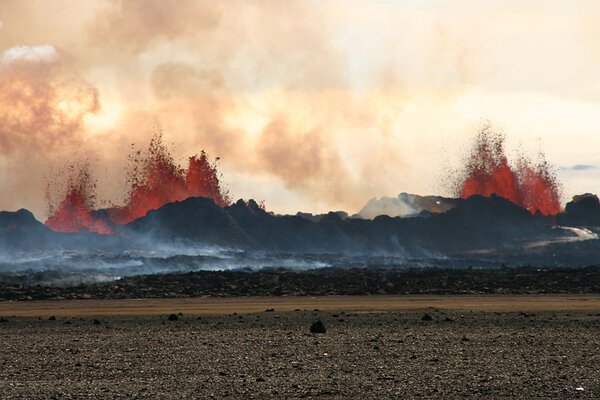 Did volcanoes pack enough punch to do the dinosaurs in?Researchers investigated the environmental impacts of sulphur gas emitted in such flood basalt eruptions and they may be more tame than thought.
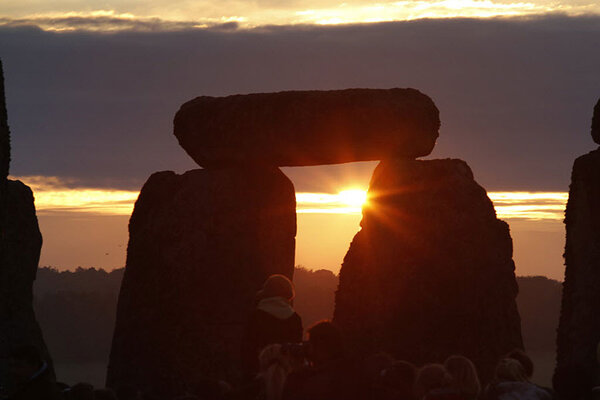 When humans became farmers, how did genes change?Researchers investigated how natural selection shaped the human genome as farming spread across ancient Europe in a new study.
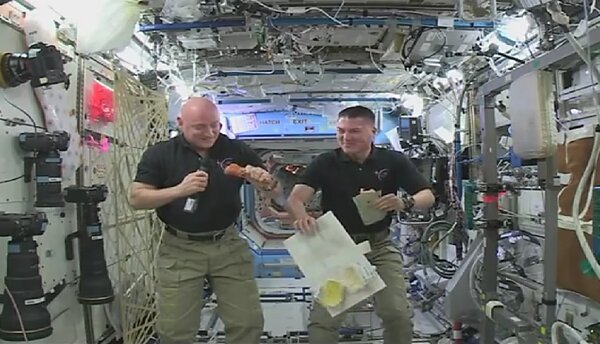 Thanksgiving in space: How space station astronauts get gratefulThe International Space Station astronauts get Thanksgiving off and eat dehydrated food, and sometimes they even share the American holiday with Russian cosmonauts.
 First LookUN weather office: Why 2015 is the hottest year everAs world leaders gather to discuss climate change in Paris next week, increasing levels of greenhouse gases in the atmosphere and a strong El Ni帽o weather pattern has caused temperatures to reach record highs.
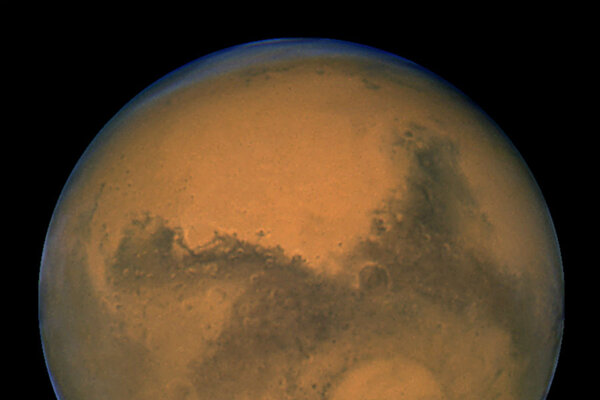 How Mars may become a ringed planetPhobos, the larger of Mars' two moons, is on a slow crash course toward the Red Planet, according to researchers.聽