All Science
 Conflict resolution in space: First hotline since the Cold WarThe United States and China are trying to avoid space wars, so they have set up a hotline for easy communication as both move further into the final frontier.
 Scientists hold their ground against Rep. Smith's NOAA subpoenaAs the debate between climate scientists and Rep. Lamar Smith builds, the scientific community still agrees that the peer-reviewed data is legitimate.
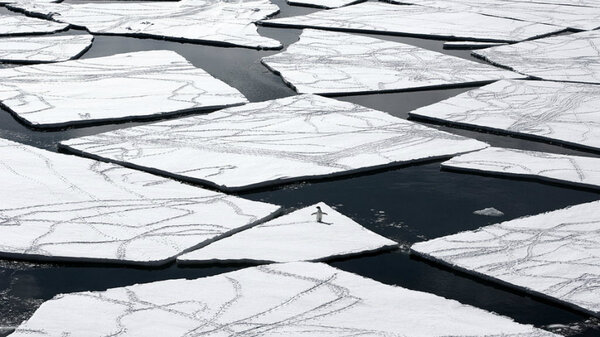 Supercomputer spots Antarctic waters taking a mile-deep plungeImagery showed dense water falling more than a mile off the Antarctic Continental Shelf, resulting in ocean storms and underwater waves that can influence ocean currents and climate change.
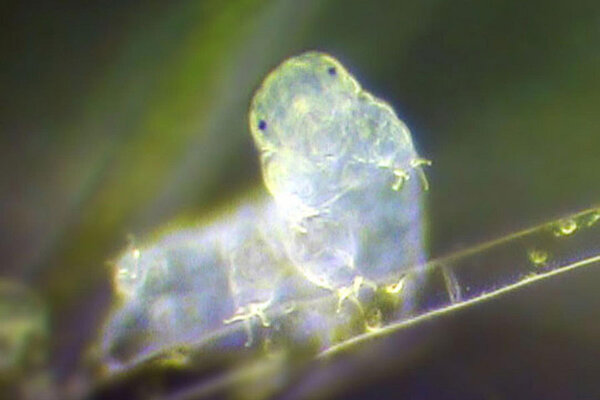 First LookWater bears' super resilience may be linked to foreign DNAScientists sequence DNA from tardigrades, often called 'water bears,' to find that one-sixth of the animals' genetic material comes from other species. And about 90 percent of that foreign DNA came from bacteria.
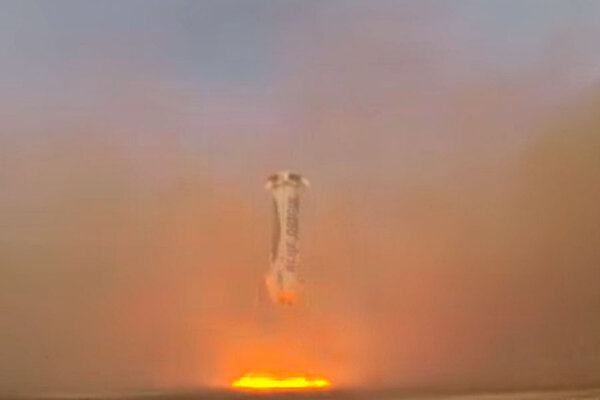 Blue Origin rocket makes historic soft landingBlue Origin has successfully soft-landed a reusable rocket that had flown into space, a milestone for Jeff Bezos's private spaceflight company.
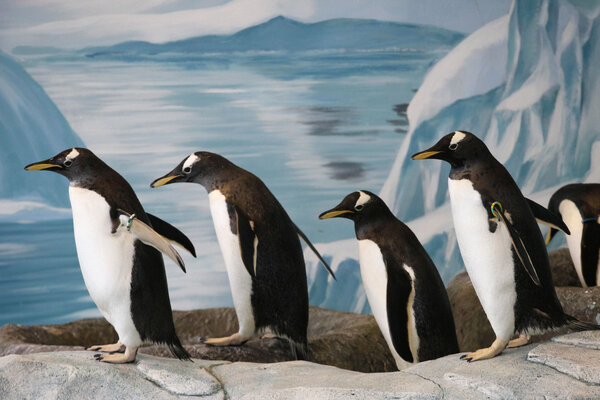 How penguins could inspire safer planesThe flightless birds have some unique characteristics to help them survive an incredibly cold environment. Researchers are looking into using some of those in airplane manufacturing.聽
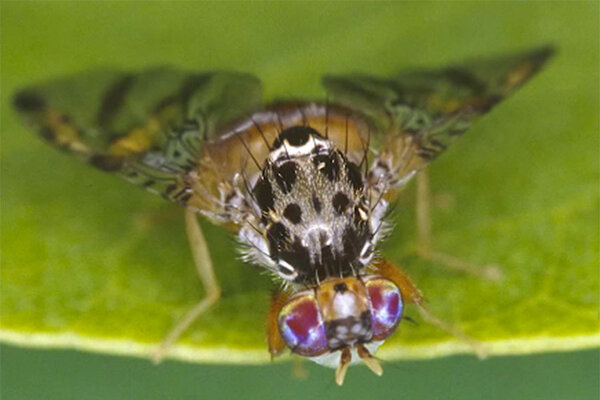
- Could GMO fruit flies solve Australia's pest problem?Australia is looking to control fruit flies, one of the most common pest species, through the use of biotechnology.
- In Memphis, spiders cover ground with blanket of silk. How is this possible?It's called 'ballooning,' and it's harmless.
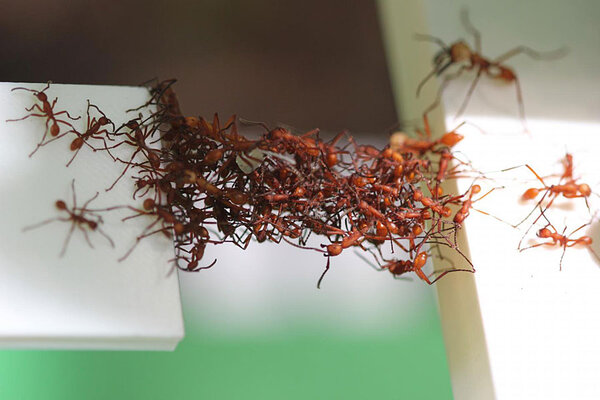 First LookHow army ants use their own bodies to build better bridgesResearchers find that army ants appear to stop extending the length of their living bridges when the costs outweigh the benefits.
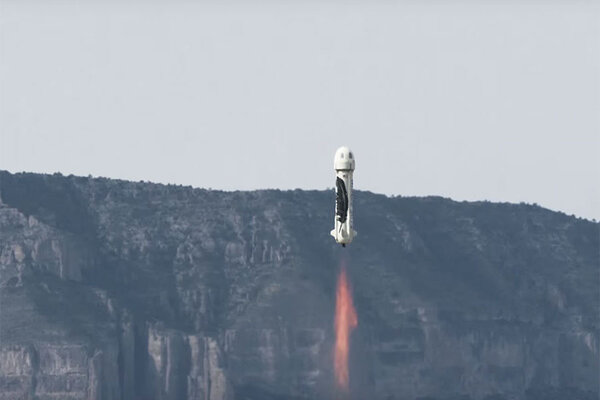 First LookWhy Jeff Bezos calls Blue Origin's reusable rocket a 'game changer'Jeff Bezos's spaceflight company has successfully landed their reusable rocket after a test flight past the boundary of space Monday.
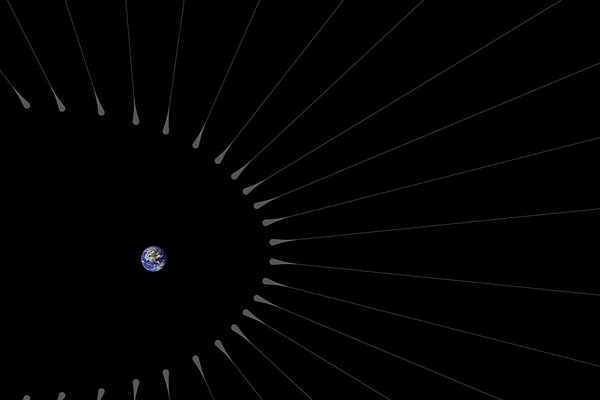 First LookIs Earth really surrounded by 'hairy' dark matter?When streams of dark matter interact with planets like Earth, dense hairlike filaments form, according to new research.
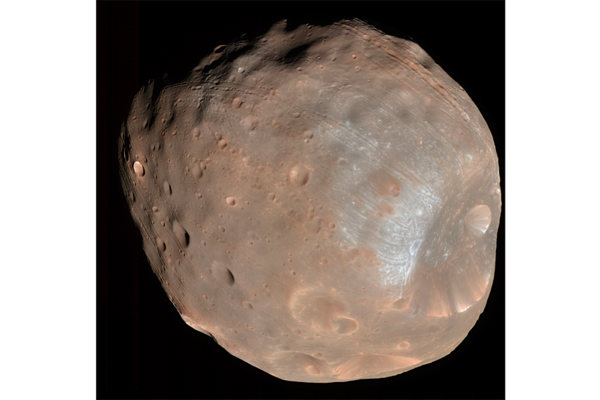 First LookLong engagement: Phobos promises Mars a ring, in 10-40 million yearsPhobos, the larger of Mars' two moons, is likely to break apart. The debris from the moon's demise could form a ring around the Red Planet, say researchers.
- Tropical storm Sandra: Hurricane force winds in 24 hours?Tropical storm Sandra, the 18th named storm of the season, is now off the western coast of Mexico. It's expected to strengthen and move toward the US and Mexico later this week.聽
 NASA inks 'taxi' deal with SpaceXSpaceX has officially secured its first astronaut transportation contract with NASA.聽
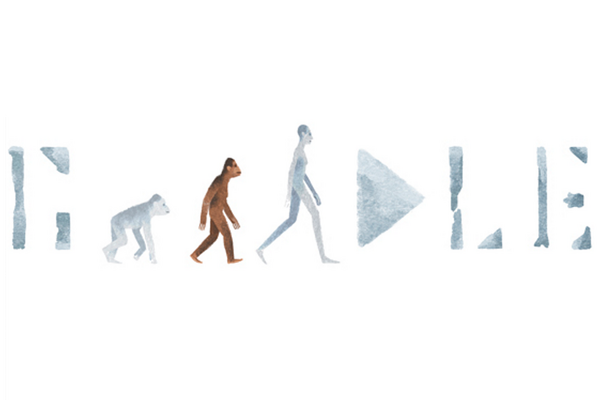
- Who is Lucy the Australopithecus? Where did she get her name?Google honors the 41st anniversary of the discovery of Lucy with a Google Doodle.
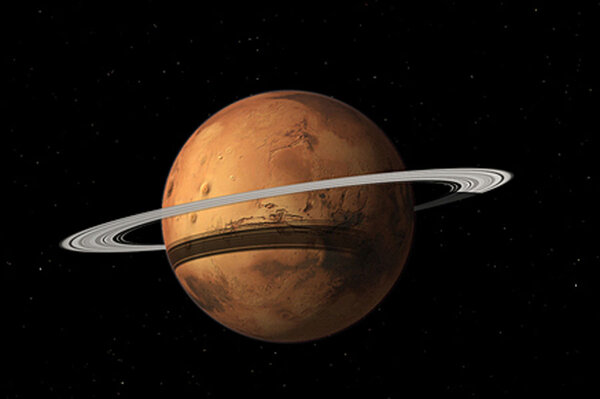 Could Mars someday get its own set of rings?In a few tens of millions of years, one of Mars's moons, Phobos, will be broken up by Mars, either by collision or gravitational pull. When that happens, the Red Planet may have a ring system.
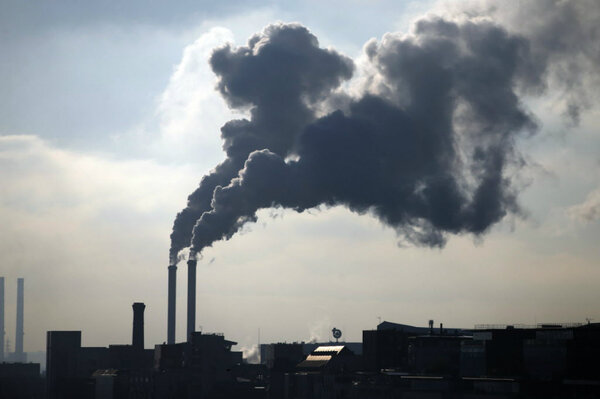 Why do so many Americans doubt climate change?A Yale University survey showed one-fifth of Americans do not think climate change is real, even though there is a near-consensus among scientists that the problem exists. Where does the split come in?
 Katherine Johnson was a STEM trendsetter before there was STEMMs. Johnson, now 97, will receive the Presidential Medal of Freedom on Tuesday for her groundbreaking contributions to NASA in an era when few African-Americans were working in the field, let alone African-American women.聽
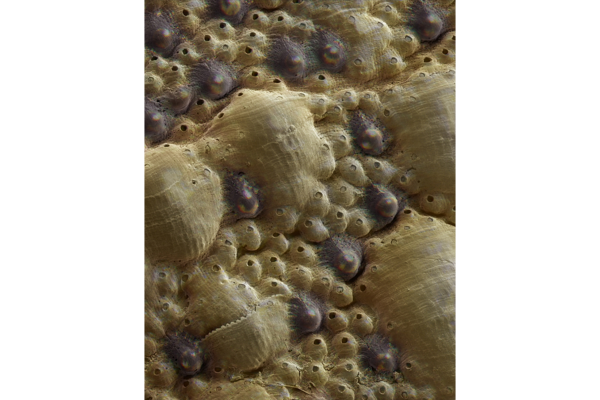 This marine mollusk is covered with eyes made of armorScientists have discovered that a species of chiton has hundreds of functioning, armored eyes on its shell.
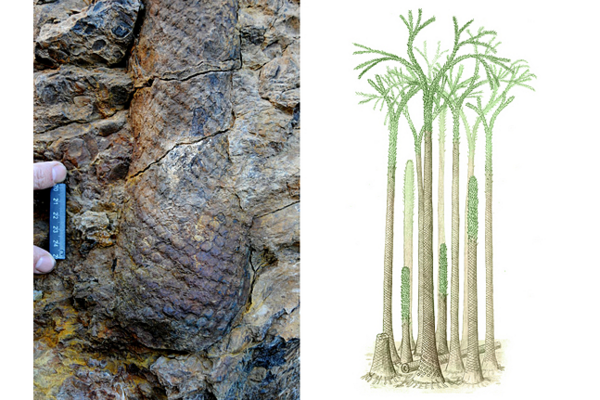
- Scientists in Arctic Norway discover ancient tropical forestScientists in Svalbard聽have discovered fossilized tree stumps that are evidence of a carbon-scrubbing, mossy forest from the Devonian period some聽416 million to 358 million years ago.