All Science
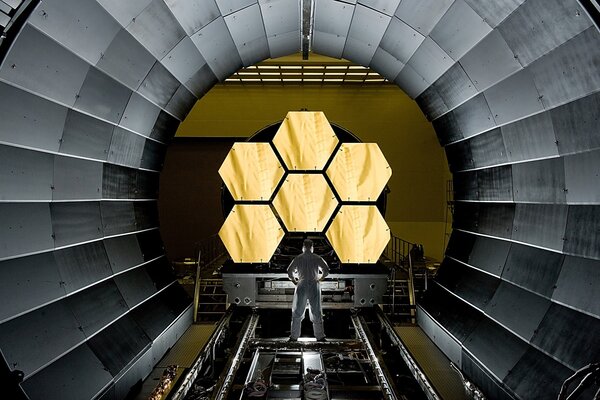 Why NASA's Webb Telescope needs a massive mirrorThe final mirror was placed into NASA's James Webb Space Telescope, marking a step closer to the launch of the world's largest telescope capable of seeing farther into the universe 鈥� and closer to the Big Bang 鈥� than ever before.
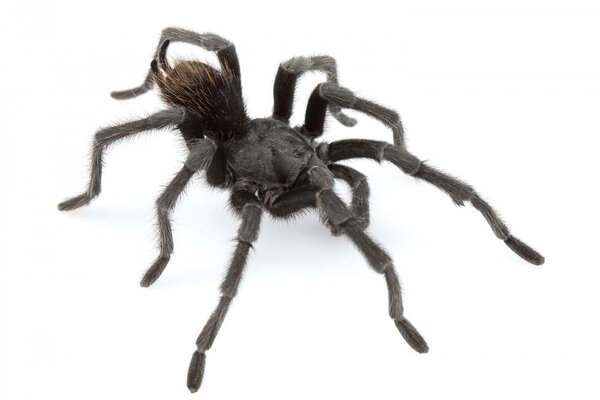 Eight-legged Johnny Cash: Tarantula spider species named for singerAfter being discovered at California's Folsom State Prison, one of 14 new tarantula species has been named after the 'man in black.'
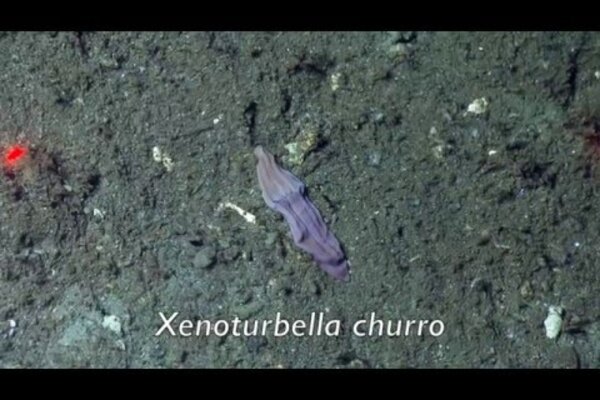 First LookPurple socks and churros: Weird worms earn place on tree of lifeThe discovery may help finally place these worms in their rightful classification on the tree of life.
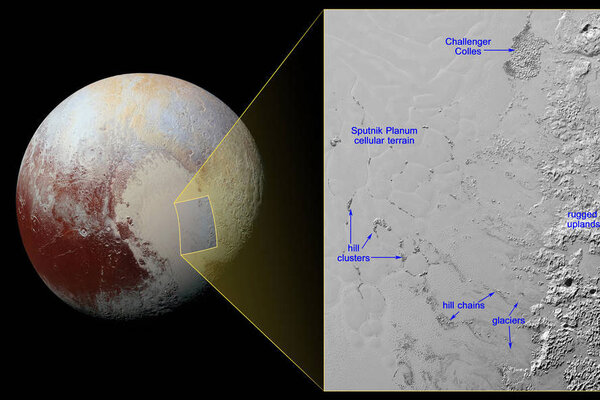 First LookCosmic icebergs bob atop frozen nitrogen sea in Pluto's heartThe floating hills of ice are suspended across a vast plain of nitrogen-dominated ice and bob 'like icebergs in Earth's Arctic Ocean.'
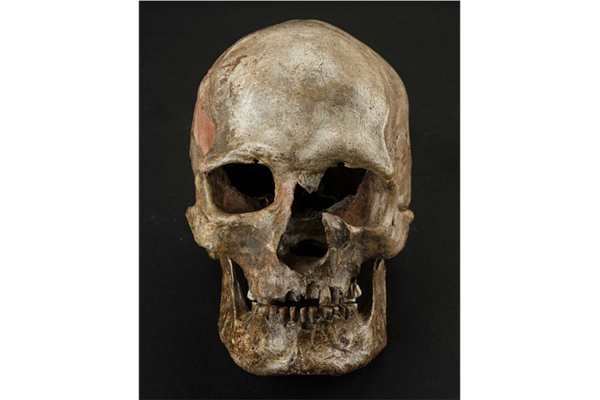 Major population upheaval in Ice Age Europeans linked to climate changeThe genomes of ancient Europeans reveal how human populations can change dramatically as a result of extreme climate fluctuations.聽
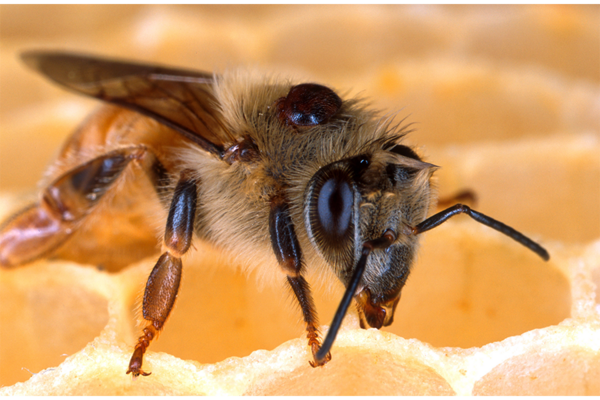
- Humans have a hand in honey bee decline, say scientists. Is it too late?Researchers have linked the decline in global bee populations to the international bee trade. What can be done?
- First LookAre genetics researchers inadvertently perpetuating racial stereotypes?A team of scientists are urging their colleagues to refrain from using racial differences as metrics in biological and medical studies.
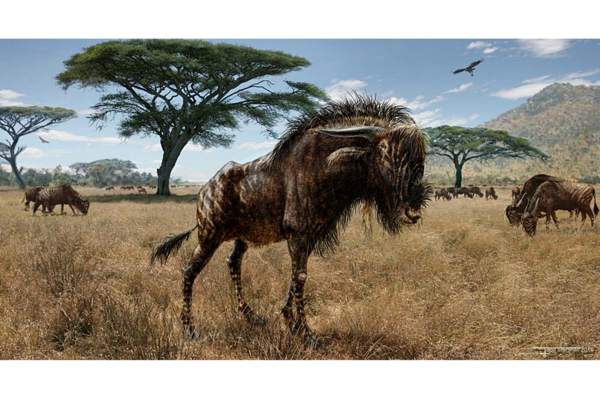 Weird convergence: Extinct wildebeest cousin and dinosaur shared nosesScientists discover two unrelated, extinct animals had the same strange nose.
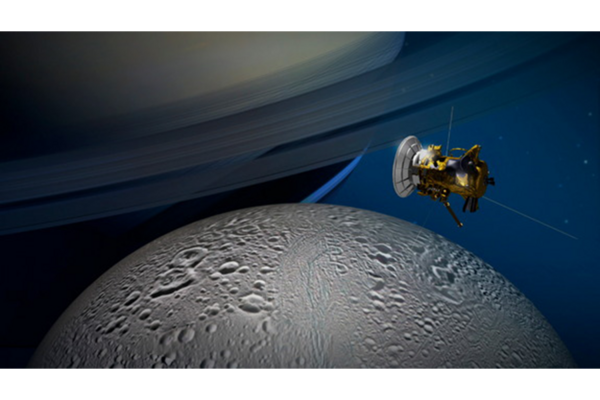
- Saturn's ring mystery: Why are opacity and density mismatched?A new analysis contributes to a body of research aimed at uncovering the mass and origin of the planet's rings.
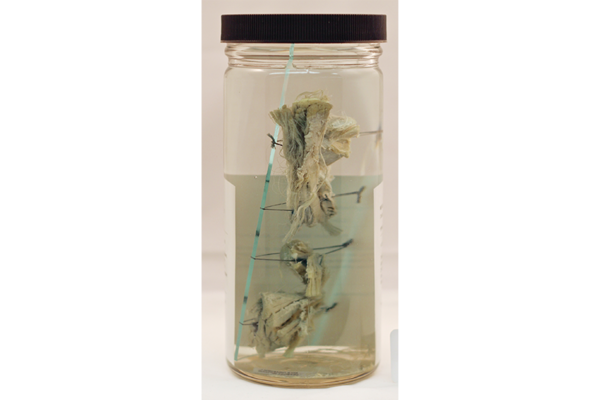 Science NotebookMenu miscue: Yale study prompts mammoth newspaper correctionIn 1951, we reported that members of the Explorers Club dined on a 250,000-year-old extinct mammoth. Science has proven us wrong.聽
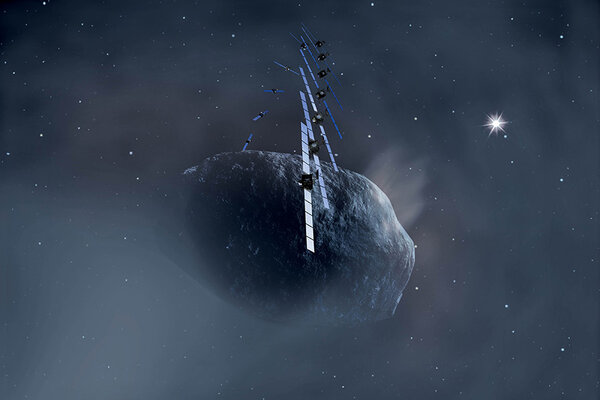 Astronomical mystery solved: no caverns in cometScientists had long wondered if the low density of comets was a result of a cavernous inside.
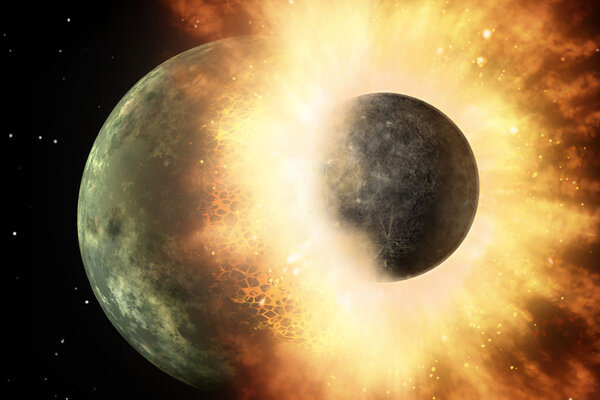 When worlds collide: Earth is really two planets, study findsScientists suggest the 4.5-billion-year-old collision between Earth and planet Theia was bigger than we thought.聽
 First LookThe modern butterfly has a 40-million-year-old doppleg盲ngerScientists recently discovered a Jurassic聽insect that looked and acted like a butterfly, but is actually only distantly related to the modern winged creatures.
 Congress asks: Can NASA really get astronauts to Mars?Without a concrete plan or enough money, the space program's nebulous goal to send humans to Mars may not be feasible, says聽the House Committee on Science, Space, and Technology.
 First LookWhy frigid 'Flying Saucer' disc could change what we know about planetsAstronomers measuring a disc of gas and dust around a young star found that the disc is close to absolute zero, which might allow large planets to form lose to their parent star.
 Are improved tornado warning systems making a difference?Steadily improving storm warnings and active preparation for severe weather at the local and state level helped states across the South survive an off-season burst of tornadoes without loss of life.
 First LookCommercial space travel is booming at NASA spaceportNASA's Cape Canaveral space center is gearing up for a year full of launches.
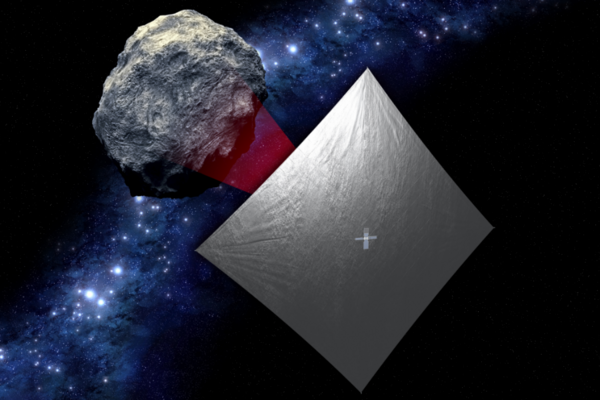 Propelled by light, new NASA probe to set sailA small space probe, propelled by a solar sail, is bound for an asteroid from NASA's Space Launch System rocket in 2018.聽
 How Germany took big step toward nuclear fusionGerman scientists working on the Wendelstein 7-X fusion device started a series of experiments that could eventually prove the superiority of the聽stellarator-type fusion devices.聽
 First LookWhy the sun's magnetic field is still a mysteryScientists know a lot about the sun, but the forces behind the star's magnetic field remain a mystery.