All Science
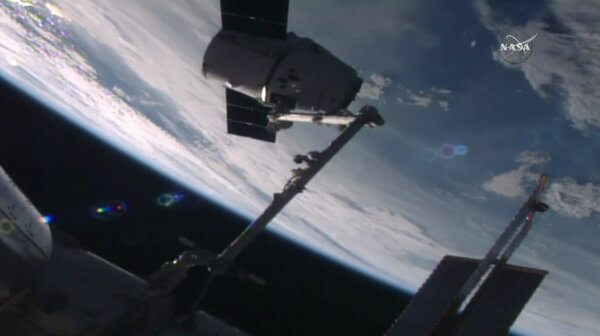 First LookSuccess! SpaceX Dragon cargo ship nails another mission.The Dragon spacecraft has safely delivered a docking station for future rockets at the International Space Station.
 First LookWill 2016 be the hottest year on record?In the first six months of 2016, temperatures have been record hot 鈥� and it's not just because of El Ni帽o.聽
 How tidal tugs trigger tiny earthquakes on San Andreas faultUSGS researchers found that low-frequency earthquakes in California corresponded to certain phases of the tidal cycle.
 Not an earthquake: US Navy explains vibrations in FloridaA 3.7-magnitude seismic event that Floridians felt on Saturday was caused by a US Navy 鈥榚xperimental explosion,鈥� according to the U.S. Geological Survey.
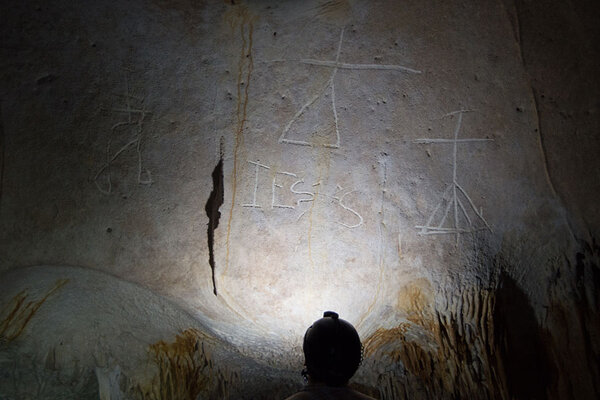 First LookCave etchings reveal early dialogue between Native Americans, EuropeansDid Native Americans and Europeans have spiritual dialogues during the colonial-era? New cave writings suggest yes.
 First LookIs this Chinese delivery worker a real-life 'Good Will Hunting'?Chinese migrant worker Yu Jianchun has solved a complex math problem with implications for computer science and information security. Yu is being called a real-life version of the movie character played by Matt Damon in 1997.
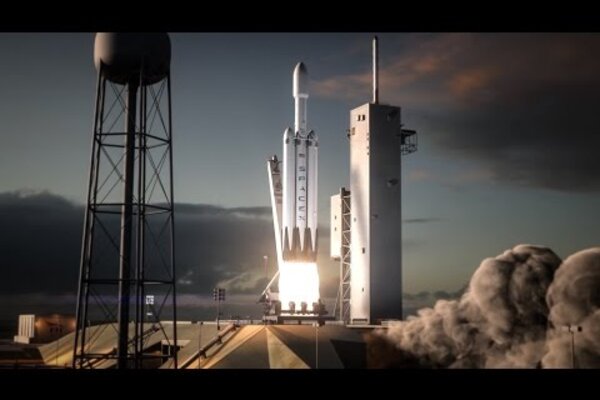 SpaceX's next mission: to land three rockets at onceElon Musk's private space company seeks to fly the Falcon 9 Heavy, made of three individual rockets strapped together, later this year.
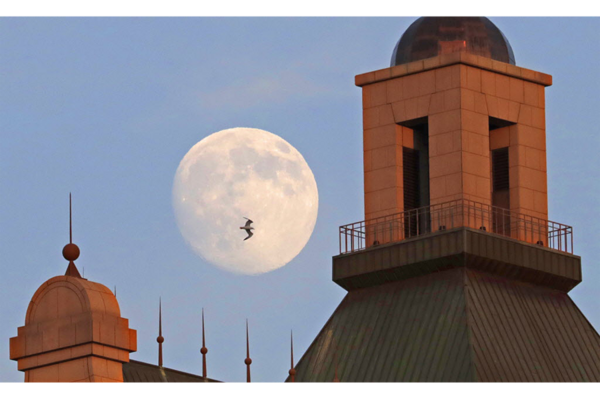 First LookTonight, the Full Buck Moon risesThere will be a full moon at聽6:57 p.m. EDT on聽July 19.
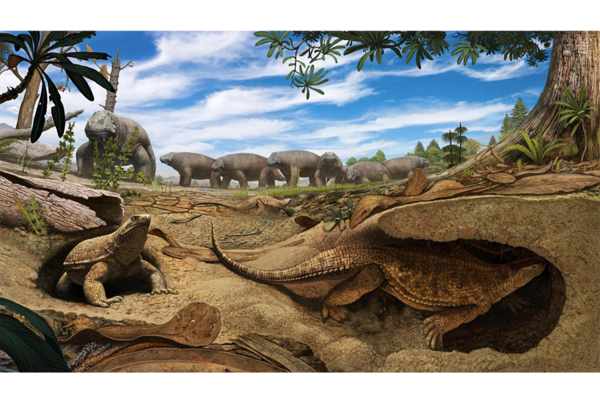 First LookTurtle shells might not have evolved for protection, say scientistsThanks in part to a fossil discovered by an eight-year-old, scientists have new insights into the mystery of why turtle shells evolved.
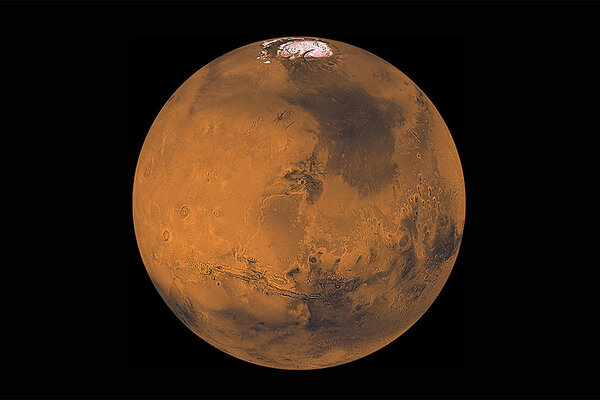 NASA commissions five new Mars orbiter designsAs the next step in NASA's Journey to Mars, which seeks to send a manned mission in the 2030s, the space agency has commissioned five US aerospace companies to conduct concept studies for a next-generation orbiter spacecraft.
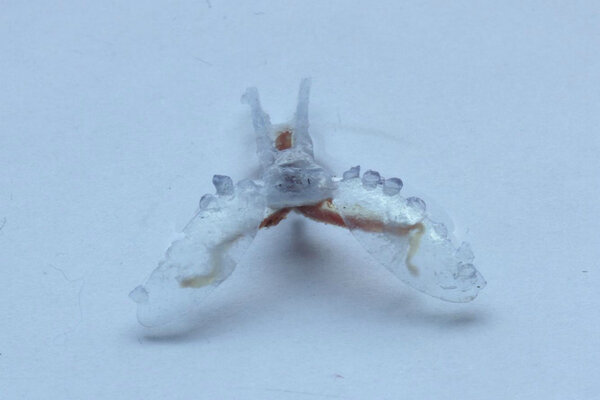 Slo-mo bot: How scientists built a biohybrid robot from slug partsResearchers used sea slug facial muscles to power a synthetic, 3D-printed body.
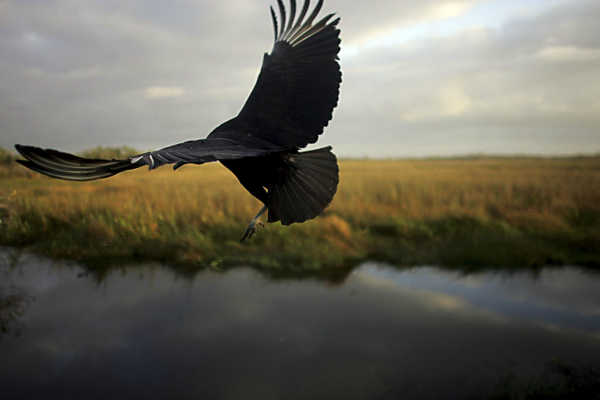 Did flight evolve by accident?New research casts doubt on three popular theories for how bird-like dinosaurs learned to fly.聽
 First LookHow a tiny, atom-by-atom hard drive can offer 500 times more storageDutch Scientists have discovered a method that will allow for the development of atomic-scale storage devices.
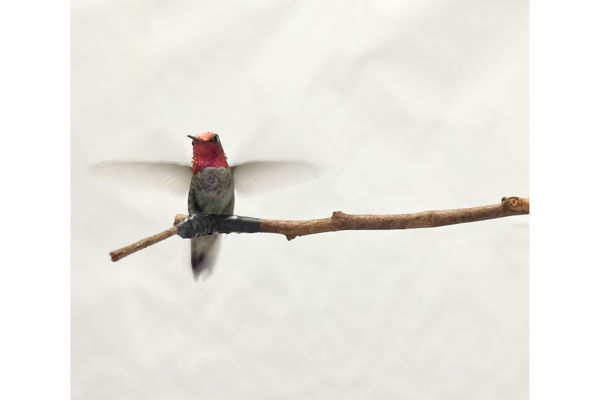 First LookHow do hummingbirds navigate at such high speeds without crashing?Scientists probe the remarkable mechanism that allows hummingbirds to avoid collisions.
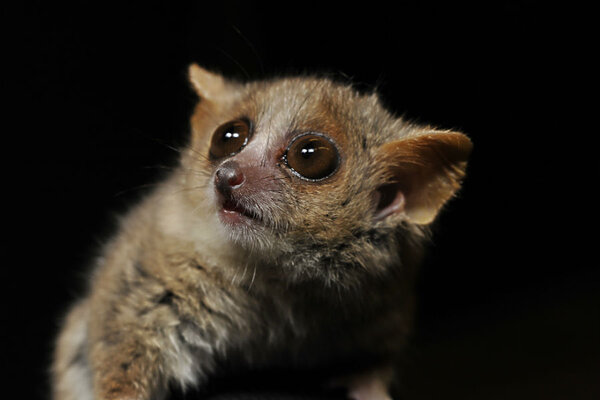 Adorable lemur paints a picture of Madagascar's pastDebate has raged over who is to blame for Madagascar's deforested interior. Now, the world's smallest primate has provided some tantalizing insights.
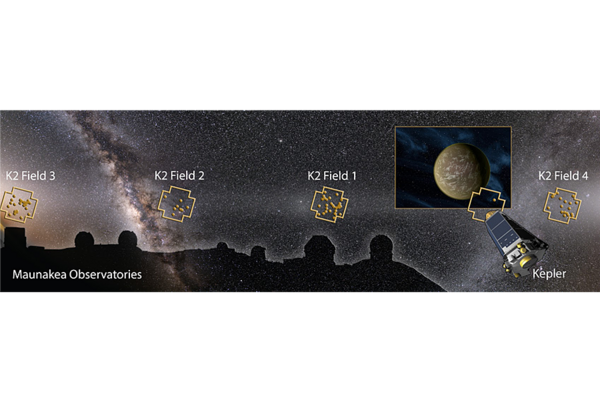 Science NotebookK2 mission confirms 104 new alien planetsConfirmed exoplanets are still pouring in from Kepler data, even after the 2013 malfunction that led to the rebooted mission, K2. The spacecraft has now added over a hundred more confirmed exoplanets to its impressive exoplanet hunting resume.
 SpaceX rocket sends cargo to space station, sticks another landingA SpaceX聽Falcon 9 rocket lifted off from Cape Canaveral early Monday morning, and returned to land back on the ground a few miles from its launchpad.
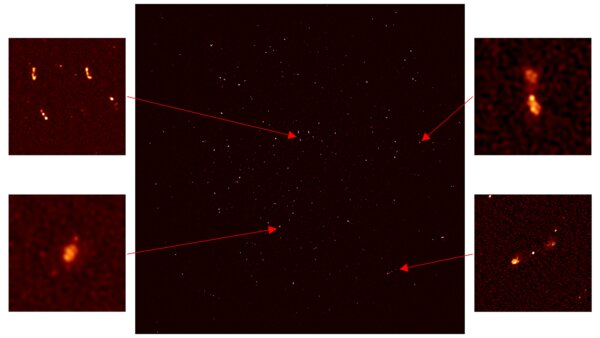 How a 'MeerKAT' sniffed out 1,300 new galaxiesThe South African radio telescope MeerKAT, which is still under construction, has already spotted 1,300 new galaxies.
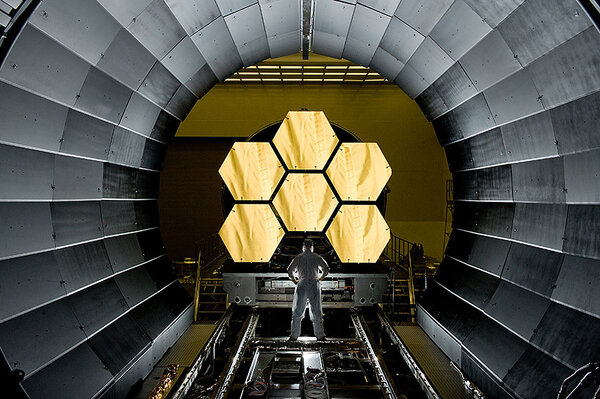 Autonomous space robots could assemble large telescopes, habitatsA gathering of young space professionals in Washington last week featured a discussion of how autonomous robots could build the next generation of space-exploration infrastructure.
 What did the first farmers look like?New research suggests that the earliest humans to adopt farming had genetically diverse origins.