All Science
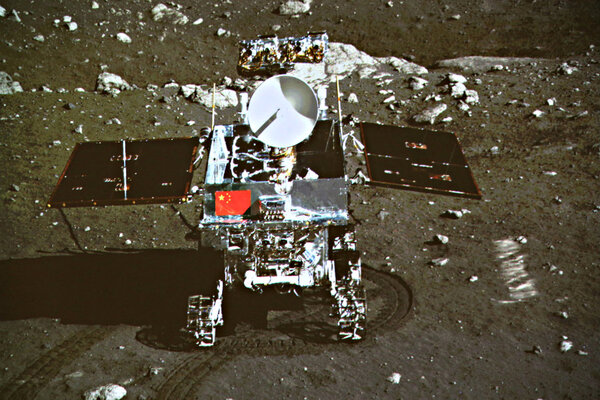 Some grieve as China says goodbye to its Jade Rabbit moon missionThe space probe lasted two years longer than the most recent lunar rover, a Soviet mission that went dark in May 1973.
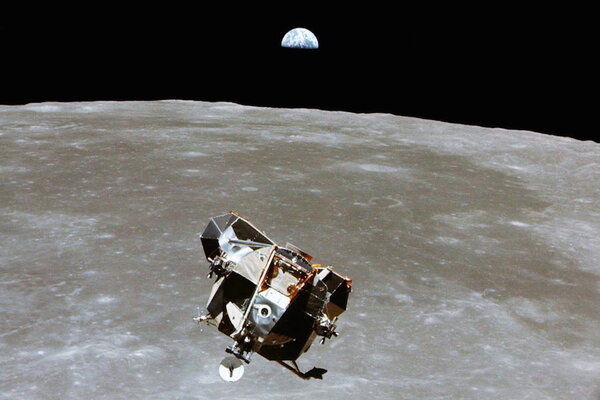 Next stop, the Moon: private company 'Moon Express' gets greenlight for 2017The Florida-based company is the first to get government permission to fly beyond Earth鈥檚 orbit.
 First LookState of the climate: Not good, 2015 decimated temperature recordsA new report from 450 scientists looks past broken temperature records to examine a host of indicators and effects of climate change and El Ni帽o that were visible in 2015 鈥� the hottest year on record.
 First LookLook up: a remarkable Perseid meteor shower is comingAstronomers are predicting that the number of visible Perseid meteors could double in the Earth's August 12 brush with comet dust.
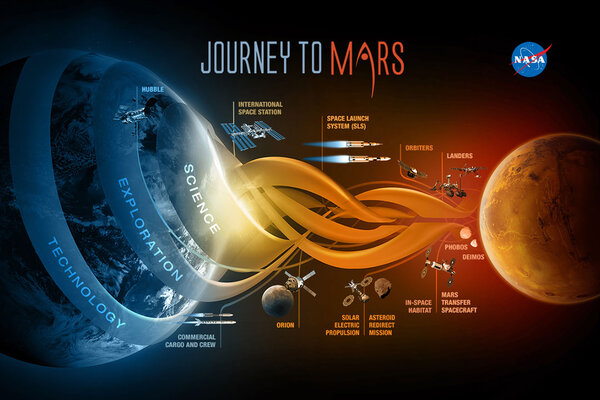 Is NASA ready for a human mission to Mars? No, say government auditors.NASA has a bold vision for a crewed mission to Mars, but thus far, that vision lacks a certain degree of clarity, critics and auditors say.
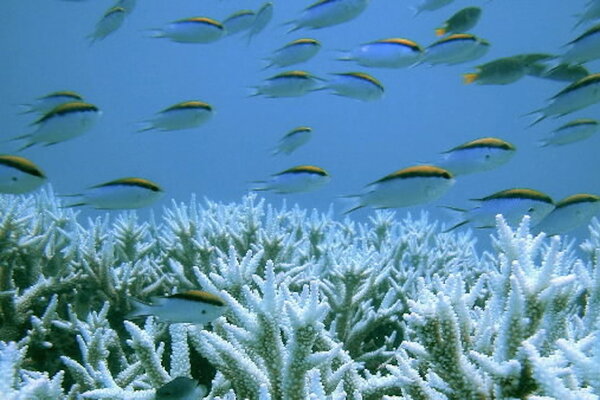 Why are spiny damselfish going into permanent 'night mode'?A study published Monday shows spiny damselfish can adapt to the increased acidification of warming oceans by changing their circadian rhythms.
 How did life on Earth defy statistics and show up early?A new study may have an answer as to why we have not discovered extraterrestrial life yet.
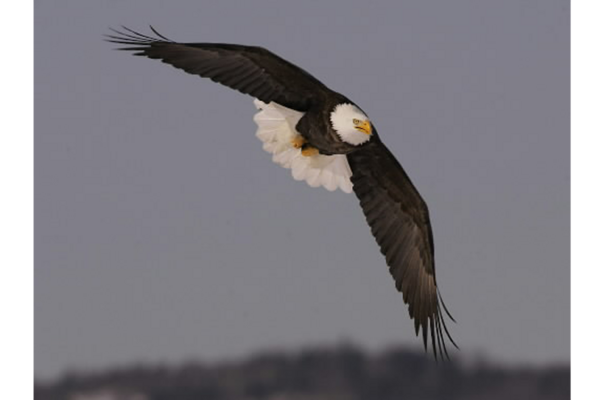 How soaring birds might inspire intelligent, gliding machinesScientists created a computer model of birds learning to soar in turbulence for insights into how machines might develop that skill, too.
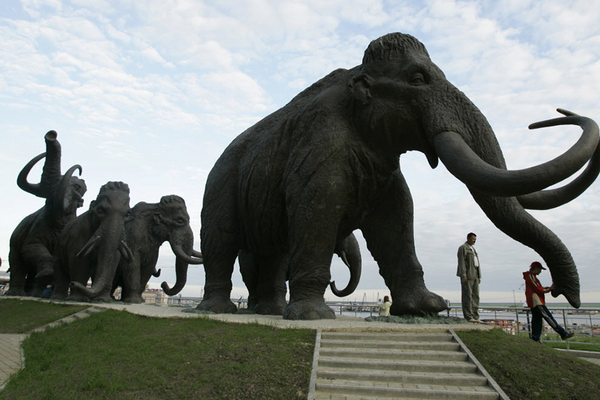 First LookWere the last North American woolly mammoths parched when they died?Woolly mammoths lived on Saint Paul Island in Alaska until about 5,600 years ago 鈥� surprisingly late. And, according to new research, lack of water may have played a role in their extinction.
 Juno space probe reaches milestone in first lap around JupiterNASA's most ambitious Jupiter probe yet has reached 'apojove,' the turning point in Juno's first orbit around the gas giant.
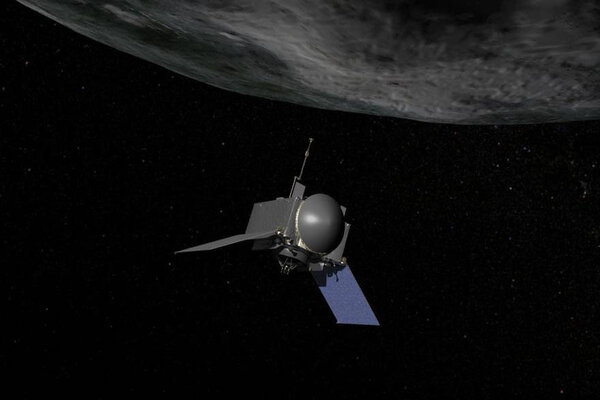 First LookBennu bound: NASA readies for historic mission to study an asteroidIn September, NASA will launch a probe to collect a sample of rock from an asteroid known as Bennu.聽
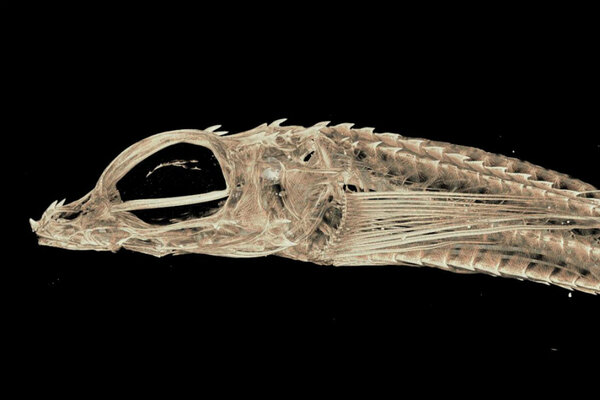 What scientists could learn from more than 25,000 'digitized' fish speciesAdam Summers, a professor at the University of Washington, hopes to use computed tomography (CT) scanning to create a scan of every fish species known to man.聽
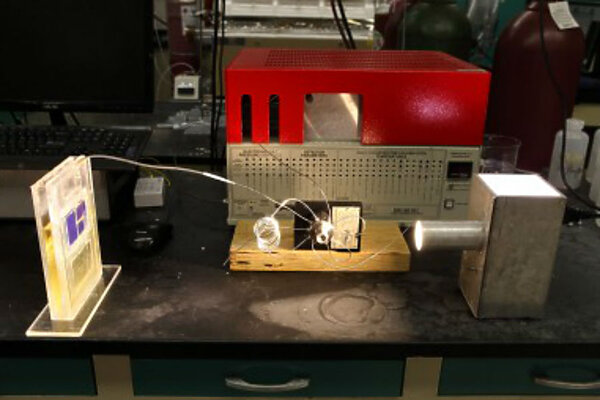 First LookScientists flip energy equation with solar leaf that converts CO2 into fuelResearchers at the University of Illinois at Chicago say the fuel from carbon dioxide can remove the greenhouse gas from the atmosphere, and provides a sustainable type of fuel that is as cheap as a gallon of gas.聽
 Could the Brexit harm science in Britain?Following the Britain's vote to leave the European Union, British scientific and research academies have joined other major industries across the United Kingdom scrambling to understand what their future may look like.
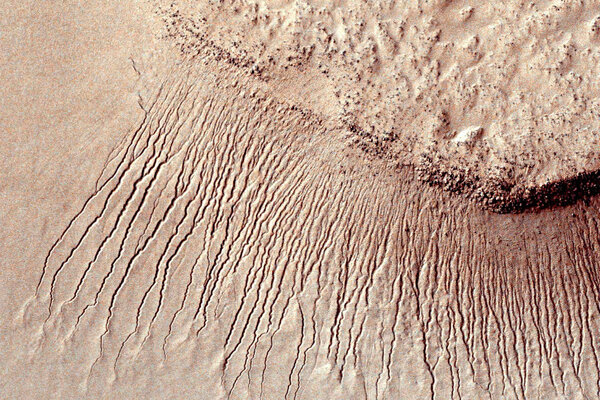 Water didn't carve Mars' gullies. What did?Scientists examined high resolution images of 100 sites on the red planet in an effort to understand what processes carved Mars' gullies.聽
 Cover Story20,000 discoveries under the seaScientists tap new technologies to unravel mysteries of the deep 鈥� discovering sources of food and energy, and enhancing knowledge of life on land.聽聽
 Can drones help save the whales?Drones helped NOAA researchers in the Hawaiian Island, helping them to count the whale calves without disturbing them, a growing trend in wildlife research.
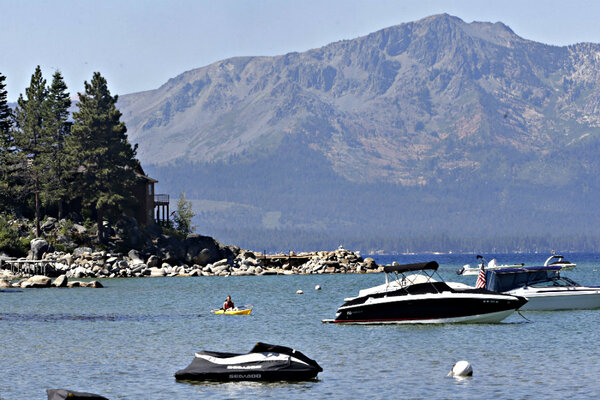 Why is Lake Tahoe getting warmer so quickly?Lake Tahoe is warming 15 times more quickly than the historic average rate, threatening to cloud its famous clear blue waters.聽
 First LookThese boots are made for vibrating 鈥撀爄n spaceJust try walking in space with a suit made of 14 layers that weigh in at 250 pounds here on Earth. Boots developed by MIT aim to help.
 The newest weapon in the Asian carp battle: Alligator fishSome biologists call it a win-win: Introduce an ugly fish that went extinct in the Midwest last century, and it might eat the so far unstoppable Asian carp. But others aren't sure it will help solve the invasive fish problem.