All Science
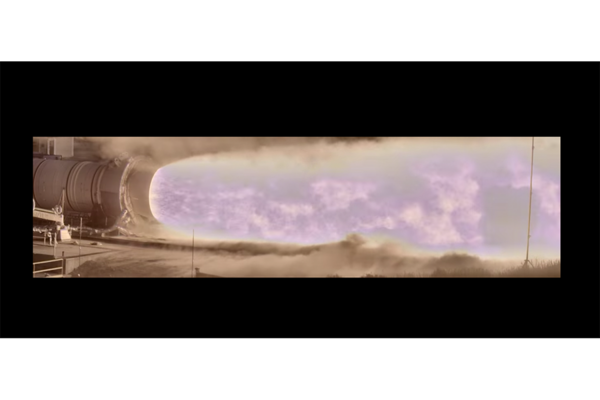 Watch this fiery NASA rocket booster in unprecedented detailHow do you capture an image of a fiery rocket without overexposing the picture? NASA had an idea 鈥� and it worked.
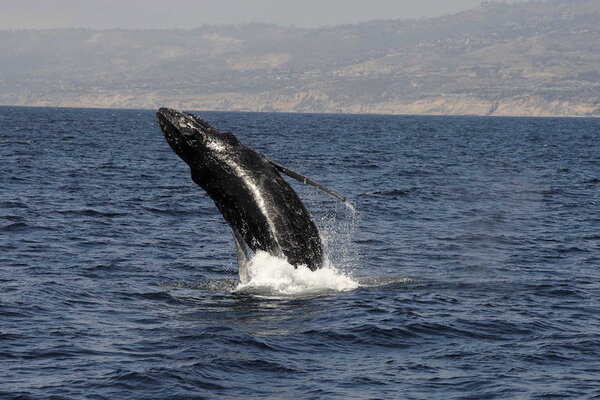 First LookHumpback whales: Are they altruistic mammals?Humpback whales have been found to protect other species from killer whales, even when fresh krill is nearby.
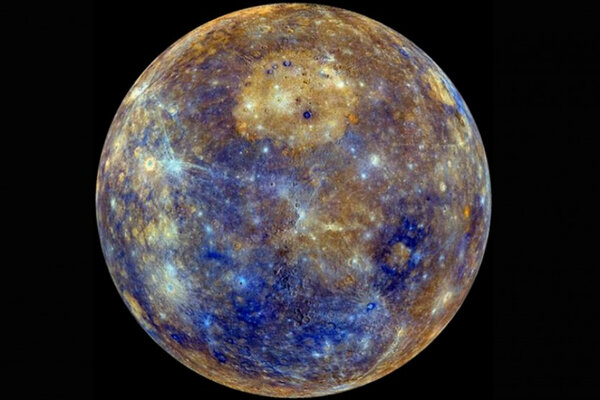 How Mercury's volcanoes fell silent 3.5 billion years agoMercury stopped spewing lava some 3.5 billion years ago聽鈥� much earlier than other planets in the solar system. How did that happen?聽
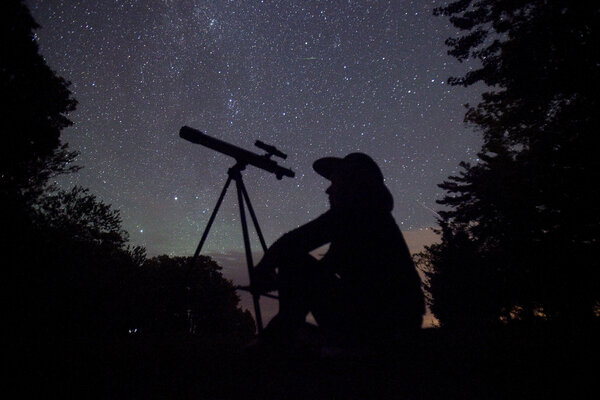 First LookHow to see tonight's spectacular Perseid meteor showerThe annual Perseid meteor shower is expected to be even more spectacular than usual this year. Catch the show around midnight on Thursday.聽
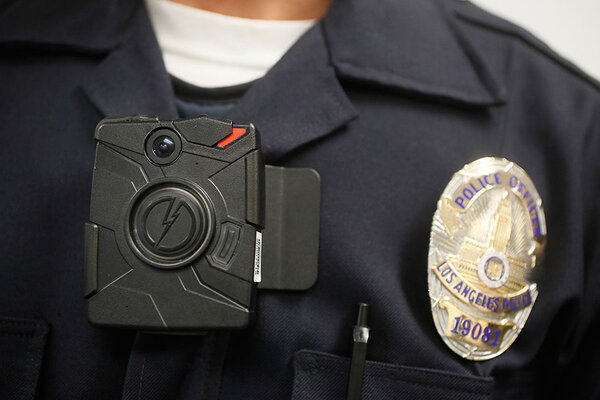 Can slow-motion video bias jury trials?A new study shows how slow-motion video tends to bias juries:聽They're more likely to say the crime was calculated rather than impulsive.
 Scientists develop new form of lightScientists have developed a way to bind photons to individual electrons, allowing for a new type of light that has properties of both elementary particles.
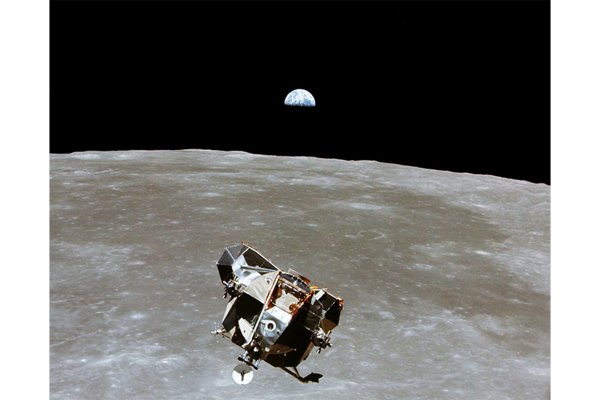 How government officials mistakenly sold artifacts from Apollo 11The bag used by Neil Armstrong and Buzz Aldrin to collect the first samples of lunar rock was accidentally sold at a government auction last year.
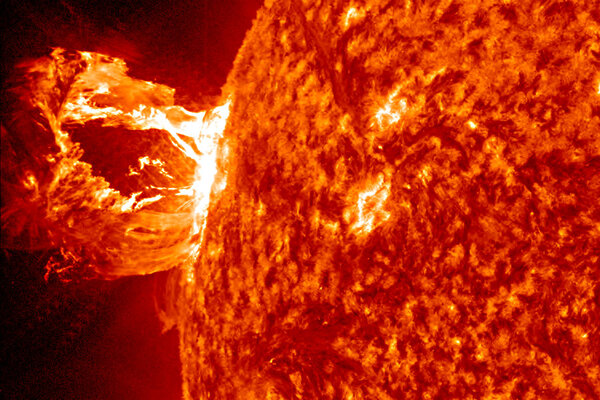 Spectacular comet suicide: Does that happen often?Daredevil Kreutz comets fly close to the sun, leading to hundreds of solar suicides.聽
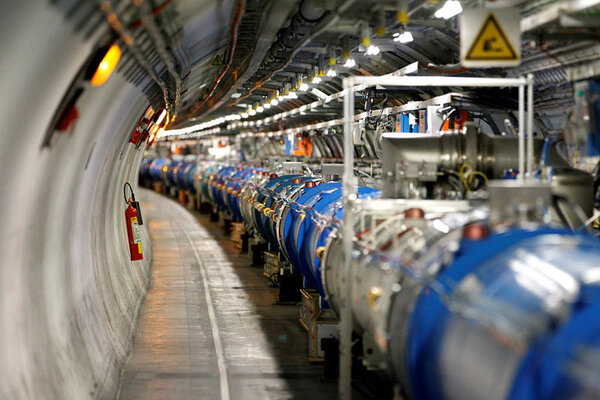 Oops. We didn't actually find a new particle, say disappointed physicistsData suggesting scientists were on the verge of discovering a new particle was actually just a blip, researchers announced Friday.
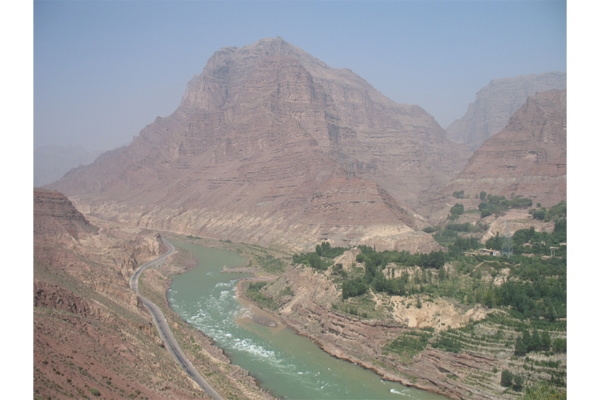 Myth meets science: Did researchers just verify a Chinese legend?The tale of China's first dynasty seems fantastical, but scientists now say there may be a kernel of truth to it.
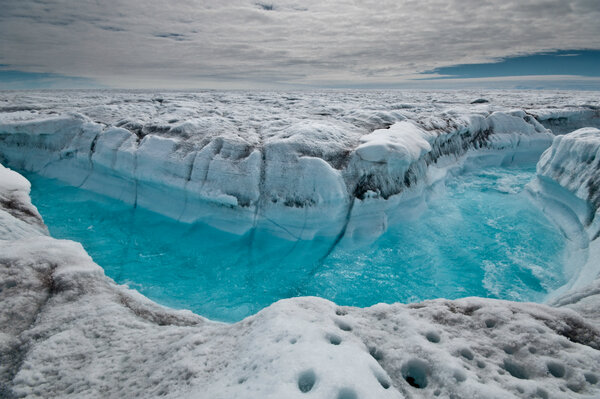 First LookHow to deal with toxic waste buried in Greenland's rapidly melting ice capsA new study shows that a US military base in Greenland, expected to be encased by ice and snow forever, is now dangerously close to being exposed.
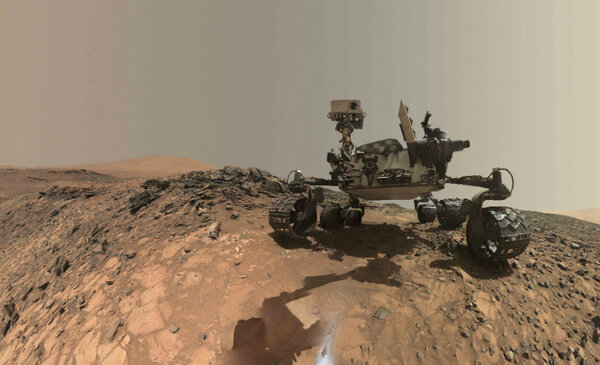 First LookAstronomical anniversary: Curiosity rover celebrates four years on MarsWhat have we learned from Curiosity's mission on the Red Planet so far?
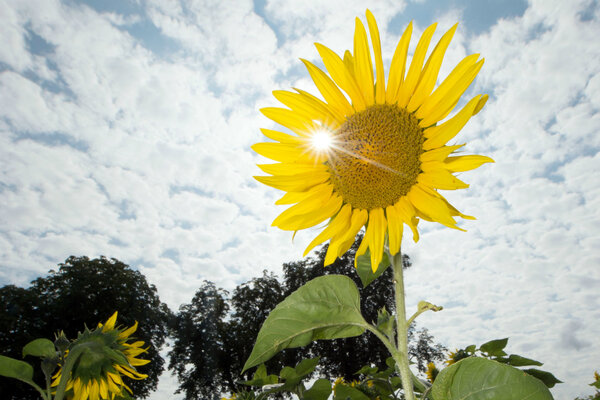 First LookHow do sunflowers follow the sun's path? A circadian clock revealedScientists says sunflowers are much more complex than they appear. A new study shows how the bright flower manages its own聽circadian clock.
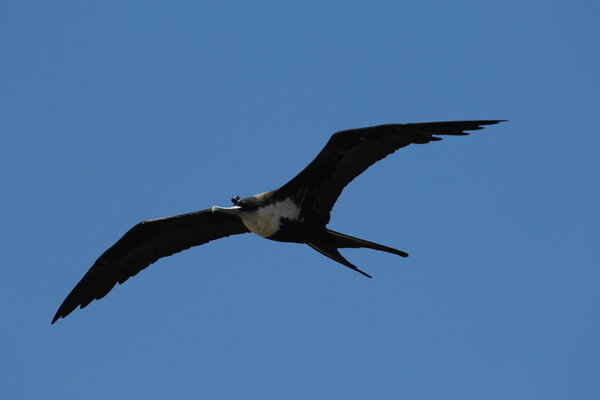 Asleep at the wing? How frigatebirds can nap while flyingFor the first time, researchers observed birds sleeping while in flight.
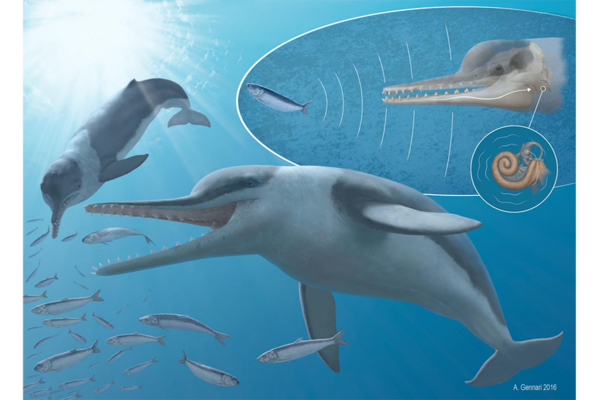 Fossils hold hidden clues to the evolution of whales' incredible hearingScientists find that a 27-million-year-old whale's ear likely could pick up remarkably high-frequency sounds.
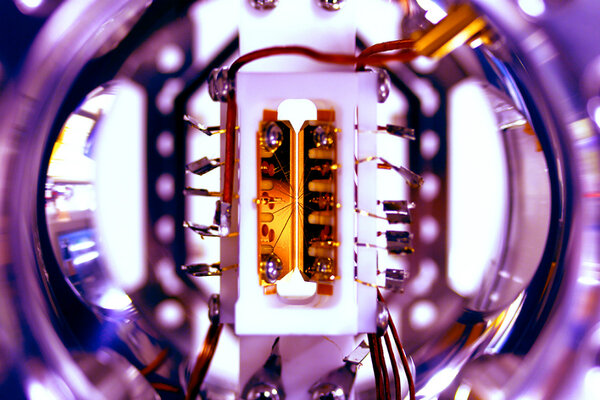 First LookA quantum leap for computing: lasers add dexterity and speedThe first re-programmable quantum computer is powered by five ytterbium聽atoms, and researchers say it is capable of running any algorithm.
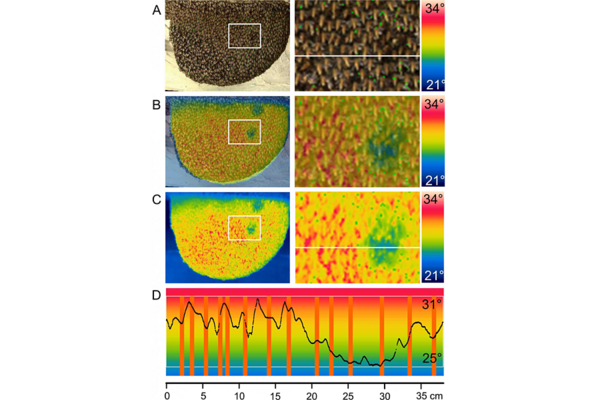 How do bees work together to cool their hives?For the Asian giant honeybee, keeping cool is a group effort.
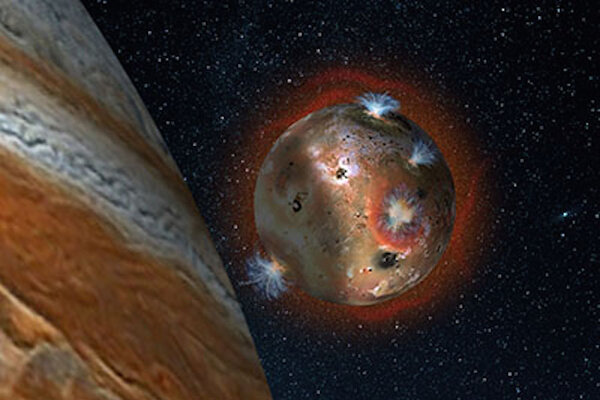 Scientists take a closer look at Io's collapsible atmosphereThe volcanic moon's atmosphere temporarily freezes and collapses as it passes through Jupiter鈥檚 shadow, a finding that ends a long-running debate.
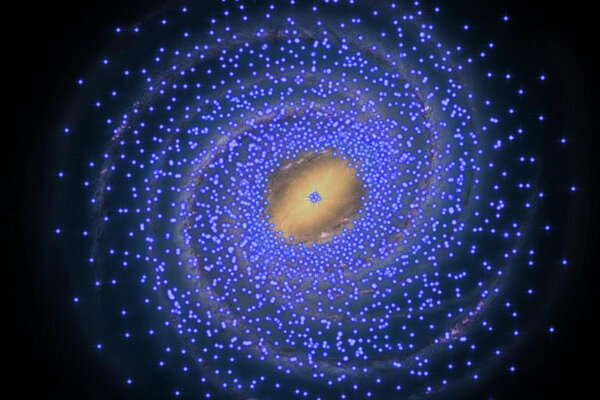 A surprise in our galaxy: a vast tract of space with no young starsResearchers say theories on galaxy formation may need to be revised after the discovery of a star desert near the center of the Milky Way.
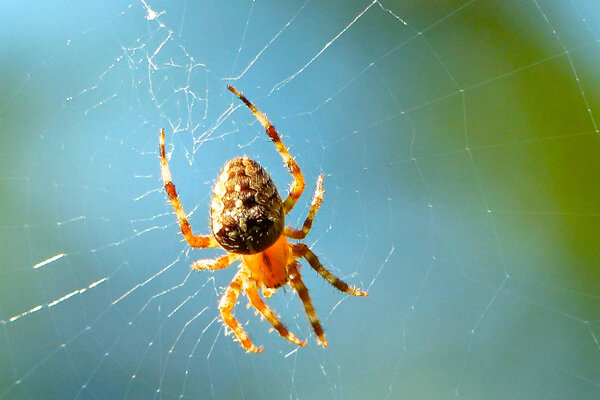 First LookWhy do the homes of the affluent have more bugs?Rich in arthropods 鈥� a new study reveals that homes of plenty are also home to plenty of insects and bugs.